
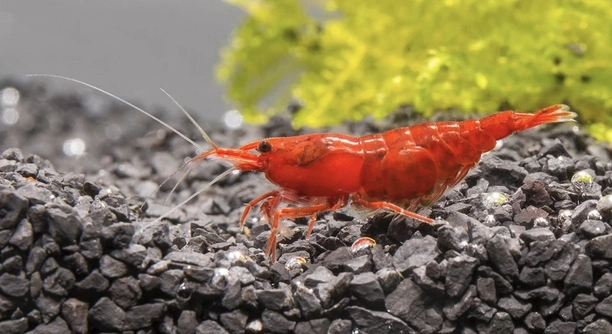
Have you ever watched your cherry shrimp explore their tank as they respond to subtle changes in their surroundings while you work to maintain a safe environment through your daily aquarium care routine and habits.
Cherry shrimp detect pollutants primarily through chemoreception, allowing them to sense dissolved substances in the water. Their sensitivity enables early behavioral responses, making them reliable indicators of declining tank conditions when harmful compounds accumulate beyond tolerable thresholds within the environment.
Their ability to sense chemical changes reveals how tank conditions shift over time, encouraging you to explore healthier maintenance habits.
How Cherry Shrimp Sense Chemical Changes in the Water
Cherry shrimp rely on sensitive antennae to detect subtle chemical shifts that happen as waste breaks down, food decays, or equipment fails. Their reactions can appear small at first, but they give you a useful hint that something in the tank is drifting away from healthy conditions. When pollutants start rising, these shrimp may swim more actively, hide more often, or pause their usual grazing patterns. By paying attention to these changes, you can respond before the tank reaches stressful levels. This awareness helps you keep the water stable, especially when the shrimp show early signs that something is no longer balanced.
These reactions also highlight how quickly their environment affects them, reminding you to monitor water quality with consistency and care, since their small size makes them highly sensitive to shifts.
Understanding this response can help you maintain cleaner water, especially when it becomes clear that even minor imbalances affect how your shrimp behave each day.
What Pollutants Affect Their Behavior the Most
Many pollutants influence cherry shrimp behavior, but ammonia and nitrite are the most disruptive. Even small amounts create stress, so observing sudden restlessness or hiding can help you act quickly.
Ammonia rises when leftover food sits too long or when filtration slows down, making it essential to clear debris and avoid heavy feeding. Nitrite forms as bacteria process waste, and although part of normal cycling, it becomes harmful when it stretches beyond safe levels. Elevated nitrate is less intense but still causes stress when it gradually increases from infrequent water changes. Other factors like chemical residues, cleaning products, or rotting plant matter create additional stress, and shrimp often display changes before these issues escalate. Watching for irregular behaviors gives you a practical advantage, since your shrimp respond faster than test kits in some situations. Regular maintenance, gentle feeding habits, and steady filtration help you keep pollutants from building up, while the shrimp themselves offer constant feedback through their daily movements.
How Behavior Changes When Pollutants Rise
Cherry shrimp often shift their routines when pollutants increase, showing more hiding, less movement, or reduced grazing. These small adjustments help you notice early shifts in water quality, especially when their usual patterns become less steady or predictable.
Shrimp may slow down as toxins rise, focusing more on staying in sheltered spaces or clinging to surfaces instead of exploring. This behavior often appears before physical symptoms, giving you time to check your filtration or adjust feeding. Some shrimp may swim erratically, while others choose to remain still for long periods. These changes reflect their sensitivity to dissolved substances and highlight how quickly the environment influences their comfort. When you match these signs with regular testing, you can catch imbalances before they cause long lasting stress, making your care more effective and steady.
Understanding these reactions makes it easier to see when the tank starts shifting, especially if you observe them settling in unusual spots. These signals help you respond faster and make small corrections that prevent the situation from becoming more serious.
How to Keep Pollutants Under Control
Stable water quality depends on consistency, so reducing pollutants starts with steady feeding, frequent debris removal, and reliable filtration. Shrimp respond well to a clean environment, and small improvements create noticeable changes in their behavior, especially when conditions become easier for them to manage.
Keeping pollutants down involves a combination of simple habits that work together. Frequent water changes help remove dissolved waste before it reaches stressful levels, while rinsing filter media in tank water maintains bacteria without damaging the balance. Overfeeding often leads to rising ammonia, so offering only small portions prevents leftover food from breaking down. Vacuuming debris from plants and substrate clears material that would otherwise decay. Watching your shrimp lets you notice early changes in their movement or feeding, giving you a helpful clue that something might need attention. These steady routines create a safer environment that supports healthier behavior and long term comfort for your shrimp.
Signs Cherry Shrimp Use to Respond to Chemical Changes
Sudden shifts in movement often appear when chemical levels rise, and shrimp may adjust their routines to protect themselves. Their reactions help you understand when something in the tank begins to drift away from stable conditions.
Color changes also appear during stressful moments, especially when pollutants become more intense. Shrimp may fade slightly or look less vibrant, giving you an additional sign that the water may need attention.
How Pollutants Influence Feeding and Activity Levels
Pollutants often interrupt feeding, causing shrimp to pick at surfaces less or move away from their usual grazing spots. Their appetite usually drops when water quality shifts, and they become more cautious or selective with food. Activity levels also slow, and shrimp may gather near plants or corners where they feel more secure. When these patterns become noticeable, it becomes easier to connect their behavior to changes in water quality. Matching these signs with steady testing helps you understand what needs adjustment, encouraging quicker corrections before the environment becomes too stressful. These observations give you early guidance that pairs well with regular maintenance.
Why Monitoring Their Reactions Helps You Maintain Stability
Watching their responses gives you clues that support your routine and helps you balance the tank before conditions slide into stress.
FAQ
Can cherry shrimp detect changes in water quality quickly?
Cherry shrimp respond to changes in water quality faster than many other aquatic species. Their small size and sensitive sensory structures allow them to react almost immediately when pollutants begin increasing. You may notice shifts in their movement, feeding, or hiding patterns before test kits indicate a serious issue. These early reactions help you manage the tank more effectively since they highlight problems while they are still manageable. Paying attention to their behavior gives you a practical advantage, allowing you to adjust filtration, reduce feeding, or perform water changes before conditions worsen.
What behaviors show that pollutants are rising?
Shrimp often hide more, graze less, or move more cautiously when pollutants increase. Erratic swimming may appear when levels spike more sharply. Some shrimp stay still for long periods, while others avoid open spaces entirely. These behaviors reflect discomfort and signal that the environment is becoming harder for them to tolerate. Subtle color fading may also appear when stress continues for longer periods. When these signs appear together, it becomes clearer that the tank needs attention. Observing these changes helps you step in early and maintain stability.
Do different pollutants affect cherry shrimp in different ways?
Different pollutants cause different stress responses. Ammonia usually creates the quickest behavior changes because it is highly toxic even in low amounts. Nitrite may also trigger restlessness or hiding, especially as it rises during poor filtration or overfeeding. Nitrate builds more slowly and often causes long term stress rather than sudden reactions. Chemical residues from cleaning products or additives may provoke unusual swimming patterns or increased hiding soon after exposure. Each pollutant interacts with the shrimp differently, but all contribute to behavior changes that help you recognize when the water is shifting away from safe levels.
How can I tell if cherry shrimp are stressed from pollutants or from something else?
Stress from pollutants usually comes with several signs at once, such as reduced grazing, color fading, and more frequent hiding. If the tank has leftover food, debris, or cloudy water, these clues support the idea that pollutants are the cause. Stress from other factors, like poor acclimation, aggressive tank mates, or sudden temperature changes, often appears shortly after the event. Comparing recent tank changes with their behavior helps you understand the source more clearly. Water testing also helps confirm whether pollutants are involved, giving you a clearer picture of what needs correction.
Do pollutants affect shrimp appetite?
Pollutants usually lower shrimp appetite, making them less interested in grazing and slower to approach food. Ammonia and nitrite often reduce feeding the fastest, while elevated nitrate creates gradual changes. When shrimp ignore algae or biofilm they once enjoyed, it often signals that the water needs attention. Matching these feeding changes with routine testing helps you adjust maintenance more efficiently.
How can I prevent pollutants from building up in the tank?
Preventing pollutants requires consistency. Small, regular water changes help remove dissolved waste before it becomes stressful. Avoiding heavy feeding reduces ammonia spikes from leftover food. Keeping filtration steady and rinsing media in tank water preserves helpful bacteria that process waste effectively. Removing debris from plants and substrate prevents rotting material from raising harmful levels. Watching your shrimp closely gives you additional clues since their reactions often reveal when something shifts before you notice it in other ways.
Are cherry shrimp reliable indicators of tank health?
Cherry shrimp are reliable indicators because their sensitivity makes them react to changes almost immediately. They highlight issues early, helping you maintain a healthier and more stable environment. Their behavior gives you a steady source of feedback that pairs well with regular testing and maintenance.
Final Thoughts
Caring for cherry shrimp becomes easier when you understand how strongly they respond to small changes in their environment. Their behavior gives you steady clues about the condition of the tank, especially when pollutants begin to rise. Simple habits like watching their movement, observing how they graze, and noticing where they spend time in the tank help you understand shifts in water quality that might not be obvious at first. These reactions are reliable signals that something is changing, and their sensitivity allows you to step in before the situation becomes stressful for the rest of the tank. By staying aware of these signs, you create a safer and more balanced space that supports their natural routines and comfort over time.
Keeping pollutants under control is mostly about staying consistent with your care, and small adjustments make a noticeable difference in how your shrimp behave each day. Regular water changes remove dissolved waste before it becomes overwhelming, while careful feeding prevents leftovers from breaking down and affecting the tank. Filtration plays a major role too, especially when it remains clean enough to process waste without interruption. Monitoring the tank for debris, cloudy spots, or decaying plant matter helps you stay ahead of imbalances that could affect the shrimp. When their reactions match what you see during testing, it becomes easier to understand what needs attention and how to maintain a steady environment that keeps their stress low and their patterns stable.
What makes cherry shrimp especially helpful is the way they communicate changes through small adjustments rather than sudden shifts. Their daily routines tell you as much as a test kit, and when you combine both, you create a stronger understanding of the tank’s condition. These observations guide your care and help you build habits that protect the shrimp from harmful spikes or slow rising pollutants. The more familiar you become with their normal behavior, the quicker you notice when something feels different. This awareness supports a healthier habitat and encourages you to keep the water clean, the setup balanced, and the shrimp comfortable as they move through their space. Their sensitivity becomes a strength for you, making them not only enjoyable to watch but also helpful partners in keeping the tank stable and healthy.

Hello,
If you enjoy the content that we create, please consider saying a "Thank You!" by leaving a tip.
Every little bit helps us continue crafting quality advice that supports the health, happiness, and well-being of pets around the world, for pets of all shapes, sizes, and species.
We really appreciate the kindness and support that you show us!