
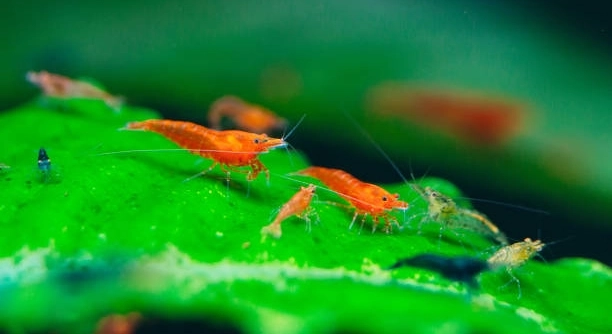
Observing shrimp in their natural habitat can be a relaxing and rewarding experience. Many people enjoy watching their shrimp move, forage, and interact with their surroundings quietly throughout the day.
Understanding natural shrimp behavior requires careful observation of their feeding, movement, and social interactions. Shrimp respond to environmental cues, light, and water conditions, and monitoring these factors can provide insights into their habits and overall wellbeing in captivity.
Learning how to notice these small behaviors will help you create a better environment for your shrimp and appreciate their natural routines.
Setting Up the Right Environment
Shrimp feel most comfortable in a stable and natural environment. Start with a tank that mimics their natural habitat, including plants, hiding spots, and gentle water flow. Keeping the water temperature consistent is important, as sudden changes can stress shrimp and alter their behavior. A clean substrate, like fine gravel or sand, gives them a place to forage naturally. Lighting should be soft and follow a natural day-night cycle, which helps regulate their activity. Avoid overcrowding the tank; shrimp need space to explore and establish territories. Introducing decorations like moss, rocks, and driftwood provides hiding spots that reduce stress and encourage natural behaviors. Regular water changes and proper filtration maintain water quality and prevent harmful toxins from building up. Observing shrimp in a well-maintained tank allows you to see their natural feeding patterns, molting process, and social interactions more clearly. Attention to these details helps shrimp thrive and stay active.
A stable and natural tank setup is essential for observing shrimp behavior accurately. Proper water conditions, hiding spots, and minimal stress support healthy activity patterns.
Maintaining an environment that feels natural to shrimp requires more than just water quality. It is important to consider tank layout, plant selection, and hiding areas. Shrimp explore constantly, and a well-arranged tank lets you watch them forage, molt, and interact naturally. Using live plants like Java moss or Anubias gives shrimp surfaces to graze on and helps maintain water quality. Driftwood and rocks provide shelter and reduce stress, which encourages more visible behaviors. Consistent water temperature and soft lighting help regulate their day-night activity, making it easier to observe patterns without interference. Overcrowding can lead to competition and stress, so keep numbers appropriate for the tank size. A thoughtful setup not only benefits shrimp health but also makes observing them more enjoyable. With time and patience, you can notice subtle behaviors like antennae movements, feeding methods, and social hierarchies that are otherwise easy to miss in a crowded or poorly arranged tank.
Watching Feeding Behavior
Shrimp show clear patterns when feeding, often moving slowly and grazing on surfaces.
Observing feeding behavior can reveal much about shrimp health and preferences. Feed small amounts and notice which areas they prefer. They may pick at plants, algae, or specialized foods, showing individual tastes and activity levels. Consistent observation helps you recognize normal feeding patterns and detect changes that could indicate stress or illness. Recording feeding times and responses provides insights into their daily rhythm.
Shrimp spend much of their day searching for food, picking at algae, biofilm, or sinking pellets. Watching closely, you can see how some shrimp are more active, while others hide and graze quietly. They often use their tiny claws to clean surfaces and gather particles. Molting shrimp may eat less, while healthy shrimp display rapid, precise movements when feeding. Observing interactions during feeding can also show social behavior, like gentle competition or avoidance. Noticing which areas of the tank are favored helps adjust feeding locations and amounts. Regular observation ensures shrimp are eating properly, prevents waste, and allows you to intervene if any shrimp show signs of illness. Over time, watching feeding becomes a reliable way to understand their habits and maintain a thriving aquarium.
Observing Molting Behavior
Molting is a critical process where shrimp shed their exoskeleton. During this time, they hide more and eat less.
Molting happens regularly as shrimp grow, and it is important to provide plenty of hiding spaces. Soft plants, moss, and small caves allow shrimp to molt safely without being disturbed. Stress during molting can lead to incomplete shedding or injury. Some shrimp will eat their old exoskeleton to reclaim nutrients, which is natural. Observing the frequency and duration of molting gives insight into shrimp health and growth rates. A calm, stable tank encourages successful molts and reduces stress.
Watching molting closely helps identify potential issues early. Shrimp may show slowed movement or spend extended periods under leaves or decorations before shedding. Healthy shrimp return to normal activity soon after molting, while weak or stressed individuals may struggle. Water quality, temperature, and diet all influence molting success. Keeping a consistent routine, providing calcium-rich foods, and ensuring safe hiding spots supports natural molting behavior. Monitoring these signs helps maintain a thriving shrimp population and allows you to intervene quickly if problems arise.
Tracking Social Interactions
Shrimp communicate subtly through movement and body language. They often cluster or avoid others based on comfort levels.
Social behaviors include foraging together, following, or gently nudging each other. Dominance hierarchies may form, with some shrimp claiming preferred hiding spots or feeding areas. Observing these interactions helps understand group dynamics. Recognizing aggressive behavior early prevents stress and injury among shrimp.
Group behavior can also indicate environmental comfort. Shrimp that interact frequently and show synchronized grazing patterns are usually healthy and unstressed. Solitary or hidden shrimp may be molting, stressed, or unwell. Watching how shrimp share resources or respond to newcomers provides valuable insight into tank balance. Over time, patterns of pairing, clustering, or avoidance become predictable, helping maintain a peaceful and stable aquarium. Understanding social structure aids in adjusting tank layout, feeding schedules, and population density for optimal shrimp wellbeing.
Recognizing Hiding Spots
Shrimp naturally seek shelter in plants, moss, and small crevices. Hiding helps them feel safe and reduces stress.
Frequent hiding is normal, especially during molting or when new shrimp are introduced. Observing where shrimp choose to hide can indicate preferred tank areas and comfort levels.
Watching Antennae Movements
Shrimp use their antennae to explore surfaces, detect food, and sense other shrimp. Slow, deliberate movements often indicate calm behavior, while rapid twitching can signal alertness or stress.
Noting Swimming Patterns
Shrimp may swim across open areas or hover near surfaces. Tracking movement shows their activity levels and overall health, helping identify any behavioral changes that could indicate environmental issues or stress.
FAQ
How often should I feed my shrimp?
Shrimp generally do well with small, frequent feedings. Offering food once or twice a day in small amounts prevents overfeeding and helps maintain water quality. Shrimp will graze throughout the day, so providing a variety of foods like algae wafers, blanched vegetables, and specialized shrimp pellets keeps them healthy and active. Observing how much they consume during each feeding helps you adjust portions. Overfeeding can lead to leftover food decomposing in the tank, which may stress shrimp and harm water conditions.
Why do shrimp hide so much?
Hiding is a natural behavior, especially during molting. Shrimp feel vulnerable when shedding their exoskeleton and seek shelter to avoid stress or potential aggression from tankmates. Even healthy shrimp will hide periodically when exploring or resting. Dense plants, moss, and decorations provide secure spaces. Watching where shrimp hide helps you understand their comfort zones and preferred areas in the tank. Changes in hiding patterns can indicate stress, illness, or changes in the tank environment.
What is normal molting behavior?
Molting is when shrimp shed their exoskeleton to grow. Before molting, they often hide more and may stop eating temporarily. After shedding, they sometimes consume their old exoskeleton to reclaim nutrients. Molting frequency depends on species, age, and water conditions. Younger shrimp molt more frequently than adults. Observing molting behavior helps track growth rates and overall health. Proper water quality, adequate hiding spots, and a nutritious diet are essential to support successful molts and prevent injuries or incomplete shedding.
How can I tell if my shrimp are stressed?
Signs of stress include excessive hiding, reduced feeding, erratic swimming, and rapid antennae movement. Stress can result from poor water quality, sudden temperature changes, overcrowding, or aggressive tankmates. Monitoring daily behavior helps identify issues early. Adjusting tank conditions, maintaining stable parameters, and providing hiding spaces reduce stress.
Why do shrimp flick their tails?
Tail flicking is a quick defensive response. Shrimp use it to escape perceived threats or move suddenly. Occasional flicking is normal, but frequent, repeated flicking can indicate stress, poor water quality, or discomfort. Observing patterns and correlating with other behaviors helps identify potential problems in the tank.
Do shrimp interact with each other?
Yes, shrimp display social behaviors such as following, clustering, or gentle nudging. Some species form hierarchies, with dominant shrimp occupying prime feeding or hiding spots. Watching interactions helps understand group dynamics. Aggressive behavior is usually mild but should be monitored to prevent injury, especially in smaller tanks.
Can I tell if shrimp are healthy by their color?
Vibrant, consistent color usually indicates good health. Pale or translucent shrimp may be stressed, malnourished, or preparing to molt. Observing changes over time, alongside behavior and feeding patterns, provides a better understanding of their overall condition. Proper diet and stable water conditions help maintain natural coloration.
How do I encourage natural behavior in shrimp?
Providing a tank that mimics natural habitats, including plants, moss, driftwood, and hiding spaces, encourages exploration and grazing. Stable water parameters, a gentle flow, and soft lighting support daily routines. Watching shrimp in a comfortable environment allows them to exhibit foraging, molting, and social behaviors naturally.
Why do shrimp sometimes eat their exoskeleton?
After molting, shrimp may consume their shed exoskeleton to reclaim calcium and nutrients. This is normal and supports healthy growth. Ensuring adequate calcium in the diet and water helps molting success and reduces reliance on exoskeleton consumption for nutrients.
What should I do if a shrimp seems sick?
Signs of illness include lethargy, discoloration, unusual swimming, or lack of appetite. Isolate affected shrimp if possible and check water parameters. Providing a clean environment, stable temperature, and a proper diet can aid recovery. Observing daily behavior is key to identifying problems early and preventing further stress or disease in the tank.
Observing shrimp behavior can be a quiet and rewarding part of maintaining an aquarium. Paying attention to how shrimp move, feed, and interact with their environment provides insight into their health and comfort. Simple practices, like keeping water conditions stable, maintaining a clean tank, and providing adequate hiding spots, go a long way in supporting natural behavior. Over time, noticing patterns in feeding, swimming, and molting becomes easier, and you start to recognize what is normal for your specific shrimp. Even small details, such as the way they pick at surfaces or move their antennae, can reveal a lot about how they feel. A consistent and gentle approach helps shrimp feel secure, which allows their natural routines to be more visible and predictable.
Providing the right environment is key to understanding shrimp behavior. Plants, moss, and soft decorations give them places to explore and hide, reducing stress and encouraging natural activity. Tank size and population density also play an important role in how shrimp behave. Overcrowding can lead to competition and increased hiding, while a properly sized tank allows for free movement and social interaction. Regular monitoring of water temperature, pH, and cleanliness ensures a healthy habitat where shrimp can thrive. Paying attention to these environmental factors not only supports the physical health of shrimp but also allows for more accurate observation of their natural habits. A well-maintained tank becomes a place where shrimp can grow, molt safely, and show typical behaviors without constant interference or stress.
Consistent observation and careful care make shrimp keeping more fulfilling and enjoyable. By understanding their feeding habits, molting patterns, and social interactions, you can better anticipate their needs and respond to changes. Noticing shifts in activity or behavior early allows for timely adjustments to the environment or diet. Over time, observing shrimp helps develop a deeper appreciation for their small but fascinating behaviors. Even minor changes in how they interact with the tank, with each other, or with food can indicate shifts in health or comfort. With patience and attention, shrimp keeping becomes more than just maintaining a tank—it becomes a way to quietly observe and understand living creatures in a way that is both simple and satisfying.

Hello,
If you enjoy the content that we create, please consider saying a "Thank You!" by leaving a tip.
Every little bit helps us continue crafting quality advice that supports the health, happiness, and well-being of pets around the world, for pets of all shapes, sizes, and species.
We really appreciate the kindness and support that you show us!