
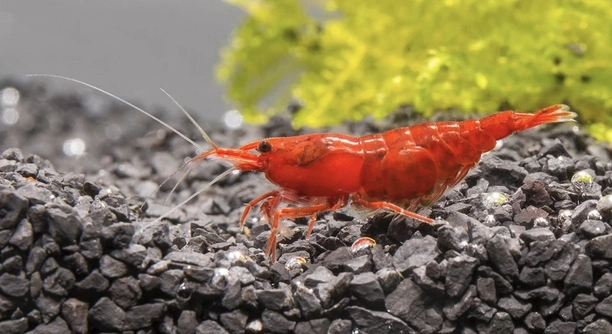
Have you noticed your cherry shrimp moving less than usual in your tank? Sometimes they appear sluggish or hide for long periods, leaving you unsure if something is wrong or if they are simply resting quietly.
Cherry shrimp often become inactive due to water quality issues, improper temperature, or stress from overcrowding and sudden environmental changes. Ensuring stable conditions and proper care helps maintain their natural activity and overall health.
Observing their environment carefully can reveal small but important signs that explain their quiet behavior in the aquarium.
Water Quality and Its Impact
Poor water conditions are the most common reason cherry shrimp become inactive. High ammonia, nitrite, or nitrate levels can stress them quickly. Even minor fluctuations in pH or hardness can affect their comfort. I learned that testing the water weekly helps catch problems early. Filters must be maintained and cleaned regularly to keep the water safe. Temperature changes also play a role. A stable range of 72-78°F is ideal, as sudden drops or spikes can make shrimp hide and stop moving. In addition, overcrowding can increase waste and reduce oxygen levels, further discouraging activity. Providing plants and hiding spots can reduce stress and encourage natural behavior. Soft plants like moss or floating plants create safe areas while improving water quality. Feeding should be balanced and not excessive, since leftover food decomposes and worsens water parameters. Monitoring tank conditions consistently prevents long periods of inactivity and keeps shrimp healthy.
Maintaining clean, stable water supports shrimp activity and ensures they thrive instead of hiding or resting constantly.
Even with ideal water, shrimp may react slowly at first if they were previously stressed. Observing them during feeding or when exploring plants can help you spot improvement. Gradual acclimation after changes in water or tank setup helps them regain confidence. Patience is key, as shrimp respond slowly compared to fish.
Temperature and Tank Environment
Temperature swings make shrimp hesitant to move and explore.
Keeping a stable temperature is essential for activity. Sudden changes in the tank can make them hide and reduce feeding. Consistent warmth ensures proper metabolism and encourages natural swimming patterns.
Tank setup affects shrimp comfort beyond temperature. Plants, rocks, and hiding spaces give them security, while open spaces allow swimming. Overcrowding stresses them and reduces movement. Using a gentle filter prevents strong currents that may tire or scare shrimp. Lighting impacts behavior too; bright light can cause hiding, while low to moderate lighting encourages activity. Substrate choice matters, as smooth surfaces are easier to navigate. Feeding schedule consistency signals safety, encouraging more movement. Observing shrimp in different parts of the tank helps identify preferred spots and conditions. By adjusting these factors, shrimp gradually regain normal activity, moving freely and feeding normally. Changes should be incremental to prevent shock, and water testing remains essential alongside environmental adjustments to maintain their overall well-being.
Diet and Nutrition
A poor diet can leave cherry shrimp low on energy and inactive. Feeding too little or offering unbalanced food reduces their natural movement. Variety and regular feeding are essential for their health and activity.
Shrimp need a mix of algae, biofilm, and specialized shrimp pellets to stay active. I noticed that when I added blanched vegetables like zucchini or spinach, my shrimp became more lively. Overfeeding can also harm them by polluting the water, which in turn stresses them. Observing how much they eat and removing uneaten food helps maintain both their health and tank cleanliness. Providing occasional treats like daphnia or tiny frozen foods can encourage activity and mimic natural foraging behavior. A consistent feeding routine trains shrimp to explore the tank and stay energetic, improving both their movement and visibility in the aquarium.
Supplementing their diet with calcium-rich foods supports molting, which directly affects energy levels. Without proper nutrition, shrimp may remain hidden or sluggish for longer periods. Introducing small portions gradually prevents water quality issues and ensures each shrimp gets its share. Watching their response after dietary changes helps determine what works best for maintaining lively behavior, while a balanced diet strengthens their immune system, reducing inactivity caused by stress or illness.
Stress and Social Behavior
Stress significantly reduces shrimp activity.
Aggressive tank mates, overcrowding, and sudden changes in the tank can make shrimp hide and remain still. A calm environment encourages movement and feeding.
Social interactions influence how active shrimp are. Cherry shrimp are naturally peaceful and thrive in groups, but overcrowding can cause competition for food and hiding spots, leading to stress. I found that separating overly curious or aggressive fish from shrimp helped reduce tension. Stress can also arise from sudden water changes or additions of new plants or decorations. Gradual adjustments and observing shrimp behavior during these changes ensures minimal disruption. Providing sufficient plants and hiding places reduces territorial disputes and allows shy shrimp to feel safe, encouraging them to move and explore more often. Consistency in care routines, feeding times, and gentle tank maintenance supports a calmer, more active shrimp population overall.
Molting and Growth
Molting is a natural process where shrimp shed their old exoskeleton. During this time, they become very inactive and often hide to stay safe from potential threats. Observing hiding behavior can indicate a molting period rather than illness.
After molting, shrimp may remain still while their new exoskeleton hardens. Providing calcium-rich foods and maintaining stable water conditions helps them recover quickly. I noticed that adding cuttlebone to the tank improved their molting success and reduced prolonged inactivity. Ensuring plenty of hiding spots allows shrimp to feel secure and complete the process without stress, which is crucial for healthy growth and activity.
Lighting Conditions
Lighting affects shrimp activity directly. Too bright light can stress them, while moderate lighting encourages natural movement and exploration.
Age and Life Stage
Younger shrimp tend to be more active, while older shrimp slow down naturally. Observing activity in relation to age helps set realistic expectations for their behavior.
Disease and Parasites
Illness can cause shrimp to remain inactive. Poor water conditions or contaminated food may introduce bacteria or parasites. Monitoring for unusual spots, discoloration, or lethargy can help catch problems early and improve survival.
FAQ
Why are my cherry shrimp hiding most of the time?
Hiding is normal during stress, molting, or when water conditions are less than ideal. I noticed my shrimp hide after water changes or when adding new decorations. Providing plenty of plants and hiding spots helps them feel secure and encourages activity without forcing them out.
How often should I feed cherry shrimp?
Feeding once a day is usually enough. Too much food pollutes the water and stresses the shrimp, while too little slows their activity. I stick to small portions that they can consume within a few hours and remove any leftovers promptly.
What water parameters keep shrimp active?
Stable temperature, pH between 6.5 and 7.5, low ammonia, nitrite near zero, and nitrates below 20 ppm are ideal. I keep a thermometer and test kits handy to monitor conditions. Stability encourages natural movement and reduces hiding behavior.
Can tank mates affect shrimp activity?
Yes, aggressive or large fish can scare shrimp and limit their movement. I observed that after separating my shrimp from curious fish, they became more active and fed regularly. Peaceful, small species work best in the same tank.
How does molting affect behavior?
Shrimp are extremely inactive before and after molting. They hide to protect themselves while their new exoskeleton hardens. Calcium-rich foods and a secure environment help them recover faster. After molting, activity gradually returns as they feel safer and stronger.
Why do shrimp move less at night or in low light?
Cherry shrimp are naturally sensitive to light. Dim lighting or nighttime encourages hiding and resting, while moderate daytime light promotes foraging and swimming. I noticed adding floating plants softens light and increases daytime activity without stressing them.
What role does diet play in activity?
A balanced diet including algae, biofilm, vegetables, and shrimp pellets ensures energy for movement. I noticed shrimp were sluggish until I added occasional blanched zucchini and spinach. Variety encourages foraging, keeps them busy, and prevents inactivity caused by poor nutrition.
Do temperature changes affect shrimp activity?
Yes, rapid temperature drops or spikes stress shrimp and make them hide. Keeping the tank between 72-78°F stabilizes metabolism and encourages swimming. I use a reliable heater and monitor fluctuations closely to prevent sudden inactivity.
How can I tell if inactivity is due to disease?
Signs include lethargy, unusual spots, discoloration, or not eating. I separate sick shrimp immediately to prevent spreading and check water quality. Early detection and clean water are essential to help them recover and regain activity.
Will older shrimp naturally move less?
Yes, aging shrimp slow down over time. I noticed my older shrimp resting more often but still eating and exploring occasionally. Providing proper care and avoiding stressors keeps them comfortable, even if they are naturally less active than younger shrimp.
Can changing decorations affect shrimp behavior?
Yes, rearranging plants, rocks, or substrate can stress shrimp temporarily. I try to make small adjustments and monitor their response. Gradual changes allow them to explore safely and prevent prolonged hiding.
How long should I wait for inactive shrimp to recover?
Recovery depends on cause. After molting, a day or two may be enough. Stress from water changes or diet adjustment may take several days. Patience and stable care are essential. I track their activity daily to notice improvements and adjust care as needed.
Is inactivity always a sign of a problem?
Not always. Shrimp naturally rest, hide during molting, or respond to light. Observing overall behavior, feeding patterns, and water conditions helps distinguish normal rest from stress or illness. I learned that understanding their habits prevents unnecessary worry and keeps care consistent.
How can I encourage more activity?
Providing hiding spaces, stable water, balanced diet, and moderate lighting encourages movement. I found that adding moss and floating plants not only makes the tank look natural but also gives shrimp safe areas to explore, boosting their confidence and activity levels.
Are baby shrimp more active than adults?
Yes, juveniles are generally more active and curious. I noticed they swim around constantly while searching for food. Providing safe, shallow areas for them prevents accidents and allows them to grow without hiding excessively, keeping activity higher during early life stages.
Can water changes affect shrimp behavior?
Sudden, large water changes can stress shrimp and reduce activity. I perform partial, gradual changes while matching temperature and parameters to avoid shocking them. This approach maintains health and keeps them exploring rather than hiding.
Does substrate type matter for activity?
Smooth or fine substrates make it easier for shrimp to move and forage. Rough or sharp gravel can stress them and reduce activity. I switched to a soft substrate and observed more confident swimming and feeding behavior, especially among shy shrimp.
How important is tank size for activity?
Larger tanks allow more swimming space and territories, reducing stress and encouraging movement. Overcrowded or small tanks limit exploration. I noticed shrimp in a spacious tank move more and spend time in open areas, showing better natural behavior than in cramped conditions.
Can seasonal changes affect activity?
Yes, slight seasonal temperature fluctuations and lighting changes can influence shrimp behavior. I adjust light duration and monitor temperature to maintain consistent activity. Even small environmental variations can cause temporary hiding or rest periods.
How do I know if inactivity is permanent or temporary?
Temporary inactivity is usually linked to molting, diet, or stress. Permanent inactivity often accompanies illness or severe water issues. Observing patterns, water tests, and feeding behavior helps distinguish between temporary hiding and serious problems requiring intervention.
Caring for cherry shrimp requires attention to small details that greatly affect their activity and overall health. Observing their behavior regularly is important because it gives clues about their comfort and well-being. Inactive shrimp are not always sick, but consistent hiding or sluggish movement can indicate issues with water quality, temperature, diet, or stress. Keeping track of feeding habits, swimming patterns, and hiding behavior helps identify what is normal for your tank and what needs adjustment. Even small changes in water parameters or environment can make a noticeable difference in how lively your shrimp are. By understanding their needs, it becomes easier to maintain a stable tank that supports natural movement and healthy shrimp growth.
Water quality is one of the most important factors influencing shrimp activity. Maintaining clean, stable water with proper temperature, pH, and low ammonia, nitrite, and nitrate levels encourages natural behavior. I found that regular testing and careful adjustments prevent prolonged inactivity caused by stress or illness. Overfeeding, sudden water changes, and aggressive tank mates can also reduce activity, so careful planning and monitoring are essential. Providing plenty of plants, hiding spots, and a safe substrate allows shrimp to feel secure while exploring. A balanced diet with varied foods ensures energy for movement, molting, and growth. Gradual environmental changes, consistent feeding, and close observation of water conditions all contribute to healthier, more active shrimp over time.
Patience and observation are key when dealing with inactive shrimp. They naturally rest, hide during molting, or respond to lighting and temperature conditions. Not every period of inactivity is a cause for concern, but consistent patterns should be addressed. Paying attention to their environment, providing safe spaces, maintaining balanced nutrition, and keeping water conditions stable helps them regain activity. Each shrimp is different, and activity levels vary with age, health, and tank conditions. I learned that small adjustments in diet, lighting, and tank setup often improve movement and confidence. By creating a secure, stable, and well-maintained habitat, cherry shrimp can thrive and display their natural behaviors, allowing you to enjoy their activity and beauty in the tank.

Hello,
If you enjoy the content that we create, please consider saying a "Thank You!" by leaving a tip.
Every little bit helps us continue crafting quality advice that supports the health, happiness, and well-being of pets around the world, for pets of all shapes, sizes, and species.
We really appreciate the kindness and support that you show us!