
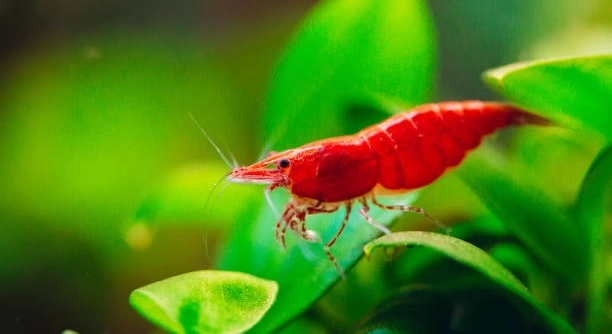
Have you ever noticed that some shrimp in your tank grow faster than others, leaving a mix of tiny and large shrimp side by side? Uneven growth can be frustrating, especially when you are trying to maintain a healthy, balanced colony.
Uneven shrimp growth is primarily caused by differences in water quality, nutrition, genetics, stress, and tank conditions. Each factor influences molting, feeding efficiency, and overall health, ultimately leading to disparities in size among individuals within the same population.
Learning the main causes can help you create a more consistent environment. Paying attention to these details ensures healthier shrimp and a more balanced aquarium overall.
Water Quality Issues
Shrimp are very sensitive to their environment. Poor water quality can slow growth or even stop it completely. High levels of ammonia, nitrites, or nitrates are harmful and can stress shrimp. pH and temperature fluctuations also affect molting and feeding. Even small changes can make a big difference over time. Consistent water changes and testing are important. Filtration helps keep the water clean, but it must be balanced so it doesn’t create strong currents that stress the shrimp. Tap water often contains chemicals like chlorine or chloramine, which should be removed with a proper conditioner. Hardness levels also play a role in growth. Soft water can slow molting, while very hard water may affect survival. Maintaining stable conditions allows shrimp to grow evenly, reduces disease risk, and improves breeding success. Observing shrimp behavior can help detect early signs of water problems before they impact growth.
Proper water care ensures shrimp can thrive and reach their potential size naturally.
Even small water imbalances can stress shrimp over weeks, affecting feeding patterns, molting cycles, and overall health. Monitoring levels and making gradual adjustments can prevent uneven growth and support a more uniform colony.
Nutrition and Feeding
Shrimp need a balanced diet to grow at a steady rate. Low-quality food or inconsistent feeding can leave some shrimp smaller than others. They require a mix of protein, minerals, and vegetables to support molting and energy needs. Overfeeding can pollute the tank, while underfeeding slows growth. Shrimp also pick on different food types based on size and activity level, which can create differences in growth. Powdered foods and algae supplements help smaller shrimp access nutrition they might miss otherwise. Live or frozen foods, like brine shrimp, provide extra protein for faster development. Rotating foods keeps shrimp interested and ensures they get a full range of nutrients. Uneven feeding can be managed by scattering food in multiple spots or using feeding stations to make sure all shrimp get a share. Feeding consistency combined with proper water care produces healthier, more uniform shrimp.
Paying attention to what and how you feed shrimp significantly affects their growth.
Providing a varied diet with careful portioning improves growth across the colony. Shrimp can compete less for food, molting occurs more regularly, and differences in size become less noticeable over time.
Genetics
Genetics influence how fast shrimp grow. Some shrimp naturally mature slower, while others reach full size quickly. Differences in lineage can create size variations within the same tank.
Even in the same conditions, shrimp with different genetic backgrounds may grow unevenly. Selective breeding emphasizes certain traits like color or size, which can unintentionally affect growth rates. Some shrimp carry genes for slower molting or smaller body structure. When shrimp of varying genetic potential are housed together, the differences become more noticeable. Over time, this can lead to a tank where some shrimp remain tiny, while others outgrow the average size. Genetic factors cannot be changed after birth, so recognizing their impact is important for managing expectations. Breeding programs that mix compatible lines can help reduce extreme size differences and support a healthier colony.
Understanding the genetic component helps explain why some shrimp lag behind despite proper care. Focusing on genetics alongside environment and nutrition creates a more balanced growth outcome across the population.
Stress and Tank Environment
Stress slows shrimp growth. Crowding, sudden water changes, or aggressive tankmates create tension that affects molting and feeding.
Shrimp exposed to stress often hide more and eat less. Even minor disturbances, like frequent handling or rearranging decorations, can trigger stress. Constant stress suppresses immune function and reduces energy available for growth, leading to uneven sizes. Shrimp need calm, stable conditions to develop properly. Environmental enrichment like hiding spots helps reduce stress. Monitoring behavior and tank conditions is essential to identify stressors early.
A stable environment with consistent water, sufficient hiding places, and peaceful tankmates allows shrimp to focus on growth. Stress reduction encourages regular molting, better feeding habits, and a more uniform colony appearance over time.
Molting Problems
Molting is essential for shrimp growth. If shrimp have difficulty shedding their exoskeleton, they will stop growing and appear smaller than others.
Calcium and mineral deficiencies often cause molting issues. Poor water conditions or low-quality food can also prevent successful molts, creating uneven growth among tank inhabitants.
Tank Size and Space
Shrimp need enough space to move, feed, and molt properly. Overcrowding increases competition for food and hiding spots, slowing growth. Tanks that are too small also cause stress, which impacts health and molting. Providing adequate space ensures shrimp can develop evenly and reduces aggression, helping maintain a balanced colony.
Disease and Parasites
Shrimp infected with disease or parasites often grow slower. Illness reduces appetite, weakens the body, and interrupts normal molting cycles. Detecting and treating health issues quickly is essential to prevent uneven growth and ensure all shrimp remain healthy and active.
Why are some of my shrimp smaller than others?
Shrimp size differences often come down to genetics, diet, and water conditions. Even if all shrimp are the same age, some grow faster because of natural genetic variation. Others may lag behind if they don’t get enough food or if water parameters fluctuate. Smaller shrimp may also be stressed by tankmates or poor hiding spots, which reduces their feeding opportunities and slows molting. Maintaining stable water, providing balanced nutrition, and giving shrimp enough space helps reduce extreme size differences over time.
Can water changes improve uneven growth?
Yes, regular water changes help maintain stable conditions, which is essential for consistent shrimp growth. Uneven growth often occurs in tanks where ammonia or nitrite spikes go unnoticed or where water hardness fluctuates. Consistent water replacement removes toxins, balances pH, and replenishes minerals needed for molting. Over time, shrimp experience less stress and feed more efficiently, which allows slower growers to catch up. Water changes also reduce the risk of disease, which can disproportionately affect smaller or weaker shrimp.
How does diet affect shrimp growth differences?
Shrimp need a mix of protein, minerals, and plant matter to grow evenly. High-protein foods promote faster molting, while mineral-rich foods strengthen the exoskeleton. If some shrimp eat more than others, size differences appear. Feeding smaller shrimp with powdered or finely crushed food ensures they get enough nutrition. Rotating food types keeps all shrimp interested and helps prevent competition from creating uneven growth. Overfeeding should be avoided because decaying food can harm water quality and stress the colony, which slows growth for everyone.
Do tankmates affect shrimp growth?
Yes, aggressive or larger tankmates can stress smaller shrimp. Stress reduces feeding and molting, which slows growth. Even peaceful fish can outcompete shrimp for food, leaving the smaller individuals behind. Providing hiding spots and visual barriers allows weaker shrimp to access food safely and molting to occur without disturbance. Shrimp-only tanks or carefully chosen tankmates help ensure all shrimp have a chance to grow evenly. Reducing stress and competition is one of the simplest ways to improve uniform growth in a colony.
How important is tank stability for shrimp growth?
Tank stability is crucial. Sudden changes in temperature, pH, or hardness can halt molting and cause uneven growth. Even small fluctuations stress shrimp, slowing their metabolism and appetite. Stable tanks encourage regular molting cycles and consistent feeding behavior. Using reliable equipment like heaters, filters, and test kits allows you to monitor conditions closely. Shrimp thrive when the environment remains predictable, making stability one of the most effective ways to maintain a uniform colony.
Can molting problems cause uneven growth?
Absolutely. Molting is the process shrimp use to grow, and any issue here will directly affect size. Calcium or mineral deficiencies, poor water quality, or stress can cause incomplete molts. Shrimp that fail to molt regularly remain small while others grow normally. Ensuring proper nutrition, minerals, and hiding spots for safe molting can correct growth disparities. Observing shrimp during molt periods helps detect problems early and allows interventions before uneven growth becomes severe.
Is selective breeding useful for uniform shrimp growth?
Selective breeding can help reduce size variation over generations. By choosing fast-growing, healthy shrimp as breeders, you can gradually produce offspring that grow more consistently. However, genetics still play a role, so even with careful selection, some variation will remain. Breeding programs should also focus on maintaining colony health and resilience, not just size. Pairing compatible lines reduces extreme differences and ensures shrimp populations remain balanced and strong.
How do diseases or parasites impact growth?
Diseases and parasites weaken shrimp, reduce appetite, and interrupt molting cycles. Infected shrimp often stop eating and become smaller than healthy tankmates. Early detection is essential. Observing shrimp behavior, checking water quality, and quarantining new arrivals helps prevent infections. Treating affected shrimp promptly can allow them to recover, while maintaining proper nutrition and water conditions supports regrowth.
Can overcrowding cause uneven growth?
Yes, overcrowding increases competition for food, space, and hiding spots. Larger shrimp may dominate feeding areas, leaving smaller shrimp undernourished. Stress from crowding slows metabolism and molting, causing size gaps. Providing adequate tank space, adding plants, and using feeding stations ensures all shrimp have access to resources and reduces size differences.
What is the fastest way to encourage uniform growth?
The most effective approach combines stable water, balanced nutrition, low stress, and sufficient space. Observing shrimp behavior, feeding small shrimp individually if needed, and maintaining proper mineral levels supports regular molting and growth. Consistency is key, as gradual improvements lead to a more uniform and healthy colony over time.
Maintaining a healthy shrimp colony takes attention to several key factors. Uneven growth is a common issue, but it can usually be managed by focusing on water quality, nutrition, and stress reduction. Shrimp are sensitive to changes in their environment, and small fluctuations in temperature, pH, or hardness can slow molting and feeding. Regular water testing and consistent water changes are essential to keep these conditions stable. Proper filtration is also important, but it should not create strong currents that stress the shrimp. Providing hiding spots and plants can make shrimp feel safe and allow smaller individuals to feed and molt without disturbance. Over time, consistent care helps all shrimp develop more evenly and reduces size differences within the tank.
Nutrition plays a major role in growth. Shrimp require a balanced diet with proteins, minerals, and plant matter to support regular molting and overall health. Uneven growth often occurs when some shrimp cannot access food or when diet is lacking in essential nutrients. Powdered foods or finely crushed foods help smaller shrimp get enough nutrition, while rotating different food types ensures all shrimp receive a full range of nutrients. Overfeeding should be avoided because uneaten food can decay and harm water quality, adding stress to the colony. Including occasional live or frozen foods can give shrimp extra protein and encourage faster growth. A consistent feeding schedule combined with careful portioning helps create a more balanced colony and reduces size disparities over time.
Genetics and tank conditions also influence growth, but these factors can be managed. Some shrimp naturally grow slower or have smaller body structures, and these traits cannot be changed. However, by keeping the tank environment stable, reducing stress, and providing sufficient space and food, even shrimp with slower genetics can reach healthy sizes. Stress from overcrowding, aggressive tankmates, or frequent disturbances can also slow growth, so it is important to provide a calm environment. Observing shrimp behavior regularly helps identify problems early, allowing adjustments before they impact the colony too severely. Disease and parasites can further reduce growth, so monitoring shrimp health and taking action when needed is essential. By addressing water quality, nutrition, stress, and space, it is possible to support a more uniform, healthy shrimp population that thrives over time.

Hello,
If you enjoy the content that we create, please consider saying a "Thank You!" by leaving a tip.
Every little bit helps us continue crafting quality advice that supports the health, happiness, and well-being of pets around the world, for pets of all shapes, sizes, and species.
We really appreciate the kindness and support that you show us!