
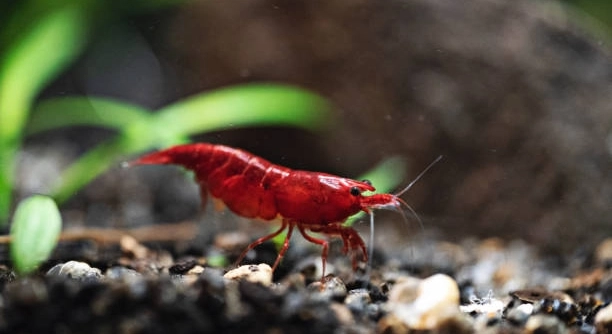
Caring for cherry shrimp invites a gentle curiosity about their ideal living space, and understanding how they adapt to different aquarium setups helps create a stable home that supports their growth, comfort, and overall wellbeing.
Cherry shrimp can live successfully in bare bottom tanks because the simplified environment supports easier maintenance, stable water parameters, and waste monitoring. Adding plant cover or decor increases security, encourages natural behaviors, and maintains their overall health and long-term stability.
Learning how these adaptable shrimp respond to simplified habitats offers insight into creating a supportive environment that nurtures their wellbeing.
Benefits of a Bare Bottom Setup
Keeping cherry shrimp in a bare bottom tank can feel surprisingly calming because the layout stays clean and easy to manage, allowing their colors and movements to stand out clearly. This setup removes excess debris traps, making maintenance simple and reducing the chance of issues that can develop unnoticed in deeper substrate layers. Many shrimp keepers appreciate how quickly they can spot leftover food, monitor behavior, and adjust care without dealing with clutter. While the space may look minimal, it still supports healthy shrimp when paired with stable water conditions and thoughtful additions. Plants, mosses, and small pieces of hardscape help create cover and comfort, giving the shrimp safe places to explore and rest. With these elements in place, a bare bottom tank becomes a controlled environment that supports growth and reduces stress. It offers a practical way to enjoy shrimp care while keeping everything neat and easy to observe.
Shrimp in bare bottom tanks benefit from quick cleaning, clear visibility, and stable water conditions that support steady health. The simple surface allows fast waste removal and makes it easier to maintain consistent feeding routines that help reduce stress and encourage confident behavior throughout their daily activities in their habitat.
Adding structure to a bare bottom tank is an effective way to give cherry shrimp a sense of comfort without sacrificing cleanliness. Plants, moss walls, and small hardscape pieces offer shelter and surfaces for biofilm, which supports natural grazing. Even minimal additions can help the shrimp feel more secure, improving their activity levels and overall balance. This approach keeps the space easy to clean while still offering enough texture for natural behavior. With thoughtful placement, the tank remains organized but still provides interest, giving the shrimp a space that feels stable and inviting as they explore, forage, and interact freely.
Water Quality Considerations
Maintaining steady water quality in a bare bottom tank plays a key role in keeping cherry shrimp stable and active. Without substrate trapping debris, the tank stays manageable, allowing adjustments that protect their wellbeing and support consistent behavior through simple monitoring and regular upkeep that keeps everything balanced over time.
Water conditions determine how comfortable cherry shrimp feel, and a bare bottom tank simplifies the process of keeping their environment steady. Without substrate holding excess waste, the system reacts predictably to routine maintenance, making it easier to avoid sudden shifts that might disrupt their balance. Regular water changes help maintain clarity and prevent the buildup of substances that could irritate them or interfere with their natural behavior. Because the space is open and plain, any change becomes visible quickly, encouraging timely adjustments that support long term stability. Using gentle filtration further enhances their comfort by circulating water without overwhelming their small bodies. Some keepers also add floating plants or moss clumps because these elements provide shelter while still allowing the tank to remain easy to manage. With thoughtful care, the shrimp settle into calm movement patterns, steady feeding habits, and vibrant coloration. These conditions give them a dependable environment that supports healthy molting, active exploration, and predictable behavior, making a bare bottom setup a reliable option. This approach helps maintain consistency, reduces unnecessary complications, and offers a stable setting that allows their routines to thrive without disruption, giving keepers a method for supporting long term health in a simple space.
Feeding and Foraging Needs
Cherry shrimp rely on consistent access to light grazing surfaces, making it important to maintain enough biofilm within a bare bottom setup. Keeping small additions like moss or hardscape helps support natural feeding habits while still preserving the simplicity and cleanliness of the tank.
Providing balanced nutrition becomes easier when the tank floor stays visible and free of debris. You can quickly assess how much food remains after each feeding, preventing overeating and reducing waste that could disrupt stability. Offering a mixture of high quality shrimp foods, blanched vegetables, and occasional protein based treats supports their overall health. Biofilm remains essential, so incorporating plants, wood, or mesh surfaces gives them places to graze throughout the day. Maintaining these elements ensures they stay active and well nourished without complicating the straightforward care routine that a bare bottom tank provides.
A bare bottom layout also helps you establish predictable feeding patterns that keep your shrimp calm and steady. Their foraging becomes easier to observe, allowing adjustments that suit their activity level and growth. This setup reduces the chance of forgotten food hiding beneath substrate, which lowers the risk of water quality issues. Light additions such as leaf litter or small moss patches maintain biofilm production while still aligning with a clean design. With this approach, you support their natural grazing behavior and encourage healthy molting, stable energy levels, and visible comfort within the tank.
Aquascaping Choices for Comfort
Designing a bare bottom tank for cherry shrimp involves adding small, purposeful elements that create shelter without overwhelming the open layout. Items like mosses, driftwood, and simple rocks offer security, helping the shrimp feel settled while keeping their environment easy to maintain and monitor.
Thoughtful aquascaping provides benefits that support both the shrimp and the keeper. Adding textured surfaces helps develop biofilm, giving shrimp constant grazing areas that contribute to their daily activity. Minimal hardscape pieces create resting spots and gentle hiding places, easing stress while maintaining a clean aesthetic. Floating plants or moss balls can further soften the open layout, offering shade and subtle coverage. Keeping these additions light ensures water changes remain easy and debris stays visible for quick removal. This balance creates a stable environment where the shrimp can thrive with confidence, showing brighter coloration, steady movement, and relaxed behavior that reflects their comfort and wellbeing.
Filtration and Flow
Using gentle filtration keeps cherry shrimp comfortable by preventing strong currents that might disrupt their movement. A sponge filter works well because it offers safe intake, steady oxygenation, and a calm flow that supports their daily activity without overwhelming their small bodies or delicate feeding patterns.
Maintaining predictable water movement helps the shrimp feel secure, especially in a bare bottom tank where everything is visible. Gentle circulation keeps debris suspended for easy removal while protecting sensitive shrimp from stressful turbulence. This balance supports stable health and encourages natural behavior throughout the tank.
Lighting Needs
Soft lighting keeps cherry shrimp relaxed and helps maintain steady activity without creating unnecessary stress. Bright light can make them feel exposed in a bare bottom layout, so choosing moderate intensity helps them stay visible yet comfortable. Gentle lighting also supports healthy plant growth, which encourages biofilm production and natural grazing. With consistent timing and balanced brightness, the shrimp remain active, colorful, and secure, benefiting from an environment that feels calm and predictable.
Tank Mates
Selecting peaceful tank mates protects cherry shrimp from stress and supports stable behavior. Avoiding aggressive or fast fish prevents chasing, allowing the shrimp to forage and molt safely while maintaining comfort in their simplified environment.
FAQ
Can cherry shrimp survive without substrate?
Yes, cherry shrimp can survive and even thrive without substrate if the tank environment is carefully maintained. A bare bottom tank simplifies cleaning and allows for easy observation of food and waste. To support natural behavior, small amounts of moss, leaf litter, or hardscape can provide grazing surfaces and hiding spots. Regular water changes and gentle filtration help maintain water quality, preventing sudden changes that could stress shrimp. With careful monitoring, shrimp will remain healthy, active, and brightly colored even without a traditional substrate layer.
Do bare bottom tanks affect molting?
Molting is a delicate process for cherry shrimp, and a bare bottom tank does not inherently hinder it. The risk comes from a lack of secure hiding spaces. Adding moss, plants, or small rocks gives the shrimp places to hide during vulnerable periods. Stable water conditions, consistent feeding, and a clean tank floor reduce stress, making molts smoother. Bare bottom setups actually allow you to observe molting more closely and intervene if a shrimp struggles, helping prevent complications.
Is feeding different in a bare bottom tank?
Feeding in a bare bottom tank is more controlled because leftover food is easier to spot and remove. Cherry shrimp graze on biofilm, so adding small plants, moss, or decorative surfaces encourages natural feeding. Offering high-quality shrimp pellets, blanched vegetables, and occasional protein treats supports balanced nutrition. This setup prevents overfeeding, reduces waste buildup, and maintains cleaner water.
Do cherry shrimp feel stressed without substrate?
Stress depends more on available cover than substrate presence. Bare bottom tanks expose shrimp to open areas, so adding moss, plants, or small rocks provides comfort. Gentle water flow, stable parameters, and minimal disturbances reduce anxiety. Observing shrimp activity helps determine whether they feel secure or need more hiding spots.
How does water quality fare in bare bottom tanks?
Bare bottom tanks simplify water management by reducing places where waste can accumulate. Filtration and regular water changes maintain stability, preventing spikes in ammonia or nitrites. The open floor makes it easy to spot detritus, leftover food, or algae growth, allowing quick corrective action. Keeping temperature, pH, and hardness consistent ensures shrimp stay healthy, and minor adjustments are easier to manage than in heavily planted or substrate-filled tanks.
Can cherry shrimp breed in a bare bottom tank?
Breeding is possible with bare bottom tanks if conditions remain stable and adequate cover is present. Moss, floating plants, or leaf litter provide juvenile shrimp with hiding spaces to avoid predation and improve survival rates. Clean water, balanced nutrition, and low-stress surroundings support mating behavior and healthy offspring. Bare bottom setups allow breeders to monitor eggs and baby shrimp more effectively.
Is algae growth an issue in bare bottom tanks?
Algae growth is easier to control because surfaces are limited and visible. Plants, moss, and decor offer natural grazing areas for shrimp while keeping the rest of the tank clean. Light management and regular water maintenance prevent excessive algae buildup. Bare bottom tanks make cleaning algae simpler, which helps maintain a healthy environment and encourages shrimp to forage naturally.
Do bare bottom tanks reduce tank maintenance?
Yes, bare bottom tanks reduce the time and effort spent on cleaning. Waste can be siphoned quickly without disturbing substrate, and leftover food is easy to remove. While some moss or plants require care, overall maintenance is simpler. Water changes are faster, debris is visible, and monitoring shrimp health is more straightforward, making this setup convenient for anyone wanting a low-maintenance aquarium.
Are bare bottom tanks suitable for planted setups?
They can be, but full substrate isn’t present to anchor roots. Plants need to be attached to rocks, wood, or mesh, and floating or moss-based plants are ideal. This allows a planted environment without losing the advantages of bare bottom cleaning. Shrimp benefit from the cover and biofilm these plants provide, maintaining natural behavior and secure hiding spots while keeping the tank easy to manage.
Can I keep other species with cherry shrimp in a bare bottom tank?
Yes, but careful selection is key. Only peaceful, small fish or invertebrates are safe companions. Aggressive or fast species can stress or harm shrimp. A bare bottom setup makes shrimp more exposed, so providing moss, plants, or small decorations is essential to give them places to hide. Choosing compatible tank mates ensures a calm, thriving environment.
Do bare bottom tanks affect water temperature or chemistry?
The lack of substrate has minimal effect on chemistry, but it does make changes more noticeable. Water parameters need careful monitoring, as fluctuations impact shrimp directly. Temperature, pH, hardness, and ammonia levels must be stable. Bare bottom tanks allow easy observation and rapid adjustments, helping maintain a healthy, consistent environment without hidden pockets of waste affecting the water quality.
Is it harder to keep shrimp in a bare bottom tank long term?
Not if the environment is managed properly. The main considerations are providing cover, maintaining stable water conditions, feeding consistently, and avoiding aggressive tank mates. Bare bottom tanks simplify cleaning and monitoring, making it easier to detect issues early. With careful attention, cherry shrimp can live and breed successfully for many generations in this setup.
What is the best way to provide hiding spots?
Using moss, floating plants, leaf litter, or small rocks creates secure spaces for shrimp to rest, molt, and forage. These additions mimic natural environments without complicating cleaning. Even minimal structures help reduce stress, encourage natural behaviors, and provide areas for juveniles to survive and grow safely.
Do bare bottom tanks impact shrimp coloration?
Shrimp coloration is mostly influenced by diet, water quality, and stress levels rather than substrate presence. Bare bottom tanks allow easy monitoring of color and activity, which can help detect health issues early. Providing biofilm-rich surfaces, proper nutrition, and a calm environment encourages bright, vibrant coloration while maintaining a simple, clean tank setup.
Are bare bottom tanks more cost-effective?
They can be, as substrate is not required, reducing initial setup costs. Maintenance supplies are fewer, cleaning is easier, and fewer materials are needed for decoration. Adding minimal moss or plants keeps costs low while still supporting shrimp health and natural behavior. This setup balances simplicity with functionality for long-term care.
How do I encourage natural behavior in bare bottom tanks?
Adding small moss patches, floating plants, and textured hardscape encourages grazing, exploration, and hiding. Feeding in measured amounts, maintaining stable water, and gentle filtration support active and relaxed shrimp. Even in a simplified layout, these elements allow them to display natural movement, forage efficiently, and interact comfortably in their habitat.
What common mistakes should I avoid?
Overcrowding, aggressive tank mates, neglecting water quality, and providing no cover can cause stress or health issues. Avoid overfeeding, sudden water changes, or strong currents. Even in a bare bottom setup, maintaining balance, regular monitoring, and thoughtful additions ensures shrimp thrive while keeping care simple and manageable.
Can cherry shrimp adapt to a bare bottom tank if they were previously in substrate?
Yes, they can adapt if changes are gradual and the environment provides cover and stable water conditions. Monitor their behavior closely during the transition. Adding moss or small decorations helps them adjust without stress. Most shrimp acclimate well and continue normal foraging, molting, and breeding behavior.
How do I monitor shrimp health in a bare bottom tank?
Observation is easier without substrate. Look for consistent activity, proper feeding, healthy molting, and vibrant coloration. Clear floors allow quick detection of leftover food, debris, or illness. Adjustments to water, feeding, or tank structure can be made promptly, supporting long-term health and stable growth in a simplified environment.
Final Thoughts
Cherry shrimp are resilient and adaptable creatures, and a bare bottom tank can provide a stable and manageable environment when properly maintained. While it may seem minimal compared to traditional substrate setups, this type of tank offers distinct advantages that support their health and daily behavior. Cleaning becomes straightforward, as waste and leftover food are easy to spot and remove, helping prevent water quality issues that could harm the shrimp. The simplicity of the layout allows for close observation, making it easier to monitor feeding, molting, and overall activity. Small additions, like moss, leaf litter, or pieces of driftwood, can create comfort zones and grazing surfaces without interfering with maintenance, supporting natural behavior while maintaining the advantages of a bare bottom system.
Water quality is a central factor in keeping cherry shrimp healthy, and bare bottom tanks make it easier to maintain stable conditions. Without substrate to trap debris, ammonia or nitrite spikes are less likely, and filtration becomes more efficient. Gentle water movement and regular water changes ensure a consistent environment, reducing stress and encouraging active behavior. Even small details, such as temperature, pH, and hardness, can be closely monitored and adjusted in this type of setup. Providing cover, such as moss patches or floating plants, allows the shrimp to feel secure, especially during molting or while foraging. This balance between cleanliness, visibility, and security helps shrimp thrive, displaying bright colors, steady activity, and natural foraging habits. A bare bottom tank does not limit their growth or breeding potential, as long as care is consistent and their environmental needs are met.
Feeding, aquascaping, and tank mates all remain important considerations, even in a simplified layout. Balanced nutrition through high-quality foods, blanched vegetables, and occasional protein treats supports steady growth, while biofilm on moss and decorations encourages natural grazing. Thoughtful aquascaping provides shelter and resting areas without complicating cleaning, and peaceful tank mates reduce stress while allowing the shrimp to explore freely. By combining these elements with regular maintenance, a bare bottom tank becomes a practical and effective way to care for cherry shrimp. This setup allows for easier observation, quick adjustments, and predictable care routines, giving the shrimp a safe and manageable habitat. Overall, a bare bottom tank, when thoughtfully arranged and maintained, can offer cherry shrimp a comfortable, healthy, and low-stress home that meets their basic needs while making care simpler and more efficient for the keeper.

Hello,
If you enjoy the content that we create, please consider saying a "Thank You!" by leaving a tip.
Every little bit helps us continue crafting quality advice that supports the health, happiness, and well-being of pets around the world, for pets of all shapes, sizes, and species.
We really appreciate the kindness and support that you show us!