
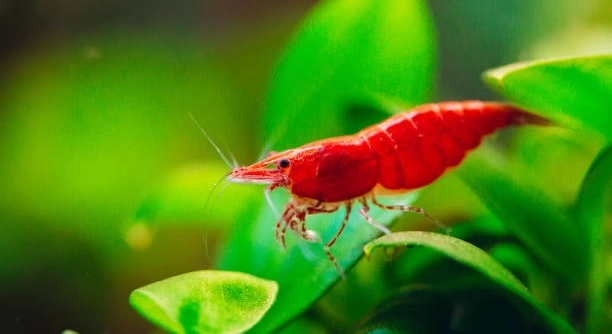
Do you enjoy keeping a small, colorful aquarium but find yourself thinking about the best way to set it up for your shrimp? Cherry shrimp are lively little creatures that bring charm to any tank environment.
Cherry shrimp can survive without gravel, but their health and behavior are influenced by substrate presence. Gravel provides surface area for beneficial bacteria, aids in waste management, and offers hiding spots, which are important for stress reduction and overall survival.
Understanding the role of gravel helps you make informed choices for a healthy shrimp tank and ensures a stable, thriving aquatic environment for your pets.
Why Gravel Matters for Cherry Shrimp
Gravel serves more than an aesthetic purpose in a shrimp tank. It provides surfaces for beneficial bacteria to grow, which is essential for breaking down waste and maintaining water quality. Shrimp often forage along the substrate, finding leftover food and biofilm that supports their diet. Without gravel, they may struggle to access these natural food sources. Additionally, gravel offers hiding spaces, helping shrimp feel secure and reducing stress. In tanks without substrate, shrimp may become more vulnerable to fluctuations in water chemistry and temperature. While some shrimp can adapt to bare-bottom tanks, providing a natural environment with gravel generally promotes better health and encourages natural behaviors. Observing shrimp foraging and exploring can be rewarding, and gravel enhances these daily activities. Maintaining a proper substrate also aids in plant growth, which further benefits water quality and shrimp well-being. Overall, gravel contributes to a balanced ecosystem that supports long-term shrimp survival.
Even a thin layer of gravel can make a noticeable difference in shrimp activity and overall tank health.
Bare-bottom tanks may work short-term, but shrimp thrive best when they have surfaces to explore and forage, making gravel highly beneficial for long-term tank stability and natural behavior.
Alternatives to Gravel
Some aquarists choose sand, bare-bottom setups, or floating plants instead of traditional gravel.
Sand provides a softer surface and allows shrimp to sift through for food. Bare-bottom tanks simplify cleaning, but they remove natural hiding spots, increasing stress. Floating plants can help create shaded areas, giving shrimp some protection and comfort. While these alternatives work, each requires careful monitoring of water conditions and food distribution to ensure shrimp health. Choosing the right setup depends on balancing convenience, aesthetic preference, and the shrimp’s natural needs. Observing shrimp behavior can help determine whether the tank environment is adequate or if adjustments are needed. Gravel remains one of the simplest ways to maintain a stable ecosystem while supporting shrimp activity.
When considering gravel alternatives, it is essential to assess the trade-offs in nutrition access, stress reduction, and bacterial growth. For sand, a fine-grain option works best for foraging, but it may compact over time, affecting oxygen flow to plant roots. Bare-bottom tanks require frequent water changes and careful attention to filtration to prevent waste buildup. Floating plants can supplement natural hiding spaces, but they do not replace the benefits of a solid substrate. Each choice influences the shrimp’s comfort, health, and behavior. Evaluating these options ensures that the tank remains a suitable and thriving environment, allowing the shrimp to grow, reproduce, and display natural activity without unnecessary stress or risk of water quality issues.
Water Quality Considerations
Without gravel, maintaining water quality becomes more critical. Gravel helps trap debris and supports beneficial bacteria that break down waste, so bare-bottom tanks require more frequent cleaning and careful monitoring of ammonia, nitrite, and nitrate levels.
Bare-bottom setups can work if water parameters are closely monitored. Regular water changes are essential, as waste accumulates faster without substrate to host bacteria. Filtration must be efficient, and any leftover food should be removed promptly to prevent spikes in harmful chemicals. Maintaining stable temperature and pH is also crucial since shrimp are sensitive to sudden changes. Proper care in bare-bottom tanks can keep shrimp healthy, but it requires consistent attention and diligence.
Even in tanks with gravel, testing water regularly is beneficial. Observing shrimp behavior can indicate water issues early, such as lethargy or unusual hiding. Stress from poor water quality reduces shrimp activity, affects molting, and can lower survival rates. Providing hiding spots with plants or décor, even without gravel, helps minimize stress. By combining frequent water checks, proper filtration, and observation, shrimp can adapt to a range of setups while staying healthy and active.
Feeding and Nutrition
Shrimp may find it harder to access leftover food in tanks without gravel, making feeding more deliberate and controlled.
In a bare-bottom tank, food sits on the surface and is more visible to shrimp, but it can also decompose faster. Gravel or sand traps small particles and allows shrimp to graze gradually, mimicking their natural behavior. Without this substrate, manual feeding becomes more important to ensure all shrimp get nutrients. Offering a mix of algae wafers, blanched vegetables, and specialized shrimp food supports growth and molting. Monitoring feeding prevents overfeeding, which can harm water quality, especially in tanks lacking substrate to absorb waste.
Providing supplemental food like biofilm boosters or specialized powders helps compensate for the reduced grazing opportunities. Shrimp will benefit from occasional blanched vegetables such as zucchini or spinach, which can be placed strategically for easy access. In addition, slow-sinking foods allow shrimp to feed gradually rather than competing aggressively for surface flakes. Gravel naturally traps some debris and creates biofilm for grazing, but in its absence, carefully planned feeding ensures proper nutrition. Keeping feeding consistent while observing shrimp activity ensures they remain active, healthy, and ready to molt successfully, supporting long-term survival in any tank setup.
Tank Maintenance Without Gravel
Bare-bottom tanks are easier to clean because debris accumulates on the flat surface, allowing quick removal. Regular siphoning and water changes are essential to prevent waste buildup and maintain healthy water parameters.
Removing uneaten food immediately helps prevent spikes in ammonia and nitrite. Monitoring water quality daily ensures shrimp remain active and healthy, even without substrate.
Hiding Spots and Stress Reduction
Shrimp feel more secure when there are places to hide. Plants, moss, and decorations can replace gravel as hiding spots, helping reduce stress and encourage natural behavior.
Even a few strategically placed decorations create safe areas for molting and resting. Stress reduction is critical for survival, and alternative hiding solutions can effectively mimic the benefits of gravel.
Breeding Considerations
Breeding may be more challenging without gravel, as young shrimp rely on surface areas for biofilm and protection.
Adding floating plants or moss can compensate, giving fry access to food and shelter. Gravel isn’t strictly necessary, but providing surfaces for grazing and hiding improves reproductive success.
FAQ
Can cherry shrimp live in a bare-bottom tank long-term?
Yes, cherry shrimp can survive long-term in a bare-bottom tank if water quality is maintained and hiding spots are provided. Regular water changes and careful feeding are essential to prevent waste buildup, since there is no gravel to host beneficial bacteria or trap debris. Plants, moss, and decorations can help replace the natural hiding spaces gravel would normally provide. Monitoring shrimp behavior and water parameters frequently is key to ensuring long-term health and reducing stress in a gravel-free setup.
Will cherry shrimp reproduce without gravel?
Reproduction is possible without gravel, but it requires providing alternative surfaces for biofilm growth and hiding spaces for baby shrimp. Gravel offers natural protection and food sources for fry, so in bare-bottom tanks, adding moss, floating plants, or fine mesh breeding nets helps young shrimp survive. Ensuring a stable, clean environment and avoiding sudden water changes is also critical, as fry are highly sensitive to stress and water quality fluctuations. While gravel is helpful, careful tank management can support successful breeding.
Do cherry shrimp need gravel to forage?
Gravel provides a surface for biofilm, algae, and leftover food, which shrimp naturally graze on. Without gravel, foraging becomes more limited, and shrimp may rely on manual feeding. Offering sinking foods, blanched vegetables, or powdered supplements ensures they receive adequate nutrition. Regularly observing feeding habits can help you adjust food types and quantities to match their activity levels and maintain health in a bare-bottom tank.
Is bare-bottom better for cleaning than gravel?
Yes, bare-bottom tanks are easier to clean because waste and uneaten food accumulate on a flat surface and can be removed quickly. Gravel traps debris, which requires occasional vacuuming. However, bare-bottom setups demand more frequent water changes to maintain stable ammonia, nitrite, and nitrate levels, as there is no substrate to host beneficial bacteria that naturally break down waste. Consistent monitoring ensures shrimp remain healthy despite the simpler cleaning process.
Can stress affect shrimp survival without gravel?
Stress is a major factor in shrimp survival, and the absence of gravel removes some natural hiding spots. Adding plants, moss, or decorations helps reduce stress by giving shrimp areas to retreat during molting or when feeling threatened. Stress can lead to molting issues, reduced activity, and lower reproduction rates. Ensuring proper water quality, adequate hiding spaces, and a calm environment is vital to keeping shrimp healthy without gravel.
How do I maintain water quality without gravel?
Without gravel, frequent water testing and changes are essential. Siphon debris from the tank bottom, remove uneaten food promptly, and ensure filtration is efficient. Bare-bottom setups do not retain bacteria like gravel, so beneficial bacteria in filters must be well-established. Maintaining stable temperature, pH, and hardness helps prevent sudden fluctuations that can harm shrimp. Observing shrimp for signs of stress or unusual behavior allows timely adjustments before water quality issues become severe.
Can alternative substrates replace gravel?
Yes, sand or fine mesh mats can provide surfaces for biofilm and hiding spots. Floating plants also offer shade and security. Each alternative has pros and cons: sand allows natural foraging but may compact, reducing oxygen flow to plant roots, while mats or floating plants require monitoring to ensure shrimp can graze and move freely. Alternatives can mimic some benefits of gravel but require careful observation and maintenance.
Do shrimp behave differently without gravel?
Shrimp may spend more time exploring the tank surface and using plants or decorations as hiding spots. Foraging is less natural without gravel, so they may rely more on provided food. Stress levels can be higher if hiding spots are limited. Adding moss, plants, and decorations encourages natural behaviors, including molting, grazing, and resting, making the tank environment more suitable even without substrate.
Is it more expensive to keep a bare-bottom tank?
Initial costs may be lower since gravel is not required, but maintenance can be more time-consuming. Frequent water changes, careful feeding, and alternative hiding spots may add indirect costs over time. Investing in proper filtration, water testing kits, and plants or moss helps maintain shrimp health efficiently in the absence of gravel.
Can I mix gravel and bare areas?
Yes, combining gravel patches with open areas allows shrimp to forage naturally while simplifying cleaning. This hybrid setup balances natural behavior, hiding spots, and ease of maintenance. Careful placement ensures shrimp can access food, biofilm, and shelter while reducing debris accumulation in heavily trafficked areas. Monitoring water quality and cleaning both areas is still necessary to prevent waste buildup and maintain a healthy tank environment.
Final Thoughts
Cherry shrimp are surprisingly adaptable creatures, capable of living in both gravel and bare-bottom tanks. While gravel offers many benefits, including surfaces for biofilm, hiding spots, and a natural environment for foraging, it is not strictly necessary for survival. Bare-bottom setups can work as long as water quality is carefully maintained, feeding is managed, and alternative hiding spaces are provided. Observing shrimp behavior is critical in any setup, as signs of stress, unusual molting, or reduced activity can indicate that adjustments are needed. Regular water testing and maintenance are essential in bare-bottom tanks because there is no substrate to support beneficial bacteria or trap debris. Many shrimp owners successfully keep healthy colonies without gravel by staying consistent with water changes, providing plants or moss for shelter, and ensuring proper nutrition.
In terms of feeding and nutrition, gravel-free tanks require more deliberate planning. Shrimp naturally graze on algae, biofilm, and small food particles trapped in gravel, so in bare-bottom tanks, it is important to offer sinking foods, blanched vegetables, or powdered supplements. This ensures all shrimp receive enough nutrients to support molting, growth, and reproduction. Even though gravel provides natural foraging opportunities, alternative surfaces like moss, fine sand, or floating plants can partially compensate for the lack of substrate. Monitoring shrimp during feeding helps ensure no shrimp are left hungry, and removing uneaten food promptly prevents water quality issues. Maintaining a consistent feeding schedule, combined with proper observation, supports the overall health and activity levels of the shrimp.
Stress management and hiding spaces are also important considerations. Shrimp can feel more vulnerable without gravel, especially during molting, when they are most sensitive. Adding plants, moss, or decorations provides areas for retreat and reduces stress. Stress can affect molting success, activity, and reproduction, so creating a safe environment is crucial. Even in bare-bottom setups, shrimp can thrive if they have sufficient shelter and their water parameters remain stable. While gravel provides a simple solution for hiding and grazing, careful planning and observation in alternative setups can achieve similar results. Overall, whether using gravel or not, the key to maintaining a healthy cherry shrimp tank is consistent care, attention to water quality, proper nutrition, and adequate shelter. By addressing these factors, shrimp owners can ensure their colonies remain active, healthy, and vibrant over the long term.

Hello,
If you enjoy the content that we create, please consider saying a "Thank You!" by leaving a tip.
Every little bit helps us continue crafting quality advice that supports the health, happiness, and well-being of pets around the world, for pets of all shapes, sizes, and species.
We really appreciate the kindness and support that you show us!