
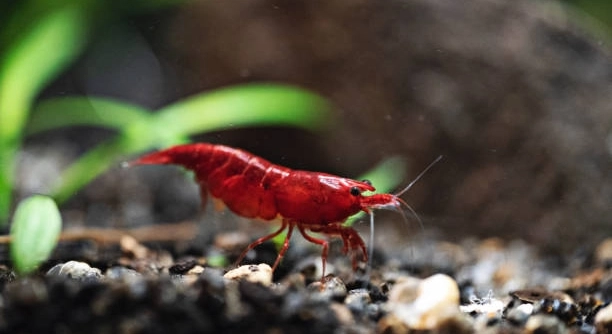
Cherry shrimp are small, colorful creatures often found in home aquariums. Many aquarists notice they spend a lot of time hovering under plants. Observing their behavior can reveal important aspects of their daily habits and needs.
Cherry shrimp hover under plants primarily for safety and comfort. Plants provide shelter from predators, reduce stress by offering hiding spots, and create favorable microenvironments with stable water conditions and food sources, which are essential for their survival and well-being.
Learning more about their preferences helps create a healthier aquarium. Understanding why they choose certain spots can improve care and overall shrimp activity.
Ideal Shelter and Security
Cherry shrimp naturally seek areas that provide cover and protection. Dense plant growth allows them to hide from larger tank mates and reduces their exposure to sudden movement or stress. Floating or tall plants create shaded regions that mimic their natural habitat. These areas help shrimp feel safe, lowering stress levels and encouraging normal behavior. Plants also offer surfaces for algae and biofilm to grow, giving shrimp easy access to food while remaining hidden. Observing shrimp under these plants can reveal their comfort patterns, as they often hover near roots or leaves. Providing a mix of fine-leaved plants and mosses gives multiple hiding spots, which benefits both shy and active shrimp. Tank setup plays a major role in their behavior. A well-planted aquarium is not just visually appealing but essential for shrimp health, helping them molt successfully and reproduce with less stress.
Plants create secure areas that help shrimp feel calm and protected in their environment.
Beyond protection, plants influence water quality. Roots absorb excess nutrients, reducing algae overgrowth, while leaves stabilize pH and oxygen levels. Healthy plants create microhabitats with slower currents, allowing shrimp to rest and feed efficiently. They also provide surfaces for biofilm, a key food source. By arranging plants thoughtfully, you can encourage shrimp to explore while maintaining areas they can retreat to, balancing activity and safety. Different plant types offer varied benefits: mosses give small shrimp extra cover, while broad leaves offer resting spots for larger individuals. Dense planting can reduce territorial disputes among shrimp, promoting peaceful behavior. Seasonal plant growth changes the tank structure, subtly guiding shrimp movement. Overall, plants are not just decoration—they directly support survival, feeding, and stress management. Proper planting ensures shrimp can thrive naturally, displaying bright colors and active behavior, while also helping aquarists maintain a balanced, visually appealing tank.
Feeding Habits Near Plants
Shrimp spend time under plants because these areas provide easy access to food sources. Algae, biofilm, and detritus accumulate on leaves, giving them constant nutrition.
The plants themselves act as feeding stations. Shrimp graze on biofilm and microorganisms clinging to leaves, which makes for a natural and continuous food supply. This behavior reduces competition for food in open areas and allows shrimp to eat without exposure to larger tank mates. Plants also support a diverse micro-ecosystem, attracting microorganisms that shrimp feed on. By placing plants strategically, aquarists can encourage shrimp to feed in safe areas while keeping the rest of the tank cleaner. Observation shows shrimp hover longer near nutrient-rich plants, especially after feeding or during molting periods. Maintaining healthy plants ensures these feeding areas remain productive, reducing the need for excessive supplemental food. A mix of fast-growing and slow-growing plants keeps biofilm levels consistent. Overall, plants act as both shelter and pantry, supporting shrimp health naturally while minimizing stress and promoting consistent feeding patterns.
Water Conditions and Comfort
Cherry shrimp prefer stable water conditions, and plants help maintain this balance. Shaded areas under plants reduce temperature fluctuations, and roots absorb excess nutrients, keeping water cleaner. Shrimp often hover in these spots to stay in comfortable, calm microenvironments.
Plants contribute to oxygenation and waste management. The shaded areas slow water flow, which shrimp favor because strong currents can stress them. Roots and leaves absorb nitrates and other compounds, stabilizing pH levels and reducing harmful chemical spikes. These conditions mimic their natural habitats, allowing shrimp to stay active and healthy. Shallow water movement around plants also prevents sudden turbulence, giving shrimp safe areas to molt or rest. Observing their placement shows that shrimp instinctively select spots where water remains clean, stable, and less exposed to external stressors. Proper plant density directly supports these needs, improving overall shrimp well-being.
Calmer water near plants encourages normal feeding and exploration. Stress reduction from these microhabitats improves growth and coloration.
Molting and Growth
Shrimp often remain under plants during molting periods for protection. Dense leaves and mosses create safe retreats, preventing injuries and predation during this vulnerable time.
Molting is essential for growth and development. Shrimp shed their exoskeletons to expand, and doing so in open areas increases the risk of attacks or disturbances. Under plants, they can remain hidden until their new shell hardens. Molting success depends on consistent water parameters, adequate calcium, and access to shelter. Shrimp instinctively use plant-covered zones to minimize stress during this process, which also encourages healthy development and regular molting cycles. Plants provide both physical protection and surfaces where shed exoskeletons can remain undisturbed, allowing shrimp to recycle nutrients naturally and maintain tank hygiene.
Regular plant coverage supports continuous growth and healthy molts. Providing varied plant types ensures every shrimp finds a secure spot, improving survival and overall vitality in the aquarium.
Light and Shade
Cherry shrimp favor areas with moderate light. Plants create shaded spots that reduce stress and prevent overexposure to strong aquarium lighting.
Shaded areas also help regulate activity. Shrimp often move between light and dark zones, using cover to feel secure while foraging or resting.
Social Behavior and Territory
Shrimp hover under plants to maintain personal space and reduce conflicts with tank mates. Dense planting allows them to establish small territories, avoiding overcrowding and aggression. This behavior supports social balance, as each shrimp has access to safe spots for feeding and resting. Plants help define these micro-territories naturally, minimizing stress.
Reproduction and Hiding Spots
Plants offer ideal areas for females to deposit eggs and protect young. Dense leaves and mosses keep eggs and juveniles safe from disturbances, enhancing survival rates.
Why do cherry shrimp stay under plants most of the time?
Cherry shrimp stay under plants primarily for safety and comfort. Plants provide natural shelter from larger tank mates, sudden movements, and strong water currents. Shaded areas reduce stress, helping shrimp feel secure while they feed, rest, or molt. The roots and leaves also serve as surfaces for biofilm, algae, and microorganisms, which are essential food sources. Staying near plants ensures they remain in areas with stable water conditions, lower temperature fluctuations, and reduced exposure to harmful chemicals or sudden changes. In short, plants act as both protective cover and feeding grounds.
Will cherry shrimp survive in a tank without plants?
Cherry shrimp can survive without plants, but their health and behavior may be compromised. Without hiding spots, shrimp are more exposed to stress from tank mates, strong currents, or bright lighting. They may become shy, hide under decorations, or stay at the bottom, avoiding open spaces. Lack of plants also reduces access to natural biofilm and microorganisms, which are vital food sources. Molting becomes riskier, as shrimp have no safe areas to retreat, increasing vulnerability to injury or predation. Providing artificial shelters can help, but natural plants are more effective at supporting shrimp well-being and encouraging normal behavior.
How do plants improve molting success for cherry shrimp?
Molting is a critical process for growth, and plants play an essential role in ensuring its success. Dense leaves and mosses provide hiding spots where shrimp can molt without disturbances. Stress during molting can lead to incomplete or failed molts, which may cause deformities or health issues. Plants create calm, shaded microhabitats that reduce exposure to strong water currents and tank mates. The surfaces of plants also collect detritus and biofilm, giving shrimp a safe place to consume extra nutrients during and after the molt. In well-planted tanks, molting shrimp are less stressed, recover faster, and maintain healthy development over time.
Do cherry shrimp prefer certain types of plants?
Cherry shrimp show a preference for plants that provide dense coverage and fine leaves. Mosses, such as Java moss, and small-leaved plants like dwarf water lettuce, create ideal hiding spots. Floating plants also offer shade and reduce direct light exposure, which lowers stress levels. Broad-leaved plants like Anubias or Amazon sword give resting areas for shrimp to pause while grazing. Fast-growing plants help maintain stable water quality by absorbing excess nutrients, while slow-growing plants provide consistent surfaces for biofilm growth. Mixing plant types ensures shrimp have both hiding spots and feeding areas, supporting comfort, health, and natural behavior throughout the tank.
How do plants affect feeding habits in cherry shrimp?
Plants act as natural feeding stations. Biofilm, algae, and microorganisms accumulate on leaves and stems, offering shrimp constant nutrition. By hovering under plants, shrimp can graze safely without competing aggressively in open areas. Plant surfaces also allow shrimp to feed while remaining partially hidden, reducing stress. Healthy plants improve food availability naturally, supplementing or even reducing the need for frequent external feeding. Shrimp will often move between plants, sampling different areas for fresh biofilm. Providing a variety of plants ensures a steady and accessible food supply while maintaining shelter, which directly contributes to overall shrimp health and activity levels.
Can cherry shrimp reproduce successfully in planted tanks?
Yes, planted tanks significantly increase reproductive success. Dense leaves and mosses give females secure areas to deposit eggs, while juveniles can hide from larger tank mates. Plants stabilize water conditions, which reduces stress and creates a favorable environment for breeding. Shaded areas prevent eggs from overheating or being disturbed, improving survival rates. Shrimp larvae benefit from the biofilm and microorganisms on plant surfaces as a natural food source, helping them grow quickly. Well-planted tanks encourage natural behavior, including courtship and egg-laying, making reproduction more consistent and increasing the number of healthy offspring over time.
Do cherry shrimp use plants for social interaction?
Yes, plants influence social behavior by providing territories and hiding spots. Shrimp establish small personal zones under leaves or within moss clumps, which reduces conflicts with tank mates. Dense planting minimizes overcrowding and aggression by giving each shrimp a secure area to rest, feed, or molt. Plants also encourage peaceful coexistence, as multiple shrimp can occupy different microhabitats within the same tank. Observing shrimp in planted areas shows natural movement patterns, with individuals occasionally interacting while maintaining their own protected zones. Plants indirectly support social stability, ensuring a balanced, less stressful environment that promotes normal shrimp activity and health.
How do plants contribute to water quality for cherry shrimp?
Plants improve water quality by absorbing excess nutrients such as nitrates and phosphates, which reduces algae growth and maintains chemical stability. Roots and leaves stabilize pH levels and oxygen concentrations, creating a healthier environment for shrimp. Shaded areas slow water currents, allowing waste particles to settle and reducing stress on shrimp. Healthy plants act as a natural filtration system, supporting both survival and activity. By maintaining stable water conditions, plants reduce the risk of disease and promote overall vitality. The combination of shelter, feeding surfaces, and water stabilization makes plants essential for a thriving shrimp tank.
What if my tank has plants but shrimp still hide?
Even in planted tanks, shrimp may continue to hide for several reasons. New or shy individuals often need time to acclimate. Overcrowding, strong currents, or aggressive tank mates can also make shrimp seek cover. Stress, poor water quality, or recent molting can lead to extended hiding. Observing shrimp behavior and ensuring proper plant density, water parameters, and food availability can encourage them to explore more. Providing varied plant types and gentle water flow allows shy shrimp to gradually become more active without compromising safety. Hiding under plants is a natural and healthy behavior that supports survival and comfort.
How often should plants be maintained for optimal shrimp behavior?
Regular plant maintenance supports shrimp health and comfort. Trimming overgrown leaves and moss prevents overcrowding and ensures water circulation. Removing decaying plant matter prevents waste buildup and reduces harmful bacteria. Healthy, well-maintained plants provide consistent hiding spots, feeding surfaces, and stable water conditions. Observing shrimp behavior can guide adjustments in plant care to match their needs. Rotating plant trimming or introducing new growth gradually maintains shelter without disrupting the tank. Proper maintenance ensures shrimp continue using plants effectively for safety, feeding, and molting while keeping the aquarium balanced, clean, and conducive to normal behavior patterns.
Cherry shrimp are fascinating little creatures that naturally seek safety, comfort, and food in their environment. One of the most noticeable behaviors in home aquariums is their tendency to hover under plants. This is not a sign of laziness or fear but rather a reflection of their instincts and needs. Plants provide shade, shelter, and protection, allowing shrimp to reduce stress and feel secure in their surroundings. Dense foliage creates small, calm zones where shrimp can rest, feed, and move freely without being exposed to sudden disturbances or the presence of larger tank mates. Observing shrimp in these areas often shows that they feel comfortable and are engaging in natural behaviors, including grazing on biofilm and algae that accumulate on leaves and roots.
In addition to providing protection, plants play a crucial role in water quality and the overall health of the tank. Roots and leaves absorb excess nutrients, stabilize pH levels, and help maintain oxygen concentration, creating a safer and more balanced environment for shrimp. The shaded areas under plants reduce exposure to strong lighting and water currents, which can otherwise stress these small creatures. Shrimp also use plants during molting periods, taking advantage of the hidden spots to safely shed their exoskeletons and recover without interference. Healthy, well-maintained plants support natural feeding habits, promote growth, and allow shrimp to establish small territories, which helps reduce social stress within the tank. A well-planted aquarium provides both functional benefits and a visually appealing habitat that encourages shrimp to display normal, healthy behavior.
Finally, planted tanks enhance reproduction and juvenile survival. Female shrimp use dense leaves and moss to deposit eggs, while young shrimp rely on these areas for protection and access to natural food sources. Plants act as both a pantry and a sanctuary, supporting consistent feeding and growth for all life stages. For anyone caring for cherry shrimp, understanding the importance of plants is key. The right types and arrangement of plants create a stable, safe, and nourishing environment that encourages shrimp to thrive. Regular plant maintenance, such as trimming overgrown areas and removing decaying leaves, ensures these benefits continue over time. By providing sufficient plant coverage, aquarists can improve shrimp activity, coloration, and overall health, making the tank a more natural and balanced ecosystem. This combination of shelter, feeding surfaces, and water stabilization demonstrates how plants are essential for the well-being of cherry shrimp in any aquarium.

Hello,
If you enjoy the content that we create, please consider saying a "Thank You!" by leaving a tip.
Every little bit helps us continue crafting quality advice that supports the health, happiness, and well-being of pets around the world, for pets of all shapes, sizes, and species.
We really appreciate the kindness and support that you show us!