
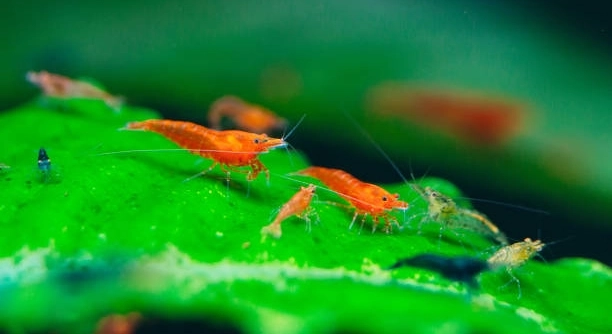
Have you ever noticed your shrimp acting strangely in the tank and wondered if they might be sick? Observing their movements and interactions can sometimes raise concerns for shrimp keepers. Small changes often catch the eye quickly.
Many shrimp behaviors that appear unusual or concerning are actually normal responses to their environment. Molting, resting, hiding, or adjusting to water conditions can mimic signs of illness, making it important to distinguish natural activity from genuine health issues.
Recognizing these behaviors early can help maintain a healthy tank and prevent unnecessary stress for both shrimp and keeper. Understanding the difference is key for proper care.
Hiding in Corners
Shrimp often retreat to corners or under decorations in the tank. This behavior can seem alarming because it looks like they are unwell or avoiding the water. In reality, hiding is a common response to stress, new tankmates, or molting. Shrimp are naturally cautious creatures and seek safe spaces when they feel exposed. Providing plants, rocks, or other hiding spots allows them to feel secure. Sometimes, water flow or bright lighting can make shrimp seek shelter more frequently. Observing their patterns over time helps you understand whether it is normal behavior or a sign of discomfort. Avoid moving decorations frequently, as this can increase stress levels. Shrimp that hide occasionally but remain active when out of hiding are usually healthy. Regularly checking water quality and tank conditions ensures the environment is suitable. When hiding becomes excessive or shrimp appear lethargic, it may indicate other issues.
This is normal behavior, often linked to comfort, stress, or environmental factors rather than illness.
Monitoring hiding patterns and making small adjustments to the tank can reduce stress. Consistent water conditions and adequate cover will help shrimp feel safer and more active.
Molting Frequently
Molting is a natural process where shrimp shed their exoskeleton to grow. It can look unusual or like weakness because they often hide before and after molting. During this period, shrimp are more vulnerable and may stay still for hours. New or young shrimp molt more frequently, while older ones do so less often. Proper nutrition and calcium levels are essential for a smooth molting process. Overfeeding or poor water conditions can sometimes cause irregular molting cycles. Observing shrimp during this time helps identify healthy growth versus problems. Molting is also influenced by temperature, water hardness, and overall tank stability. Ensuring clean water and minimal stress will promote consistent molting.
Shrimp naturally molt to grow, and it may seem concerning, but it is usually harmless.
Excessive attention to tank conditions, balanced feeding, and safe hiding spots will support molting shrimp. Molting is a critical part of growth, and shrimp that have adequate food, minerals, and a stable environment tend to molt smoothly. Avoid handling shrimp during this time to prevent injury. Tracking molting frequency over weeks can help detect patterns and potential problems. Regular water tests for pH, ammonia, nitrites, and nitrates ensure a safe environment, reducing stress-related molting issues. By understanding molting as a normal behavior rather than a sign of sickness, keepers can maintain a healthy tank and provide better care. Shrimp often return to normal activity shortly after molting, appearing energetic and healthy.
Staying Near the Surface
Shrimp sometimes linger near the water surface, which can seem unusual. This behavior often happens when they are searching for oxygen or exploring. Water movement and oxygen levels influence this habit, making it a natural response rather than a sign of sickness.
Shrimp staying near the surface is often linked to water conditions. Higher temperatures or low oxygen can encourage them to explore the upper areas of the tank. They may also be attracted to floating food or biofilm that forms on the surface. Observing the tank’s water parameters, including temperature, pH, and oxygen levels, helps ensure shrimp remain healthy. If water quality is stable, surface activity is usually harmless and temporary.
While surface activity might look concerning, it is often normal. Feeding patterns, tank size, and current flow also influence where shrimp spend their time. Adjusting aeration or adding gentle water circulation can help shrimp feel more comfortable and balanced throughout the tank.
Climbing Decorations
Shrimp frequently climb plants, rocks, or other decorations. This behavior is part of their natural exploration and interaction with the environment. Climbing also allows them to find food or secure resting spots. It is common and usually indicates active, healthy shrimp.
Climbing behavior is influenced by tank setup, including decorations, plant density, and water flow. Shrimp use vertical spaces to search for algae, detritus, or biofilm. Young shrimp tend to climb more as they explore and develop their senses. Even adult shrimp climb for safety or to move away from strong currents. Observing their climbing patterns can help ensure that the tank provides adequate surfaces and hiding spots without overcrowding. Climbing is normal and shows engagement with their surroundings.
This activity can also help shrimp molt safely, as elevated surfaces provide secure areas for shedding their exoskeleton. Ensuring a mix of vertical and horizontal spaces encourages natural behavior and reduces stress. Avoid sharp decorations that could harm delicate shrimp during climbing. Regularly monitoring climbing habits provides insight into overall health and tank conditions. By allowing shrimp to move freely and explore, keepers can support their natural instincts while maintaining a stable environment.
Flicking Antennae
Shrimp often flick their antennae rapidly, which can seem unusual. This motion helps them sense their surroundings, detect food, and communicate with other shrimp in the tank.
Rapid antennae movement is a normal sensory behavior. It allows shrimp to explore surfaces, detect chemical signals, and respond to changes in the environment.
Resting on Substrate
Shrimp frequently rest on the tank substrate, sometimes appearing inactive. This behavior is common and not necessarily a sign of illness. They may be digesting food, molting, or simply conserving energy. Observing the frequency and duration of resting helps differentiate normal rest from lethargy.
Swimming Erratically
Occasional erratic swimming is often a response to sudden changes in water flow, temperature, or light. Shrimp may move quickly to avoid disturbance or adjust to new tank conditions. Brief bursts of activity are normal and usually indicate alert, responsive behavior rather than sickness.
Gathering in Groups
Shrimp sometimes gather in small groups, which is part of their social behavior. Grouping helps them feel secure and increases feeding efficiency. It is a normal interaction and often reflects healthy social patterns within the tank.
FAQ
Why is my shrimp hiding all the time?
Shrimp often hide to feel safe, especially during molting or when new to a tank. Frequent hiding does not always indicate illness. Check water quality, tankmates, and available hiding spots. If the shrimp are eating normally and molting regularly, hiding is likely natural behavior.
Is it normal for shrimp to stay near the water surface?
Yes, shrimp may linger near the surface when exploring, feeding on biofilm, or seeking oxygen. Ensure proper aeration and stable water conditions. If water parameters are correct, surface activity is typically harmless and shows active, healthy shrimp.
Why are my shrimp flicking their antennae constantly?
Antennae flicking is a natural sensory behavior. Shrimp use them to explore surroundings, detect food, and communicate with other shrimp. Rapid movement of antennae is normal and indicates awareness and engagement with the environment.
Do shrimp need hiding places to stay healthy?
Yes, hiding spots are essential for shrimp, particularly during molting when they are vulnerable. Plants, rocks, and decorations provide safety and reduce stress. Lack of hiding spaces may lead to more cautious or stressed shrimp, though it does not necessarily indicate sickness.
Why are my shrimp climbing decorations?
Climbing is part of normal exploration and feeding behavior. Shrimp use vertical spaces to reach food, biofilm, or safer areas. Providing a mix of plants and rocks encourages natural climbing and reduces stress, supporting overall tank health.
Is it normal for shrimp to rest on the substrate for long periods?
Yes, resting on the substrate is common. Shrimp may pause to digest food, conserve energy, or prepare for molting. Occasional resting is healthy behavior, but prolonged inactivity paired with other symptoms may require checking water quality or tank conditions.
Why do shrimp sometimes swim erratically?
Erratic swimming usually occurs in response to sudden changes in light, temperature, or water flow. Short bursts of movement are natural. Consistent erratic swimming accompanied by lethargy, discoloration, or other symptoms may indicate water quality issues or stress.
Why do shrimp gather in groups?
Shrimp are social creatures and often cluster together for security and feeding efficiency. Grouping is normal and reflects healthy social interaction. A well-structured tank with enough space ensures shrimp can cluster without overcrowding, promoting comfort and activity.
How can I tell if shrimp behavior is normal or a sign of illness?
Monitor patterns such as feeding, molting, and movement. Sudden lethargy, discoloration, or prolonged hiding may signal health problems. Stable water parameters, adequate hiding spots, and proper nutrition support normal behavior. Regular observation helps distinguish natural habits from potential illness.
What should I do if shrimp behavior changes suddenly?
Check water quality for ammonia, nitrites, nitrates, temperature, and pH. Observe tankmates for aggression or bullying. Adjust lighting, decorations, or aeration if needed. Sudden behavior changes often relate to environmental stress rather than illness, but persistent abnormal behavior may require further investigation.
Can feeding affect shrimp behavior?
Yes, feeding can influence activity levels. Shrimp become more active when searching for food and may cluster near feeding areas. Overfeeding or poor-quality food can cause stress or water quality issues, affecting behavior. Balanced feeding encourages normal, healthy activity patterns.
Do shrimp need specific tank conditions to prevent stress behaviors?
Stable water parameters, gentle water flow, adequate hiding spots, and compatible tankmates are key. Stress from poor conditions can mimic illness behaviors. Regular monitoring and gradual adjustments help maintain a comfortable environment, supporting natural behavior.
How long do shrimp usually hide after molting?
Shrimp may hide for several hours to a day post-molt, depending on size and species. Hiding ensures safety while their new exoskeleton hardens. This is completely normal, and once hardened, they resume normal activity and feeding.
Can shrimp behaviors indicate water quality problems?
Yes, changes such as surface staying, erratic swimming, or excessive hiding can reflect water issues. Regular testing and maintaining clean, stable conditions prevent stress and support natural, healthy shrimp behavior.
Is it normal for shrimp to be less active at times?
Yes, shrimp activity fluctuates with feeding, molting, or light cycles. Occasional rest or slower movement is normal. Persistent inactivity alongside color changes, lack of feeding, or other unusual signs may indicate health concerns requiring attention.
How do I encourage natural shrimp behaviors?
Provide varied surfaces, hiding spots, and appropriate water conditions. Balanced feeding, stable environment, and minimal disturbance promote climbing, foraging, and social interactions, helping shrimp display healthy, natural behavior without stress.
Can shrimp behavior help me monitor tank health?
Observing shrimp is an excellent way to gauge water quality and stress. Changes in activity, hiding, or clustering often reflect environmental conditions. Regular observation allows proactive adjustments, maintaining both shrimp health and tank stability.
How often should I observe shrimp behavior?
Daily observation is recommended. Watching movement, feeding, and interaction patterns helps detect early signs of stress or illness. Noting changes over time allows you to identify whether behavior is temporary or requires intervention.
Do young shrimp behave differently from adults?
Yes, juveniles are more active, climb more, and molt frequently. Adults may be calmer and spend more time resting or hiding. Recognizing these differences helps interpret behavior accurately and maintain appropriate care for all shrimp in the tank.
Are all unusual shrimp behaviors a sign of sickness?
No, many behaviors that appear strange are normal. Hiding, climbing, surface activity, or antenna flicking often reflect natural instincts. Only persistent changes combined with other concerning signs warrant attention, and tank conditions should always be checked first.
How can I reduce stress-induced behaviors in shrimp?
Maintain stable water conditions, provide hiding places, minimize sudden disturbances, and avoid aggressive tankmates. Gentle filtration and gradual changes in temperature or lighting prevent stress-related behaviors and support healthy, active shrimp in the tank.
Shrimp behavior can sometimes seem confusing or concerning, especially when you notice actions that look unusual or out of the ordinary. Hiding, climbing, flicking antennae, or lingering near the water surface can all make it easy to think a shrimp is sick. In reality, many of these behaviors are normal responses to the environment, stress, or natural instincts. Shrimp are delicate and cautious creatures that rely on their surroundings to feel safe. Observing them over time helps you recognize patterns and differentiate normal behavior from signs of illness. For example, hiding during molting is completely natural and necessary for protection, while clustering together may simply reflect their social tendencies. Understanding these patterns allows you to provide a stable and supportive environment that encourages natural behavior without unnecessary worry.
Maintaining a healthy shrimp tank goes beyond just noticing behavior. Water quality, temperature, lighting, and nutrition all play important roles in how shrimp act day to day. Sudden changes in the tank, such as introducing new tankmates, adding decorations, or altering water flow, can temporarily affect behavior and make shrimp appear stressed. Providing hiding spots, varied surfaces to climb, and gentle filtration creates a more comfortable space for them. Feeding a balanced diet and monitoring their activity levels helps ensure shrimp grow and molt normally. Observing their behavior in combination with regular water testing gives the best insight into overall health. In most cases, what may appear as concerning behavior is actually a reflection of shrimp adapting to their surroundings or engaging in natural instincts, rather than a sign of disease.
By paying attention to shrimp behavior and maintaining a stable environment, you can support their health and well-being over time. Patterns like antennae flicking, resting on the substrate, or occasional surface activity are usually harmless and indicate curiosity, exploration, or normal energy management. Recognizing these behaviors and understanding their causes can reduce unnecessary concern while promoting a healthier tank ecosystem. Regular observation, combined with proper care and attention to water quality, allows shrimp to thrive and display their natural habits. Over time, you will become more confident in distinguishing between normal shrimp behavior and genuine health issues, creating a more rewarding and manageable experience for both you and your shrimp.

Hello,
If you enjoy the content that we create, please consider saying a "Thank You!" by leaving a tip.
Every little bit helps us continue crafting quality advice that supports the health, happiness, and well-being of pets around the world, for pets of all shapes, sizes, and species.
We really appreciate the kindness and support that you show us!