
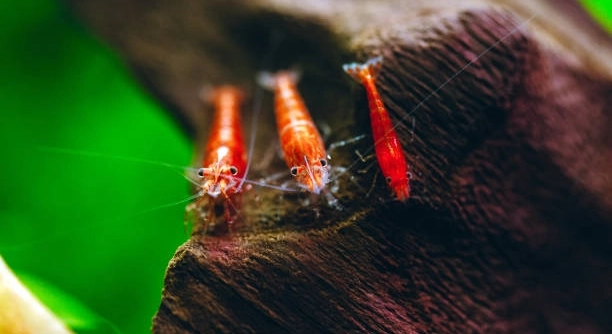
Are your cherry shrimp sensitive to the sounds around your home? Many shrimp owners keep them in peaceful tanks, but the impact of everyday room noise is often overlooked. Understanding their responses can help maintain a calm environment.
Research indicates that cherry shrimp are minimally affected by normal household noise. While loud or sudden vibrations can cause temporary stress, regular ambient sounds such as talking, appliances, or soft music do not significantly disrupt their behavior or health.
Maintaining a stable environment ensures your shrimp stay healthy and active. Noise management is just one part of creating a thriving aquarium.
How Room Noise Affects Cherry Shrimp
Cherry shrimp are small and delicate creatures that react primarily to their immediate environment. Sudden vibrations or very loud noises can startle them, making them retreat to hiding spots. However, typical household sounds like conversation, background music, or the hum of appliances usually have little impact. They rely on water movement and chemical signals more than sound for daily activities such as feeding, exploring, and breeding. Over time, consistently loud disturbances can slightly increase stress levels, potentially affecting molting cycles and overall activity. Keeping a stable tank environment with consistent lighting, temperature, and gentle water flow is far more important than worrying about typical room noise. Observing your shrimp’s behavior can help determine if your home environment is too disruptive, allowing you to make small adjustments like placing the tank away from direct sources of vibration. These simple steps support their comfort and well-being while minimizing unnecessary stress.
For most homes, everyday sounds do not significantly bother cherry shrimp. They adapt well to normal living conditions.
Even though cherry shrimp can tolerate general household noise, extreme disturbances like dropping heavy objects, slamming doors, or high-volume music can trigger stress. Stress may manifest as reduced activity, hiding for long periods, or slower growth and molting. Ensuring a quiet spot in the room, away from direct vibrations, provides them with a sense of safety. Pairing this with proper filtration and stable water parameters creates an environment where shrimp can thrive. By paying attention to their subtle behaviors, you can notice when noise or vibrations are too strong, allowing you to make adjustments. Maintaining consistency in their habitat is key, as sudden changes in temperature, water chemistry, or noise levels can compound stress. Small adjustments, such as softening sounds near the tank or placing pads under equipment, can improve their comfort. Ultimately, balancing minimal disturbances with good tank care ensures cherry shrimp remain active, healthy, and visible, showing their natural colors and behaviors.
Practical Tips to Minimize Stress
Positioning your tank away from heavy foot traffic or appliances helps reduce sudden vibrations.
Use soft padding under the tank or equipment to dampen vibrations. Keep the room at a stable temperature, and avoid moving the tank unnecessarily. Regular observation ensures you notice changes in behavior, allowing quick intervention.
Signs of Stress in Cherry Shrimp
Cherry shrimp may show stress through hiding, reduced activity, or less frequent feeding. Changes in color, particularly dulling of their natural red shades, can also indicate discomfort. Monitoring these signs helps you address potential issues early before they affect their health or growth.
Stress in cherry shrimp often appears subtly. They may spend more time in hiding spots or under decorations, avoiding open areas of the tank. Reduced movement and slower response to food are common indicators. Prolonged stress can impact molting, making them more vulnerable to injury or disease. Observing daily behavior helps identify patterns that suggest environmental stress, including excessive noise or sudden vibrations. Small adjustments can significantly improve their comfort and overall health, keeping them active and vibrant in the tank.
Behavioral changes are key signals of stress. Less frequent interaction with their environment or hesitation to explore may reflect discomfort. Color fading, particularly in red cherry shrimp, often accompanies stress, and can serve as a warning sign. Tank conditions such as water quality, temperature, and noise levels play an important role in their well-being. Consistent care and careful observation allow you to address issues promptly, ensuring your shrimp maintain healthy growth and natural behaviors, while minimizing stress-related impacts on their lifespan and activity.
Creating a Quiet and Safe Tank Environment
Positioning the tank in a low-traffic area reduces vibrations and sudden loud noises, helping shrimp feel secure. Avoid placing it near appliances, doors, or windows that create constant disturbances.
Soft padding under the tank, filters, and equipment can dampen vibrations and prevent unnecessary stress. Keeping consistent water parameters and stable temperatures ensures a calm environment. Decorations and plants provide hiding spaces, giving shrimp security during moments of disturbance. Regular observation helps you notice behavioral changes early, allowing small adjustments before stress affects health. Limiting sudden changes and maintaining a steady routine promotes natural activity, molting, and feeding patterns, ensuring cherry shrimp remain comfortable and thrive in a peaceful habitat.
Noise Levels and Shrimp Behavior
Cherry shrimp usually tolerate normal household noise without major issues. They react more to vibrations than to sound itself, making sudden bangs or knocks more noticeable.
Consistent background sounds, like quiet talking or appliance hums, are generally ignored. Observing their activity helps determine if the tank location is suitable.
Adjusting Tank Placement
Placing the tank in a quieter area of the room reduces stress from sudden disturbances. Avoid direct paths of foot traffic or noisy equipment.
Using Decorations to Reduce Stress
Adding plants, rocks, and hiding spots helps shrimp feel secure. These items buffer vibrations and provide areas to retreat when startled.
Monitoring Activity Patterns
Regularly watching feeding and movement patterns allows you to detect subtle stress signs early, ensuring your shrimp remain healthy and active.
FAQ
Can room noise harm cherry shrimp?
Cherry shrimp are generally resilient to normal household sounds. Their reactions are mostly limited to sudden loud noises or vibrations, which can startle them temporarily. Regular ambient sounds, such as talking, soft music, or appliance hums, do not pose a significant threat to their health or behavior.
How can I tell if my shrimp are stressed?
Signs of stress include hiding more than usual, reduced activity, slower feeding, and color fading. Shrimp may also molt less frequently or appear hesitant when moving around the tank. Observing daily behavior is the best way to catch early signs and prevent long-term stress.
Where should I place my shrimp tank?
Choose a quiet location away from doors, windows, or heavy foot traffic. Avoid areas near appliances that vibrate or make sudden noises. A low-traffic spot helps maintain a calm environment, allowing shrimp to explore and feed without frequent disturbances.
Do decorations affect stress levels?
Yes, plants, rocks, and hiding spots help buffer vibrations and provide shelter. Shrimp feel safer when they have places to retreat during sudden disturbances. Adding natural decorations improves both their sense of security and overall tank aesthetics.
Can music affect shrimp?
Soft, consistent background music is unlikely to affect shrimp. They react more to vibrations than sound itself. Sudden loud volumes or bass-heavy music that causes water movement may temporarily startle them, so it’s best to keep music at a moderate level or away from the tank.
How often should I observe my shrimp?
Daily observation is ideal for spotting changes in activity, feeding, and behavior. Tracking these patterns helps identify potential stressors early, whether they are from noise, water quality, or temperature fluctuations. Early detection ensures shrimp remain healthy and active.
Does tank vibration stress shrimp more than sound?
Yes, vibrations are more noticeable to cherry shrimp than sound. Shaking from slamming doors, dropped items, or poorly balanced equipment can trigger hiding and reduced activity. Using soft padding under the tank and equipment helps minimize these vibrations effectively.
Is it necessary to isolate shrimp from household noise?
Complete isolation is unnecessary. Cherry shrimp tolerate regular household noise well. Focus on reducing sudden loud disturbances and vibrations. Small adjustments like strategic tank placement and secure equipment are sufficient to maintain a stress-free environment.
Can stressed shrimp recover quickly?
Yes, if stressors are removed promptly. Relocating the tank to a calmer spot, stabilizing water parameters, and ensuring plenty of hiding spaces allows shrimp to return to normal activity and feeding within hours to days, depending on the intensity of stress.
Are some shrimp more sensitive than others?
Individual shrimp can vary in sensitivity. Younger or newly introduced shrimp may react more strongly to disturbances, while established adults may be less reactive. Observing each shrimp’s behavior helps you adjust care practices for all tank inhabitants.
Does tank size impact sensitivity to noise?
Smaller tanks transmit vibrations and sound more directly, which can amplify stress for shrimp. Larger tanks with adequate water volume buffer disturbances better. Ensuring proper decoration and placement can help mitigate any sensitivity in smaller setups.
Should I worry about long-term effects of room noise?
Long-term effects are rare if noise is moderate and consistent. Chronic exposure to extremely loud or constant vibrations may slightly affect molting or activity, but typical household sounds are unlikely to cause lasting harm when the tank environment is stable and well-maintained.
How can I make the tank environment more stable?
Maintain consistent water temperature, quality, and lighting. Add plenty of plants and hiding spots to buffer disturbances. Place the tank on a stable surface with soft padding and avoid frequent moves or sudden changes that could startle the shrimp.
Do shrimp adapt to noisy environments over time?
Yes, shrimp often become accustomed to consistent background noise. They may initially react to new sounds but gradually resume normal activity if conditions remain predictable and stress-free. Patience and observation help ensure adaptation without long-term stress.
Can multiple stress factors combine to affect shrimp?
Absolutely. Noise, vibrations, poor water quality, and temperature fluctuations can collectively increase stress levels. Keeping a stable, calm, and well-maintained environment minimizes the cumulative impact of these factors, allowing shrimp to thrive naturally.
Are there signs of permanent stress damage?
Permanent damage is uncommon. Most stress responses, such as temporary hiding, slowed feeding, or color changes, are reversible when conditions improve. Chronic neglect or extreme stress, however, can affect growth, molting, and immunity, highlighting the importance of consistent care.
What should I do if shrimp show prolonged stress?
First, check water parameters and ensure the tank is stable. Move the tank to a quieter area if possible, add additional hiding spots, and reduce sudden disturbances. Observe closely to ensure they return to normal activity and feeding patterns over the following days.
Can tank mates influence stress related to noise?
Yes, active or aggressive tank mates can amplify stress when combined with vibrations or sudden sounds. Ensuring compatible species and providing sufficient space and hiding spots reduces overall stress in the tank environment.
Does feeding frequency affect stress levels?
Regular feeding helps shrimp maintain normal activity and reduces stress. Inconsistent or delayed feeding may make shrimp more sensitive to disturbances and less likely to explore their environment. Keeping a predictable routine supports overall well-being.
Are there signs that shrimp are completely comfortable?
Comfortable shrimp are active, explore the tank freely, feed readily, and display vibrant colors. They may interact with decorations and other shrimp without hiding frequently. Observing these behaviors indicates that the environment, including noise levels, supports their natural habits and health.
Cherry shrimp are small, delicate creatures that rely heavily on their environment to feel safe and thrive. Noise, while a common concern for many shrimp owners, generally has a minimal impact on their daily activities. Normal household sounds such as quiet conversations, soft music, or the hum of appliances are not enough to significantly disturb them. They respond more to vibrations than to sound itself, so sudden or heavy impacts near the tank can startle them temporarily. However, with proper tank placement and stable conditions, these small disturbances rarely affect their long-term health. Observing your shrimp’s behavior is the most effective way to determine if they are comfortable. Hiding, slowed movement, or dull colors can indicate stress, while active, feeding shrimp with vibrant hues show that they are well-adjusted to their surroundings. Paying attention to these subtle cues ensures you can make small adjustments before any minor stress develops into a more serious issue.
Maintaining a stable environment is essential for keeping cherry shrimp healthy and stress-free. Temperature, water quality, and consistent lighting play a far more important role in their well-being than room noise. Providing plenty of hiding spaces through plants, rocks, and other decorations gives shrimp security when they are startled or need to rest. A calm and steady habitat allows them to engage in natural behaviors such as exploring, grazing, and molting without unnecessary interruptions. Even for more sensitive individuals, these measures help reduce stress responses and encourage natural activity. Proper placement of the tank away from high-traffic areas or appliances that produce vibrations, along with soft padding under the tank or equipment, can further limit disturbances. When the tank environment is thoughtfully arranged and regularly monitored, cherry shrimp can adapt to moderate household noise without long-term negative effects, maintaining their health, color, and active behavior.
Ultimately, understanding your shrimp’s behavior and providing a supportive environment is key to their well-being. Cherry shrimp are resilient and can tolerate typical household noise as long as the tank conditions are consistent and calm. Regular observation, stable water parameters, strategic tank placement, and secure decorations create a space where shrimp can feel safe and thrive. Small adjustments, such as reducing vibrations and offering more hiding areas, can make a noticeable difference in their comfort and activity. By focusing on these practical aspects of care, you ensure that your shrimp remain healthy, active, and visually vibrant. Noise management, while useful, is just one part of maintaining a thriving aquarium. Prioritizing a stable, stress-free habitat will help your cherry shrimp continue to display natural behaviors and enjoy a comfortable environment for years to come.

Hello,
If you enjoy the content that we create, please consider saying a "Thank You!" by leaving a tip.
Every little bit helps us continue crafting quality advice that supports the health, happiness, and well-being of pets around the world, for pets of all shapes, sizes, and species.
We really appreciate the kindness and support that you show us!