
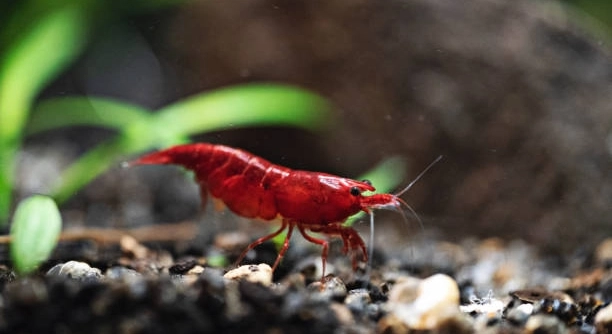
Have you ever watched your cherry shrimp gather around a small piece of food, each moving carefully but quickly to nibble? Their tiny movements and bright colors make feeding time quietly entertaining to observe.
Cherry shrimp do not typically fight over food. They are generally peaceful, using gentle competition and quick movements to access food without aggression. Occasional minor jostling may occur, but it does not escalate into true fighting or harm.
Observing how cherry shrimp share their food can reveal interesting behaviors and help ensure they thrive in a calm aquarium environment.
How Cherry Shrimp Find Their Food
Cherry shrimp are surprisingly efficient at locating food in their tanks. They use their small, sensitive antennae to detect particles and biofilm on plants, substrate, and decorations. Even tiny bits of leftover fish food can attract them quickly. I often notice that they move carefully, touching surfaces and occasionally pausing to graze on algae. Their movements are deliberate rather than frantic, which helps prevent conflicts. Despite the limited space in a home aquarium, these shrimp manage to spread out enough to feed without much stress. They often approach new food items slowly, circling around before taking a bite. Over time, I have seen them remember certain spots where food is usually available, showing a simple but effective method of food location. This behavior keeps them busy and active while maintaining peace in a shared tank environment. Watching them feed can feel calming and subtly fascinating.
Their antennae play a key role in detecting food, helping them navigate surfaces and find even tiny edible particles efficiently.
Feeding cherry shrimp regularly in small amounts encourages consistent grazing. It also reduces leftover waste, keeping the tank cleaner. Observing their slow, careful feeding habits makes the tank feel alive and orderly.
Managing Multiple Shrimp During Feeding
Adding more shrimp does not necessarily lead to aggressive behavior.
With multiple cherry shrimp, it’s important to provide several feeding spots. They naturally spread out and avoid crowding one another. If a single piece of food is too big, dominant shrimp may get there first, but others quickly find alternate areas. I usually scatter small bits across plants and substrate to ensure everyone gets access. Over time, shrimp establish mild hierarchies, but these rarely cause harm. They mostly focus on grazing rather than confronting others. Occasionally, a shrimp may nudge another to reach food first, but this is momentary and does not escalate. Maintaining a varied diet with algae wafers, blanched vegetables, and biofilm encourages natural grazing. This approach reduces competition and keeps the group active. Observing a group of cherry shrimp feeding can be surprisingly orderly. Each shrimp finds its own space, contributing to a calm, dynamic environment without the stress of true fighting.
Feeding Habits of Cherry Shrimp
Cherry shrimp prefer grazing throughout the day rather than eating large amounts at once. They nibble on algae, biofilm, and small food particles consistently, which keeps them active and healthy in a peaceful way.
I’ve noticed that their grazing behavior helps prevent food hoarding. When food is placed in multiple spots, each shrimp finds its own area to feed. This reduces jostling and ensures that shy shrimp get access without stress. The shrimp move slowly and deliberately, often circling a small food particle before eating. Even in a crowded tank, they adapt well, spreading across the substrate and decorations naturally. I often find them returning to favorite grazing spots repeatedly, showing a simple but effective feeding pattern. Their behavior remains calm, even when multiple shrimp are present, because their feeding strategy emphasizes slow, steady consumption rather than aggressive competition. Over time, this makes tank maintenance easier and encourages steady growth for each shrimp.
During feeding, cherry shrimp often clean surfaces as they graze. They pick at biofilm on plants and glass, leaving the tank visibly cleaner while they feed.
Reducing Competition for Food
Scattering food across the tank helps minimize competition and ensures all shrimp get a fair share.
I usually divide the food into tiny pieces and place them in different corners of the aquarium. This encourages all shrimp to explore and graze simultaneously, reducing the chance of one shrimp dominating the entire meal. In my experience, dominant individuals may reach larger pieces first, but others quickly find their own portions without conflict. Offering a variety of food types like algae wafers, blanched vegetables, and biofilm encourages natural grazing and prevents boredom. Over time, the shrimp establish mild social routines, but these rarely involve real aggression. Careful feeding management promotes a balanced, calm environment, where even the shyest shrimp can feed without stress, and the tank remains cleaner due to constant grazing. Observing this behavior reinforces how gentle and organized their natural feeding patterns are.
Observing Feeding Order
Cherry shrimp often feed in a loose order, with bolder individuals reaching food first. Shyer shrimp wait patiently, grazing on smaller pieces or nearby surfaces.
Even when multiple shrimp reach the same spot, minor nudges may happen, but these interactions are brief. Peaceful grazing resumes quickly, keeping the tank calm.
Impact of Tank Size
A larger tank reduces competition naturally. With more space, shrimp can spread out, find multiple grazing spots, and avoid unnecessary contact. I’ve noticed that even during feeding, overcrowding rarely becomes a problem when there is enough room for each shrimp to move freely.
Tips for Calm Feeding
Providing hiding spots and plants ensures shrimp feel secure while eating, reducing stress and keeping interactions gentle.
FAQ
Do cherry shrimp fight over food if there are many in the tank?
Cherry shrimp rarely fight, even in a crowded tank. They naturally spread out and graze on biofilm, algae, and small food pieces. Occasionally, a shrimp may nudge another to reach a piece first, but these are brief, non-aggressive interactions. Providing multiple feeding spots ensures everyone gets food without stress. I usually scatter tiny bits across plants and substrate, which helps shy shrimp access food comfortably. Over time, the shrimp adjust and develop mild social routines, but these never escalate into true fighting. Watching them feed this way shows how organized their grazing behavior can be, even with many shrimp present.
How much food should I give cherry shrimp at one time?
Small amounts are best. Cherry shrimp graze slowly throughout the day rather than eating a large portion all at once. I typically offer tiny bits that can be consumed in a few hours. This prevents leftover food from polluting the water and keeps the shrimp actively grazing. Offering too much can encourage waste and minor jostling, but small, frequent portions maintain a calm environment. A varied diet of algae wafers, blanched vegetables, and biofilm works well. Observing the shrimp eating helps me adjust portions, ensuring all individuals can feed without overcrowding or stress.
Will dominant shrimp take all the food?
Dominant shrimp may reach larger pieces first, but the tank’s natural grazing spots allow others to find food easily. I scatter pieces around the tank to make sure everyone has access. Shy shrimp tend to graze on smaller particles or biofilm nearby, and they rarely face real competition. Even with several dominant shrimp, the feeding remains balanced because each shrimp focuses on finding its own space. This method reduces stress and promotes healthy growth for all shrimp. Watching them spread out and feed calmly makes managing a group much easier.
Do cherry shrimp need hiding spots during feeding?
Yes. Hiding spots like plants, moss, or small decorations give shrimp a sense of security. I notice that shy shrimp feed more confidently when there are nearby shelters. Even bolder shrimp occasionally pause near hiding spots before moving to a new feeding area. These spaces reduce stress, minimize minor nudges between shrimp, and help maintain a peaceful tank. Providing multiple secure areas encourages calm grazing and supports a stable social environment, making feeding time less chaotic.
Can cherry shrimp eat all types of food together?
Cherry shrimp can eat a variety of foods, but it’s best to provide small portions at a time. Mixing algae wafers, blanched vegetables, and biofilm ensures balanced nutrition. I often spread the food across multiple spots, allowing shrimp to choose what they prefer. This reduces crowding at any single piece and keeps all shrimp engaged. Rotating food types encourages natural grazing and prevents boredom. I’ve noticed that when I offer different textures and flavors, the shrimp feed more actively, and minor jostling becomes even less noticeable.
How often should I feed cherry shrimp?
Feeding once or twice a day is usually enough for a well-established tank with algae and biofilm. I adjust based on observation, providing small amounts that are consumed within a few hours. Overfeeding can cause water quality issues and slight competition, while underfeeding slows growth. Regular but controlled feeding keeps the shrimp active, encourages grazing behavior, and maintains a calm environment. Watching their routine helps me balance portions and feeding frequency effectively.
What happens if food is left uneaten?
Leftover food can pollute the tank, causing water quality issues. I try to feed small portions that will be eaten quickly. Any remaining pieces are removed after a few hours to prevent decay. Shrimp still graze on biofilm and algae naturally, so uneaten food isn’t necessary for survival. Monitoring the tank regularly helps maintain balance and reduces the risk of minor competition or stress. Proper feeding ensures all shrimp can access food safely while keeping the water clean and the tank peaceful.
Do shrimp eat faster when other shrimp are nearby?
Yes, but only slightly. The presence of other shrimp may encourage more active grazing, but it rarely leads to aggression. I often see shrimp moving carefully around each other, nibbling on food and biofilm without conflict. Even in groups, their calm nature ensures feeding remains orderly. Observing them feed together shows a subtle social rhythm rather than true competition. Their grazing is steady, and they quickly spread out when more shrimp are present, reducing the chance of minor nudges or disputes.
Is it okay to feed cherry shrimp commercial foods only?
Commercial foods like algae wafers are fine, but adding natural foods like blanched vegetables or biofilm improves health. I alternate between commercial and natural options to give a balanced diet. This variety keeps shrimp active, supports growth, and prevents them from focusing on a single piece excessively. Feeding only one type can reduce grazing behavior and may increase minor competition for preferred food. Observing them enjoying different foods makes it clear that variety benefits both calm behavior and overall well-being.
Cherry shrimp are naturally peaceful creatures, and their feeding habits reflect that calm nature. Watching them nibble on algae, biofilm, and small food particles shows a steady, organized grazing pattern rather than aggressive competition. Even when multiple shrimp gather around the same food source, interactions are usually brief nudges or minor jostling, not true fighting. I have observed that scattering food across several spots in the tank helps every shrimp find its own portion without stress. Shy shrimp have no trouble accessing food when there are multiple grazing areas, and dominant shrimp do not seem to take over entirely. Their natural behavior ensures that feeding time remains orderly, even in a crowded aquarium. Providing a mix of algae wafers, blanched vegetables, and biofilm encourages slow, consistent grazing, which keeps the tank clean and the shrimp active. This approach allows each shrimp to thrive in a calm environment while still having access to the nutrition it needs.
Tank setup and size also play a significant role in maintaining peaceful feeding. A larger tank with plants, moss, or decorations gives shrimp space to spread out and reduces unnecessary contact during meals. Hiding spots are especially important for shy shrimp, allowing them to feed more confidently without feeling threatened by others. I have noticed that shrimp feel more comfortable grazing near secure areas, and this simple addition to the tank promotes a calmer atmosphere overall. Even in smaller tanks, distributing food evenly across multiple spots encourages shrimp to explore different areas while feeding. This not only reduces minor competition but also stimulates their natural behaviors, keeping them active and healthy. Observing their grazing habits over time can reveal preferences for certain surfaces or food types, which helps in planning feeding strategies. Proper attention to tank setup makes feeding smoother and helps maintain a peaceful environment for all shrimp.
Regular feeding and monitoring also support the shrimp’s well-being. Offering small portions once or twice a day works best, as cherry shrimp graze steadily rather than consuming large amounts at once. Uneaten food should be removed promptly to prevent water quality issues and reduce potential stress or minor nudging among shrimp. A balanced diet that includes commercial foods along with natural sources like vegetables and biofilm encourages overall growth and keeps shrimp engaged. I have found that rotating food types and observing their responses helps maintain their interest and promotes even feeding throughout the tank. Over time, shrimp develop simple routines and grazing habits that contribute to a calm, orderly aquarium environment. By combining thoughtful feeding practices with proper tank setup, it is easy to ensure that cherry shrimp remain healthy, active, and peaceful, making feeding a predictable and stress-free part of their day.

Hello,
If you enjoy the content that we create, please consider saying a "Thank You!" by leaving a tip.
Every little bit helps us continue crafting quality advice that supports the health, happiness, and well-being of pets around the world, for pets of all shapes, sizes, and species.
We really appreciate the kindness and support that you show us!