
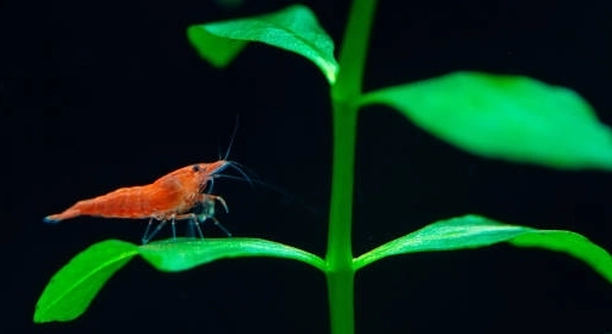
Are your cherry shrimp swimming in water that looks a little cloudy? It can be worrying at first, especially if you want your tank to stay healthy and your shrimp active. Cloudy water often signals changes.
Cherry shrimp can survive in cloudy water for short periods, provided the water parameters remain stable. Cloudiness usually results from bacterial blooms, leftover food, or substrate disturbance, which are not immediately harmful but should be monitored and corrected.
Understanding what causes cloudiness will help keep your shrimp safe and happy in the long term. Simple maintenance and observation can prevent small problems from becoming serious issues.
Causes of Cloudy Water
Cloudy water in a cherry shrimp tank usually comes from a few common issues. One main reason is a bacterial bloom, which happens when bacteria rapidly multiply in the water, often after adding new shrimp, plants, or food. Uneaten food and decaying plant matter can also contribute. Overfeeding is a frequent factor, especially when flakes or pellets sink and start decomposing on the substrate. Another cause is disturbing the substrate during cleaning or rearranging decorations, which can release fine particles into the water. Tap water that hasn’t fully treated or conditioned can introduce minerals or micro-particles, adding to cloudiness. Even a healthy, balanced tank can experience temporary cloudiness after maintenance, and it usually clears naturally. Observing water changes carefully and tracking feeding habits can help identify the source. Cloudy water is often temporary, but consistent monitoring ensures shrimp remain healthy and comfortable in their habitat.
Bacterial blooms are the most common cause and often resolve without intervention if the tank conditions are stable.
Preventing cloudy water involves managing feeding routines and avoiding disturbing the substrate unnecessarily. Regular water changes can maintain clarity while supporting shrimp health. Keeping an eye on leftover food is essential, as small amounts left behind can trigger bacterial growth quickly. Using a gentle filter can help capture debris without stressing shrimp. Choosing plants with strong roots prevents soil from floating freely. Avoid drastic cleaning that stirs sediment. Monitoring water chemistry, like ammonia, nitrite, and nitrate levels, ensures the environment remains suitable for shrimp. Simple steps can prevent recurring issues.
Effects of Cloudy Water on Cherry Shrimp
Temporary cloudiness rarely harms cherry shrimp, as they tolerate minor changes in water clarity without stress.
Prolonged exposure to dirty or unclear water, however, can affect shrimp health over time. Particles suspended in water may reduce light penetration, affecting plant growth and limiting the shrimp’s natural grazing on algae. High levels of organic matter can lead to ammonia spikes, stressing shrimp and slowing their metabolism. Stress can make them more susceptible to disease and reduce breeding activity. Cloudy water may also indicate improper filtration or overstocking, which can create unstable conditions. While cherry shrimp are hardy, maintaining clean, clear water ensures optimal molting, feeding, and overall activity. Regular water changes, careful feeding, and observation of tank conditions prevent most issues. If cloudiness persists, testing water parameters and adjusting care routines promptly is necessary. Ensuring proper aeration and minimal substrate disturbance keeps shrimp active and healthy, supporting both their physical well-being and natural behaviors.
How to Clear Cloudy Water
Cloudy water can be cleared by regular water changes and careful cleaning. Avoid overfeeding and remove leftover food promptly. Using a fine filter can capture floating debris without stressing the shrimp. Patience is key, as bacterial blooms often settle on their own.
Performing partial water changes of about 20–30 percent weekly helps maintain clarity while keeping water parameters stable. Avoid changing too much at once, as sudden shifts in temperature or chemistry can stress shrimp. Vacuuming the substrate gently removes debris without stirring it up excessively. Rinse filter media in tank water instead of tap water to preserve beneficial bacteria. Proper filtration, combined with controlled feeding and plant care, ensures that water stays clean naturally. Cloudy water is often temporary when these steps are followed consistently.
Introducing live plants or moss can assist in clearing water over time. Plants absorb nutrients and reduce excess organic matter, which helps prevent bacterial overgrowth. Mosses provide surfaces for beneficial bacteria, improving the tank’s biological balance. Avoid overcrowding the tank, as more shrimp produce more waste, contributing to cloudiness. Monitoring water parameters regularly ensures that changes are caught early. Overfeeding should be avoided, and any leftover food should be removed immediately. These measures work together to stabilize the environment and support healthy shrimp activity.
Preventing Cloudy Water
Keeping water clear starts with controlling feeding and tank maintenance. Avoid overfeeding, remove uneaten food, and monitor water conditions carefully to prevent future cloudiness.
Regular maintenance includes scheduled water changes and gentle substrate cleaning to prevent debris buildup. Using a filter with slow flow helps trap particles without disturbing shrimp. Live plants aid in absorbing excess nutrients, reducing bacterial blooms and providing oxygen. Testing water regularly ensures ammonia, nitrite, and nitrate levels stay safe. Avoid sudden additions of shrimp, plants, or decorations, as these can trigger temporary cloudiness. Proper tank care and balanced feeding habits minimize the risk of recurring cloudy water and keep shrimp healthy.
Preventive measures are often more effective than reacting to cloudy water after it appears. Establishing a consistent feeding routine prevents leftover food from decomposing, which directly reduces bacterial growth. Choosing the right number of shrimp for the tank size avoids overstocking and excessive waste accumulation. Regularly trimming plants and cleaning decorations prevents decaying matter from clouding the water. Monitoring water chemistry, including pH and hardness, ensures a stable environment. Combining careful observation with routine maintenance creates a sustainable habitat where cherry shrimp can thrive without frequent water clarity issues. Consistency is key to long-term success.
Common Mistakes to Avoid
Overfeeding is a major mistake that causes cloudy water quickly. Uneaten food decomposes and fuels bacterial growth, affecting water clarity and shrimp health.
Disturbing the substrate too much during cleaning can release particles into the water. Gentle cleaning and careful rearranging of decorations help maintain a clear tank consistently.
Choosing the Right Filter
Selecting a filter with gentle flow is important for cherry shrimp tanks. Strong currents can stress shrimp, causing them to hide and eat less. Sponge filters are ideal because they provide mechanical filtration without harming delicate shrimp. Filters also support beneficial bacteria, helping maintain water stability. Regular maintenance of the filter, like rinsing it in tank water, ensures it continues to trap debris effectively. Combining proper filtration with controlled feeding and routine water changes minimizes the chance of persistent cloudy water, promoting a healthy and balanced environment for shrimp.
Monitoring Water Parameters
Regularly checking ammonia, nitrite, and nitrate levels ensures shrimp stay healthy and water stays clear.
FAQ
Why is my cherry shrimp tank water cloudy even though I haven’t added anything new?
Cloudy water can occur naturally due to bacterial blooms, which happen when beneficial bacteria multiply rapidly. This often follows routine cleaning, slight overfeeding, or even small changes in water chemistry. It doesn’t always mean something is wrong, but observing the shrimp and water parameters helps ensure stability. Over time, the cloudiness usually settles as bacteria balance out.
Can cherry shrimp survive in cloudy water for long periods?
Short-term cloudiness is generally safe for cherry shrimp if ammonia, nitrite, and nitrate levels are stable. Prolonged exposure to poor water quality, however, can stress shrimp, affect molting, and increase susceptibility to disease. Maintaining regular water changes and monitoring feeding helps prevent long-term issues.
Does cloudy water harm shrimp babies?
Baby shrimp, or shrimplets, are more sensitive than adults. Cloudy water can reduce oxygen levels slightly and obscure surfaces where they graze. While temporary cloudiness is usually not harmful, persistent poor water conditions can affect growth and survival rates. Gentle care and clean water are essential for young shrimp.
How quickly does cloudy water clear up on its own?
The timeline varies depending on the cause. Bacterial blooms often clear within a few days if the tank is stable. Cloudiness from substrate disturbance may settle in hours or a day. If it lasts longer than a week, it usually signals a persistent issue, such as overfeeding, poor filtration, or excessive waste.
Should I change all the water when it becomes cloudy?
Full water changes are not recommended, as they can stress shrimp by causing sudden shifts in temperature and chemistry. Partial water changes of 20–30 percent are safer and more effective. Gentle substrate cleaning and careful removal of debris during this process help improve clarity without harming shrimp.
Can adding plants help reduce cloudiness?
Yes, live plants absorb excess nutrients and reduce the chance of bacterial blooms, which are often the main cause of cloudy water. Mosses and floating plants provide surfaces for beneficial bacteria and help filter the water naturally. Strong-rooted plants prevent substrate particles from floating freely.
Is cloudy water a sign of disease?
Not always. Cloudy water is more commonly caused by bacterial growth, overfeeding, or substrate disturbance. Disease in shrimp usually shows as visible signs like discoloration, lethargy, or unusual behavior. Observing shrimp carefully alongside water quality checks helps differentiate between harmless cloudiness and health issues.
What maintenance steps prevent cloudy water in the future?
Maintaining clear water involves a combination of regular partial water changes, gentle substrate cleaning, controlled feeding, and proper filtration. Monitoring water parameters such as ammonia, nitrite, nitrate, and pH ensures a stable environment. Trimming plants and avoiding overcrowding also reduce debris accumulation, keeping water clear consistently.
Can tap water cause cloudiness in a shrimp tank?
Tap water may contain minerals or micro-particles that create temporary cloudiness. Using a water conditioner before adding it to the tank neutralizes chlorine and chloramine and helps prevent mineral buildup. Letting tap water sit for a short period or using a filter can further reduce potential cloudiness.
Is it safe to use chemicals to clear cloudy water?
Chemical clarifiers can temporarily settle particles, but they don’t fix underlying causes like excess waste or bacterial imbalance. Overuse can stress shrimp or disrupt beneficial bacteria. Focus on proper maintenance and feeding habits for long-term clarity, using chemicals only if absolutely necessary and in safe doses.
How often should I monitor water conditions?
For a healthy cherry shrimp tank, water parameters should be checked at least weekly. More frequent checks may be needed when setting up a new tank, after introducing new shrimp, or if cloudiness or unusual behavior is observed. Monitoring helps prevent long-term stress and keeps shrimp thriving.
What role does feeding play in water clarity?
Feeding too much is the main contributor to cloudy water. Uneaten food decays and fuels bacterial growth. Feeding small amounts that shrimp can consume within a few hours prevents buildup. Observing how quickly food is eaten and adjusting portions helps maintain clean water and healthy shrimp.
Do I need a special filter for cherry shrimp?
Gentle filters like sponge filters are ideal because they provide mechanical filtration without creating strong currents that stress shrimp. Filters also support beneficial bacteria that stabilize water conditions. Regular maintenance of the filter ensures it continues trapping debris effectively while keeping the tank safe for shrimp.
Can overstocking cause cloudy water?
Yes, too many shrimp produce excess waste, which increases ammonia and encourages bacterial blooms. Maintaining an appropriate shrimp-to-tank ratio prevents water quality issues and keeps the environment stable. Combining proper stocking with regular cleaning and feeding control is key to avoiding persistent cloudiness.
How can I tell if the water is cloudy due to bacteria or debris?
Bacterial cloudiness usually looks milky and uniform, while debris or disturbed substrate appears as floating particles or sediment. Observing how quickly the cloudiness settles and checking for leftover food or substrate disturbance helps identify the cause. This ensures the right corrective actions are taken.
Are there any long-term effects of repeated cloudy water episodes?
Repeated exposure to poor water conditions can stress shrimp, slowing growth and breeding and increasing disease risk. Even if they survive, their activity and molting may be affected. Consistent maintenance, feeding control, and proper filtration prevent recurring episodes and support long-term shrimp health.
Can I prevent cloudy water without removing shrimp during cleaning?
Yes, gentle cleaning techniques like siphoning debris carefully and rinsing filter media in tank water reduce cloudiness without disturbing shrimp. Avoid aggressive stirring of substrate or sudden water changes. This approach maintains water clarity while keeping shrimp safe and stress-free.
Does lighting affect cloudy water?
Lighting itself doesn’t directly cause cloudiness, but strong light can encourage algae growth if nutrients are high. Algae blooms can contribute to cloudy water. Maintaining balanced lighting and proper nutrient levels supports clear water and healthy shrimp behavior.
How quickly should I act if water becomes cloudy?
Immediate action isn’t always necessary if parameters are stable. Observing shrimp and checking ammonia, nitrite, and nitrate helps determine urgency. If cloudiness persists beyond a few days or water parameters worsen, partial water changes and debris removal should be performed promptly to protect shrimp health.
Are certain shrimp breeds more sensitive to cloudy water?
Cherry shrimp are fairly hardy, but other dwarf shrimp varieties may be more sensitive to water quality changes. Even within cherry shrimp, newly molted shrimp are more vulnerable to stress caused by poor clarity or unstable conditions. Careful monitoring ensures all shrimp remain healthy.
Can cloudy water affect breeding?
Yes, prolonged poor water quality can stress shrimp and reduce breeding activity. Maintaining clear, stable water encourages normal behavior, feeding, and molting, all of which support successful reproduction. Proper maintenance is essential for shrimp of all ages.
What is the fastest way to restore clarity?
Partial water changes, gentle substrate cleaning, and removing leftover food are the quickest safe methods. Avoid overusing chemicals or filters with strong flow, as these can stress shrimp. Combining simple, consistent steps restores water clarity effectively without harming the tank environment.
Is it normal for water to be slightly cloudy after adding new shrimp or plants?
Yes, new additions often trigger temporary bacterial blooms or release particles from the substrate. This cloudiness usually resolves within a few days as the tank stabilizes and beneficial bacteria adjust to the new conditions. Consistent monitoring ensures shrimp remain safe during this period.
How do I prevent cloudiness when setting up a new tank?
Rinse substrate thoroughly, cycle the tank properly, and avoid overfeeding during the first weeks. Introducing shrimp gradually and using live plants helps establish beneficial bacteria, reducing the chance of bacterial blooms. Proper filtration and patient observation ensure a stable, clear environment from the start.
Can water hardness or pH affect cloudiness?
Extreme pH or hardness fluctuations can stress shrimp and affect bacterial balance, sometimes causing temporary cloudiness. Maintaining stable water chemistry within suitable ranges supports both water clarity and shrimp health. Gradual adjustments are safer than sudden changes.
Are floating particles a sign of poor tank management?
Not always. Small floating particles can result from substrate disturbance, leftover food, or natural detritus. However, frequent or persistent particles indicate the need for improved maintenance, feeding control, or filtration adjustments. Proper care prevents these issues from affecting shrimp health.
Does temperature affect cloudiness?
Temperature itself doesn’t cause cloudiness, but it can influence bacterial growth. Warm water can accelerate bacterial blooms, while cold water slows them. Maintaining stable temperature appropriate for cherry shrimp reduces sudden spikes in bacterial activity, helping water stay clearer.
How long should I wait before adding more shrimp after cloudiness?
Wait until water clears and parameters are stable. Adding shrimp during cloudiness can stress them and make monitoring difficult. Ensuring the tank environment is balanced supports healthy shrimp and reduces the risk of repeating cloudy water issues.
Can I use a UV sterilizer to fix cloudy water?
UV sterilizers can reduce free-floating bacteria and algae, but they don’t address the underlying causes of cloudiness. Proper feeding, regular water changes, and gentle substrate maintenance remain the most effective long-term solutions. UV use is optional and should complement standard care.
Is it normal for cloudiness to return after cleaning?
Yes, temporary cloudiness after cleaning is common due to disturbed substrate or filter media. It usually settles within hours or a day. Gentle cleaning and careful water changes minimize this effect, ensuring shrimp remain safe and stress-free.
How do I know if cloudiness is bacterial or from algae?
Bacterial cloudiness appears milky and uniform, while algae-related cloudiness is often greenish and may cling to surfaces. Observing the color and behavior of the water helps identify the source and determine the correct maintenance steps.
What are the most important steps to maintain clear water long-term?
Consistent feeding control, partial water changes, gentle substrate cleaning, proper filtration, live plants, and regular monitoring of water parameters are key. Combining these steps ensures stable water quality, supports shrimp health, and minimizes the chance of repeated cloudy water episodes.
Can stress from cloudy water affect shrimp color?
Yes, stressed shrimp may lose vibrancy temporarily. Persistent poor water conditions can impact health, molting, and coloration. Maintaining clear, stable water helps shrimp display natural bright colors and remain active.
Is it okay to leave cloudiness untreated if shrimp seem fine?
Short-term cloudiness is usually harmless if parameters are stable. Observing shrimp behavior and checking ammonia, nitrite, and nitrate ensures that cloudiness doesn’t indicate a hidden problem. Long-term untreated cloudiness can eventually cause stress, so monitoring is important.
Do live foods affect water clarity?
Live foods like brine shrimp or daphnia are generally safe, but uneaten portions can decompose and contribute to cloudiness. Feeding small amounts and removing leftovers prevents water quality issues while still providing proper nutrition.
Can gravel type influence cloudiness?
Fine or powdered substrates are more likely to stir up particles during cleaning, causing temporary cloudiness. Coarser gravel is less likely to float, helping maintain clear water while still providing surfaces for plants and bacteria.
Are chemical water conditioners always necessary?
Conditioners are important for neutralizing chlorine and chloramine in tap water. While not directly preventing cloudiness, they protect shrimp from harmful chemicals. Using them consistently ensures safe water and supports overall tank stability.
How often should I clean decorations to prevent cloudy water?
Cleaning decorations every few weeks, using gentle brushing and rinsing in tank water, prevents debris buildup. Avoid harsh scrubbing or tap water that can harm beneficial bacteria. This simple step reduces floating particles and helps maintain clear water consistently.
Does tank size affect cloudiness?
Smaller tanks are more prone to rapid water quality changes, making cloudiness appear faster. Proper stocking, filtration, and maintenance are critical in small tanks. Larger tanks buffer changes better but still require consistent care to maintain clarity.
Can I use a net to remove floating particles?
Yes, gently skimming visible debris with a net can reduce temporary cloudiness. Avoid stirring the substrate while doing this. Combined with proper filtration and water changes, this helps maintain clarity without stressing shrimp.
Is cloudy water more common in new tanks?
Yes, new tanks often experience bacterial blooms as beneficial bacteria establish. Temporary cloudiness is normal and usually resolves as the tank cycles. Patience and careful monitoring ensure shrimp stay healthy during this period.
Can over-aeration cause cloudiness?
Too much aeration can stir up substrate particles, creating temporary cloudiness. Moderate aeration supports oxygen levels without disturbing sediment. Balancing flow helps maintain clear water and a calm environment for shrimp.
Are shrimp affected by the smell of cloudy water?
Shrimp are more sensitive to chemical and ammonia changes than smells. A slight odor may accompany bacterial blooms, but the main concern is water chemistry. Monitoring ammonia, nitrite, and nitrate ensures shrimp remain safe regardless of odor.
How long can I leave cloudiness before it becomes dangerous?
Short-term cloudiness is rarely dangerous. If it persists beyond a week or water chemistry shows elevated ammonia, nitrite, or nitrate, action is needed. Prompt water changes, cleaning, and monitoring prevent stress and health issues.
Can adding snails help with cloudy water?
Snails can help consume leftover food and algae, indirectly reducing cloudiness. However, they also produce waste, so proper stocking and care are necessary to avoid worsening water quality. They should complement, not replace, standard maintenance practices.
Is cloudy water more likely in planted tanks?
Planted tanks are less prone to bacterial cloudiness because plants absorb excess nutrients. Temporary cloudiness may still occur after planting or trimming, but plants help stabilize the environment and improve overall water quality over time.
How do I balance feeding, plants, and filtration to prevent cloudiness?
Feed only what shrimp can eat quickly, trim plants as needed, and maintain gentle filtration. Observing the tank daily ensures debris is removed before it decomposes. Combining these practices keeps water clear and shrimp healthy consistently.
Can cloudy water affect shrimp behavior?
Yes, cloudy water can make shrimp more cautious or reduce activity, especially if water parameters are unstable. Temporary cloudiness usually has minimal effect, but persistent poor conditions can stress shrimp and change feeding or molting behavior.
Are there natural ways to speed up clearing cloudy water?
Live plants, moss, gentle filtration, and partial water changes are the safest ways. Avoid chemicals unless necessary. Encouraging beneficial bacteria through proper care balances the tank naturally, gradually clearing the water while keeping shrimp safe.
How important is patience when dealing with cloudy water?
Patience is key, especially with bacterial blooms or substrate disturbance. Rushing with full water changes or strong filtration can stress shrimp. Gentle observation and incremental maintenance allow the tank to stabilize safely and maintain long-term health.
Do I need to quarantine shrimp to prevent cloudy water?
Quarantining new shrimp prevents introducing debris, disease, or extra waste that may worsen water clarity. While not always required, it helps protect established shrimp and maintain a stable, clear environment.
Can cloudy water affect shrimp molting?
Persistent poor water conditions can stress shrimp, slowing molting or causing incomplete molts. Maintaining clean, stable water ensures shrimp molt normally, supporting growth and overall health.
Are there seasonal factors affecting cloudiness?
Seasonal temperature changes can influence bacterial activity, occasionally causing temporary cloudiness. Maintaining stable water conditions reduces this effect and supports shrimp health year-round.
What is the role of bacteria in a healthy shrimp tank?
Beneficial bacteria process waste, converting ammonia into nitrite and nitrate. Temporary blooms may cause cloudiness, but overall bacteria balance is essential for clear water and healthy shrimp. Proper maintenance supports this natural system.
Can I rely on cloudiness as a health indicator?
Cloudiness alone isn’t a reliable health indicator. Always check water parameters and observe shrimp behavior. Persistent cloudiness combined with poor parameters or unusual behavior signals a problem that needs attention.
How does substrate type impact bacteria and cloudiness?
Fine substrates can trap organic matter, encouraging bacterial blooms and temporary cloudiness. Coarser substrates reduce floating particles while still supporting beneficial bacteria. Selecting appropriate substrate helps maintain balance in the tank.
Is it normal for cloudiness to fluctuate daily?
Yes, minor daily fluctuations can occur due to feeding, filter activity, or shrimp movement. Significant, persistent changes indicate an underlying issue. Observing patterns helps identify causes and implement proper maintenance.
Can I prevent cloudiness entirely?
Complete prevention is unrealistic, but consistent maintenance, controlled feeding, proper filtration, live plants, and regular monitoring minimize occurrences. Temporary cloudiness may still appear, but it resolves quickly with proper care.
Do cloudiness issues differ in heated versus unheated tanks?
Heated tanks may experience faster bacterial growth, causing temporary cloudiness. Unheated tanks are slower to develop blooms. Stable temperature management supports water clarity and shrimp health regardless of heating.
What is the safest way to combine treatments for cloudiness?
Use partial water changes, gentle cleaning, and filtration first. Add plants or moss to absorb nutrients naturally. Avoid chemical clarifiers unless necessary, and always check water parameters before combining treatments. This ensures shrimp remain safe.
Can cloudiness affect shrimp lifespan?
Persistent poor water quality can shorten lifespan by causing stress, disease susceptibility, and poor molting. Short-term cloudiness rarely impacts lifespan, but maintaining stable, clean water supports long-term health and longevity.
How do I know when the water is safe after cloudiness?
Clear water alone isn’t enough. Test ammonia, nitrite, nitrate, and pH. Observe shrimp for normal activity, feeding, and coloration. When parameters are stable and shrimp behave normally, the tank environment is safe again.
Are there warning signs that cloudiness is serious?
Foul smell, persistent milky water, high ammonia or nitrite, or shrimp showing stress or lethargy indicate serious problems. Prompt action with water changes, debris removal, and parameter correction is needed to protect shrimp.
Can I keep multiple shrimp species together without affecting water clarity?
Yes, but consider waste production and feeding habits. Overstocking or mixing species with different needs can increase debris and cloudiness. Proper stocking, feeding control, and monitoring prevent water issues.
Does water movement affect cloudiness?
Strong currents can stir substrate and particles, increasing temporary cloudiness. Gentle water movement supports filtration and oxygenation without disturbing sediment, keeping water clear and shrimp comfortable.
How important is observation in preventing cloudy water?
Daily observation allows early detection of leftover food, substrate disturbance, or unusual behavior. Early intervention prevents minor issues from becoming persistent cloudiness, maintaining a healthy shrimp environment.
Are DIY filters effective for preventing cloudiness?
Yes, simple sponge or canister filters work if properly maintained. They provide gentle mechanical filtration and support beneficial bacteria. Regular cleaning ensures long-term effectiveness in keeping water clear.
Can adding more shrimp worsen cloudy water?
Yes, additional shrimp increase waste, which can fuel bacterial growth and cloudiness. Ensure the tank isn’t overstocked and water maintenance is consistent before adding more shrimp.
**How do I recover from severe cloudy water
Cloudy water in a cherry shrimp tank can feel alarming at first, but it is often a normal part of maintaining an aquarium. Temporary cloudiness usually results from bacterial blooms, leftover food, or disturbed substrate. These issues do not immediately harm shrimp, and most of the time the water will clear on its own if conditions are stable. Observing the shrimp and monitoring water parameters is important during these periods to ensure they remain healthy. By understanding the reasons behind cloudy water, it becomes easier to manage and prevent it in the future. Regular attention to the tank can prevent small problems from growing into more serious issues that affect the shrimp’s overall well-being.
Maintaining clear water relies on consistent care and simple daily practices. Controlling feeding is one of the most important steps. Overfeeding leaves uneaten food to decay, which contributes to cloudiness and affects water chemistry. Using a gentle filter helps capture particles without stressing the shrimp, and regular partial water changes remove excess nutrients and waste. Live plants are also helpful because they absorb nutrients and provide surfaces for beneficial bacteria, which support natural biological balance. Even gentle cleaning of the substrate and decorations helps prevent floating debris while avoiding disturbance that could temporarily cloud the water. These combined steps create an environment where shrimp can thrive without unnecessary stress or exposure to harmful water conditions.
Patience and careful observation are key in keeping a shrimp tank stable and healthy. Cloudiness often appears after new shrimp are added, after rearranging the tank, or following maintenance, and it usually resolves naturally as bacteria balance out. Long-term success depends on maintaining consistent water quality through monitoring ammonia, nitrite, nitrate, and pH levels. Avoiding overcrowding, feeding appropriately, and maintaining proper filtration helps reduce recurring cloudiness. By paying attention to these factors, shrimp remain active, healthy, and able to grow and reproduce normally. Understanding the small details of care, like substrate type and gentle water movement, contributes to a clear, stable environment. Overall, while cloudy water can seem concerning, it is manageable with simple, consistent practices that protect both water clarity and shrimp health.

Hello,
If you enjoy the content that we create, please consider saying a "Thank You!" by leaving a tip.
Every little bit helps us continue crafting quality advice that supports the health, happiness, and well-being of pets around the world, for pets of all shapes, sizes, and species.
We really appreciate the kindness and support that you show us!