
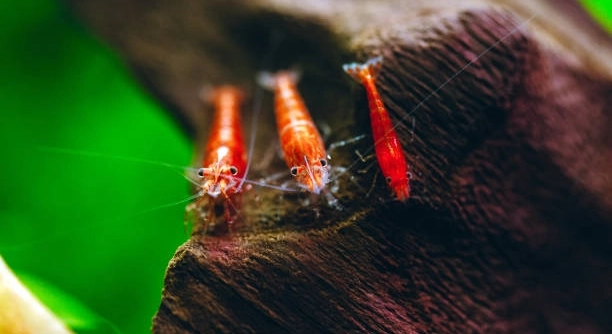
Cherry shrimp are tiny, vibrant creatures that bring life to freshwater aquariums. Observing them can be relaxing, and their delicate movements make them fascinating to watch. Many shrimp enthusiasts enjoy learning about their daily behaviors.
Cherry shrimp do not groom each other in the way mammals or birds do. They primarily clean themselves by using their legs and antennae to remove debris from their bodies, maintaining personal hygiene without relying on interaction with other shrimp.
Understanding how cherry shrimp maintain cleanliness helps aquarium owners provide the best environment. Their self-cleaning habits play a key role in their overall health and well-being.
Understanding Cherry Shrimp Behavior
Cherry shrimp are naturally clean animals that spend much of their time picking at surfaces and brushing their own bodies with their legs and antennae. They carefully remove algae, biofilm, and tiny debris from their shells. This self-maintenance is essential for their health, as buildup can lead to bacterial growth or hinder movement. Unlike some animals, they do not rely on social grooming to stay clean. Observing them can reveal small but fascinating behaviors, such as flicking their antennae to sense particles or rubbing against plants and decorations. These actions help them maintain a healthy exoskeleton while also allowing them to explore their environment safely. Providing hiding places and gentle water flow can support these behaviors, ensuring they have a comfortable and secure habitat. Watching their routines can be surprisingly calming, as each shrimp moves with precision and purpose.
Cherry shrimp mostly groom themselves individually. Social interaction rarely contributes to their cleaning behavior.
Proper care involves giving them space, clean water, and a safe environment. Their self-sufficient habits reduce the need for intervention.
Promoting a Healthy Aquarium Environment
Clean water and regular tank maintenance are key to healthy shrimp.
A well-maintained tank ensures cherry shrimp can perform their natural cleaning behaviors effectively. Removing excess food, managing algae growth, and monitoring water parameters help prevent disease and stress. Plants and soft substrates provide surfaces for biofilm to grow, giving shrimp natural grazing areas. Hiding spots reduce stress, allowing them to clean freely without feeling threatened. Light circulation and gentle filtration help distribute nutrients and keep water clear. Feeding a balanced diet with occasional supplements supports their exoskeleton and overall activity. Avoiding overcrowding is important, as it reduces competition for resources and minimizes stress-related behaviors. By observing their daily routines, you can notice changes that indicate potential health issues. Healthy shrimp are active, colorful, and consistently engage in self-grooming behaviors. Maintaining these conditions consistently fosters a thriving aquarium where cherry shrimp can flourish and display their full natural behavior.
Signs of a Healthy Shrimp
Healthy cherry shrimp are active and move steadily across surfaces. Their color is vibrant, and their legs and antennae move continuously. They regularly pick at algae and biofilm, indicating proper self-maintenance. Lack of activity or dull coloration can signal stress or poor water conditions.
Observing shrimp behavior over time can help identify patterns and potential health issues. Active shrimp will graze on biofilm, climb plants, and explore the tank. Their exoskeleton remains clean and intact, with no unusual spots or growths. Changes in swimming patterns, lethargy, or hiding excessively often point to water quality problems, diet deficiencies, or stress from tank mates. Maintaining stable water parameters and a balanced diet supports these behaviors.
Stress in cherry shrimp is often subtle but noticeable through small changes. Shrimp may stop eating temporarily, remain in hiding, or lose some color. Monitoring these indicators allows for timely adjustments, such as cleaning the tank, checking water parameters, or adjusting feeding. Recognizing these early signs ensures shrimp continue to thrive and maintain their natural self-grooming behaviors without intervention.
Creating a Shrimp-Friendly Tank
A shrimp-friendly tank balances plants, hiding spots, and open swimming areas to support natural behaviors. Regular maintenance keeps water clean and safe.
Providing soft substrate, live plants, and decorations helps shrimp navigate and graze efficiently. Hiding places reduce stress, allowing them to focus on feeding and self-cleaning. Gentle filtration ensures water circulation without disturbing shrimp. Monitoring water temperature, pH, and hardness maintains stability, which is essential for healthy growth. Feeding a varied diet, including algae wafers and blanched vegetables, strengthens their exoskeleton and supports color vibrancy. Overcrowding should be avoided to reduce competition and stress. Observing shrimp interactions in this environment provides insight into their well-being and natural grooming habits. By consistently maintaining these conditions, shrimp remain active, colorful, and healthy, showing their self-sufficient cleaning routines.
Common Grooming Misconceptions
Cherry shrimp are often mistaken for social groomers, but they do not clean each other. Each shrimp focuses on its own body, using its legs and antennae to remove debris. Observing multiple shrimp together may give the illusion of interaction.
Their close proximity is usually for feeding or resting, not grooming. Even in crowded tanks, self-maintenance remains individual.
Tools and Surfaces They Use
Shrimp utilize their legs, claws, and antennae to clean themselves efficiently. They brush algae, biofilm, and other particles off their exoskeleton. Surfaces such as plants, rocks, and decorations serve as natural cleaning aids, allowing shrimp to rub against them while maintaining hygiene. Their self-cleaning is constant and precise.
Observing Grooming Behavior
Watching shrimp groom themselves can reveal health and environmental cues. Regular cleaning indicates proper water conditions and minimal stress.
FAQ
Do cherry shrimp groom each other?
Cherry shrimp do not groom each other. They rely entirely on themselves to clean their bodies using their legs, claws, and antennae. Even when kept in groups, each shrimp maintains its own hygiene independently, using surfaces and decorations to assist with rubbing off debris or algae.
Why do shrimp rub against plants or decorations?
Shrimp often rub against surfaces to remove stubborn particles or to scratch areas that are harder to reach with their legs. This behavior is part of their self-cleaning routine and is essential for keeping their exoskeleton healthy and free of biofilm or algae buildup.
How often do cherry shrimp groom themselves?
Grooming is a constant activity for cherry shrimp. They move their legs and antennae frequently while exploring or feeding. This ongoing maintenance ensures that their shells remain clean, which supports proper molting, prevents infections, and keeps them agile and healthy within the tank.
Can stress affect grooming behavior?
Yes, stress can reduce grooming behavior. Factors like poor water quality, overcrowding, aggressive tank mates, or sudden changes in temperature can make shrimp hide or stop moving as much. When stressed, shrimp may neglect self-cleaning, which can lead to health issues if conditions are not corrected.
Do shrimp need special surfaces to groom effectively?
Providing textured surfaces, such as plants, rocks, or decorations, helps shrimp clean themselves efficiently. These surfaces allow them to rub and scrape particles off their exoskeleton. Smooth, bare tanks can limit natural grooming actions, so adding a variety of surfaces supports their self-maintenance behaviors.
Does diet affect grooming habits?
A proper diet indirectly supports grooming. Shrimp need nutrients like calcium for their exoskeleton and general health. A balanced diet keeps them active and strong, allowing them to perform natural grooming behaviors consistently. Poor nutrition can make them lethargic and reduce self-cleaning activity.
Will baby shrimp groom themselves?
Yes, baby shrimp begin self-grooming shortly after hatching. While they are smaller and more delicate, they use their legs and antennae to clean off debris and maintain a healthy exoskeleton. Observing juveniles grooming helps ensure they are developing normally and receiving proper care.
Can other tank inhabitants help with shrimp grooming?
Other species do not directly groom cherry shrimp. While some fish or snails may eat algae or biofilm in the tank, they do not clean shrimp. Each shrimp relies solely on its own movements and the surfaces around it for hygiene purposes.
How can I tell if a shrimp is not grooming properly?
Shrimp that are not grooming properly may appear dull, have algae or debris on their shells, or show slow movement. This can be caused by stress, illness, or poor water conditions. Addressing these issues early helps shrimp return to normal self-cleaning routines.
Does tank size affect grooming behavior?
Tank size can influence stress levels but not the act of grooming itself. Shrimp in a well-maintained tank of any size will groom themselves. Overcrowding or insufficient hiding spaces may reduce activity, which indirectly impacts how effectively they clean themselves.
How can I encourage proper grooming in my shrimp?
Maintaining clean water, providing hiding places, adding textured surfaces, and feeding a balanced diet all support natural grooming. Observing shrimp behavior regularly allows you to notice any decline in self-cleaning, ensuring they stay healthy and active.
Are cherry shrimp grooming behaviors visible at all times?
Grooming is subtle but constant. Shrimp may perform small movements of their legs and antennae while grazing or exploring. Close observation often reveals these behaviors, even when they appear still or resting. Their self-maintenance is a quiet but essential part of daily activity.
Can molting affect grooming habits?
During molting, shrimp focus on shedding their old exoskeleton and hardening the new one. Grooming may temporarily decrease as they are more vulnerable. After molting, grooming activity usually resumes quickly, and it is important to ensure water conditions and hiding spaces are optimal during this period.
Do all shrimp species groom themselves the same way?
Most freshwater shrimp species groom themselves similarly using their legs and antennae. Differences in size, exoskeleton type, and habitat preferences can influence how they perform these behaviors, but self-cleaning remains an individual activity across species.
Is it normal for shrimp to appear dirty sometimes?
Yes, it is normal for shrimp to have small amounts of biofilm or algae occasionally. This is part of their environment and does not indicate poor grooming unless debris accumulates excessively or persists over time. Consistent self-cleaning usually keeps their exoskeleton healthy.
How can I monitor grooming without disturbing shrimp?
Observation from outside the tank is the best method. Watching shrimp as they move, graze, and rub against surfaces provides insight into grooming behavior without causing stress. Minimal interference ensures natural behavior continues uninterrupted.
Does water flow impact grooming?
Gentle water flow helps distribute nutrients and particles, supporting grazing and cleaning behaviors. Strong currents can stress shrimp and reduce grooming efficiency. Optimal water circulation encourages healthy activity and allows shrimp to clean themselves effectively.
Can shrimp groom each other during mating?
Even during mating, cherry shrimp do not groom each other. Interactions are limited to mating behaviors, while grooming remains an individual activity. Observing mating pairs may show physical contact, but it is not related to hygiene or cleaning.
What role do antennae play in grooming?
Antennae are essential for grooming. They help shrimp sense debris, reach tight areas, and sweep particles away. Legs and claws perform most cleaning motions, but antennae guide and assist, making self-cleaning more precise and effective.
How long does a grooming session typically last?
Grooming is ongoing rather than in long sessions. Small movements are continuous while shrimp explore, graze, or rest. These repetitive actions accumulate to keep the exoskeleton clean, ensuring proper health without dedicated, lengthy periods of grooming.
Can water temperature changes affect grooming?
Significant temperature fluctuations can stress shrimp, reducing activity and self-cleaning. Maintaining stable conditions allows shrimp to continue grooming naturally, supporting molting, feeding, and overall health. Consistency in temperature is key for reliable daily behavior.
Do shrimp groom more when they are molting frequently?
After molting, shrimp often groom more actively to remove residual exoskeleton fragments and keep the new shell clean. Frequent molting indicates growth, and increased grooming helps maintain their exoskeleton integrity and prevents buildup that could impede development.
Can illness prevent proper grooming?
Yes, illness can reduce grooming. Infected or weakened shrimp may move less, fail to clean their exoskeleton properly, or hide excessively. Prompt attention to water quality, diet, and tank conditions can help restore normal grooming behavior and overall health.
Does the presence of algae affect grooming habits?
Algae can provide natural grazing opportunities, encouraging active movement and cleaning behaviors. However, excessive algae may require more maintenance and could make shrimp appear less clean if surfaces are heavily coated. Balanced algae growth supports their self-cleaning routines.
How can I tell if grooming behavior is normal?
Normal grooming includes regular leg and antenna movements, rubbing against surfaces, and occasional grazing. Active, vibrant, and alert shrimp performing these behaviors consistently indicate proper self-maintenance. Changes in color, lethargy, or debris accumulation suggest potential issues that need attention.
Are there any signs of over-grooming in shrimp?
Shrimp rarely over-groom. Constant cleaning is typical, but excessive rubbing against surfaces or frantic movements may indicate stress or irritation. Monitoring water quality, tank conditions, and tank mates helps prevent stress-related behaviors.
Do shrimp groom differently at night?
Shrimp continue grooming at night, but activity may decrease if lighting is off. They often rest in hiding spots, performing subtle cleaning movements. Observing nocturnal behavior can provide insight into their overall health and natural rhythms without disturbing them.
Can breeding impact grooming frequency?
Breeding may slightly shift attention from grooming to mating behaviors, but self-cleaning remains important. Females carrying eggs and males seeking mates still groom as needed to maintain exoskeleton integrity. Proper tank conditions support both reproductive and grooming behaviors efficiently.
Do shrimp groom their eggs or young?
Cherry shrimp do not groom their eggs or young. Females carry eggs under their abdomen and keep them aerated, but cleaning is limited to their own body. Juveniles start self-grooming shortly after hatching, maintaining independence from adult cleaning behaviors.
How do I encourage natural grooming in a new tank?
Introduce plants, textured surfaces, hiding spaces, and maintain stable water parameters. A varied diet and gentle water flow help shrimp explore and perform natural self-cleaning without interference, supporting healthy grooming routines from the start.
Are shrimp grooming habits influenced by tank mates?
Tank mates do not groom shrimp, but aggressive or fast-moving species can stress shrimp, reducing grooming activity. Peaceful companions allow shrimp to maintain their natural cleaning habits without interruption. Choosing compatible species supports a stable environment and proper self-maintenance.
How long does it take for shrimp to resume grooming after stress?
Recovery depends on the severity of stress. Minor disruptions may see shrimp return to regular grooming within hours. Larger disturbances, like water parameter changes or aggressive tank mates, may take days. Monitoring behavior ensures they return to healthy self-cleaning routines.
Can grooming be observed in shrimplets the same way as adults?
Shrimplets exhibit smaller, more delicate grooming motions. Their legs and antennae move to remove debris, similar to adults. Observation helps ensure juveniles are healthy and growing, performing normal self-maintenance from an early stage.
Do shrimp groom in groups?
Shrimp may appear to groom in groups, but each is cleaning itself independently. Group activity usually results from shared grazing spots or resting areas rather than cooperative grooming. Their self-maintenance remains individual, even in crowded conditions.
Is grooming essential for shrimp survival?
Yes, grooming keeps exoskeletons clean, prevents infection, and supports molting. Regular self-cleaning contributes to overall health, mobility, and color vibrancy, making it an essential behavior for thriving in an aquarium.
Final Thoughts
Cherry shrimp are fascinating creatures that manage their own hygiene without relying on others. Their grooming is an entirely individual behavior, carried out using their legs, claws, and antennae. They constantly brush away algae, biofilm, and small debris, ensuring their exoskeleton remains healthy and free of buildup. Observing this behavior highlights how self-sufficient they are, moving across plants, decorations, and substrate while cleaning themselves in subtle, precise motions. Each shrimp follows this routine consistently, regardless of the presence of other shrimp or tank mates, showing that personal maintenance is a priority over social interaction. Even when multiple shrimp are close together, their focus remains on their own grooming, and any interaction is typically related to feeding, resting, or mating rather than hygiene. This behavior emphasizes the importance of providing a proper environment that allows shrimp to carry out these natural actions freely.
A well-maintained tank supports these behaviors and overall shrimp health. Soft substrates, textured surfaces, plants, and gentle water flow provide the ideal conditions for shrimp to explore and groom themselves effectively. Regular maintenance, including removing excess food, monitoring water parameters, and managing algae growth, reduces stress and encourages consistent activity. A balanced diet also contributes, as proper nutrition keeps them active and supports exoskeleton strength. Stress factors such as overcrowding, aggressive tank mates, or poor water conditions can reduce grooming activity, making it clear that environmental stability is closely tied to their health. By observing shrimp daily, subtle changes in grooming or behavior can indicate potential problems early, allowing for timely adjustments. Understanding these needs ensures that shrimp continue their self-maintenance routines while remaining active, colorful, and healthy.
Grooming in cherry shrimp is a continuous, natural process that reflects their overall well-being. It is not limited to specific times or situations but is an ongoing part of their daily activity. Recognizing this behavior helps aquarium keepers better understand their shrimp and create conditions that support natural self-cleaning. Providing ample surfaces for rubbing, safe hiding spaces, clean water, and a proper diet ensures that each shrimp can maintain its exoskeleton efficiently and stay free from stress-related issues. Even juvenile shrimp begin self-grooming shortly after hatching, which shows how essential this behavior is for growth and survival. By supporting their natural grooming habits, caretakers help shrimp live long, healthy lives while maintaining the visual appeal of a vibrant, active tank. Observing these subtle yet important behaviors provides insight into shrimp needs, highlighting the connection between their self-sufficient cleaning routines and overall health. This understanding reinforces that proper care, attention, and a stable environment are the key factors for thriving cherry shrimp.

Hello,
If you enjoy the content that we create, please consider saying a "Thank You!" by leaving a tip.
Every little bit helps us continue crafting quality advice that supports the health, happiness, and well-being of pets around the world, for pets of all shapes, sizes, and species.
We really appreciate the kindness and support that you show us!