
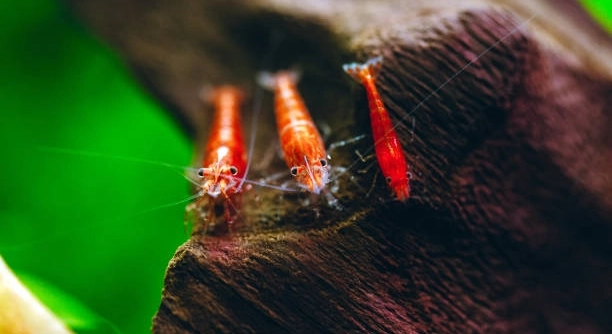
Cherry shrimp are charming additions to home aquariums, admired for their bright colors and delicate movements. Many hobbyists notice them grazing on algae and wonder how much of their diet can rely solely on this natural food source.
Cherry shrimp cannot survive on algae alone for long-term health. While algae provides some essential nutrients, it lacks complete protein and vitamins required for growth, reproduction, and immunity. A balanced diet with supplemental foods is necessary to maintain a healthy shrimp population.
Providing a well-rounded diet ensures your shrimp remain active and vibrant while supporting their natural behaviors and overall well-being in the aquarium.
Understanding Cherry Shrimp Nutrition
Cherry shrimp naturally graze on biofilm, algae, and plant matter in their habitat. While algae is often the most visible part of their diet, it does not supply all the nutrients they need. Proteins, calcium, and essential vitamins are necessary for molting, growth, and reproduction. Without these nutrients, shrimp can experience slow growth, weaker shells, and reduced fertility. Many hobbyists assume that a heavily planted tank with abundant algae can sustain shrimp indefinitely, but supplemental feeding is important. Commercial shrimp foods, blanched vegetables, and occasional protein sources like brine shrimp or daphnia can fill the nutritional gaps. Observing shrimp behavior helps indicate dietary sufficiency; active, bright-colored shrimp usually have balanced nutrition, while pale or lethargic shrimp may need dietary adjustments. Maintaining a varied diet supports healthy populations and ensures shrimp continue to thrive in a home aquarium environment, keeping their activity and coloration at optimal levels.
Algae alone is insufficient for maintaining long-term health in cherry shrimp.
Even in tanks with plenty of algae, relying on it solely can compromise shrimp vitality. Supplemental feeding ensures they grow properly, molt successfully, and reproduce consistently, supporting a strong and resilient shrimp population.
Signs Your Shrimp Need More Than Algae
Shrimp that appear smaller, paler, or less active often need a more complete diet.
Providing a combination of algae, prepared foods, and occasional protein helps prevent deficiencies. Shrimp require calcium for strong exoskeletons, protein for growth, and vitamins for overall health. Regular observation of their activity and coloration can indicate whether their diet meets these needs. Overfeeding should be avoided, as excess food can harm water quality and reduce tank health. Balancing feeding schedules and food types supports consistent molting and reproduction. Even with thriving algae growth, supplemental nutrition ensures shrimp maintain energy levels and vibrant colors.
To meet their nutritional needs, include blanched vegetables like zucchini or spinach, small amounts of high-quality shrimp pellets, and occasional protein treats. Rotate foods to cover all necessary nutrients, observing shrimp for signs of improvement. A diverse diet promotes proper molting cycles, keeps them active, and strengthens their immune systems. Tanks with varied feeding routines show healthier shrimp populations, better coloration, and more consistent breeding. Balancing natural grazing with supplemental feeding creates a stable environment where shrimp thrive without overloading the water with uneaten food. Consistent attention to diet and tank conditions ensures shrimp remain healthy and active over time.
Common Algae Types in Shrimp Tanks
Green algae and brown algae are the most common in freshwater tanks. Green algae grow on surfaces and plants, while brown algae often appear on glass and decorations. Both provide some nutrition, but they do not fully meet cherry shrimp’s dietary needs.
Green algae can be grazed daily by shrimp, offering small amounts of protein and fiber. Brown algae, while less palatable, may supply minor minerals. Relying solely on these algae types will leave shrimp lacking essential vitamins, calcium, and amino acids. Supplementing with vegetables or specialized shrimp foods ensures proper growth, molting, and overall health, while maintaining a balanced diet prevents nutritional deficiencies over time.
Even abundant algae cannot replace a varied diet. Cherry shrimp benefit from supplemental feeding with blanched vegetables, high-quality shrimp pellets, and occasional protein treats. Rotating foods ensures they receive necessary nutrients, supporting active behavior, strong shells, and successful reproduction. Overfeeding should be avoided, but controlled supplementation keeps the shrimp healthy while they continue grazing on natural algae sources.
Tips for Supporting Shrimp Health
Monitoring water quality and algae growth helps maintain shrimp health. Proper filtration and regular water changes prevent nutrient imbalances and algae overgrowth.
Providing a balanced diet alongside natural grazing keeps shrimp active and vibrant. Blanched vegetables such as zucchini, spinach, or cucumber offer essential vitamins and fiber, while protein-rich foods like brine shrimp or daphnia support growth and molting. Commercial shrimp pellets provide a reliable nutrient base. Observation is key: shrimp should show bright coloration, regular activity, and successful molting cycles. Combining natural algae consumption with diverse supplemental feeding ensures shrimp remain healthy, reproduce consistently, and develop strong exoskeletons. Maintaining this balance reduces stress and supports a thriving aquarium environment.
Algae Growth Management
Controlling algae growth ensures shrimp have a sustainable food source without harming water quality. Light exposure, nutrient levels, and tank maintenance all influence algae development.
Overgrowth can lead to poor water conditions and stress for shrimp. Regular trimming of plants and monitoring light duration helps maintain a healthy balance in the aquarium.
Supplemental Foods for Cherry Shrimp
Blanched vegetables like zucchini, spinach, and cucumber provide fiber and essential vitamins. Protein sources such as brine shrimp or daphnia support growth and molting. High-quality commercial shrimp pellets offer balanced nutrition for long-term health. Combining these foods with natural grazing ensures shrimp receive all required nutrients consistently.
Feeding Schedule Recommendations
Feeding small amounts once or twice daily prevents overfeeding and maintains water quality.
Observing shrimp behavior helps adjust feeding amounts. Active shrimp with bright coloration indicate sufficient nutrition, while pale or lethargic shrimp may need diet adjustments or more frequent supplementation.
FAQ
Can cherry shrimp survive on algae alone?
Cherry shrimp can eat algae for short periods, but it does not provide all necessary nutrients. Relying solely on algae can lead to slower growth, weaker shells, and reduced reproductive success. A varied diet with supplemental foods is essential to maintain health and longevity in a home aquarium.
What types of algae are safe for shrimp to eat?
Green algae and brown algae are the most common and safe types for cherry shrimp. Green algae grow on plants and surfaces and are easily grazed. Brown algae on glass or decorations can be eaten occasionally. Avoid algae with chemical contamination or algae from unknown sources.
How often should I supplement their diet?
Supplemental feeding once or twice daily in small amounts works best. Vegetables, protein sources, and commercial shrimp pellets help fill nutritional gaps. Observing shrimp behavior and color can guide adjustments. Overfeeding can harm water quality and should be avoided.
Which vegetables are suitable for cherry shrimp?
Blanched zucchini, spinach, cucumber, and peas are commonly used. Vegetables provide fiber, vitamins, and minerals essential for molting and overall health. They should be blanched to soften them and remove harmful bacteria. Feeding vegetables a few times a week keeps shrimp healthy.
Can protein-only foods replace algae?
Protein-only foods like brine shrimp or daphnia are important but should not replace algae entirely. Shrimp need fiber, vitamins, and minerals from algae and plant matter. Combining natural grazing with supplemental protein ensures balanced nutrition, proper growth, and regular molting cycles.
How can I tell if my shrimp are underfed?
Signs include pale coloration, lethargy, slow growth, or difficulty molting. Shrimp may graze constantly without showing energy. Monitoring activity and molting cycles helps identify dietary deficiencies. Adjusting feeding types and frequency usually improves shrimp health and coloration.
Is it okay to let shrimp graze freely without feeding?
Occasional grazing is fine, but relying only on natural algae is risky. Algae growth can fluctuate, leading to nutrient deficiencies. A consistent supplemental diet ensures shrimp receive all necessary proteins, minerals, and vitamins regardless of algae abundance.
Do shrimp eat all algae types equally?
Shrimp prefer green algae and biofilm over brown algae. Some algae may be too tough or low in nutrients. Observing feeding habits allows you to offer suitable alternatives or supplements to cover nutritional gaps and maintain shrimp health.
How much commercial shrimp food is enough?
Feed only what shrimp can consume in a few hours. Excess food decays and affects water quality. Balanced feeding with a mix of pellets, vegetables, and occasional protein provides complete nutrition without risking tank conditions.
Can algae supplements replace fresh algae?
Algae supplements like powders or wafers help provide nutrients but cannot fully replicate natural grazing benefits. Shrimp enjoy scraping surfaces and ingesting biofilm. Combining supplements with natural algae and other foods ensures comprehensive nutrition and supports normal behaviors.
What are the consequences of a poor diet?
Insufficient nutrients lead to slow growth, weak exoskeletons, molting issues, poor coloration, and reduced reproduction. Long-term deficiencies increase vulnerability to disease and stress. Maintaining a varied diet is crucial for healthy, active, and resilient shrimp populations in any aquarium.
How do I balance algae and supplemental feeding?
Observe shrimp grazing patterns and color. Feed supplemental foods in small portions while allowing shrimp to graze on algae freely. Adjust feeding based on shrimp activity and algae availability, ensuring they receive complete nutrition without compromising water quality.
Can juvenile shrimp survive on algae alone?
Juvenile shrimp have higher nutritional needs for growth. Algae alone is insufficient and can lead to stunted development. Providing a combination of algae, blanched vegetables, and high-protein foods supports proper molting, growth, and survival rates in young shrimp.
Are there any risks of overfeeding shrimp?
Yes, overfeeding can cause uneaten food to decay, increase ammonia levels, and reduce water quality. It can also lead to obesity or molting problems. Feeding small, controlled portions alongside natural grazing maintains a healthy tank and thriving shrimp population.
Do shrimp require calcium supplements?
Calcium is essential for exoskeleton development and molting. While some minerals come from water and algae, additional calcium sources like cuttlebone or mineral-rich foods help prevent weak shells and molting issues. Regular monitoring ensures shrimp receive adequate calcium for healthy growth.
Can shrimp survive in a tank without algae?
Shrimp can survive if provided with a well-balanced diet including vegetables, protein, and commercial shrimp food. Algae contributes to natural grazing behavior and nutrient variety but is not strictly necessary if their diet covers all essential nutrients consistently.
How often should I clean leftover food?
Leftover food should be removed within a few hours to prevent decay and maintain water quality. Regular observation and cleaning prevent excess organic matter from causing stress or disease, keeping the tank environment safe and healthy for all shrimp.
Is biofilm enough for shrimp nutrition?
Biofilm provides some protein and nutrients, but it is not sufficient alone. It is a good supplement but should be combined with vegetables, protein sources, and commercial foods to ensure proper growth, molting, and reproduction over time.
What is the best combination of foods for balanced nutrition?
A mix of natural algae, biofilm, blanched vegetables, protein sources like brine shrimp, and high-quality shrimp pellets covers all essential nutrients. Rotating foods and monitoring shrimp behavior helps maintain health, strong shells, proper molting, and consistent reproductive performance.
How do seasonal changes affect feeding needs?
Temperature and light fluctuations affect shrimp metabolism and algae growth. Warmer conditions may increase appetite, requiring slightly more supplemental feeding. Observing shrimp activity and adjusting diet seasonally ensures consistent nutrition and supports overall health and vitality throughout the year.
Final Thoughts
Cherry shrimp are small but complex creatures that require more than just algae to thrive. While they naturally graze on algae and biofilm, these alone do not supply all the nutrients they need for growth, reproduction, and strong exoskeletons. Observing shrimp behavior, coloration, and activity levels can reveal whether their diet is sufficient. Healthy shrimp are active, brightly colored, and molt regularly, while shrimp with nutrient deficiencies may appear pale, lethargic, or struggle during molting. Algae provides some essential nutrients and helps shrimp maintain natural grazing behaviors, but relying on it exclusively is not enough for long-term health. Supplementing their diet with vegetables, protein sources, and high-quality commercial shrimp foods ensures they receive balanced nutrition and remain vibrant.
Providing a variety of foods is key to maintaining a stable and healthy shrimp population. Blanched vegetables such as zucchini, spinach, and cucumber offer fiber, vitamins, and minerals that shrimp cannot get from algae alone. Protein-rich foods like brine shrimp or daphnia support growth and molting, while commercial shrimp pellets provide a reliable source of balanced nutrients. Rotating these foods ensures that shrimp receive a comprehensive diet, covering all essential amino acids, vitamins, and minerals. Observing feeding habits and adjusting portions is important, as overfeeding can harm water quality and stress shrimp. A consistent routine that combines natural algae grazing with supplemental feeding maintains a strong, healthy, and active shrimp population. This approach also encourages proper molting, consistent reproduction, and longer lifespans in a home aquarium.
Maintaining water quality alongside a proper diet is equally important for shrimp health. Algae growth alone does not guarantee a healthy tank; filtration, water changes, and controlled light exposure are necessary to prevent excess nutrients from creating poor water conditions. Shrimp benefit from a balanced environment where they can graze naturally while receiving supplemental nutrition. Providing calcium through mineral-rich foods or cuttlebone helps strengthen exoskeletons, reducing molting issues. Careful observation of shrimp behavior, combined with attention to feeding and tank conditions, allows you to meet their needs effectively. By balancing algae, supplemental foods, and water quality management, cherry shrimp can thrive, showing vibrant colors, active behaviors, and healthy reproduction over time. This ensures that they remain a lively and rewarding addition to any freshwater aquarium.

Hello,
If you enjoy the content that we create, please consider saying a "Thank You!" by leaving a tip.
Every little bit helps us continue crafting quality advice that supports the health, happiness, and well-being of pets around the world, for pets of all shapes, sizes, and species.
We really appreciate the kindness and support that you show us!