
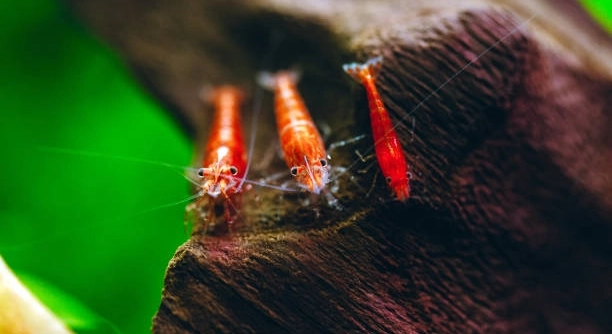
Are your cherry shrimp looking dull despite careful care in the tank? Many hobbyists face the challenge of maintaining vibrant coloration in these small, delicate freshwater creatures. Proper techniques can enhance their natural hues quickly and safely.
Improving cherry shrimp color requires a combination of dietary enrichment, optimal water parameters, and environmental adjustments. Providing high-quality food, stable conditions, and appropriate tank decorations stimulates pigmentation and promotes the shrimp’s overall health and vibrancy.
By implementing a few targeted strategies, you can help your cherry shrimp display their brightest colors and thrive in your aquarium. These practical steps make a noticeable difference in their appearance.
Provide a High-Quality Diet
A balanced diet is one of the most effective ways to enhance cherry shrimp color. Shrimp respond well to foods rich in carotenoids, such as specialized shrimp pellets and natural options like spirulina. Including fresh vegetables like spinach or zucchini in small amounts also supports pigmentation and overall health. Feeding them consistently but in moderation prevents overfeeding, which can cloud water and affect coloration. Variety in their diet ensures that shrimp receive essential nutrients that encourage deeper reds and brighter shades. Avoid cheap flakes that lack the necessary nutrients, as these often result in pale or washed-out shrimp. Supplements designed for shrimp can be added occasionally to give an extra boost to their natural colors. Maintaining a clean feeding routine also prevents uneaten food from decaying, which could harm water quality and reduce the intensity of colors.
Consistent, nutrient-rich feeding directly improves the shrimp’s natural hues, allowing for a noticeable difference in color intensity over time.
Including a mix of high-quality pellets, algae-based foods, and fresh greens helps maintain a stable color pattern in cherry shrimp. Observing how your shrimp respond to these foods can guide you in adjusting quantities and combinations for optimal pigmentation. Over time, shrimp become visibly healthier, showing more vibrant and uniform coloring across their bodies. The right diet not only impacts appearance but also strengthens their immune system and longevity, creating a healthier and more active aquarium population.
Maintain Stable Water Parameters
Stable water conditions are critical for vibrant shrimp coloration. Sudden changes in temperature, pH, or hardness stress shrimp and can cause colors to fade. Monitoring water regularly ensures conditions remain within optimal ranges for cherry shrimp, promoting both health and pigmentation.
Fluctuations in tank conditions often lead to stress, which reduces the intensity of color. Keeping parameters steady prevents this and supports consistent color development.
Maintaining consistent temperature, pH, and mineral levels is essential for shrimp to display their best colors. Cherry shrimp thrive in temperatures between 72°F and 78°F and prefer slightly acidic to neutral water with pH around 6.5–7.5. Regular testing for ammonia, nitrites, and nitrates is equally important, as even small spikes can harm shrimp and dull their colors. Using gentle filtration, performing partial water changes, and avoiding overcrowding all help sustain a stable environment. When shrimp are not stressed, their metabolism supports brighter pigments, and subtle adjustments, such as adding trace minerals or calcium, can further enhance coloration. Clean substrate and well-maintained plants also contribute to a healthy, visually appealing environment that encourages the best natural hues.
Increase Natural Light Exposure
Cherry shrimp benefit from moderate natural light, which helps enhance their coloration. Avoid direct sunlight that could overheat the tank or promote algae growth, but ensure they receive enough light to support healthy plant growth and natural behavior.
Proper lighting encourages shrimp to display their vibrant colors consistently. Natural light helps plants grow, which in turn provides hiding spots and grazing areas for shrimp. Balanced lighting prevents pale or dull coloration by stimulating natural pigments. Using a timer for artificial lights can mimic day-night cycles, reducing stress and supporting regular activity. Observing shrimp under consistent lighting makes it easier to notice subtle changes in color and health, allowing for timely adjustments.
Too little light can cause shrimp to lose intensity in their coloration, while excessive light stresses them. Maintaining a moderate lighting schedule, combined with shaded areas and live plants, provides a balanced environment that keeps shrimp active and colorful. Rotating tank placement or adjusting light duration ensures even exposure. Watching how shrimp respond helps fine-tune the setup for maximum vibrancy. Supplementing with low-intensity LED lighting designed for aquariums can also improve visual color without stressing the shrimp.
Add Color-Enhancing Supplements
Color-enhancing supplements can improve pigment development in cherry shrimp when used correctly. These supplements often contain carotenoids or astaxanthin, which are absorbed to deepen red and orange shades naturally.
Using supplements occasionally supports shrimp coloration without replacing a balanced diet. Overuse may lead to water quality issues, so dosage and frequency should follow product recommendations. Supplements work best when paired with a nutrient-rich feeding plan and stable tank conditions.
Introducing supplements gradually allows shrimp to adjust and absorb pigments efficiently. Many hobbyists notice brighter colors within a few weeks, particularly in younger or recently molted shrimp. Supplements can also support general health, aiding in molting and immunity. Observing shrimp after supplementation helps determine if adjustments are needed. Combined with good water quality, proper lighting, and a varied diet, color-enhancing supplements provide a safe and effective way to improve the vibrancy of your cherry shrimp population without adding stress or instability to the tank environment.
Use Dark Substrate
A darker substrate makes cherry shrimp colors stand out more. Reds and oranges appear richer against black or deep brown gravel, highlighting their natural pigmentation in contrast to the background.
Dark substrates also reduce stress by providing a sense of security. Shrimp feel safer, which encourages active behavior and natural color display.
Keep Plants in the Tank
Live plants provide hiding spots and surfaces for grazing, which improves shrimp health and coloration. They also stabilize water conditions and create a more natural environment that supports pigment development.
Avoid Overcrowding
Too many shrimp in a tank increases stress and competition for food. Overcrowding can lead to faded colors and unhealthy behavior.
Maintaining appropriate population density ensures each shrimp has access to nutrients, hiding spaces, and consistent water quality, all of which support brighter coloration.
FAQ
How quickly can I expect cherry shrimp colors to improve?
Color improvement varies depending on diet, water quality, and tank conditions. With proper care, some shrimp may show noticeable changes within two to four weeks, while others may take longer. Younger shrimp or those recently molted often respond faster to enhanced nutrition and stable environments.
What foods are best for enhancing shrimp color?
High-quality shrimp pellets enriched with carotenoids are most effective. Supplementing with natural sources like spirulina, blanched spinach, zucchini, and occasional algae wafers provides essential nutrients. Variety ensures shrimp receive all necessary vitamins and minerals for pigmentation and overall health. Avoid overfeeding to prevent water quality issues that can dull color.
Can water parameters affect shrimp coloration?
Yes, unstable water conditions cause stress, which can fade shrimp colors. Maintaining a temperature between 72°F and 78°F, pH around 6.5–7.5, and stable hardness levels is crucial. Regular testing for ammonia, nitrites, and nitrates helps ensure a healthy environment that supports pigmentation.
Do supplements really make a difference?
Color-enhancing supplements, such as those containing carotenoids or astaxanthin, can deepen red and orange shades. They work best alongside a balanced diet and stable water parameters. Use supplements sparingly to avoid water issues, and monitor shrimp response to adjust dosage.
Does substrate color impact shrimp appearance?
Yes, dark substrates highlight natural colors, making reds and oranges more vivid. Black or deep brown gravel provides contrast while also creating a sense of security for shrimp, encouraging active behavior and natural pigment display. Light-colored substrates may make shrimp appear paler.
How important is tank lighting?
Moderate natural or artificial light encourages plant growth and stimulates shrimp pigmentation. Avoid direct sunlight to prevent overheating and algae blooms. Using timers to mimic natural day-night cycles reduces stress and helps shrimp maintain consistent coloration.
Will overcrowding affect shrimp color?
Overcrowding increases stress and competition for food, which can lead to faded colors and unhealthy behavior. Keeping the population within recommended limits ensures each shrimp has enough space, access to nutrients, and a stable environment to display optimal coloration.
Are live plants necessary for color enhancement?
While not strictly required, live plants support shrimp health by providing grazing surfaces, hiding spots, and natural water stabilization. Healthier shrimp display brighter and more consistent colors. Plants also reduce stress, which indirectly promotes stronger pigmentation.
Can shrimp lose color after molting?
Yes, shrimp often appear pale immediately after molting. Their colors gradually return as they harden and recover. Providing nutrient-rich food and stable tank conditions during this period helps restore and enhance pigmentation efficiently.
Is it possible to overfeed for color enhancement?
Overfeeding can harm water quality and reduce shrimp color intensity. Only provide what they can consume in a few hours, remove leftovers, and maintain a balanced feeding routine to support both health and vibrant coloration.
How can I monitor if my shrimp are healthy and colorful?
Observe shrimp daily for activity, feeding behavior, and intensity of color. Bright, evenly colored shrimp that are active and grazing are healthy. Pale, inactive, or hiding shrimp may indicate stress, poor diet, or water issues that need attention.
Do shrimp colors improve with age?
Yes, shrimp often develop deeper coloration as they mature, especially when provided with proper nutrition and stable water conditions. Young shrimp may be pale initially but will intensify in color over several molts.
Are certain breeds more vibrant than others?
Some cherry shrimp strains naturally display more intense reds, oranges, or even black patterns. Combining genetics with optimal care ensures maximum coloration potential. Choosing high-quality, selectively bred shrimp increases the chances of vibrant, long-lasting colors.
How do I prevent fading colors long-term?
Maintain a balanced diet, stable water parameters, moderate lighting, appropriate population density, and occasional supplements. Regular tank maintenance and observation help prevent stress, disease, and nutrient deficiencies, all of which contribute to fading coloration.
Can stress cause permanent color loss?
Chronic stress can weaken pigmentation, but temporary fading from short-term stress usually recovers with proper care. Reducing environmental stressors, such as sudden water changes or overcrowding, is essential for long-term vibrancy.
How often should I use color-enhancing supplements?
Use supplements sparingly, typically once or twice a week, to avoid water quality issues. Monitor shrimp response and adjust frequency if necessary. Supplements work best in conjunction with a nutrient-rich diet and stable tank conditions.
Will tank decorations affect shrimp color?
Decorations themselves don’t directly enhance color, but they provide hiding spaces and reduce stress, which allows shrimp to display natural pigmentation. Plants, rocks, and driftwood can create a more comfortable environment that indirectly supports vibrant colors.
Can changing the diet suddenly harm shrimp?
Sudden dietary changes may stress shrimp and temporarily affect color. Introduce new foods gradually while maintaining a balanced feeding schedule to prevent negative impacts and ensure continued pigment development.
Is water temperature adjustment necessary for color enhancement?
Maintaining a stable temperature within the optimal range (72–78°F) supports metabolism and pigment development. Sudden fluctuations can stress shrimp and fade colors. Use heaters or chillers as needed to ensure consistent conditions.
How long does it take to see results with proper care?
With consistent diet, stable water parameters, moderate lighting, and supplements, visible improvements in color often appear within two to six weeks. Younger or recently molted shrimp may show faster results, while older individuals may require longer.
Can I combine multiple methods for faster results?
Yes, combining a high-quality diet, supplements, stable water, dark substrate, and moderate lighting provides the most effective way to enhance color quickly and safely. Observing shrimp responses helps fine-tune adjustments.
Are there risks to enhancing shrimp color artificially?
Using supplements and proper care poses minimal risk if done carefully. Avoid overfeeding, overdosing supplements, or making sudden environmental changes, as these can stress shrimp and reduce water quality, which negatively affects pigmentation.
Does breeding affect color intensity?
Yes, selectively breeding shrimp with strong pigmentation produces offspring with more vibrant colors. Genetic factors combined with optimal care maximize color potential. Avoid breeding pale or weak-colored shrimp if maintaining strong coloration is a goal.
Can shrimp regain lost color after illness?
If illness caused fading, shrimp can regain color once health is restored through proper nutrition, water management, and stress reduction. Recovery may take multiple molts depending on the severity of the condition.
Is tank size important for color display?
Tank size affects stress levels and population density. A properly sized tank with enough space allows shrimp to forage, hide, and interact naturally, which encourages consistent coloration and healthy behavior.
Do all shrimp respond the same to color-enhancing methods?
Individual shrimp may respond differently based on age, genetics, and health. Some will show rapid improvements, while others may require longer periods of care to achieve noticeable color enhancement. Observation and adjustments are key.
Are natural foods more effective than supplements?
Natural foods provide essential nutrients and promote general health, while supplements specifically target pigmentation. Combining both offers the best results, as natural foods support overall vitality and supplements enhance visible color.
How do I balance diet and supplements?
Feed a nutrient-rich diet daily and use color-enhancing supplements occasionally. Monitor shrimp for health, color intensity, and water quality to maintain optimal conditions without overloading the tank with nutrients or additives.
Does molting affect the need for supplements?
After molting, shrimp are temporarily pale and may benefit from a slightly higher nutrient intake to restore pigmentation. Gradual reintroduction of supplements supports pigment recovery while maintaining water quality.
Can lighting alone improve shrimp color?
Moderate lighting enhances visibility and supports plant growth, which indirectly improves shrimp coloration. However, lighting alone won’t deepen pigment without proper diet and stable water conditions. It works best in combination with other care methods.
What signs indicate that my shrimp are showing improved color?
Brighter red or orange shades, more uniform pigmentation, and overall healthy appearance indicate improvement. Active behavior and grazing patterns also suggest shrimp are thriving and responding well to care adjustments.
Are stress-reducing methods essential for color enhancement?
Yes, minimizing stress through stable water, hiding spots, proper tank mates, and avoiding overcrowding is critical. Stress negatively affects pigment production, and reducing it ensures that shrimp display their full color potential.
Do I need special equipment for color improvement?
No special equipment is required beyond standard aquarium essentials. Proper filtration, heater, lighting, and water testing tools are sufficient. Supplements and high-quality foods complement these basics for effective color enhancement.
Can seasonal changes impact shrimp color?
Temperature and light fluctuations with seasonal changes can affect shrimp stress levels and pigmentation. Maintaining stable tank conditions regardless of season supports consistent color and overall health.
Is it necessary to track shrimp color over time?
Monitoring color helps identify trends and potential issues early. Keeping notes or photos can track progress and ensure adjustments in diet, supplements, or environment are effective for enhancing pigmentation.
Are there alternatives to color-enhancing supplements?
Natural foods rich in carotenoids, live plants, and proper tank management can enhance color without supplements. While results may be slower, these methods support long-term health and pigmentation safely.
Do tank mates affect shrimp color?
Aggressive or fast-moving tank mates can stress shrimp, causing paler coloration. Choosing peaceful species and providing hiding spaces ensures shrimp feel secure and maintain vibrant colors.
How can I combine diet, supplements, and environment effectively?
Provide a balanced diet daily, add supplements occasionally, maintain stable water parameters, moderate lighting, dark substrate, and live plants. Observing shrimp responses helps fine-tune all factors for maximum pigmentation.
Are there long-term risks to color enhancement?
When done carefully with attention to water quality and feeding routines, there are minimal risks. Avoid overuse of supplements, overcrowding, and sudden environmental changes to prevent stress and maintain vibrant shrimp safely.
What is the most effective single method for faster color improvement?
A high-quality, carotenoid-rich diet combined with stable water conditions is the single most effective approach. Other methods like lighting, substrate, and supplements enhance results but diet and water stability are essential foundations.
Can shrimp coloration indicate overall health?
Yes, bright and consistent colors reflect good nutrition, stable conditions, and low stress levels. Pale or uneven colors may signal illness, stress, or poor water quality requiring prompt attention.
How do I know if supplements are working?
Noticeable deepening of red or orange shades, along with healthy behavior, indicates that supplements are effective. Lack of improvement may suggest adjustments in dosage, diet, or tank conditions are needed.
Can over-filtering impact shrimp color?
Excessive water flow from strong filtration can stress shrimp, causing faded colors. Gentle filtration maintains water quality without disturbing shrimp, allowing them to display natural pigmentation.
Do cherry shrimp need hiding spots to show color?
Yes, hiding spots reduce stress and encourage active behavior, which promotes natural pigmentation. Plants, rocks, and decorations create a comfortable environment that helps shrimp maintain vibrant coloration.
Are there differences in color enhancement between red and other shrimp types?
Different shrimp strains respond to diet, supplements, and environment differently. Reds often show noticeable pigment improvement quickly, while other colors like blues or blacks may require longer periods or different supplement formulations.
How important is water hardness for pigmentation?
Stable water hardness supports molting and metabolic processes essential for pigment production. Inconsistent hardness can stress shrimp and lead to pale coloration, so regular monitoring and adjustments are important.
Can stress from handling affect color?
Frequent handling can cause temporary color fading. Minimizing direct contact and using gentle methods for tank maintenance reduces stress and preserves natural pigmentation.
Are there long-term benefits to consistent color-enhancing care?
Yes, shrimp maintain brighter colors, better health, and improved longevity. Consistent care ensures strong pigmentation, active behavior, and reduced risk of stress-related issues, creating a healthier and visually appealing tank.
Is gradual change better than sudden adjustments for color improvement?
Yes, gradual changes in diet, supplements, or environment minimize stress and allow shrimp to adapt, ensuring effective and safe color enhancement without compromising health.
Can I combine multiple color-enhancing supplements?
Combining supplements is possible but should be done cautiously. Overuse may harm water quality. Follow product instructions and monitor shrimp response to maintain safety and effectiveness.
Do live plants improve pigmentation even without supplements?
Yes, live plants provide grazing surfaces and improve water quality, reducing stress and indirectly supporting natural pigment development in shrimp.
How can I prevent color fading after molting?
Provide a nutrient-rich diet, stable water parameters, and moderate lighting. Supplements can help restore pigments gradually while maintaining overall health during the post-molt period.
Are environmental changes more effective than supplements?
Both are important. Stable water, moderate lighting, substrate choice, and plant coverage create ideal conditions for pigment expression, while supplements directly enhance coloration. Combining both gives optimal results.
Do shrimp colors fluctuate naturally?
Yes, minor fluctuations occur due to molting, activity level, and environmental factors. Consistent care minimizes extreme changes and supports sustained vibrant coloration.
Can seasonal algae growth affect shrimp color?
Algae provides a natural food source, which can support pigmentation. However, excessive algae may stress shrimp and reduce water quality, potentially dulling colors.
How often should water testing be done for color maintenance?
Weekly testing for ammonia, nitrites, nitrates, pH, and hardness helps maintain stable conditions. Consistent water quality prevents stress-related color fading and supports overall health.
Is it worth using multiple strategies at once?
Yes, combining diet, supplements, lighting, substrate, plants, and stress reduction produces the most effective and sustainable improvements in shrimp coloration. Monitoring results ensures adjustments remain safe and beneficial.
How can I tell if color enhancement methods are too aggressive?
Signs include stress behaviors, molting issues, faded color, or sudden mortality. Gradual implementation and observation help prevent negative effects while promoting vibrant shrimp.
Do shrimp pigments fade over time naturally?
Some fading occurs naturally with age or stress, but proper care, nutrition, and stable conditions can maintain vibrant colors for most of the shrimp’s lifespan.
Are all color-enhancing supplements safe?
Most are safe when used as directed. Avoid excessive use, poor-quality products, or untested additives. Stick to reputable brands to ensure shrimp health and water quality.
Can breeding dilute color intensity?
Breeding without attention to pigmentation may produce offspring with less intense colors. Selecting strong-colored parents helps maintain vibrant strains.
Do stress-free environments improve shrimp color faster?
Yes, reduced stress encourages active behavior, proper feeding, and molting, all of which support natural pigment development and brighter colors.
How long should I wait to see results after starting supplements?
Visible improvement typically occurs within two to six weeks, depending on shrimp age, diet, water quality, and genetics. Younger or recently molted shrimp may respond more quickly.
Is color enhancement permanent?
Color improvements persist with continued care. Neglecting diet, water quality, or stress reduction can cause fading, so consistent maintenance is necessary for long-term vibrancy.
Can tank mates steal pigment from shrimp?
No, tank mates do not directly affect pigments, but aggressive or fast-moving species can stress shrimp, indirectly causing paler colors.
Should I adjust feeding when using supplements?
Maintain a balanced diet alongside supplements. Avoid overfeeding, which can harm water quality and reduce color intensity. Supplements are meant to complement, not replace, daily nutrition.
Do shrimp prefer shaded areas for color development?
Shaded areas reduce stress and encourage natural activity, indirectly supporting bright coloration. Hiding spaces are essential alongside proper diet and water conditions.
Can stress from frequent tank cleaning affect color?
Yes, excessive disturbance can cause temporary color fading. Gentle maintenance and minimal disruption help shrimp retain natural pigmentation.
Do genetics limit how vibrant shrimp can get?
Yes, genetics play a significant role in maximum color intensity. Proper care enhances natural potential but cannot surpass inherent genetic limits.
Are there differences between young and mature shrimp in color response?
Young shrimp may show faster changes after diet or supplements, while mature shrimp may require more time. Both benefit from consistent care for vibrant coloration.
Is monitoring shrimp behavior important for color assessment?
Yes, active, grazing shrimp with even coloration indicate good health. Pale or lethargic behavior often signals stress, disease, or poor water conditions affecting color.
Can temporary stress reverse color improvements?
Short-term stress may cause temporary fading, but consistent care restores color over time. Prolonged stress can have more lasting effects if not addressed.
Do different shrimp strains require unique care for color?
Some strains respond differently to diet, supplements, and lighting. Observing individual responses helps tailor care for optimal pigment development.
Can water changes impact color intensity?
Proper water changes support stable conditions and healthy pigmentation. Sudden or excessive changes can stress shrimp, leading to temporary fading.
Are there visual cues to know if supplements are needed?
Paler than usual coloration, uneven pigmentation, or slow recovery after molting may indicate a need for supplements. Monitoring and gradual introduction ensures effectiveness.
Does tank decoration choice matter for color display?
Decorations provide hiding spots and reduce stress. While they don’t directly change pigment, they create an environment that allows shrimp to show natural colors safely.
How do I combine all color-enhancing techniques effectively?
Use a balanced diet, occasional supplements, stable water, moderate lighting, dark substrate, live plants, and minimal stress. Observation and small adjustments help maximize results.
Are shrimp more colorful in planted tanks?
Yes, plants provide grazing surfaces, hiding spots, and stabilize water. Healthy shrimp in planted tanks often display more vibrant and consistent colors.
Can stress from aggressive tank mates be mitigated?
Yes, provide hiding spots and separate aggressive species. Stress reduction ensures shrimp maintain natural coloration and active behavior.
Do shrimp show immediate results after improving care?
Changes are gradual, typically noticeable within two to six weeks. Younger shrimp or those recently molted respond faster, while older shrimp require consistent care over time.
Is it safe to mix different supplement brands?
Yes, if used cautiously. Avoid overloading nutrients and monitor water quality. Combining supplements can enhance pigmentation when done responsibly.
How do I know if color improvement is sustainable?
Consistent vibrant coloration, healthy behavior, and low mortality indicate sustainable results. Maintaining diet, water, and environment ensures long-term color stability.
Can stress from tank relocation affect color?
Yes, moving shrimp abruptly can cause temporary fading. Gradual acclimation reduces stress and supports continued pigmentation.
Do substrate types affect long-term color retention?
Dark, natural substrates enhance color visibility and comfort, supporting stress-free behavior and longer-lasting vibrant pigmentation.
Are frequent water tests necessary for maintaining color?
Yes, regular monitoring ensures stable conditions, preventing stress-induced fading and supporting optimal shrimp health and pigmentation.
Can young shrimp be fed supplements safely?
Maintaining vibrant cherry shrimp colors is largely about consistent care and attention to their environment. A balanced diet, high in carotenoids and essential nutrients, provides the building blocks for natural pigmentation. Including a variety of foods, from specialized shrimp pellets to fresh vegetables like spinach or zucchini, ensures they receive all the nutrients needed to develop rich reds and oranges. Feeding should be done in moderation, with only enough food that shrimp can consume within a few hours. Overfeeding can cloud the water and negatively impact their coloration. Supplements designed for color enhancement can be used occasionally, but they should never replace a nutrient-rich diet. Observing shrimp regularly helps identify which foods and feeding routines are most effective for maintaining or improving their color over time.
Water quality and tank conditions play an equally important role in supporting cherry shrimp coloration. Stable water parameters, including temperature, pH, and hardness, reduce stress and allow shrimp to display their natural pigments fully. Regular testing and partial water changes keep the environment consistent, preventing sudden changes that could lead to fading colors. Proper filtration, combined with a moderate flow rate, ensures clean water without disturbing shrimp activity. Live plants not only contribute to water quality but also provide surfaces for grazing and hiding spaces, which reduce stress and promote active behavior. Substrate choice, particularly darker substrates, helps highlight the natural coloration of shrimp and creates a secure environment that encourages them to be more active and visible.
Lighting and population density also influence the vibrancy of cherry shrimp. Moderate lighting encourages plant growth, which indirectly supports healthy pigmentation while providing a natural habitat. Avoiding direct sunlight prevents overheating and algae blooms, both of which can stress shrimp. Keeping the tank population within recommended limits ensures each shrimp has enough food, space, and hiding spots, all of which reduce competition and stress. When these factors—diet, water stability, substrate, plants, lighting, and population—are managed together, cherry shrimp gradually develop deeper, more consistent colors. With patience and careful attention, the improvements can be long-lasting, resulting in a healthy, vibrant aquarium population that not only looks appealing but also thrives naturally in its environment.

Hello,
If you enjoy the content that we create, please consider saying a "Thank You!" by leaving a tip.
Every little bit helps us continue crafting quality advice that supports the health, happiness, and well-being of pets around the world, for pets of all shapes, sizes, and species.
We really appreciate the kindness and support that you show us!