
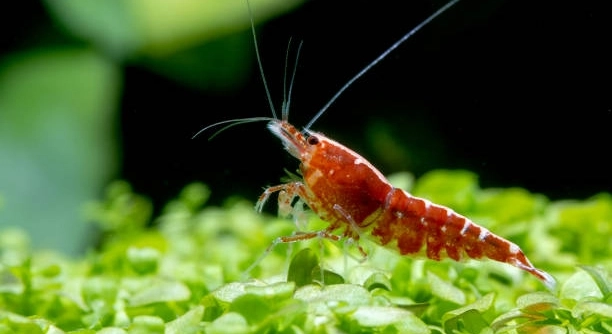
Do you ever find yourself arranging your shrimp tank and wondering which substrate will suit your tiny inhabitants best? The choice of substrate can influence their behavior, comfort, and overall well-being in subtle but important ways.
Shrimp respond differently to substrate types based on texture, chemical composition, and nutrient content. Fine-grain sand encourages foraging, while clay-based soils promote molting and coloration. Gravel provides stability but less grazing opportunity, affecting shrimp activity patterns.
Understanding these responses can help you create a more balanced and healthy environment for your shrimp to thrive naturally.
Sand Substrates
Sand is a popular choice for shrimp tanks because it offers a soft surface for them to explore and forage. Shrimp can sift through sand easily, searching for leftover food and biofilm. Fine sand is especially good for delicate species, as it reduces the risk of injury during molting. Additionally, sand does not compact quickly, allowing beneficial bacteria to colonize within it, which supports water quality. However, it is important to rinse sand thoroughly before adding it to a tank to remove dust and prevent clouding. Over time, sand may trap debris in certain areas, requiring gentle cleaning to maintain a healthy environment. Despite this, many shrimp owners find sand both aesthetically pleasing and functional. Its uniform texture and color enhance the visual appeal of the tank while providing a safe surface that encourages natural shrimp behavior.
Sand offers a gentle surface that supports shrimp activity and molting, making it a reliable substrate option for most tank setups.
Sand allows shrimp to forage naturally and promotes bacterial growth that supports water quality, making it ideal for maintaining a balanced tank ecosystem. Its soft texture reduces molting stress and encourages exploration. Regular cleaning ensures debris does not accumulate while maintaining clarity. Different colors of sand can complement tank aesthetics. Fine grains provide optimal comfort, and shrimp can sift through sand easily to access food and biofilm. Sand’s uniformity allows for predictable tank maintenance while still supporting shrimp health and activity. Overall, sand is a low-risk substrate that balances functionality, shrimp welfare, and visual appeal effectively.
Gravel Substrates
Gravel provides a stable foundation for plants and decorations while offering a different texture for shrimp to explore.
Gravel is less compact than sand, but larger grains reduce foraging efficiency. Shrimp may struggle to sift through it, which can limit biofilm access. The spaces between gravel pieces can harbor beneficial bacteria, supporting water quality. Heavier gravel prevents disturbances during tank cleaning and plant rearrangements, making it practical for long-term setups. Certain types of gravel may alter water pH slightly, which can affect sensitive shrimp species. While it may not promote as much natural foraging, gravel is durable and low-maintenance. Shrimp may still graze on surfaces and plant roots, but it requires observation to ensure they receive adequate nutrition. Overall, gravel offers structural stability and a practical substrate choice, but it may need supplementation with other feeding methods or surfaces to optimize shrimp health and activity.
Soil-Based Substrates
Soil substrates are rich in nutrients and help plants thrive while subtly enhancing shrimp coloration. They retain water well and provide surfaces for biofilm growth, which shrimp feed on consistently.
Soil substrates release minerals and acids that can gently lower pH, creating slightly acidic water preferred by many shrimp species. This environment encourages molting and healthy growth. The texture allows shrimp to sift through small particles for food while exploring naturally. However, soil can cloud water initially, so careful rinsing or gradual introduction is recommended. Regular monitoring ensures that nutrient levels do not fluctuate too quickly, protecting both plants and shrimp. Soil substrates are excellent for planted tanks, providing both functional benefits and aesthetic appeal.
Shrimp using soil-based substrates often display more vibrant colors and active behavior. Biofilm thrives on the surface, and minerals support shell development. This substrate type encourages natural feeding patterns and offers a soft texture for delicate shrimp. Soil also holds plant roots securely, promoting dense vegetation. Nutrient availability is steady, reducing the need for frequent supplementation. While water clarity may be affected initially, this fades as the tank stabilizes. Overall, soil provides a balanced habitat that supports both shrimp health and planted growth effectively.
Crushed Coral Substrates
Crushed coral helps maintain stable water hardness and pH, especially in tanks housing species that prefer alkaline conditions.
Crushed coral gradually dissolves, releasing calcium and other minerals essential for shrimp exoskeleton development. Its coarse texture limits biofilm accessibility compared to finer substrates, so supplementary feeding may be needed. The hardness supports root structures for certain plants but is less suitable for delicate shrimp that require soft surfaces for molting. Coral’s buffering capacity reduces pH swings, which can prevent stress and promote longevity in sensitive species. While visually distinct, it may not blend with all aquascape designs. This substrate works best for shrimp species that tolerate higher hardness and prefer stable water chemistry over soft-textured surfaces.
Peat Moss Substrates
Peat moss softens water and slightly lowers pH, creating conditions preferred by many freshwater shrimp. It also promotes biofilm growth, giving shrimp a steady food source.
Shrimp use peat moss surfaces for grazing, but the material can discolor water initially. Regular monitoring keeps water clarity manageable while maintaining its beneficial effects.
ADA Aqua Soil
ADA Aqua Soil provides a nutrient-rich substrate that supports plant growth and enhances shrimp coloration. It slowly releases minerals that improve water quality and encourage healthy molting. Shrimp actively forage on its surface, benefiting from the biofilm and microfauna that develop naturally within the substrate.
Marble and Slate Substrates
Marble and slate are hard substrates that do not affect water chemistry. They offer smooth surfaces for shrimp to explore and attach to, but they do not provide nutrients or encourage biofilm as actively as softer substrates.
What substrate is best for shrimp tanks?
The best substrate depends on the species of shrimp and the tank setup. Fine sand and soil-based substrates are preferred for most freshwater shrimp because they allow natural foraging, encourage molting, and support biofilm growth. Gravel works for stability but limits grazing opportunities. Crushed coral is ideal for species that need harder water, while peat moss is useful for soft, slightly acidic conditions. ADA Aqua Soil combines plant support and shrimp-friendly conditions, offering a balanced environment for both vegetation and shrimp activity. Choosing a substrate involves weighing shrimp comfort, water chemistry, and aesthetic goals.
Can shrimp live on gravel alone?
Shrimp can survive on gravel, but it is not ideal for foraging or molting. The gaps between gravel pieces limit access to biofilm and leftover food, meaning supplemental feeding is often necessary. Gravel does provide stable support for plants and decorations, reducing tank disturbances. Coarser gravel also prevents shrimp from digging too deeply, lowering the risk of injuries. Gravel can be combined with other substrates, like sand or soil, to improve grazing opportunities and provide a more natural environment. For shrimp that require softer surfaces, gravel alone may slow growth or affect coloration.
Does substrate affect shrimp coloration?
Yes, substrate can influence shrimp coloration. Nutrient-rich soils, ADA Aqua Soil, and certain fine sands enhance shrimp colors by supporting biofilm growth and providing trace minerals. Substrates that maintain appropriate water parameters, like slightly acidic soils or peat moss, promote healthy molting, which directly impacts vibrant coloration. Hard substrates like crushed coral or marble do not provide minerals or biofilm, so shrimp may show less intense colors if kept solely on these. A balanced substrate choice, combined with good water quality and nutrition, helps shrimp reach their full color potential.
How do shrimp interact with different substrates?
Shrimp explore and forage on almost every type of substrate, but their behavior varies. On sand, they sift through fine grains to access food particles and biofilm, often displaying active, natural grazing. Soil substrates encourage molting and grazing simultaneously, while gravel limits foraging and requires supplemental food. Crushed coral and marble mainly serve as hard surfaces for attachment but are less useful for feeding. Peat moss and soil provide microfauna that shrimp consume, promoting activity and health. Substrate texture, nutrient content, and particle size all affect how shrimp move, feed, and interact with their environment.
Do substrates influence shrimp breeding?
Yes, substrate can impact breeding success. Fine sand and nutrient-rich soils create safe, comfortable surfaces for molting and egg carrying. Biofilm growth on these substrates offers young shrimp a readily available food source, increasing survival rates. Hard substrates like gravel or marble provide little grazing opportunity, which can slow juvenile growth and reduce breeding efficiency. ADA Aqua Soil and peat moss support plant roots, creating hiding spots for shrimp fry. The right substrate ensures stable water chemistry, soft surfaces for delicate shrimp, and sufficient microfauna to support early development, all of which enhance reproductive success.
How do I maintain different substrates?
Maintenance varies by substrate type. Sand requires gentle vacuuming to remove trapped debris without disturbing shrimp. Soil substrates need minimal stirring but benefit from partial water changes to prevent nutrient spikes. Gravel can accumulate waste in gaps, requiring occasional cleaning, while crushed coral and marble need little maintenance but may alter water chemistry over time. Peat moss may discolor water initially, so regular monitoring is necessary. ADA Aqua Soil benefits from careful cleaning and partial water changes to maintain clarity. Each substrate type requires understanding its properties and shrimp behavior to ensure a healthy, thriving tank.
Can mixed substrates benefit shrimp?
Yes, combining substrates can balance aesthetics, functionality, and shrimp health. A layer of fine sand over soil allows easy foraging while retaining nutrients below. Gravel mixed with sand provides stability for plants and decorations while supporting shrimp activity. Using small amounts of crushed coral can buffer pH without overwhelming softer substrates. Mixed setups can also create microenvironments, offering shrimp varied surfaces to explore, feed, and molt. Careful layering and monitoring prevent water quality issues. Mixed substrates provide flexibility for different shrimp species and tank goals, optimizing both the physical environment and shrimp well-being.
What mistakes should be avoided with shrimp substrates?
Avoid using substrates that are too coarse, sharp, or chemically unstable, as these can injure shrimp or disrupt water quality. Overcompacting soil or sand can reduce beneficial bacteria and limit biofilm growth. Neglecting substrate maintenance may lead to debris buildup, impacting water parameters. Using only hard substrates may reduce grazing opportunities and slow shrimp development. Introducing new substrates without rinsing or gradual acclimation can cause cloudiness or stress. Choosing the wrong substrate for your species or tank type can reduce activity, molting success, and breeding efficiency. Proper selection and care are key to shrimp health and longevity.
Choosing the right substrate for a shrimp tank is more than just a matter of appearance. Each type of substrate affects water chemistry, shrimp behavior, and overall tank health in unique ways. Fine sand and soil-based options allow shrimp to forage naturally and promote molting, while gravel and harder surfaces like marble or crushed coral provide structural stability. Substrates such as peat moss or ADA Aqua Soil can enhance coloration and support plant growth, contributing to a balanced environment. Understanding the strengths and limitations of each substrate type helps ensure shrimp remain healthy, active, and comfortable. This awareness also reduces the risk of stress-related problems, such as molting difficulties or decreased activity, which can affect shrimp survival over time. By considering both functionality and aesthetics, it is possible to create a visually pleasing tank that also meets the practical needs of shrimp. The right choice ultimately supports their natural behaviors and promotes a thriving habitat.
Maintenance is an important factor to keep in mind when selecting substrates. Sand requires gentle cleaning to remove trapped food without disturbing shrimp, whereas soil substrates may need monitoring for nutrient levels to prevent water spikes. Gravel and hard substrates are low-maintenance but can reduce grazing opportunities, requiring supplemental feeding to maintain shrimp health. Peat moss can discolor water at first, so gradual introduction and careful monitoring are necessary. Mixed substrates are a practical solution for balancing foraging opportunities, structural stability, and water chemistry. Regular observation of shrimp behavior, feeding patterns, and molting frequency provides insight into how well a substrate supports their needs. Proper substrate maintenance ensures water quality remains stable, microfauna populations thrive, and plants stay healthy. This creates an environment that supports shrimp growth, reproduction, and overall well-being, making ongoing care an essential part of the setup.
The choice of substrate also influences long-term tank success. Substrates that support biofilm growth provide a continuous natural food source, while nutrient-rich soils enhance plant health and overall ecosystem balance. Harder substrates may be suitable for specific shrimp species but should be combined with other surfaces to promote activity and feeding. Monitoring pH, hardness, and water clarity is easier when substrates are chosen with their chemical properties in mind. Thoughtful selection not only benefits shrimp but also simplifies tank management, creating a stable and visually appealing habitat. By understanding how shrimp interact with their substrate, it is possible to design a tank that encourages natural behaviors, vibrant coloration, and successful breeding. Careful planning, proper substrate choice, and consistent maintenance work together to support a thriving shrimp environment that remains healthy, functional, and enjoyable to observe over time.

Hello,
If you enjoy the content that we create, please consider saying a "Thank You!" by leaving a tip.
Every little bit helps us continue crafting quality advice that supports the health, happiness, and well-being of pets around the world, for pets of all shapes, sizes, and species.
We really appreciate the kindness and support that you show us!