
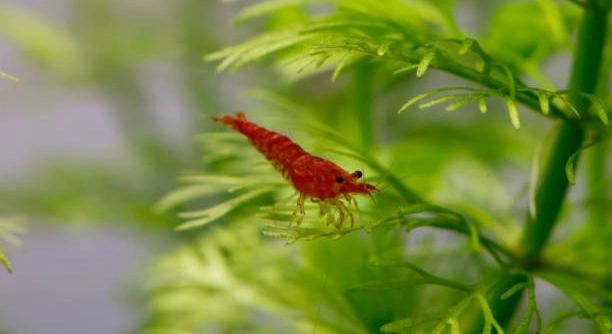
Many people enjoy keeping shrimp as pets, but new owners often underestimate the care these tiny creatures need. Mistakes in water quality, feeding, or tank setup can quickly harm their health and growth.
The most frequent errors new shrimp owners make include overfeeding, inadequate tank cycling, poor water parameter monitoring, incompatible tank mates, improper tank cleaning, insufficient hiding places, and misunderstanding shrimp behavior. Addressing these issues is crucial for maintaining a healthy shrimp environment.
Learning how to avoid these mistakes can save time, prevent stress for your shrimp, and create a thriving, balanced tank for years.
Overfeeding Your Shrimp
Overfeeding is one of the most common mistakes new shrimp owners make. Shrimp require very little food compared to fish, and giving them too much can quickly lead to poor water quality. Excess food breaks down and produces ammonia, which is harmful to shrimp. Even though shrimp are small, they are sensitive to changes in their environment. Over time, leftover food can encourage unwanted algae growth and attract pests. Many new owners think more food means faster growth or healthier shrimp, but the opposite is true. Observing your shrimp is important. They often pick at food slowly, and any uneaten portions should be removed. Using small feeding portions once or twice a day is generally sufficient. Overfeeding not only harms water quality but also can lead to shrimp stress and disease. Proper feeding habits are essential to keeping your tank stable and ensuring your shrimp thrive.
Careful feeding ensures shrimp stay healthy and prevents water problems. Small portions are better than large meals.
Shrimp feeding should be measured and consistent. A pinch of food small enough to be eaten in a couple of hours is enough. Watch how your shrimp respond and remove any uneaten food. Foods high in protein, like specialized shrimp pellets or blanched vegetables, provide essential nutrients without overloading the tank. Avoid adding large quantities at once. Uneaten food should be siphoned out to maintain water quality. Monitoring water parameters regularly, such as ammonia, nitrites, and nitrates, helps ensure a stable environment. Shrimp are resilient when conditions are kept consistent, but small mistakes like overfeeding can quickly disrupt their habitat. Over time, proper feeding fosters natural behavior, encourages molting, and supports breeding.
Ignoring Tank Cycling
Skipping the tank cycling process can lead to shrimp death. A stable nitrogen cycle is necessary before introducing shrimp.
Cycling the tank establishes beneficial bacteria that break down harmful waste. Without this, ammonia and nitrites build up quickly, which is toxic to shrimp. Many new owners add shrimp too early, assuming water changes alone can manage toxins.
Tank cycling can take several weeks. During this period, the tank should be tested regularly for ammonia, nitrites, and nitrates. Using a source of ammonia or decaying plant matter can help establish bacteria. Once ammonia and nitrite levels reach zero and nitrates are present, the tank is safe for shrimp. Patience is key; rushing this step often leads to stress or loss of shrimp. Even with a cycled tank, gradual introduction of shrimp in small numbers is recommended to monitor adaptation. Maintaining proper water temperature and stability during cycling supports bacterial growth. This foundational step prevents long-term health issues and ensures your shrimp thrive in a stable environment.
Poor Water Parameter Management
Shrimp are sensitive to changes in water chemistry. Ignoring pH, temperature, or hardness can quickly harm their health. Consistent monitoring is necessary to prevent stress, disease, or sudden deaths.
Maintaining stable water parameters is crucial for shrimp survival. Ideal pH varies slightly by species but generally falls between 6.5 and 7.5. Temperature should remain steady, usually between 72°F and 78°F, depending on species. Hardness and mineral content also affect molting and growth. Sudden fluctuations, even small ones, can shock shrimp, slowing growth or causing death. Using test kits regularly and adjusting water gradually ensures stability. Avoid introducing untreated tap water or adding chemicals abruptly. A stable environment allows shrimp to eat, molt, and reproduce normally, reducing stress and supporting long-term health.
Water changes must be done carefully to avoid parameter swings. Always use dechlorinated water and match temperature closely. Monitor ammonia and nitrite levels, which should remain at zero. Nitrates should stay low, under 20 ppm. Regular testing and small adjustments prevent sudden shocks. Even minor mistakes can accumulate, stressing shrimp and weakening their immune system. Observing shrimp behavior, such as hiding or slowed movement, can indicate subtle water problems before serious harm occurs. Gradual, consistent care keeps the tank balanced and supports healthy shrimp activity.
Incompatible Tank Mates
Shrimp can be stressed or eaten by aggressive fish or invertebrates. Careful selection of tank mates is essential for safety.
Introducing the wrong tank mates often results in shrimp losses. Small, peaceful fish like neon tetras or snails generally coexist well. Larger, aggressive, or territorial species can attack or outcompete shrimp for food. Even some species of crabs or crayfish pose risks. Observing shrimp behavior after adding new tank mates is important to ensure harmony. Avoid overcrowding, as limited hiding spaces increase stress and vulnerability. Shrimp thrive when they have enough space and secure areas to retreat. Proper planning before adding tank mates minimizes conflict and supports a calm environment.
Providing sufficient hiding places like plants, moss, or decorations helps shrimp avoid conflict. Hiding spots reduce stress and encourage natural behavior, including feeding and breeding. Careful observation after introducing tank mates allows early detection of potential aggression. Shrimp are social but cautious creatures, so maintaining a balance of peaceful companions is essential. Choosing compatible species and arranging the tank thoughtfully prevents losses. Gradual introductions and monitoring interactions support a safe and stable environment. Proper tank planning ensures shrimp have room to grow and display healthy, natural behaviors without threat.
Improper Tank Cleaning
Cleaning too aggressively can harm shrimp, while neglecting it allows waste buildup. A balanced approach is necessary to maintain a healthy environment.
Using harsh chemicals or scrubbing all surfaces removes beneficial bacteria. These bacteria are essential for breaking down waste and keeping ammonia and nitrite levels low. Regular, gentle cleaning of decorations, substrate, and glass helps maintain water quality without disrupting the tank’s balance. Siphoning debris during water changes is usually sufficient. Avoid cleaning filters with untreated tap water; instead, rinse them in tank water to preserve bacteria. Consistent maintenance prevents stress and disease while keeping shrimp active and healthy.
Lack of Hiding Places
Shrimp need secure areas to feel safe and reduce stress. Plants, moss, or decorations provide essential shelter.
A tank without hiding spots leaves shrimp vulnerable to aggression from tank mates or stress from sudden changes. Hiding places also support natural behaviors like molting and breeding. Adding dense plants, rocks, or moss mats creates safe retreats, encouraging shrimp to explore and feed. Properly arranged shelters improve their overall well-being and help maintain a balanced, low-stress environment.
Misunderstanding Shrimp Behavior
Shrimp movements, feeding habits, and hiding patterns can indicate their health and comfort levels. Observing these behaviors is key.
Shrimp are naturally cautious and may retreat when stressed or during molting. Lack of activity or prolonged hiding often signals water issues, overfeeding, or aggression. Understanding normal behavior helps detect problems early, allowing for timely adjustments. Feeding patterns, interaction with tank mates, and molting frequency provide insight into their well-being. Sudden changes in behavior should prompt testing of water parameters and inspection of tank conditions. Awareness of these behaviors ensures shrimp remain healthy, active, and stress-free, supporting growth and longevity.
Ignoring Molting Needs
Molting is critical for growth, and improper care can cause fatalities. Providing minerals and secure spaces supports this process.
FAQ
How often should I feed my shrimp?
Feeding shrimp once or twice a day is usually enough. Small portions that can be consumed within a couple of hours prevent leftover food from polluting the tank. Overfeeding can cause ammonia spikes and stress shrimp, so it’s better to start with very little and observe how much they eat. Shrimp often pick slowly at food, so patience is important. Remove any uneaten food to maintain water quality. Blanched vegetables, algae wafers, or specialized shrimp pellets provide balanced nutrition without overloading the tank. Consistency in feeding routines helps shrimp establish natural behaviors and encourages healthy molting and growth.
Can I keep shrimp with other fish?
Not all fish are suitable tank mates for shrimp. Small, peaceful species like neon tetras or guppies often coexist well, while larger or aggressive fish may attack or eat shrimp. Even some crabs or crayfish can pose risks. Providing hiding places with plants, moss, or decorations allows shrimp to retreat and reduces stress. Overcrowding should be avoided because limited spaces increase vulnerability. Observing shrimp behavior after introducing tank mates helps detect aggression early. Gradual introductions and careful selection of companions create a balanced environment that supports shrimp activity, feeding, and breeding.
How do I maintain water parameters?
Shrimp are sensitive to pH, temperature, hardness, and ammonia levels. pH typically ranges from 6.5 to 7.5, and temperature should remain steady depending on species, usually between 72°F and 78°F. Hardness affects molting and growth, so it should be monitored. Sudden changes can shock shrimp and reduce survival rates. Using test kits regularly, performing gentle water changes, and adding dechlorinated water gradually keeps conditions stable. Monitoring ammonia, nitrites, and nitrates ensures a safe environment. Observing shrimp behavior, such as hiding or lethargy, can help detect minor water problems before they escalate.
Why is my shrimp not eating?
Shrimp may stop eating due to stress, poor water conditions, or illness. Changes in temperature, pH fluctuations, or aggressive tank mates can cause hiding and reduce feeding. Molting also makes shrimp more reclusive and less likely to eat temporarily. Ensure water parameters are stable, provide adequate hiding spaces, and offer a variety of foods like blanched vegetables or shrimp pellets. Removing uneaten food promptly prevents water contamination, which can worsen the problem. Observation is key. Adjusting the tank environment and feeding approach often encourages shrimp to resume normal eating habits, supporting growth and overall health.
How often should I perform water changes?
Regular water changes are important to maintain water quality but should be done carefully. Typically, changing 10-20% of the water weekly is sufficient for most shrimp tanks. Avoid large, sudden water changes, which can shock shrimp. Always use dechlorinated water and match the temperature closely to the tank. Siphoning debris from the substrate helps remove waste without disturbing beneficial bacteria. Frequent testing of water parameters ensures ammonia, nitrite, and nitrate levels remain safe. Consistent, gentle maintenance prevents stress, supports molting, and encourages healthy activity.
What should I do if a shrimp dies?
Removing dead shrimp promptly is important to prevent water contamination. Investigate water parameters and check for signs of illness or stress. Deaths may indicate ammonia spikes, nitrite presence, overfeeding, or tank mate aggression. Monitoring remaining shrimp for abnormal behavior is essential. Proper tank maintenance, stable water conditions, and suitable companions reduce the risk of further losses. Gradual changes and observation help prevent repeating mistakes.
How do I encourage breeding?
Stable water parameters, sufficient food, and secure hiding spots create ideal conditions for breeding. Shrimp often reproduce when stress is minimal. Provide fine plants, moss, or structures for baby shrimp to hide. Feeding nutritious foods supports growth and egg development. Avoid aggressive tank mates and maintain consistent water conditions. Observing shrimp behavior, such as carrying eggs, helps track progress. Gradual introduction of new shrimp can expand populations without overwhelming the tank.
Can I use tap water for my shrimp tank?
Tap water must be treated before adding it to a shrimp tank. Chlorine or chloramine can kill shrimp and beneficial bacteria. Use a water conditioner to remove harmful chemicals and match temperature to the tank. Gradual additions prevent sudden changes in parameters. Testing water before and after adding it ensures safety. Maintaining stable conditions supports molting, feeding, and overall shrimp health. Consistent monitoring helps avoid stress and ensures a thriving environment.
What signs show my shrimp are stressed?
Shrimp may hide excessively, become lethargic, or stop eating when stressed. Frequent molting problems or unusual swimming patterns can also indicate stress. Stress often results from poor water quality, sudden changes, overcrowding, or aggressive tank mates. Observing behavior daily helps detect early signs. Addressing issues like hiding spaces, water parameters, and feeding routines reduces stress. A calm and stable environment allows shrimp to feed, molt, and breed naturally, supporting long-term health.
How do I prevent algae overgrowth?
Algae growth occurs from excess nutrients and light. Avoid overfeeding, maintain clean water, and control lighting duration. Adding moss or algae-eating species can help manage growth. Regular monitoring and gentle cleaning prevent algae from overtaking the tank. Balanced care keeps shrimp healthy and the tank visually appealing while maintaining a stable ecosystem.
Final Thoughts
Caring for shrimp may seem simple at first glance, but it requires attention to detail and consistency. These small creatures are sensitive to changes in their environment, and even minor mistakes can have a big impact on their health. Overfeeding, poor water quality, and incompatible tank mates are common problems that can be avoided with careful planning and observation. Understanding the needs of your shrimp is essential for maintaining a healthy and balanced tank. Regular monitoring of water parameters, careful feeding, and providing enough hiding places are some of the most effective ways to ensure their well-being. Taking time to learn about their behaviors and natural habits will also help prevent stress and promote a thriving environment. Paying attention to small details, such as temperature stability, pH balance, and ammonia levels, can make a significant difference in how your shrimp grow and interact within the tank. A stable environment not only supports their health but also encourages natural behaviors, including feeding, molting, and breeding.
Maintaining a shrimp tank involves more than just setting it up and adding shrimp. The ongoing care of the tank requires a routine approach that balances cleaning, feeding, and monitoring without disturbing the tank’s ecosystem. Over-cleaning or using harsh chemicals can destroy beneficial bacteria, which are critical for processing waste and maintaining a safe environment. Conversely, neglecting the tank can result in waste accumulation, which increases the risk of disease and stress. It is important to understand that shrimp thrive in a stable, low-stress habitat where they can find food, shelter, and consistent water quality. Observing their behavior is one of the most reliable ways to know if something is wrong. Shrimp will often hide, move slowly, or refuse food when stressed or unhealthy. Providing proper nutrition, adequate hiding spaces, and compatible tank mates supports their overall well-being. Learning the balance between maintenance and preserving natural conditions will help your shrimp thrive over time.
Finally, keeping shrimp successfully requires patience and attention to detail. Mistakes are common among new owners, but they can be prevented with knowledge and careful observation. Avoiding overfeeding, maintaining stable water parameters, and ensuring the tank is safe from aggressive species are key factors in preventing stress and promoting healthy growth. Molting, reproduction, and general activity are all influenced by the stability of the environment. By paying attention to these aspects, you can create a tank where shrimp are active, healthy, and capable of thriving for years. The small size of these creatures does not lessen the importance of proper care. Taking the time to learn and understand their needs pays off with a lively, balanced, and successful aquarium. Consistent care, thoughtful planning, and careful observation are the foundations of maintaining a healthy shrimp tank. Over time, these efforts lead to a sustainable environment where shrimp can live safely and display their natural behaviors fully.

Hello,
If you enjoy the content that we create, please consider saying a "Thank You!" by leaving a tip.
Every little bit helps us continue crafting quality advice that supports the health, happiness, and well-being of pets around the world, for pets of all shapes, sizes, and species.
We really appreciate the kindness and support that you show us!