
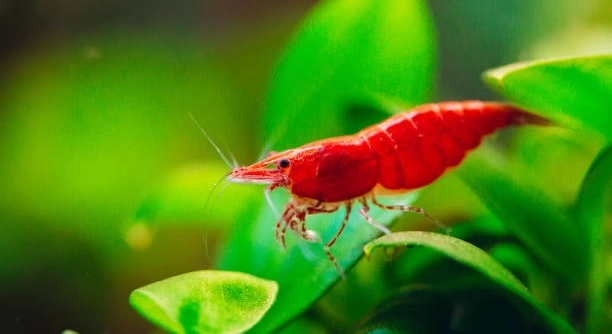
Cherry shrimp are small, colorful freshwater creatures popular in home aquariums. Many hobbyists enjoy their bright red hues and active behavior, but keeping them healthy requires careful attention to water conditions, especially pH levels.
Cherry shrimp can survive a pH crash only if it is mild and corrected quickly. Sudden, extreme drops in pH can cause stress, physiological damage, and death, making rapid stabilization of water parameters critical for their survival.
Maintaining stable water chemistry is essential, as even small fluctuations can have lasting effects. Understanding these changes helps ensure your shrimp thrive in a safe and healthy environment.
Understanding pH Crashes
A pH crash occurs when the acidity of aquarium water changes suddenly, dropping to levels that can harm cherry shrimp. Even small shifts can stress their delicate systems. Causes may include leftover food decomposing, sudden water changes, or chemical imbalances from decorations or substrates. Shrimp rely on stable water conditions to maintain their bodily functions and molting processes. When the pH drops too quickly, their exoskeletons may weaken, and they can become more prone to disease. Regular monitoring with a reliable pH test kit helps identify changes early. It’s also important to add water treatments gradually rather than all at once, allowing shrimp to adjust. Using natural buffers or adjusting feeding routines can prevent sudden acid spikes. Paying attention to the aquarium’s overall environment, including plants and filtration, can support stable water chemistry. Stability is key for shrimp to thrive without stress or health issues.
Mild pH fluctuations can often be corrected without lasting damage if addressed quickly.
Keeping consistent routines and testing water regularly is the simplest way to protect cherry shrimp from sudden acidity changes.
Preventing pH Fluctuations
Maintaining steady water parameters is critical for healthy shrimp. Avoid sudden chemical additions or rapid water changes that can shock the system.
Proper feeding and routine tank maintenance are essential to prevent pH swings. Uneaten food should be removed promptly to reduce decomposition, which increases acidity. Using a high-quality buffer can help maintain stable pH levels. Introducing live plants can also support natural balance by absorbing excess nutrients and producing oxygen. Filtration systems should be cleaned and monitored to prevent buildup of organic matter that may alter pH. Gradual water changes are safer than replacing large volumes at once, as sudden shifts are stressful for shrimp. It is also helpful to test water after any adjustments, giving time for readings to stabilize before adding sensitive animals. Observing shrimp behavior can provide early warning signs, such as decreased activity or molting difficulties. Over time, these practices create a stable, healthy environment where cherry shrimp can thrive and reproduce reliably.
Signs of Stress in Cherry Shrimp
Shrimp under stress may hide more than usual, move slowly, or show faded colors. Molting may become irregular, and some shrimp might even die if the pH issue persists without correction.
Behavior changes are often the first indication that something is wrong in the aquarium. Cherry shrimp may cling to surfaces, avoid open swimming, or gather in corners. Faded coloration is a sign of stress, indicating that their bodily systems are struggling to maintain normal function. Molting may take longer or fail, leaving shrimp vulnerable to infection or injury. Observing patterns over time helps identify whether water chemistry is causing discomfort or other environmental factors are at play. Early detection allows quick intervention, such as partial water changes or adjusting buffers, which can reduce the risk of long-term health problems. Keeping detailed notes of shrimp behavior and water readings can help prevent future issues.
Regular observation of shrimp behavior and water parameters is crucial to maintaining a healthy tank.
Correcting a pH Crash
Immediate action is needed when a pH crash occurs. Partial water changes with conditioned water help restore balance without shocking the shrimp.
Adjusting pH gradually is safer than sudden corrections. Using a mild buffer, like crushed coral or specialized aquarium additives, can stabilize water slowly. Avoid using harsh chemicals that spike pH quickly, as this adds further stress. Continuous monitoring ensures that the water remains in a safe range for cherry shrimp. Testing pH multiple times over several hours or days helps confirm stability. Even after correction, it is important to observe shrimp for lingering stress signs, such as hiding or reduced feeding. Maintaining consistent routines and avoiding abrupt changes in water volume or composition supports recovery and prevents future crashes.
Preventative measures, including careful water source selection and avoiding overfeeding, reduce the chances of another sudden pH drop.
Common Causes of pH Crashes
Overfeeding can lead to excess waste, increasing acidity in the tank. Uneaten food decomposes, producing acids that lower pH quickly.
Tap water changes without proper conditioning may introduce chemicals that affect pH. Hard water or untreated water can create sudden shifts harmful to shrimp.
Long-Term Effects on Shrimp Health
Repeated or severe pH crashes can weaken shrimp over time. Chronic stress affects molting, growth, and reproductive health. Shrimp may become more susceptible to disease and show shorter lifespans. Maintaining consistent water parameters ensures they remain active, colorful, and healthy, reducing the risk of long-term complications.
Monitoring Your Aquarium
Regular testing with a reliable pH kit is essential. Consistent checks allow early detection of fluctuations, helping prevent serious issues.
How quickly can cherry shrimp die from a pH crash?
Cherry shrimp are sensitive to sudden drops in pH, and extreme changes can cause death within hours if not addressed. Mild fluctuations may not be immediately fatal, but prolonged exposure to low pH causes stress and organ damage. Shrimp rely on stable water conditions for molting, feeding, and overall health. A rapid crash overwhelms their ability to adjust, weakening their exoskeleton and internal systems. Even if some survive the initial drop, ongoing stress can shorten their lifespan or prevent reproduction. Immediate intervention, such as partial water changes or using a safe pH buffer, is necessary to prevent mass losses. Regular testing allows early detection, reducing the risk of severe outcomes. Observing behavior like hiding or inactivity helps indicate if the crash is affecting the shrimp.
Can cherry shrimp recover fully from a pH crash?
Recovery depends on the severity and duration of the crash. Shrimp that experience only mild or short-lived drops often regain normal behavior and color once water conditions stabilize. Sudden, severe crashes may result in permanent stress or failure to molt correctly, making full recovery difficult. Immediate corrective actions, like gradual water replacement and adding a gentle buffer, increase survival chances. After stabilization, monitoring feeding, activity, and molting patterns helps track recovery progress. Even if shrimp survive, repeated crashes can have cumulative effects, leaving them more vulnerable to disease or premature death. Maintaining stable water conditions is essential to allow full recovery and support long-term health.
What are the safest methods to correct a pH crash?
Partial water changes using conditioned water are the safest first step. Changing a small portion at a time prevents additional shock. Using natural buffers, like crushed coral or driftwood, can gently stabilize pH over several hours or days. Avoid rapid chemical adjustments, as high-strength additives can cause spikes that stress shrimp further. Monitoring pH every few hours after adjustments ensures the water remains within a safe range. Observing shrimp behavior during recovery is important; hiding, lethargy, or refusing food indicates ongoing stress. Gradual correction combined with careful observation gives shrimp the best chance of survival while reducing long-term health risks.
How often should I test pH to prevent future crashes?
Testing at least once a week is recommended, with additional checks after water changes or adding new decorations. Sudden shifts often happen without warning, so regular monitoring allows early intervention. Keeping a log of pH readings helps identify trends, such as slow acidification due to decaying plants or overfeeding. Observing shrimp alongside water parameters ensures that changes correlate with behavior and overall health. Consistent monitoring helps prevent large fluctuations and supports a stable, thriving aquarium environment.
Do water conditioners prevent pH crashes entirely?
Water conditioners help reduce harmful chemicals and stabilize minor pH fluctuations, but they do not prevent all crashes. Factors like decaying food, algae growth, and improper substrate choices can still cause sudden drops. Conditioners work best alongside regular maintenance, controlled feeding, and gradual water changes. They support shrimp health but cannot replace careful observation and proactive water management. Combining conditioners with stable environmental practices ensures long-term safety and reduces the risk of stress or death caused by abrupt pH changes.
Are baby shrimp more sensitive to pH changes than adults?
Yes, baby cherry shrimp are more vulnerable to pH fluctuations. Their smaller size and developing exoskeletons make them less able to tolerate stress or sudden chemical shifts. A minor drop that adult shrimp survive may be lethal to juveniles. Protecting young shrimp requires extra caution during water changes, slow pH adjustments, and careful monitoring of their environment. Consistent water quality is crucial to ensure healthy growth and development. Observing juveniles closely can alert you to issues before they escalate into major problems.
Can overfeeding contribute to a pH crash?
Overfeeding is a major contributor to sudden drops in pH. Uneaten food decomposes and releases acids into the water, which lowers pH rapidly. Excess nutrients also promote bacterial growth, further altering water chemistry. Feeding smaller amounts and removing leftovers promptly helps maintain stable pH. Balanced feeding routines, combined with routine testing, are essential steps to prevent sudden chemical shifts that stress shrimp. Proper feeding ensures shrimp get enough nutrition without destabilizing the tank environment.
Is using natural materials like driftwood or peat safe for pH management?
Yes, natural materials can help gently adjust and stabilize pH. Driftwood and peat release mild acids gradually, lowering pH over time rather than abruptly. They also create a more natural environment that supports shrimp health. However, these materials must be used carefully, as excessive amounts can cause larger fluctuations than intended. Observing water parameters after adding them ensures they contribute to stability rather than creating stress. Combining natural methods with regular monitoring and partial water changes provides the safest approach to maintaining a balanced pH.
What signs indicate the pH is still unsafe after correction?
Shrimp hiding excessively, refusing food, showing faded color, or having difficulty molting are indicators that pH is still stressful. Testing the water confirms whether parameters have stabilized. Even after corrective actions, slow recovery may indicate lingering problems or insufficient correction. Consistent observation and testing over several days ensure the environment is safe and shrimp health is returning to normal.
Are there long-term strategies to reduce pH crashes?
Maintaining stable water conditions is the most effective long-term strategy. Regular partial water changes, controlled feeding, monitoring substrate effects, and using buffers as needed all help prevent sudden shifts. Choosing compatible plants and decorations that do not alter chemistry drastically also reduces risks. Gradual adjustments, combined with careful observation, provide a safer, healthier environment for cherry shrimp, supporting their growth and reproduction.
Cherry shrimp are delicate creatures that thrive best in stable water conditions. Sudden drops in pH can be extremely stressful, affecting their health, behavior, and overall survival. Even small fluctuations, if frequent or prolonged, can weaken shrimp, making them more prone to disease and molting problems. Maintaining a consistent environment is not just about keeping water parameters within a certain range, but also about creating a routine that supports their natural habits. Regular observation of shrimp behavior, including feeding patterns, activity levels, and coloration, can provide early warning signs if water conditions start to become unsafe. Watching how they interact with their environment helps ensure that any potential issues are addressed before they become serious.
Preventing pH crashes involves careful management of feeding, cleaning, and water changes. Overfeeding can produce excess waste, which decomposes and lowers pH, while sudden large water changes or untreated tap water can introduce chemical shifts harmful to shrimp. Using natural buffers like driftwood or crushed coral, along with gradual adjustments to water conditions, can help maintain stability. Regular testing of water parameters is essential to detect slow changes that may not be immediately obvious. It is also important to remove uneaten food and debris from the tank, as these can affect pH over time. Consistent maintenance practices, combined with careful observation, create a safer environment where shrimp can feed, grow, and reproduce without stress.
Even when a pH crash occurs, quick and measured action can help shrimp recover. Partial water changes, gradual adjustments with buffers, and continuous monitoring give shrimp the best chance of survival. While adult shrimp may handle mild fluctuations better, juveniles are particularly vulnerable, requiring extra care during any corrections. Preventing sudden changes in water chemistry is always preferable to reacting after the fact. By establishing steady routines, understanding the sources of potential pH shifts, and paying attention to shrimp behavior, hobbyists can create an aquarium that supports long-term health. Over time, these practices lead to a thriving shrimp population, vibrant coloration, and a balanced ecosystem that is easier to manage and more enjoyable to maintain.

Hello,
If you enjoy the content that we create, please consider saying a "Thank You!" by leaving a tip.
Every little bit helps us continue crafting quality advice that supports the health, happiness, and well-being of pets around the world, for pets of all shapes, sizes, and species.
We really appreciate the kindness and support that you show us!