
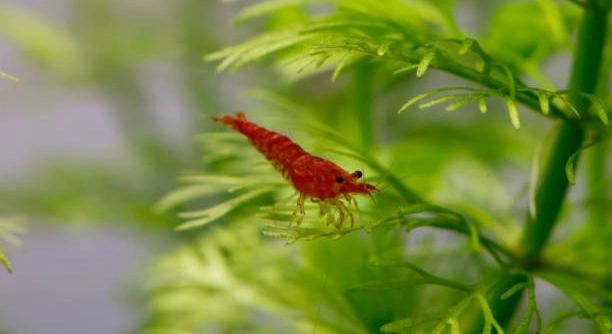
Have you ever noticed your cherry shrimp quietly exploring their tank and wondered about the decorations you add? Their little world is full of colors, shapes, and textures that affect how they move and interact. Watching them can be surprisingly calming.
Cherry shrimp generally tolerate slow-moving or gently swaying decorations, but sudden or frequent motion can cause stress. They rely on stable environments for feeding, molting, and breeding, making consistent placement and minimal disturbance important for their wellbeing.
Learning how these tiny creatures react helps create a more comfortable tank. Observing their behavior around decorations reveals insights into their preferences and daily habits.
How Cherry Shrimp React to Moving Decorations
Cherry shrimp are naturally cautious, and their behavior around decorations reflects this. Slow movements, like the gentle sway of plants in filtered water, usually do not bother them. They often explore around these decorations, using them for hiding or grazing on biofilm. However, decorations that move suddenly or too often can startle them, causing them to retreat or freeze. This stress may affect their feeding patterns or slow down molting, which is essential for growth. When I added a small, lightly rotating decoration to my tank, I noticed the shrimp avoided it at first but gradually became more comfortable once the motion was predictable. Consistency is key. Providing spaces that are stable, along with a few gentle-moving elements, seems to keep them more relaxed. Observing how they respond over time helps identify which decorations are suitable and which might be too disruptive for a calm environment.
Decorations that sway lightly, like plants or soft ornaments, are generally acceptable. Cherry shrimp adapt to gentle, predictable motion without significant stress.
Watching them interact with moving decorations shows that they balance caution with curiosity. They will explore, retreat, and test new objects slowly, giving clues about their comfort. Proper placement of items and moderate movement encourages natural behavior. Over time, shrimp will use both stable and slightly moving objects for shelter, feeding, or social interaction, creating a healthier tank environment.
Choosing the Right Decorations
Selecting appropriate decorations makes a big difference. Shrimp prefer items that are stationary or move very subtly, as these allow safe exploration and feeding opportunities. Avoid placing objects that shift quickly or unpredictably, as this can induce stress. Small caves, plants, or soft ornaments are ideal.
When setting up a tank, consider both the aesthetics and the shrimp’s comfort. Decorations that are too large or unstable may block swimming paths or trap water flow, causing unease. Lightly flowing plants or gentle filter currents provide movement without startling them. Observing shrimp as they interact with new items allows you to adjust placement. Some shrimp may hide for hours initially, while others approach cautiously. Rotating decorations slowly or providing stable anchors ensures they have predictable spaces to explore. Their behavior often indicates whether a tank element is suitable. Over time, a mix of stationary and subtly moving decorations promotes natural grazing, molting, and activity. Thoughtful decoration planning creates a tank where cherry shrimp thrive without unnecessary stress.
Safe Decorations for Cherry Shrimp
Small caves and plants provide secure hiding spots that shrimp appreciate. Smooth surfaces without sharp edges prevent injuries, and lightweight items are easier to adjust without disturbing the tank’s layout. Soft ornaments that stay in place work well.
I noticed that when I added moss balls and small ceramic shelters, my shrimp spent more time exploring rather than hiding constantly. These items offer surfaces for biofilm to grow, which encourages natural grazing. Lightweight decorations that are stable yet movable let me experiment with tank layout without stressing the shrimp. Shrimp tend to return repeatedly to familiar spots, so consistent placement matters. Soft plants like java moss or anubias add texture without startling them, while larger stationary ornaments can serve as landmarks for navigation. Proper decoration encourages activity and reduces stress, making the tank more engaging.
Floating plants or slow-swaying stems create gentle movement that doesn’t upset shrimp. They can hide, graze, or rest around these areas, giving them a dynamic but safe environment.
Signs of Stress from Moving Objects
Shrimp may hide for long periods or cling tightly to stable surfaces if decorations move too often. Color fading or slowed activity can also appear.
I observed that when a small decorative spinner was placed near a cluster of shrimp, many retreated and stayed under plants. Repeated exposure to unpredictable movement caused some to stop grazing temporarily. Over time, gradual introduction of mildly moving objects allowed some shrimp to adapt, but constant motion increased stress indicators. Paying attention to these behaviors helps determine what decorations are acceptable. Noticing subtle signs like hesitation before exploring or repeated retreats provides insight into their comfort. Adjusting decorations to maintain predictable patterns reduces anxiety. A calm tank supports regular feeding, molting, and natural behavior, helping shrimp stay healthy and active.
Introducing New Decorations
Adding new items gradually helps shrimp adjust without stress. Start with one piece at a time and observe their reactions. Slowly increasing the number of decorations allows them to explore safely.
Shrimp respond better when new objects are stable and predictable. Sudden changes can make them hide or freeze. Gradual introduction ensures they remain active and comfortable while investigating their environment.
Decorations That Encourage Exploration
Open areas with gentle-moving plants or moss encourage shrimp to move around while foraging. They like having both shaded spots and open surfaces. Providing a balance between hiding places and open space promotes natural grazing and social interaction. Observing how they navigate these areas gives insight into their preferences.
Avoid Overcrowding Decorations
Too many decorations limit swimming space. Shrimp need room to move freely, feed, and molt safely.
FAQ
Do cherry shrimp prefer plants over ornaments?
Cherry shrimp generally feel more comfortable around live plants because they provide natural hiding spots, surfaces for grazing, and gentle movement from water flow. Soft ornaments are acceptable, but plants like java moss, anubias, or floating stem plants help shrimp feel secure while encouraging natural behaviors.
Can moving decorations stress cherry shrimp?
Yes, decorations that move suddenly or unpredictably can stress them. Shrimp rely on stable surroundings for feeding, molting, and breeding. Gentle swaying, like from slow plant movement, is usually fine, but rotating or vibrating ornaments can cause hiding, reduced activity, or slower feeding.
How can I introduce new decorations safely?
Add one new decoration at a time and watch their reactions. Place it in a familiar area and keep it stable. Gradual introduction allows shrimp to explore without sudden changes, helping them adapt while maintaining normal activity and grazing habits.
Is it better to anchor decorations or leave them loose?
Stable decorations are better. Loose or lightweight items can shift during water changes or when shrimp explore, which may startle them. Anchoring plants and ornaments ensures predictable placement, giving shrimp confidence to move around without stress.
Do cherry shrimp interact with moving ornaments?
They may explore slow-moving decorations cautiously, but rapid or frequent motion causes avoidance. Shrimp balance curiosity with caution, so gently moving plants can encourage mild interaction, while fast-spinning or unpredictable objects are usually ignored or avoided.
How do I know if a decoration is causing stress?
Signs include prolonged hiding, clinging to surfaces, slower movement, and reduced feeding. Color fading or reluctance to molt may also appear. Observing behavior over several days helps determine whether an object is safe or disruptive for your shrimp.
Are soft ornaments better than hard ones?
Soft, smooth ornaments reduce the risk of injury and allow shrimp to explore safely. Hard decorations with sharp edges can cause scratches or traps. Ceramic caves, moss balls, or soft silicone plants are preferable for maintaining safety and comfort.
Can shrimp adapt to moving decorations over time?
Yes, they can adapt if movement is gentle and consistent. Introducing slightly swaying plants or lightweight ornaments gradually can allow shrimp to become comfortable, though sudden changes or high-speed motion are still stressful. Predictability is key for adaptation.
Do cherry shrimp need hiding spots around moving objects?
Absolutely. Hiding spots give them security when unsure about motion. Shrimp will retreat during sudden movements, so combining safe shelters with gently moving decorations supports exploration while minimizing stress.
How does tank size affect decoration choices?
Smaller tanks need fewer or smaller decorations to avoid overcrowding. Overcrowding limits swimming space and can increase stress. Larger tanks allow for more diverse layouts, balancing stationary and lightly moving objects while still giving shrimp space to forage and socialize.
Can decorations affect shrimp feeding behavior?
Yes, shrimp may avoid areas near fast-moving or unpredictable decorations, reducing grazing time. Stable surfaces and gentle plant motion encourage feeding on biofilm and algae, supporting healthy growth and natural behavior patterns.
Should I rotate decorations regularly?
Frequent rotation can stress shrimp, but occasional rearrangement is fine if done gradually. Introduce one change at a time and monitor reactions to ensure shrimp remain comfortable and active. Stability is more important than constant novelty.
Are floating plants better than rooted plants for movement?
Floating plants provide gentle swaying and cover, which is usually well-tolerated. Rooted plants offer stability and consistent surfaces. A combination of both creates varied environments for shrimp to explore, hide, and feed safely.
Do shrimp show preference for certain shapes or textures?
Shrimp seem to favor smooth surfaces and rounded shapes for grazing and hiding. Rough or jagged decorations may be avoided or treated cautiously. Moss, smooth ceramics, and soft plants are often used more frequently than sharp or spiky objects.
How do I clean moving decorations without stressing shrimp?
Remove decorations one at a time and rinse with tank water or gently scrub to remove algae. Avoid harsh chemicals. Cleaning gradually reduces sudden disturbances and allows shrimp to remain comfortable in their environment.
Can decorations affect shrimp molting?
Yes, unstable or rapidly moving objects can cause stress during molting, which may delay or disrupt the process. Providing stable shelters and gentle surroundings supports safe and successful molting cycles.
Do cherry shrimp need space around each decoration?
Yes, adequate spacing allows swimming, feeding, and retreating if stressed. Overcrowded layouts limit movement and can increase hiding behavior or aggression among shrimp. Balanced spacing encourages natural exploration and activity.
Is it okay to combine moving and stationary decorations?
Yes, a mix of stable and gently moving items can enrich the tank. Stationary shelters provide safety, while slow-moving plants offer variety. Observing shrimp behavior helps ensure the balance supports comfort and natural activity.
How quickly do shrimp adapt to a newly decorated tank?
Adaptation varies, usually a few days to a couple of weeks. Gradual introduction and predictable placement reduce stress, allowing shrimp to explore confidently, resume feeding, and establish normal routines.
Do shrimp ever ignore moving decorations completely?
Some will ignore rapid or unusual motion entirely. They often stick to familiar areas or hiding spots when unsure. Slow, gentle movement encourages cautious interaction, but unpredictable items are frequently avoided.
Can decoration changes affect breeding?
Yes, excessive movement or sudden layout changes can stress females, reducing spawning. Stable environments with gentle motion support courtship, egg laying, and juvenile survival, ensuring a healthier tank population.
Are there decorations to completely avoid?
Fast-spinning ornaments, sharp objects, or items that frequently shift during water flow should be avoided. Anything that startles, traps, or injures shrimp can lead to stress, reduced activity, or molting problems.
How important is predictability in decoration placement?
Predictable placement allows shrimp to feel secure and navigate confidently. Consistency supports feeding, hiding, and social interaction while minimizing stress. Random or sudden changes disrupt these behaviors and can have lasting effects on activity levels.
Can shrimp help indicate which decorations are safe?
Yes, observing shrimp reactions reveals preferences and stress triggers. Repeated avoidance or retreat signals unsuitable items, while frequent exploration and grazing show comfort. Their behavior provides a practical guide for maintaining a healthy, balanced tank environment.
Do decorations influence shrimp color and vitality?
Stress from inappropriate decorations can cause color fading and reduced vitality. Comfortable environments with stable, safe decorations help maintain vibrant colors and active behavior, supporting overall health.
Is it better to test decorations in a separate container first?
Testing in a temporary tank can help assess movement and stability without disturbing the main shrimp population. This method ensures new items won’t cause stress before permanent placement.
How do I balance decoration aesthetics with shrimp comfort?
Choose visually appealing items that are stable and smooth. Combine plants, moss, and gentle ornaments while maintaining open swimming areas. Shrimp comfort comes first, but careful planning allows a beautiful and functional tank layout.
Can live plants reduce stress from moving objects?
Yes, live plants buffer motion, provide hiding spots, and create natural grazing surfaces. They make moving objects less intimidating by offering a sense of security, encouraging exploration without fear.
Do shrimp behave differently in planted versus bare tanks?
In planted tanks, shrimp explore more and display natural grazing. Bare tanks with decorations may cause more hiding if objects move too much. Plants provide stability, food sources, and cover, making them preferable for calm, active shrimp behavior.
Are there any seasonal or water condition effects on shrimp reactions to decorations?
Temperature, water flow, and light can affect shrimp sensitivity. Warmer water or higher flow may make them more cautious around moving items. Stable water conditions help reduce stress and allow safe interaction with decorations.
Can shrimp accidentally move decorations themselves?
Lightweight items like small moss balls or loose ornaments may shift slightly as shrimp crawl over them. While minimal, repeated movement can cause brief stress, so heavier or anchored objects are better for predictability.
How often should decorations be rearranged?
Rearrangement should be rare and gradual. Frequent changes can stress shrimp, disrupt feeding, and interfere with molting. Introduce one adjustment at a time and monitor reactions to maintain a calm environment.
Do shrimp prefer horizontal or vertical decorations?
Both orientations are useful. Vertical plants offer climbing and grazing surfaces, while horizontal items create resting and hiding areas. A mix encourages exploration, feeding, and safe retreat spots.
Are artificial plants safe if they move?
Artificial plants are generally safe if slow-moving or anchored. Rapid motion or sharp edges can stress shrimp. Smooth, stable artificial plants offer similar benefits to live plants without the maintenance requirements.
Do shrimp ever damage decorations?
They rarely damage decorations but may graze on biofilm or algae covering surfaces. Soft moss or ceramic items may show minor wear over time, but shrimp themselves are gentle and do not chew or break objects.
Can decorations influence shrimp social behavior?
Yes, hiding spots and open areas affect interaction. Dense areas may increase hiding and reduce social activity, while balanced spaces allow grazing, mild interaction, and movement without overcrowding. Proper layout supports healthy group behavior.
Are there specific materials shrimp prefer?
Shrimp favor smooth ceramics, glass, moss, and soft plants. Rough plastic or sharp surfaces are usually avoided. Safe materials encourage grazing, hiding, and comfortable movement throughout the tank.
Do shrimp ever rearrange decorations intentionally?
Shrimp do not intentionally rearrange items. Minor shifts occur accidentally as they crawl, but they do not manipulate decorations like larger animals might. Observing these small changes can indicate activity without causing harm.
How does water current interact with moving decorations?
Strong currents combined with moving objects can startle shrimp. Gentle flow with light plant sway encourages exploration, while high turbulence may cause hiding and stress. Placement should consider both decoration movement and water flow for safety.
Do different shrimp strains react differently to decorations?
Yes, some color morphs or selectively bred strains may be more cautious or bold. Observing individual behavior helps adjust decoration choice to suit specific shrimp preferences and maintain comfort across the tank population.
Are there any decorations that promote breeding?
Stable caves, moss mats, and soft plants provide secure places for females to hide and lay eggs. Gently swaying plants may encourage exploration but should not dominate the space to prevent stress during breeding.
Can decorations affect water quality?
Some materials, like untreated wood or poorly sealed ornaments, may release tannins or chemicals. Safe, inert decorations maintain water quality, which indirectly affects shrimp comfort and response to tank layout.
How long does it take for shrimp to accept a moving decoration?
Adaptation varies, often several days to weeks. Gradual introduction of predictable, gentle movement allows shrimp to explore safely without prolonged stress. Observation ensures they remain active and continue feeding normally.
Are some decorations better for juvenile shrimp?
Juveniles benefit from dense, stable hiding spots and smooth surfaces. Light-moving plants can be added gradually. Avoid large or heavily moving ornaments that may overwhelm small shrimp, giving them a safe environment to grow.
Can decorations help reduce aggression among shrimp?
Yes, providing enough hiding spots and open space reduces competition. Moving objects should not dominate territory. Balanced decoration layout minimizes stress-related conflicts and supports peaceful group behavior.
Do shrimp ever prefer dark or light-colored decorations?
Shrimp often feel safer near darker surfaces, which offer a sense of cover. Light-colored decorations are fine if paired with shaded or covered areas. Contrast allows shrimp to navigate and forage comfortably.
How can I test if a new decoration is safe?
Place it in a small tank or separate section and observe shrimp behavior. Look for hiding, freezing, or avoidance. Gradual introduction in the main tank follows once shrimp show comfort with the object.
Do decorations affect shrimp lifespan?
Indirectly, yes. Stress from unsuitable or moving decorations can reduce feeding, molting, and breeding success. Safe, stable, and gently dynamic decorations support long-term health and activity.
Can shrimp adapt to completely artificial tanks?
Yes, with proper decoration, hiding spots, and surfaces for grazing. Stable, smooth ornaments, moss, and plants help replicate natural conditions and reduce stress even in fully artificial setups.
Are there any signs that a decoration is permanently unsuitable?
Persistent hiding, refusal to feed, molting delays, and constant avoidance indicate a decoration is unsuitable. Removing or repositioning the item usually resolves stress and restores normal behavior.
How important is decoration placement relative to filters and water flow?
Very important. Strong currents near decorations can cause unexpected movement or turbulence, stressing shrimp. Placement should allow gentle flow, stable surfaces, and safe hiding spots to support exploration, feeding, and natural activity.
Do shrimp prefer cluttered or minimal decoration setups?
They prefer a balance. Too sparse may cause stress from lack of shelter, while too cluttered restricts movement and grazing. A mix of open space, gentle motion, and secure hiding spots supports comfort, exploration, and normal behavior.
Can decorations influence shrimp coloration over time?
Stressful or unstable environments may dull colors. Comfortable surroundings with safe, stable decorations help maintain vibrant coloration, reflecting healthy feeding, activity, and reduced stress levels.
Are there specific decoration layouts that work best for multiple shrimp?
Clustered shelters combined with open swimming paths and gentle plant movement work well. This layout reduces competition, supports grazing, and allows shrimp to retreat safely, encouraging active and calm behavior for all individuals in the tank.
Do decorations need regular maintenance to remain safe?
Yes, algae removal, rinsing, and inspection prevent sharp edges or instability. Cleaned decorations reduce stress risk, maintain water quality, and ensure surfaces remain suitable for grazing and hiding.
Can decorations affect shrimp territorial behavior?
Yes, insufficient hiding spots or overcrowding may increase territorial disputes. Balanced placement with both shelters and open areas reduces aggression, allowing shrimp to coexist peacefully while exploring and feeding.
How do shrimp react to transparent versus opaque decorations?
Transparent items may be less intimidating but offer limited cover. Opaque decorations provide visible shelter and help shrimp feel secure. Combining both can create a balanced environment with exploration areas and safe retreats.
Do decorations influence shrimp activity patterns?
Yes, safe, predictable decorations encourage normal day-night activity, grazing, and movement. Stressful or moving items can cause hiding, reduced exploration, or disrupted feeding schedules. Proper layout supports consistent behavior and health.
Can I use natural driftwood or rocks as moving decorations?
They are safe if stable and smooth. Loose pieces that shift may stress shrimp, so anchoring and selecting non-sharp surfaces ensures security. Driftwood can also provide grazing surfaces for biofilm growth.
Do shrimp prefer clustered or spread-out decorations?
A mix works best. Clusters provide hiding and grazing areas, while spread-out objects allow free swimming. Balance prevents overcrowding, reduces stress, and encourages exploration throughout the tank.
Are there decorations that help with molting specifically?
Stable caves, moss mats, and smooth surfaces support safe molting. Shrimp retreat to secure areas during vulnerable periods, and gently swaying plants nearby provide a sense of safety without causing disturbance.
Can decorations affect juvenile shrimp growth?
Yes, stable surfaces for grazing and safe hiding spots promote healthy feeding and molting. Stressful or unstable decorations can delay growth or molting in young shrimp, affecting long-term development.
Do shrimp interact differently with decorations depending on water parameters?
Water temperature, hardness, and flow influence activity. Stable conditions allow normal exploration, while extreme or fluctuating parameters may increase stress around moving objects or reduce interaction with decorations.
Are decorations important for shrimp mental stimulation?
Yes, varied surfaces, hiding spots, and gentle movement encourage exploration and natural behaviors. Stimulation reduces boredom, supports feeding, and contributes to overall wellbeing. Safe interaction with decorations promotes healthy, active shrimp.
Do shrimp ever ignore decorations completely?
Some shrimp focus only on grazing surfaces or familiar hiding spots. Unfamiliar or moving decorations may be ignored initially, but gentle, predictable motion can encourage gradual interaction.
Can decorations influence shrimp reproductive success?
Yes, stable hiding spots and safe, calm surroundings support mating and egg-laying. Stressful or moving objects can reduce spawning activity and juvenile survival. Properly arranged decorations promote healthier reproductive behavior.
How do I ensure a balance between movement and stability?
Provide mainly stable shelters and surfaces, with a few gently moving plants. Observing shrimp responses allows fine-tuning so that exploration is encouraged without causing stress. Balance ensures safety, activity, and natural behavior.
Are some shrimp more sensitive to movement than others?
Yes, individual temperament and strain affect tolerance. Some shrimp are naturally cautious, while others adapt quickly. Observation is key to identifying suitable decoration types and placement.
Can decorations affect shrimp longevity indirectly?
Stress from unsuitable or unstable decorations can reduce feeding, molting, and breeding success, indirectly affecting lifespan. Comfortable, safe, and predictable layouts support long-term health and activity.
Do shrimp need different decorations at different life stages?
Juveniles require dense, stable hiding spots and grazing surfaces, while adults benefit from a mix of shelters and gentle plant movement. Adjusting decorations as they grow ensures ongoing comfort and activity.
Are artificial or natural decorations better overall?
Both can work if safe and stable. Natural plants provide grazing and hiding benefits, while artificial items offer durability. Smooth, stable surfaces are essential regardless of type.
How can I test if a moving decoration is safe without stressing shrimp?
Introduce it slowly and monitor behavior. Retreat, freezing, or reduced feeding indicates stress. Gradual, predictable exposure ensures shrimp can adapt without harm.
Do decorations influence shrimp grouping behavior?
Yes, clustering shelters and open spaces affects social interaction. Balanced layouts reduce hiding and promote grazing together, supporting calm group behavior.
Can shrimp get injured by decorations?
Yes, sharp edges, unstable objects, or heavy items can cause scratches or trapping. Smooth, anchored decorations minimize risk and promote safe exploration.
Are lightweight decorations better than heavy ones?
Heavy decorations are safer if stable, as lightweight items may shift unexpectedly. Shrimp prefer predictable surroundings; stable weight helps maintain calm and encourages natural activity.
Can moving decorations encourage activity?
Gently swaying plants or moss can promote mild exploration and grazing, but rapid or frequent motion causes stress. Controlled movement encourages curiosity without harm.
Do shrimp react differently to vertical versus horizontal motion?
Vertical motion like tall plant sway is generally tolerated if gentle. Horizontal or spinning motion is often avoided, as it feels less predictable. Slow, consistent movement works best.
How long should I observe shrimp after adding a decoration?
At least several hours to days. Observe hiding, grazing, and exploration. Persistent stress indicates the item may be unsuitable. Gradual adjustment allows shrimp to adapt safely.
Can decorations affect tank filtration or flow for shrimp?
Yes, large or moving items can block flow or create turbulence, stressing shrimp. Placement should maintain gentle currents and safe surfaces. Proper layout supports both water quality and shrimp comfort.
Are there signs of long-term stress from decorations?
Chronic hiding, molting problems, reduced feeding, color fading, and
Cherry shrimp are small, delicate creatures that respond strongly to their environment. Decorations, whether plants, ornaments, or other tank features, play an important role in how they feel and behave. Moving decorations can be both helpful and stressful, depending on the speed, frequency, and placement. Gentle swaying of plants often provides interest and encourages exploration without causing harm, while sudden or constant motion may make shrimp hide or reduce activity. Observing their reactions is the best way to understand what works in a particular tank. Each shrimp may react differently, so paying attention to individual behavior helps create a safe and comfortable environment. Stability and predictability are essential. When decorations are stable and well-placed, shrimp feel secure and can focus on feeding, molting, and interacting with their surroundings. On the other hand, overly active or unstable decorations can disrupt these natural behaviors. Over time, careful arrangement of decorations supports a healthy, active, and low-stress environment where shrimp can thrive.
Decorations also influence shrimp in ways that may not be immediately obvious. For example, surfaces for grazing, hiding spots, and gentle movement all affect feeding patterns, molting success, and overall activity levels. Live plants, moss balls, and soft ornaments often provide multiple benefits at once, offering shelter, biofilm for grazing, and subtle motion. Hard, sharp, or frequently shifting objects, however, can cause stress or even minor injuries. By combining safe, stable items with a few gently moving features, a tank can offer variety while remaining predictable. This approach encourages shrimp to explore and interact with their environment without unnecessary fear. Even small changes, like repositioning a decoration or adding a new plant, should be done gradually. Gradual changes give shrimp time to adjust and maintain comfort in their habitat. Observing shrimp closely during these adjustments provides insight into their comfort and preferences, helping to avoid stress or long-term behavioral changes.
Finally, the overall goal is to create a balanced environment that supports shrimp health and activity. Open areas for swimming, stable hiding spots, and carefully chosen moving decorations work together to allow natural behavior while minimizing stress. Shrimp thrive in tanks where they feel safe, can explore, and have access to food sources and cover. Decorations are not just for appearance; they directly influence shrimp wellbeing. By considering movement, placement, and material, it is possible to provide an environment that promotes comfort, exploration, and natural habits. Regular observation, gradual adjustments, and attention to individual behavior ensure the tank remains a space where shrimp can grow, molt, and interact normally. Thoughtful decoration planning, combined with proper tank care, creates a stable and healthy habitat that encourages active, thriving shrimp over the long term.

Hello,
If you enjoy the content that we create, please consider saying a "Thank You!" by leaving a tip.
Every little bit helps us continue crafting quality advice that supports the health, happiness, and well-being of pets around the world, for pets of all shapes, sizes, and species.
We really appreciate the kindness and support that you show us!