
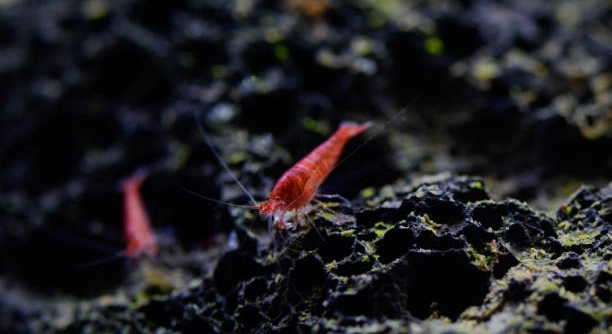
Have you ever noticed your shrimp behaving differently in older tanks compared to new setups? Many hobbyists observe subtle changes, from movement patterns to feeding habits, that seem linked to the tank’s age and overall environment stability.
Shrimp tend to prefer mature tanks because these environments provide stable water parameters, abundant biofilm growth, and well-established microbial communities, all of which support their health, breeding, and natural behaviors more effectively than newly set up aquariums.
Understanding these factors can help you create a healthier and more comfortable home for your shrimp, ensuring they thrive and display their natural behaviors consistently.
Stable Water Parameters
Maintaining stable water conditions is key for shrimp health, and mature tanks naturally provide this stability. In new tanks, parameters like pH, hardness, and ammonia levels fluctuate as the ecosystem establishes itself. These shifts can stress shrimp, making them less active and more prone to disease. Mature tanks, on the other hand, have established beneficial bacteria that process waste efficiently, keeping ammonia and nitrite levels near zero. This consistency allows shrimp to focus on feeding, molting, and breeding rather than constantly adapting to environmental changes. Over time, these stable conditions encourage natural behaviors, including grazing on biofilm and interacting with tank mates safely. Hobbyists often notice that shrimp in older setups appear more confident, vibrant, and resilient. The consistent water chemistry supports a thriving micro-ecosystem that not only benefits shrimp but also creates a more self-sustaining tank overall.
Shrimp are drawn to mature tanks because consistent water conditions reduce stress and promote long-term health and vitality.
A mature tank also allows aquarists to better predict shrimp behavior. When water parameters remain steady, shrimp molting cycles become more regular, and breeding can occur naturally. Experienced shrimp keepers know that sudden changes in ammonia or pH in new tanks often lead to loss or inactivity. The bacterial colonies in older tanks break down waste faster, providing cleaner water and a safer environment for sensitive species. Additionally, stable water supports healthy biofilm growth, which serves as a natural food source. Over time, these conditions reduce mortality rates and encourage active exploration, feeding, and social behaviors. Observing shrimp in mature tanks, you’ll notice more frequent grazing, pairing for breeding, and overall increased energy. For anyone maintaining a shrimp tank, understanding the importance of stable water parameters is crucial for long-term success and satisfaction.
Abundant Biofilm Growth
Biofilm naturally develops in older tanks, creating a rich food source for shrimp.
Biofilm is composed of bacteria, algae, and microscopic organisms that coat surfaces within the tank. It forms slowly as a tank matures and provides essential nutrients for shrimp grazing. In newly established tanks, biofilm may be sparse or inconsistent, forcing shrimp to rely solely on supplemental foods. Mature tanks offer a continuous and diverse layer of biofilm, supporting shrimp growth and coloration. Grazing on biofilm also encourages natural foraging behavior, keeping shrimp active and engaged. Additionally, biofilm contributes to water quality by competing with harmful bacteria, further supporting shrimp health. Maintaining plants, driftwood, and other surfaces encourages biofilm development, ensuring that shrimp always have access to this nutritious layer. Over time, this small ecosystem becomes a key part of a self-sustaining tank environment.
Consistent biofilm in mature tanks supports shrimp nutrition, activity, and natural behaviors, reducing reliance on artificial feeding.
Encouraging biofilm growth starts with patience and observation. In older tanks, surfaces such as leaves, rocks, and decorations gradually accumulate a thin, greenish layer, which is ideal for shrimp grazing. Shrimp feed on microorganisms, algae, and detritus within the biofilm, gaining protein and other nutrients essential for molting and reproduction. Mature tanks also balance biofilm presence so it does not overgrow or cause water quality issues, unlike in new tanks where sudden algae blooms can be harmful. Aquarists often notice that shrimp in mature tanks spend more time exploring and feeding, maintaining healthier body coloration and vitality. By providing surfaces for biofilm accumulation and avoiding excessive cleaning, shrimp owners can create a more natural and sustainable environment. The combination of biofilm, stable water, and microbial balance is what makes mature tanks ideal for long-term shrimp care.
Established Microbial Communities
Shrimp thrive in mature tanks because established microbial communities break down waste efficiently. These bacteria convert harmful substances like ammonia and nitrite into less toxic compounds, creating a safer environment for delicate shrimp species.
Mature tanks develop diverse microbial populations that balance each other naturally. This ecosystem supports the breakdown of fish and shrimp waste, leftover food, and plant debris, preventing toxic buildup. Newly set up tanks lack this balance, which can lead to sudden spikes in ammonia or nitrite. Over time, the microbial communities in older tanks create a self-sustaining system, stabilizing water chemistry and improving overall tank health. Shrimp benefit from this environment by experiencing less stress and maintaining consistent feeding and breeding habits. A well-established microbial network also helps control unwanted algae and other pathogens, indirectly supporting the shrimp’s vitality.
These microbial communities support more than waste breakdown. They contribute to biofilm growth, provide essential nutrients, and maintain a balanced nitrogen cycle. Shrimp in mature tanks display healthier coloration, regular molting, and increased activity. The interplay between bacteria, biofilm, and shrimp creates a dynamic yet stable environment, reducing the need for constant water adjustments or chemical additives. Observing a mature tank, you’ll notice shrimp confidently grazing, exploring, and interacting, behaviors that rarely appear in new tanks. This ecosystem fosters both survival and thriving conditions, making mature tanks the preferred habitat for shrimp.
Reduced Stress Levels
Shrimp in mature tanks experience lower stress due to predictable conditions and consistent resources.
Stable water chemistry, established biofilm, and microbial balance minimize sudden environmental changes that can shock shrimp. Lower stress levels improve immune responses, molting success, and breeding potential. New tanks often create unpredictable fluctuations that increase stress and vulnerability.
In older tanks, shrimp adapt easily to their surroundings because the environment remains consistent. Predictable feeding opportunities, hiding spots, and water parameters help them conserve energy and focus on growth. Stress in new tanks can manifest as hiding, reduced feeding, or unsuccessful molting, which impacts long-term survival. Mature tanks also provide social stability, allowing shrimp to establish territories and interact naturally without aggressive encounters. Over time, the consistent environment encourages confidence and normal behavior, resulting in stronger, more active shrimp populations. Reduced stress directly correlates with better overall health and longevity, making mature tanks the ideal choice for shrimp care.
Natural Hiding Spots
Mature tanks offer plenty of hiding spots for shrimp, which helps them feel safe and secure. Plants, driftwood, and rocks provide shelter during molting or when they need a break from tank activity.
Shrimp use these natural structures to reduce stress and avoid conflicts. Hiding spots also support breeding by giving females safe areas to carry eggs. A well-decorated tank encourages exploration and grazing, contributing to healthier behavior and overall well-being.
Balanced Food Availability
Mature tanks maintain a consistent layer of biofilm, algae, and detritus, which acts as a natural food source for shrimp. This continuous availability supports growth, molting, and reproduction without relying solely on supplemental feeding.
Better Molting Conditions
Older tanks provide stable water chemistry and soft surfaces, which make molting safer for shrimp. Sudden changes in new tanks can cause incomplete molts, injuries, or stress, whereas mature tanks reduce these risks and promote successful molts.
Stronger Social Interactions
Shrimp in mature tanks display healthier social behavior, forming natural hierarchies and interacting without constant stress. They are more active, confident, and likely to engage in normal foraging and pairing behaviors, which supports overall population health.
FAQ
Why do shrimp avoid new tanks?
Shrimp avoid new tanks primarily because water conditions are unstable. Ammonia and nitrite levels can spike, and beneficial bacteria are not yet established. Without stable parameters, shrimp experience stress, reduced feeding, and higher vulnerability to disease. New tanks also lack sufficient biofilm, which is a key food source for shrimp.
How long does it take for a tank to become mature for shrimp?
A tank generally takes around 2 to 3 months to mature, though this can vary depending on tank size, filtration, and plant density. During this period, bacterial colonies develop, biofilm forms, and water chemistry stabilizes. Patience is key, as rushing the process can harm shrimp.
Can I add shrimp to a tank that’s only one month old?
Adding shrimp to a one-month-old tank is risky. The ecosystem is still balancing, and ammonia or nitrite spikes can occur. If you must, introduce only a few hardy shrimp and monitor water parameters closely. Many shrimp owners recommend waiting until the tank shows consistent stability.
What are the signs that a tank is ready for shrimp?
Signs include stable pH, ammonia and nitrite at zero, and nitrate levels that are safe. Biofilm growth on surfaces is a positive indicator, as is the presence of established plants and decorations. If water tests consistently show balance over several weeks, the tank is generally ready.
Why is biofilm so important for shrimp?
Biofilm serves as a primary natural food source for shrimp. It contains bacteria, algae, and microscopic organisms that provide essential nutrients. Grazing on biofilm supports growth, molting, and reproduction. Mature tanks maintain a steady biofilm layer, while new tanks often have sparse or inconsistent coverage.
How do microbial communities help shrimp?
Microbial communities process waste and reduce toxic compounds like ammonia and nitrite. In mature tanks, these bacteria balance each other naturally, maintaining safe water conditions. They also contribute to biofilm formation and overall tank stability, indirectly supporting shrimp health, activity, and reproduction.
Can I speed up tank maturity for shrimp?
While you can seed beneficial bacteria or add plants, true maturity requires time. Rushing the process can lead to instability and stress for shrimp. Patience is essential, as the ecosystem must develop naturally to maintain long-term stability and sufficient food sources.
Do mature tanks improve shrimp breeding?
Yes, mature tanks create stable, stress-free conditions that support egg carrying and hatching. Stable water, abundant biofilm, and hiding spots help females reproduce successfully. Shrimp in mature tanks often display more regular breeding cycles compared to those in new or unstable setups.
How often should I test water in a mature tank?
Testing water weekly is sufficient in a mature tank. Parameters are generally stable, but periodic checks ensure ammonia, nitrite, nitrate, and pH remain within safe ranges. Over-testing or overreacting can disturb the tank’s balance, so keep monitoring simple but consistent.
What should I do if shrimp seem stressed in a mature tank?
Check water parameters first, as even mature tanks can experience temporary fluctuations. Look for signs of disease, overcrowding, or insufficient food. Providing additional hiding spots or supplemental feeding can help. Addressing small issues quickly prevents long-term stress and maintains overall shrimp health.
Can mature tanks support other species alongside shrimp?
Yes, but compatibility is important. Peaceful fish and invertebrates that do not prey on shrimp are ideal. Mature tanks provide enough resources and hiding spots to reduce competition, but careful selection of tank mates ensures shrimp safety and continued thriving.
Is it necessary to clean a mature tank often?
Frequent cleaning is not required in a mature tank. Over-cleaning can disrupt biofilm and microbial communities, harming shrimp. Spot cleaning debris and maintaining filters is enough, allowing the tank to remain self-sustaining while supporting shrimp health.
How can I encourage biofilm growth in my tank?
Adding plants, leaves, and driftwood provides surfaces for biofilm to develop. Avoid over-cleaning and provide light for algae growth, which contributes to biofilm. Mature tanks naturally produce a stable biofilm layer, supporting shrimp nutrition and foraging behaviors.
What mistakes should I avoid with shrimp in mature tanks?
Avoid introducing too many shrimp at once, overfeeding, or sudden water changes. Even in mature tanks, abrupt shifts can cause stress or illness. Respect the established ecosystem and make gradual adjustments when needed to maintain a healthy environment.
Can shrimp live in a tank without live plants?
Shrimp can survive, but live plants enhance stability and provide hiding spots and biofilm surfaces. Mature tanks without plants may require more frequent monitoring and supplemental feeding to maintain shrimp health and comfort.
Why do shrimp appear more active in older tanks?
Consistent water parameters, abundant food sources, and secure hiding spots reduce stress and allow shrimp to explore, feed, and interact naturally. This behavior is rarely seen in new tanks where stress and limited resources restrict activity.
Are all shrimp species equally suited for mature tanks?
Most freshwater shrimp benefit from mature tanks, but sensitivity varies by species. Delicate species like Caridina require stricter water parameters, while hardy species like Neocaridina tolerate a wider range. Mature tanks provide the stability needed for all shrimp to thrive, regardless of species.
How do I know if my shrimp are thriving?
Indicators include regular molting, vibrant coloration, active foraging, and successful breeding. Shrimp that are hiding excessively, showing faded colors, or skipping molts may be stressed or experiencing suboptimal conditions, even in a mature tank.
Can I move shrimp from a mature tank to a new tank?
It is possible but risky. Shrimp may experience stress due to unstable water in the new tank. Gradual acclimation and careful monitoring are essential to reduce shock and ensure their survival during the transition.
What is the biggest advantage of a mature tank for shrimp?
The biggest advantage is stability. Consistent water parameters, established microbial communities, abundant biofilm, and natural hiding spots create an environment where shrimp can grow, reproduce, and display normal behaviors with minimal stress.
How does tank size affect shrimp preference for mature tanks?
Larger tanks often take longer to mature but provide more stable conditions and resources once established. Smaller tanks mature faster but may be more sensitive to changes. Regardless of size, maturity ensures better survival and overall shrimp well-being.
Final Thoughts
Mature tanks provide shrimp with the stability and resources they need to thrive. Over time, water parameters settle, microbial communities establish, and biofilm develops on surfaces, creating a self-sustaining environment. In such a setting, shrimp can focus on natural behaviors like grazing, molting, and breeding without the constant stress caused by sudden changes in water chemistry or limited food sources. A tank that has matured for several months provides predictable conditions, which is especially important for delicate species. Observing shrimp in a mature tank, it becomes clear that they are more confident, active, and healthy than those in new or recently set up aquariums. Even small aspects, like established hiding spots from plants, driftwood, or rocks, contribute to their overall comfort and reduce stress levels. By allowing a tank to mature before introducing shrimp, hobbyists give them the best chance at long-term survival and well-being.
Patience is a key factor when maintaining a tank for shrimp. Rushing the process or attempting to speed up maturation with chemicals or excessive cleaning can disrupt the natural balance that shrimp rely on. The gradual accumulation of biofilm, algae, and microbial life ensures a steady supply of natural food and a stable environment for shrimp to thrive. Even seemingly minor details, such as stable pH and temperature, can have a noticeable impact on shrimp behavior and health. Mature tanks allow aquarists to anticipate shrimp needs more accurately, providing a sense of control and confidence in care routines. Consistent observation over time also allows hobbyists to notice small changes in shrimp behavior or appearance, which can be addressed before they become serious problems. In essence, the benefits of a mature tank go beyond simple survival; they create conditions that support thriving populations, healthy growth, and active social behavior.
Investing time and effort into a mature tank is ultimately rewarding. Shrimp that live in well-established environments tend to have better coloration, more consistent molting cycles, and higher breeding success. They explore their surroundings, forage naturally, and interact confidently with other tank inhabitants, behaviors rarely seen in new setups. By maintaining stable conditions, providing sufficient hiding spots, and encouraging biofilm growth, aquarists create a sustainable ecosystem that reduces the need for constant intervention. The patience required to establish a mature tank is offset by the improved health, activity, and longevity of the shrimp. Understanding the advantages of a mature tank can change how hobbyists approach shrimp care, emphasizing stability and natural development over speed and instant results. Over time, these considerations lead to a healthier, more vibrant, and more enjoyable aquarium where shrimp can truly flourish.

Hello,
If you enjoy the content that we create, please consider saying a "Thank You!" by leaving a tip.
Every little bit helps us continue crafting quality advice that supports the health, happiness, and well-being of pets around the world, for pets of all shapes, sizes, and species.
We really appreciate the kindness and support that you show us!