
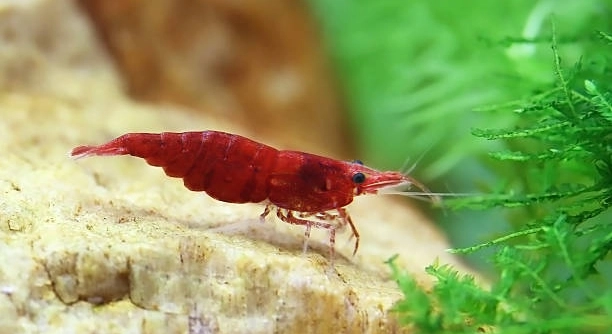
Have you ever noticed how your cherry shrimp move around the tank and wondered what kind of environment they like best? Watching their behavior can give clues about whether they enjoy calm or lively spaces. Their tiny movements seem to tell a story about comfort and stress in different tank settings.
Cherry shrimp generally prefer calm tanks with minimal disturbances. A stable environment with gentle water flow, consistent temperature, and fewer tankmates reduces stress, encourages natural behavior, and supports overall health and breeding success in these delicate freshwater creatures.
Observing their activity patterns in different tank setups can reveal surprising details about their preferences and well-being. Understanding these tendencies will help you create a more suitable environment for your shrimp.
Understanding Cherry Shrimp Behavior
Cherry shrimp are small, sensitive creatures that react strongly to changes in their environment. They tend to be shy and often hide when they feel threatened or overwhelmed. In a busy tank with lots of movement, loud filtration, or aggressive fish, shrimp may spend most of their time hiding rather than exploring or feeding. Calm tanks with plants, moss, and hiding spots encourage natural behaviors like grazing on algae and interacting with other shrimp. Observing their antennae and swimming patterns can help you understand their comfort level. Stress can affect their color, appetite, and even breeding, so creating a gentle, predictable environment is essential. While some activity is natural and can stimulate curiosity, excessive chaos or overcrowding can lead to long-term stress, making them more susceptible to disease. Providing consistent water parameters, moderate lighting, and limited disturbances helps them thrive and makes it easier to notice subtle behaviors that indicate health or stress.
Cherry shrimp are most active in stable, calm tanks where they feel safe to explore and feed.
Even small changes, like moving decorations or introducing new fish, can make them skittish. They rely heavily on scent and vibration cues, so a tank that is predictable and quiet lets them express normal behaviors. Moss and plants provide safe zones for grazing, molting, and resting. By watching how they interact with the environment, you can adjust tank conditions to reduce stress. Gradual changes in water parameters, gentle filtration, and avoiding sudden movements near the tank help maintain a calm atmosphere. Over time, calm tanks encourage vibrant colors, frequent feeding, and successful breeding, making shrimp care more rewarding.
Setting Up a Calm Tank
A calm tank has low-flow filters, stable temperatures, and minimal disturbances.
To create a calm environment, start by choosing a tank location away from heavy foot traffic and loud appliances. Use gentle filtration to maintain water quality without creating strong currents that can stress shrimp. Incorporate plenty of hiding spots with plants, rocks, and moss, allowing shrimp to retreat when they feel nervous. Keep lighting moderate, avoiding sudden changes or intense brightness. Introduce tankmates carefully, avoiding aggressive or large fish that may scare them. Regular maintenance like water changes should be done slowly to prevent sudden shifts in water parameters. A predictable feeding schedule and consistent care routine further reduce stress, helping shrimp adapt and feel secure. Over time, a calm environment encourages natural behaviors such as grazing, molting, and social interaction. Observing them in this setting shows how important stability is for their overall health. A calm tank ultimately supports color vibrancy, active exploration, and successful breeding, making it easier to enjoy and care for these delicate creatures without constant worry.
Tankmates and Shrimp Stress
Not all tankmates are suitable for cherry shrimp. Fast-moving or aggressive fish can stress them, causing hiding or reduced feeding. Choosing peaceful species helps shrimp feel safe and reduces unnecessary stress in the aquarium.
Peaceful fish such as small tetras, snails, or otocinclus catfish are ideal companions. Shrimp need space to graze and molt without being chased or harassed. Even fish that seem small or gentle can unintentionally frighten shrimp if they dart around the tank too quickly. Keeping tankmates to a minimum and observing interactions helps ensure shrimp remain active and healthy. Avoid overcrowding to reduce competition for food and hiding spots, which can increase stress levels.
Shrimp also respond to invertebrates differently. Snails, for example, share algae-grazing responsibilities without aggressive behavior, while larger crustaceans may compete for territory. Careful planning of tank inhabitants ensures a balanced environment. By maintaining compatible species, shrimp can explore and feed freely. Stress-free interactions lead to vibrant colors, regular molting, and better breeding outcomes. Monitoring behavior over time helps you adjust the mix of tankmates to maintain harmony and stability in the aquarium.
Feeding Habits and Tank Activity
Shrimp prefer grazing quietly rather than competing for food in crowded tanks. Slow, small feedings reduce stress and encourage natural foraging behavior.
Cherry shrimp thrive on algae, biofilm, and specialized shrimp foods. They graze constantly throughout the day, picking at surfaces and exploring plants. In busy tanks, they may hesitate to eat or retreat to hiding spots, which affects growth and molting. Offering small amounts multiple times a day mimics natural conditions and prevents overeating or fouling the water. Balanced nutrition supports vibrant colors and overall health.
Observation is key to understanding feeding patterns. Calm tanks allow shrimp to spread out, forage comfortably, and interact with others. Providing varied food like algae wafers, blanched vegetables, or occasional protein supplements encourages active behavior without stressing them. When shrimp feel safe during feeding, they are more likely to exhibit natural behaviors, maintain color intensity, and grow steadily. A structured feeding routine combined with a calm environment creates predictable conditions that reduce anxiety and support long-term health. Careful attention to behavior during feeding helps identify stressors and optimize tank setup.
Lighting and Shrimp Comfort
Bright or fluctuating lights can make shrimp nervous, causing them to hide. Moderate, consistent lighting helps them feel secure while maintaining plant growth in the tank.
Natural day-night cycles or dim lighting encourage shrimp to explore without stress. Too much brightness can reduce activity and feeding.
Plants and Hiding Spots
Plants, moss, and small decorations give shrimp areas to retreat and feel safe. These features also provide surfaces for grazing and molting. Regularly adding or rearranging plants in a calm manner keeps the tank stimulating without overwhelming the shrimp.
Water Flow
Strong currents can tire shrimp and disrupt natural behaviors. Gentle flow ensures proper oxygenation while allowing shrimp to move freely without stress.
Observing Shrimp Behavior
Watching how shrimp interact with the environment helps identify stress or comfort. Calm, active shrimp indicate a well-balanced tank and proper care routines.
FAQ
Do cherry shrimp need a calm tank to survive?
Yes, cherry shrimp do best in calm tanks. High activity or strong currents can stress them, making them hide, eat less, and sometimes even lose color. A stable environment with gentle water flow, consistent temperature, and quiet surroundings supports their health and encourages natural behavior.
Can cherry shrimp live with active fish?
They can, but caution is needed. Fast or aggressive fish often scare shrimp, causing them to hide constantly. Small, peaceful species like otocinclus, snails, or tiny tetras work better. Even calm fish should be monitored to ensure shrimp can forage and molt safely.
How does tank size affect stress levels?
Smaller tanks can feel crowded, increasing stress when there are too many shrimp or tankmates. Larger tanks give more hiding spots, grazing areas, and space to explore. Space reduces conflicts and ensures shrimp can maintain normal activity without constant disturbance.
What role do hiding spots play?
Hiding spots are crucial. Shrimp retreat to plants, moss, or decorations when frightened or molting. Adequate cover reduces stress and allows them to feel safe. Even a calm tank needs plenty of shelter to mimic their natural environment and support healthy behaviors.
Does lighting affect shrimp behavior?
Yes, lighting intensity impacts comfort. Bright, flickering lights can make shrimp hide or reduce activity. Moderate, consistent lighting with a natural day-night cycle encourages exploration, grazing, and molting. Dim or adjustable lighting is ideal for maintaining a relaxed environment.
How often should I feed cherry shrimp?
Small, frequent feedings are best. Shrimp naturally graze throughout the day. Overfeeding or large portions can pollute the water, while too little food may cause stress and competition. A mix of algae, biofilm, and occasional shrimp-specific foods ensures balanced nutrition.
Do shrimp show signs of stress?
Yes, stressed shrimp often hide, lose color, or eat less. Rapid darting, excessive hiding, or slow movement are signals of discomfort. Stress can result from overcrowding, strong currents, poor water quality, or aggressive tankmates. Observing behavior daily helps catch problems early.
Can plants improve shrimp well-being?
Plants are highly beneficial. They provide surfaces for grazing, places to molt safely, and help maintain water quality. Live plants create a more natural and comforting environment. Moss and dense foliage are especially helpful for hiding and exploring without feeling exposed.
How do water changes affect calmness?
Sudden or large water changes can stress shrimp, even in otherwise calm tanks. Gradual, small changes maintain stable conditions and reduce anxiety. Properly acclimating shrimp after changes ensures they continue to feed and explore normally.
Is tank decoration important for comfort?
Yes, decorations help create a varied environment with secure hiding spots and grazing areas. Rocks, caves, and driftwood mimic natural habitats. Thoughtful placement avoids strong currents or overcrowding while giving shrimp freedom to move and express natural behaviors.
What temperature range is ideal?
Cherry shrimp prefer stable temperatures around 72–78°F. Sudden shifts or extremes cause stress and affect molting or reproduction. Consistent warmth helps them stay active, maintain color, and thrive alongside plants and tankmates.
Can calm conditions improve breeding?
Absolutely. Calm tanks reduce stress, encourage natural grazing and interaction, and create a secure environment for females carrying eggs. Stress-free conditions improve survival rates of both adults and offspring, making breeding more predictable and successful.
How do I know if a tank is too busy?
Signs include shrimp hiding constantly, reduced feeding, and pale colors. Too many fish or strong water flow also indicate a busy tank. Monitoring behavior and adjusting tankmates, decorations, or flow helps maintain a peaceful environment.
Does water flow impact feeding behavior?
Yes, strong currents can push food away or make shrimp retreat. Gentle flow ensures they can graze without effort while maintaining water quality. Observing feeding activity under different conditions helps fine-tune the setup for maximum comfort and health.
Are cherry shrimp social creatures?
They are social with their own species. Calm, stable tanks allow them to interact, graze together, and display natural behaviors. Stressful conditions reduce social interaction, which can affect breeding, feeding efficiency, and overall health.
How often should I check water parameters?
Regular checks are essential. Ammonia, nitrite, nitrate, and pH levels must remain stable. Sudden changes can stress shrimp, making them hide or stop eating. Frequent monitoring prevents problems before they affect behavior or survival.
Can tank noise affect shrimp?
Yes, vibrations from loud pumps, speakers, or nearby appliances can stress shrimp. A quiet location with minimal vibrations supports normal activity and reduces hiding. Even gentle background noise can disturb them, so placement matters.
Do shrimp prefer busy or calm feeding areas?
They prefer calm feeding areas. Too much movement or disturbance can prevent grazing and molting. Providing food in quiet, accessible spots encourages them to feed regularly, grow, and maintain color without constant anxiety.
Can tankmates influence molting success?
Yes, aggressive or curious tankmates can disrupt molting, causing shrimp to retreat or hide excessively. Calm, peaceful environments with secure hiding spots allow successful molts, which are essential for growth and health.
What are the best practices for maintaining calm tanks?
Keep consistent temperature, gentle filtration, moderate lighting, and peaceful tankmates. Provide hiding spots, maintain stable water parameters, and feed small amounts regularly. Observing shrimp behavior and adjusting when necessary ensures they remain active, healthy, and stress-free in their environment.
Cherry shrimp are delicate creatures that respond strongly to their environment. Keeping them in a calm tank is essential for their overall health and well-being. When a tank is stable and quiet, with gentle water flow and consistent temperature, shrimp are more likely to explore, feed, and interact naturally. Stress can show in many ways, including hiding, loss of color, or reduced activity. Providing plenty of hiding spots with plants, moss, and decorations helps them feel safe. Even small details, like moderate lighting and a predictable feeding schedule, can make a noticeable difference in how comfortable they feel. Calm tanks not only reduce stress but also make it easier for you to observe their behaviors and notice when something is wrong, giving you the chance to make adjustments quickly.
A calm environment also supports the breeding and molting process of cherry shrimp. Molting is a vulnerable time for them, and they need secure places to hide while their new shells harden. Stressful or busy tanks can interfere with this process, leading to slower growth or health problems. Female shrimp carrying eggs are particularly sensitive to disturbances, so a quiet and peaceful setting is important for successful reproduction. When shrimp feel safe, their colors become more vibrant, they are more active, and they are more likely to show natural behaviors like grazing on algae or interacting with other shrimp. Providing compatible tankmates, avoiding aggressive fish, and keeping a clean, stable environment all contribute to maintaining a calm tank that benefits shrimp health. Observing shrimp closely helps you notice their preferences and respond appropriately, whether it’s adjusting water flow, adding new hiding spots, or reducing unnecessary activity near the tank.
Maintaining a calm tank takes attention, but it is not difficult. Regular care, including small water changes, gentle feeding, and monitoring water parameters, ensures stability. Even minor changes in environment, like sudden lighting shifts or loud noises, can affect shrimp behavior, so consistency is key. A calm tank does not mean a bare or boring tank—it can still be filled with plants, moss, and decorations that create a natural, stimulating space for shrimp to explore. By prioritizing calmness, you create an environment where shrimp can thrive, showing off their colors, molting safely, and living active, healthy lives. Paying attention to their reactions allows you to maintain the right balance, making your aquarium a safe and comfortable home for cherry shrimp over the long term.

Hello,
If you enjoy the content that we create, please consider saying a "Thank You!" by leaving a tip.
Every little bit helps us continue crafting quality advice that supports the health, happiness, and well-being of pets around the world, for pets of all shapes, sizes, and species.
We really appreciate the kindness and support that you show us!