
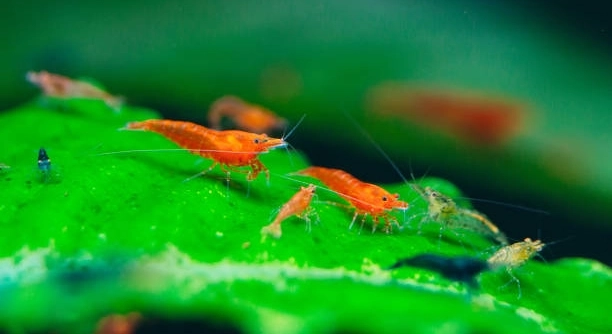
Have you ever set up a shrimp tank and noticed the water looking cloudy or dull over time? Maintaining clean water is an essential part of keeping shrimp healthy and happy in their small aquatic world.
Shrimp water becomes too dirty primarily due to the buildup of waste, leftover food, and uneaten debris. Poor water quality can lead to stress, disease, and even death, making regular monitoring and cleaning essential for a thriving shrimp tank.
Keeping an eye on water clarity and cleanliness can make a huge difference in shrimp care. Learning the signs of dirty water helps prevent problems before they escalate.
Cloudy or Murky Water
Cloudy water is one of the first signs that your shrimp tank needs attention. It can appear white, gray, or green depending on the type of particles or algae present. This cloudiness usually happens when waste, uneaten food, and decaying plant matter accumulate faster than your filtration system can handle. Overfeeding shrimp often worsens this problem, as leftover food decomposes quickly. Algae blooms can also cause water to turn green, especially if the tank receives too much light or excess nutrients. Frequent water changes and careful feeding can help maintain clarity. Filtration should match the size of your tank and the number of shrimp. Adding plants or using activated carbon can help reduce particles and chemicals in the water. Observing your shrimp closely helps you notice subtle changes before they become serious problems. Small adjustments often prevent the water from becoming overly dirty and stressful for your shrimp.
Cloudy water indicates poor filtration and excessive organic buildup, which can compromise shrimp health. Immediate corrective actions, such as partial water changes and enhanced filtration, are necessary to restore a safe aquatic environment.
Checking the water daily for signs of cloudiness ensures you catch issues early. Proper maintenance keeps shrimp active and healthy.
Algae Growth
Algae growing on the tank walls or decorations signals nutrient imbalance. Even small amounts can affect water quality.
Unchecked algae growth stems from excessive light, high nutrient levels, and leftover food. It competes with shrimp for oxygen and can reduce water quality over time. While some algae are harmless, heavy buildup can stress shrimp and encourage bacterial growth. Removing visible algae, limiting light exposure, and maintaining a consistent cleaning schedule are crucial. Plants can compete with algae for nutrients, helping control its growth naturally. Regular water changes reduce phosphate and nitrate buildup, limiting algae blooms. Avoid using harsh chemicals, as shrimp are sensitive. Monitoring the tank and responding promptly to algae growth ensures shrimp remain healthy, active, and free from stress caused by poor water conditions. A balanced feeding routine also prevents excess nutrients that encourage algae. By addressing algae early, the tank stays clean and supports a thriving shrimp population.
Foul Smell
A strong, unpleasant odor from your shrimp tank usually means waste and leftover food are decomposing. This is a clear indication that water quality is poor and needs immediate attention.
Foul smells develop when organic matter breaks down faster than it can be removed. Overfeeding is often a key factor, leaving uneaten food to rot on the substrate. Dead shrimp or fish can also contribute to odors if not removed quickly. Filtration that is too weak or infrequent water changes allow toxins like ammonia and nitrites to accumulate, creating a stench and a hazardous environment. Regular tank cleaning, careful feeding, and monitoring water parameters can prevent foul odors and keep shrimp healthy. Adding live plants can help absorb some waste, though they are not a replacement for proper maintenance. Maintaining clean, odor-free water ensures shrimp remain active and stress-free, supporting their overall health and longevity.
Persistent tank odors indicate elevated ammonia and nitrite levels. Immediate partial water changes, debris removal, and improved filtration are necessary to restore safety and prevent shrimp illness.
Excessive Debris
Floating particles and sediment accumulating on the bottom of the tank signal dirty water. This debris can harm shrimp if left unchecked.
Excessive debris forms when waste, leftover food, and dead plant matter settle on the substrate. Strong filtration and frequent siphoning prevent buildup, but neglecting these tasks allows detritus to multiply, reducing water quality. Overfeeding accelerates debris accumulation, as shrimp cannot consume all food in time. Even a small amount of uneaten food left for a few hours can begin decomposing. Debris affects oxygen levels and promotes bacterial growth, which stresses shrimp and can trigger illness. Manual cleaning combined with consistent water changes keeps the tank substrate free from excessive waste. Live plants and substrate-cleaning tools also help maintain a cleaner environment, making the tank safer and more visually appealing. By addressing debris regularly, you support shrimp health and prevent water from becoming overly toxic.
Shrimp often avoid areas with heavy debris, limiting their activity. Keeping the tank clean encourages normal behavior, feeding, and overall well-being.
Cloudy Filter
A filter clogged with debris or running inefficiently reduces water circulation. This can quickly lead to poor water quality and stress your shrimp.
Cleaning or replacing filter media regularly ensures proper flow. A well-maintained filter removes particles and prevents water from turning murky, keeping the environment safe for shrimp.
Shrimp Hiding More Than Usual
Shrimp spending extra time hiding often indicate stress caused by dirty water. Poor conditions make them seek shelter more frequently.
Dirty water increases toxins like ammonia and nitrites, which affect shrimp behavior. They become less active, stay near plants or decorations, and eat less. Monitoring water parameters and maintaining cleanliness helps restore their confidence and activity levels.
Uneaten Food
Leftover food that sinks and sits on the substrate pollutes water quickly. Regular removal prevents deterioration and water quality issues.
How often should I change my shrimp tank water?
Changing water regularly is essential to maintain a healthy environment for shrimp. A partial water change of about 20-30% every week is usually sufficient for most small tanks. Larger tanks with heavier stocking may require more frequent water adjustments. Water changes remove excess nutrients, leftover food, and waste that can accumulate quickly. Consistency is key, as sudden or large changes can stress shrimp. Always use dechlorinated or treated water at the same temperature as the tank to avoid shocking them. Monitoring water parameters alongside regular changes ensures that ammonia, nitrite, and nitrate levels remain safe.
What is the best way to remove debris from the tank?
Manual removal with a siphon or small net works best for cleaning debris. Uneaten food, dead plant matter, and waste can settle in corners or under decorations. Using a gravel vacuum during water changes helps remove this buildup without disturbing shrimp too much. Avoid cleaning everything at once, as this can remove beneficial bacteria. Lightly stirring the substrate or using a soft brush on surfaces can also dislodge trapped particles. Maintaining a routine schedule reduces the chance of debris accumulating to harmful levels. Keeping decorations and plants clean ensures water clarity and healthier shrimp.
How can I control algae growth effectively?
Algae thrives on excess nutrients and light. Limiting light exposure to 6-8 hours a day helps slow growth. Avoid overfeeding, since leftover food increases nitrate and phosphate levels, which algae use to grow. Live plants compete with algae for nutrients and reduce its spread naturally. Scraping algae from tank walls and decorations keeps it under control. Filtration and partial water changes also reduce nutrient buildup. Chemical treatments should be avoided unless absolutely necessary, as they can harm shrimp. Consistent care and attention prevent algae from becoming a persistent problem, maintaining a clean and safe habitat.
What signs indicate my shrimp are stressed from dirty water?
Shrimp may hide more, move less, or avoid feeding when stressed. Color fading or unusual swimming patterns can also indicate poor water quality. Stress can lead to molting issues or disease if conditions do not improve. Observing behavior daily helps catch problems early.
Are there any tools that help maintain clean water easily?
Filters, sponge filters, and gravel vacuums are essential tools. Sponge filters are gentle for small shrimp and provide biological filtration. Gravel vacuums simplify substrate cleaning during water changes. Using a small net can remove floating debris quickly. These tools reduce the workload and help maintain stable, clean conditions, supporting healthier shrimp.
Can overfeeding really harm my shrimp tank?
Yes, overfeeding is a leading cause of dirty water. Leftover food decomposes quickly, raising ammonia and nitrite levels. It also encourages algae growth and debris accumulation. Feeding small amounts that shrimp can finish within a few hours prevents these problems. Regular observation ensures shrimp eat what you provide and keeps the water safe.
What water parameters should I monitor regularly?
Ammonia, nitrite, nitrate, and pH levels are the most important. Ammonia and nitrites should be near zero, while nitrates should remain below 20-40 ppm. Temperature stability is also essential for shrimp health. Testing water weekly and after maintenance or feeding changes helps prevent problems before they become serious.
Are live plants helpful for water cleanliness?
Live plants absorb nutrients, reducing waste buildup and limiting algae growth. They also provide hiding spots and improve oxygen levels. While not a replacement for water changes, plants complement regular maintenance and contribute to a stable, healthy environment. Choosing hardy plants suited to shrimp tanks provides the best results.
How do I know if my filter is working properly?
A properly functioning filter keeps water clear, moves water evenly, and avoids debris buildup. Check for clogs, reduced flow, or unusual noises. Regularly cleaning media without removing all beneficial bacteria ensures the filter continues supporting water quality and shrimp health.
What should I do if water quality suddenly drops?
Immediately perform a partial water change, remove debris, and check filtration. Test for ammonia, nitrite, and nitrate levels. Reduce feeding temporarily until conditions stabilize. Observe shrimp closely for stress and adjust care routines to prevent further issues. Swift action can prevent health problems and maintain a safe habitat.
Can temperature fluctuations affect water cleanliness?
Yes, sudden temperature changes affect dissolved oxygen and water chemistry. Warm water may accelerate waste breakdown and algae growth, while cold water slows biological filtration. Maintaining a stable, appropriate temperature helps keep water clean and supports shrimp health, preventing stress and potential illness.
Keeping shrimp water clean is one of the most important parts of maintaining a healthy tank. Dirty water can build up slowly without being noticed, but it can have serious effects on shrimp health. Cloudy water, foul smells, excessive debris, and unusual behavior are all signs that the tank environment is deteriorating. Paying attention to these signs early allows you to take action before problems become severe. Consistent care, such as partial water changes, removing leftover food, and maintaining filtration, can prevent most water quality issues. Even small adjustments, like checking water temperature or limiting light exposure, can make a big difference in how clean and safe the tank stays. Observing your shrimp daily helps you notice subtle changes that could indicate stress or illness, making it easier to respond quickly.
Proper filtration and regular maintenance work together to keep water clear and healthy. Filters remove floating particles, excess waste, and uneaten food, while water changes dilute harmful chemicals like ammonia, nitrites, and nitrates. Gravel vacuums and siphons help clean the substrate, preventing debris from accumulating where shrimp live and feed. Live plants can also help maintain a balanced environment by absorbing nutrients and improving oxygen levels. Feeding shrimp carefully and avoiding overfeeding reduces leftover food that would otherwise pollute the water. A clean tank encourages shrimp to behave naturally, feed actively, and molt successfully. When water is well-maintained, shrimp are less stressed and more likely to thrive, which ultimately makes caring for them easier and more rewarding.
Monitoring water quality should become a routine part of shrimp care. Testing for ammonia, nitrites, nitrates, and pH ensures that conditions remain safe for your shrimp. Daily observation, combined with scheduled cleaning and water changes, prevents small issues from becoming major problems. Even if the tank appears clean on the surface, hidden waste or decaying plant matter can still harm shrimp if ignored. Taking small steps consistently, like checking filter flow, removing debris, and trimming plants, maintains a healthy balance in the tank. Over time, these efforts create a stable environment where shrimp can live actively and safely. A little care each week helps prevent stress, illness, and premature deaths, making your tank a healthy space for shrimp to thrive.

Hello,
If you enjoy the content that we create, please consider saying a "Thank You!" by leaving a tip.
Every little bit helps us continue crafting quality advice that supports the health, happiness, and well-being of pets around the world, for pets of all shapes, sizes, and species.
We really appreciate the kindness and support that you show us!