
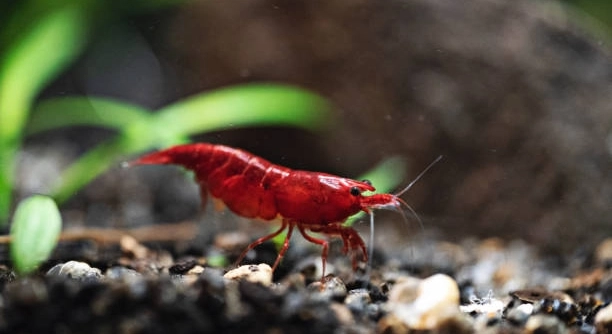
Keeping a small aquarium at home can be relaxing and fun, especially when you focus on a single type of aquatic pet. Shrimp-only tanks offer a calm environment with minimal maintenance and fascinating observation opportunities.
Shrimp-only tanks provide multiple benefits, including reduced aggression, easier water management, enhanced breeding success, clearer observation of shrimp behavior, controlled population growth, decreased disease risk, and more predictable ecosystem balance. These advantages create an optimal environment for shrimp care and study.
Many hobbyists find that shrimp-only tanks simplify daily care and foster healthier, happier shrimp over time.
Reduced Aggression
Shrimp-only tanks are calmer because there are no aggressive fish competing for territory or food. In mixed tanks, small shrimp often hide constantly, stressed by larger fish or fast movers. By keeping only shrimp, each one has space to explore and feed at its own pace. This calm environment allows shrimp to display natural behaviors, like grazing on biofilm, molting safely, and interacting with each other without fear. Stress from constant threats can stunt growth, reduce lifespan, and make shrimp more prone to illness. Watching them move freely, molt, and interact with minimal disturbance is rewarding. It also makes maintenance easier because fewer hiding spots are needed, and uneaten food can be monitored more effectively. Over time, shrimp develop more predictable routines, and their population remains stable, creating a serene aquatic habitat. Observing shrimp in such a stable tank can feel surprisingly relaxing.
Maintaining peace in the tank helps shrimp grow healthier and encourages more natural breeding habits over time.
With a controlled, stress-free environment, shrimp can flourish, molting safely and feeding without interruption. Less stress means fewer injuries, lower mortality, and a stronger, more vibrant population. Over weeks and months, the difference becomes obvious, as shrimp move confidently around the tank and show more natural coloration. Additionally, aggression from larger species can introduce disease or compete for food, issues that disappear in a shrimp-only setup. This environment also allows precise feeding routines, as each shrimp has better access to food and less competition. Overcrowding is easier to manage, since tankmates are uniform in size and needs. Reduced aggression also makes observing breeding behaviors simpler, helping those who want to maintain a self-sustaining tank. Finally, cleaning and water changes become less stressful, as shrimp are less likely to panic or hide in the substrate. Overall, a peaceful shrimp-only tank promotes health, longevity, and a predictable ecosystem.
Easier Water Management
Shrimp-only tanks require less frequent intervention because shrimp produce less waste compared to larger fish.
With smaller bioloads, water parameters remain stable longer. Ammonia, nitrite, and nitrate levels fluctuate minimally, making monitoring simpler. Filters and heaters operate more efficiently, and frequent water changes are often unnecessary. This stability helps delicate species thrive and reduces sudden health issues. Shrimp respond well to consistent conditions, and tank maintenance becomes more straightforward.
Monitoring and maintaining water quality is simpler because shrimp are sensitive to sudden changes. Their smaller size and waste output keep tanks cleaner, and balancing pH, hardness, and temperature is easier. Consistent water quality reduces stress, promotes molting, and supports breeding. A well-managed tank minimizes algae blooms and prevents sudden chemical shifts. Over time, these stable conditions make shrimp populations resilient. Hobbyists can focus on observation and care rather than constant correction. By understanding their shrimp’s needs, daily tasks like feeding, trimming plants, or cleaning become predictable and low-stress. Shrimp-only setups let you maintain clarity and health without overcomplicating routine care. Proper water management in these tanks ensures vibrant, thriving shrimp with minimal effort.
Enhanced Breeding Success
Shrimp-only tanks improve breeding because males and females interact without interference. Controlled conditions allow eggs to develop safely, increasing the likelihood of successful hatching and healthy offspring.
Stable environments and reduced stress are key for breeding. In mixed tanks, larger fish may eat eggs or harass gravid females, lowering survival rates. By keeping only shrimp, females can carry eggs to term without danger, and juveniles have safe hiding spots among plants and substrate. The tank can be arranged to support natural behaviors, like grazing and molting, which also encourages breeding activity. Observing shrimp reproduce in a peaceful tank can be satisfying and educational, offering insight into their life cycle.
Population control becomes manageable in a shrimp-only tank. Breeding rates can be monitored, and juveniles can grow without risk from predators. This allows for careful planning of tank size, decorations, and food distribution. Selective breeding is easier because shrimp traits are visible without interference, letting you maintain specific colors or patterns. Hatchlings survive better, and their growth is more predictable. Over time, a well-managed shrimp-only tank can sustain multiple generations naturally, supporting both visual appeal and long-term health.
Clearer Observation of Behavior
Watching shrimp in a shrimp-only tank is rewarding because interactions are visible and natural.
Behavior is easier to study when there is no competition or predation. Shrimp move freely, graze, molt, and explore, giving insight into their daily patterns. Activity levels, feeding habits, and social interactions are more noticeable, allowing for better care and understanding.
Tank layout can be optimized for observation. Plants, moss, and rocks provide hiding spots while keeping open areas for watching movement. Feeding routines become visible, showing which shrimp are healthy or stressed. Molting cycles are easier to monitor without interference. Breeding behavior is observable, as females carry eggs and juveniles grow safely. With fewer tankmates, subtle behaviors like grooming, antennae movement, and social hierarchy are apparent. This clarity improves maintenance decisions, ensuring shrimp remain healthy. Overall, a shrimp-only tank allows detailed observation, helping maintain a thriving, balanced population.
Controlled Population Growth
A shrimp-only tank makes it easier to manage population. Without predatory fish, juveniles survive, but numbers can be monitored to prevent overcrowding.
Regularly removing excess shrimp or separating tanks ensures enough space and resources for all. Overpopulation can stress shrimp, reducing health and breeding success.
Decreased Disease Risk
Keeping only shrimp lowers the chance of introducing diseases from other species. Fish can carry parasites or bacteria that affect shrimp. Quarantining new shrimp and maintaining clean water further reduces health risks, ensuring a stable, thriving population.
Predictable Ecosystem Balance
Shrimp-only tanks are easier to maintain because all inhabitants have similar needs. Feeding, cleaning, and monitoring are straightforward, and the tank’s biological balance remains stable. Plants, substrate, and decorations can support shrimp without worrying about compatibility with other species.
Ideal for Observation
Shrimp-only setups allow detailed study of natural behaviors. Molting, feeding, and social interactions become clear, offering insight into shrimp life cycles and health without distractions from other animals.
FAQ
How often should I feed shrimp in a shrimp-only tank?
Shrimp should be fed small amounts once or twice daily. Overfeeding can pollute the water and cause algae growth. Providing a mix of specialized shrimp food, blanched vegetables, and biofilm encourages healthy growth. Watch for uneaten food and remove it to maintain water quality.
Can shrimp live with other species?
Shrimp can live with very peaceful species, but risks remain. Predatory or fast-moving fish often stress shrimp or eat juveniles. For best results, keep shrimp-only tanks to protect delicate populations and support natural behaviors.
What is the ideal water temperature for shrimp?
Most freshwater shrimp thrive between 72 and 78°F (22–26°C). Consistent temperature reduces stress and supports molting, feeding, and breeding. Avoid sudden changes by using a reliable heater and monitoring water regularly.
How do I prevent algae growth in a shrimp-only tank?
Moderate lighting, controlled feeding, and live plants help reduce algae. Algae-eating shrimp varieties can also assist in keeping the tank clean naturally. Regular water changes help maintain a healthy balance, preventing excessive growth.
How do I manage breeding in a shrimp-only tank?
Breeding is easiest when the tank is stable, stress-free, and has plenty of hiding spots for juveniles. Monitor population density to avoid overcrowding, and consider separating adults from juveniles if needed to maintain survival rates.
What type of substrate is best for shrimp?
Fine gravel or sand with biofilm encourages grazing and molting. Darker substrates can enhance shrimp coloration and provide a natural-looking environment. Avoid sharp edges that may harm delicate shrimp.
Do I need a filter for a shrimp-only tank?
Yes, a gentle sponge filter is ideal. It provides biological filtration without creating strong currents that stress shrimp. Sponge filters also prevent small shrimp from being sucked in, keeping all tank inhabitants safe.
How often should I perform water changes?
Water changes of 10–20% weekly are sufficient for a shrimp-only tank. This helps maintain stable parameters, removes excess nutrients, and prevents chemical buildup. Always match new water temperature and parameters closely to the tank water.
Can I keep multiple shrimp species together?
Some species can coexist if they share similar water requirements, but hybridization may occur. Carefully research compatibility and monitor interactions to prevent stress or dominance issues.
What signs indicate shrimp stress or illness?
Shrimp showing lethargy, discoloration, excessive hiding, or molting problems may be stressed or unhealthy. Check water quality, temperature, and diet, and remove any potential sources of stress immediately.
Are live plants necessary in a shrimp-only tank?
Live plants are highly recommended. They provide hiding places, improve water quality, and supply surfaces for biofilm growth, which is an important food source. Moss, Java fern, and floating plants work well.
How many shrimp should I keep in a tank?
Stocking density depends on tank size and species. A general guideline is 10–20 shrimp per 5 gallons for small species. Monitor growth and adjust as necessary to prevent overcrowding and maintain health.
Is it okay to use decorations and rocks?
Yes, decorations and rocks provide shelter and surfaces for biofilm growth. Smooth edges are important to prevent injuries. Arrange items to allow open swimming areas and maintain easy access for maintenance.
What is the best lighting for a shrimp-only tank?
Moderate lighting is best. It supports plant growth and encourages algae for grazing without stressing shrimp. Avoid bright or prolonged light that may trigger excessive algae or stress.
Can shrimp survive without special food?
Shrimp can graze on biofilm and algae, but a varied diet ensures proper nutrition. Specialized shrimp food or blanched vegetables help maintain color, growth, and reproductive health.
How long do shrimp live in a shrimp-only tank?
Lifespan varies by species, but most freshwater shrimp live 1–3 years. Proper water quality, nutrition, and stress-free conditions help maximize longevity.
Is CO2 injection necessary in a shrimp-only tank?
CO2 is optional. While it promotes plant growth, many shrimp-only tanks thrive with standard lighting and fertilization. Focus on water quality and stable parameters first.
How do I acclimate new shrimp to my tank?
Slow acclimation reduces shock. Float the bag to match temperature, then gradually mix tank water over 30–60 minutes. Introduce shrimp carefully to prevent stress or sudden parameter changes.
Can I breed shrimp without a separate breeding tank?
Yes, but survival rates are higher with hiding spaces and dense plants. Juveniles need protection from adults if the population grows dense. Observing natural reproduction is easier with careful planning of tank layout.
What maintenance is essential for a shrimp-only tank?
Regular water testing, partial water changes, filter cleaning, and monitoring for uneaten food are crucial. Keeping stable conditions ensures shrimp health, encourages breeding, and maintains a visually appealing tank.
How do I handle molting issues?
Molting problems often stem from poor water quality or lack of minerals. Adding calcium-rich food or mineral supplements and maintaining stable water parameters helps shrimp molt successfully.
Can shrimp-only tanks have snails or other invertebrates?
Yes, some snails or small invertebrates can coexist if they share similar water needs and do not compete aggressively for food. They can aid in cleaning and help maintain ecological balance.
Is it necessary to test water parameters regularly?
Yes, frequent testing of ammonia, nitrite, nitrate, pH, and hardness prevents sudden changes that stress shrimp. Stable parameters promote health, molting, and successful breeding.
How do I prevent shrimp from escaping?
Ensure the tank has a tight-fitting lid and check gaps around filters, lids, and decorations. Shrimp are small and can squeeze through narrow spaces if not secured.
Can I keep a shrimp-only tank in a cold room?
Temperature consistency is crucial. Cold rooms may require a heater to maintain stable conditions. Sudden drops in temperature can stress shrimp and affect health or breeding.
How do I encourage shrimp to eat new foods?
Introduce new foods gradually. Mix small amounts with familiar food to ensure acceptance. Observing shrimp feeding helps adjust portion sizes and diet variety without overfeeding.
What common mistakes should I avoid?
Overcrowding, overfeeding, poor water quality, and sudden changes are the main mistakes. Focusing on stability, proper nutrition, and gentle handling ensures a thriving shrimp-only tank.
Can shrimp-only tanks help beginners learn aquarium care?
Yes, they are manageable and forgiving. Observing shrimp behavior, maintaining water quality, and learning basic feeding routines build foundational aquarium skills without complex species interactions.
Are shrimp noisy or disruptive in any way?
No, shrimp are quiet and do not disturb tankmates or surroundings. Their small size and gentle movements make them ideal for peaceful setups.
How do I know if my tank is overcrowded?
Shrimp compete for food, hide excessively, or show stunted growth if overcrowded. Monitoring population and tank size prevents stress and maintains health.
Can shrimp survive in tap water?
Yes, if properly treated. Removing chlorine, chloramine, and balancing pH and hardness ensures safe conditions. Water conditioners are commonly used to prepare tap water for shrimp.
Is a heater always necessary for shrimp-only tanks?
Not always. Tropical species require consistent warmth, while cold-water species can thrive at room temperature. Maintaining stable temperature is more important than absolute warmth.
How do I deal with dead shrimp?
Remove deceased shrimp promptly to prevent water contamination. Investigate cause—water quality, stress, or disease—to prevent further loss. Regular monitoring helps maintain a healthy tank.
Can I keep shrimp in a small tank?
Yes, small tanks are suitable, but population density must be managed carefully. Smaller tanks require consistent monitoring of water quality and feeding routines.
What is the best way to introduce new shrimp?
Quarantine new shrimp first to prevent disease introduction. Gradually acclimate them to water parameters before adding them to the main tank.
Do shrimp need aeration?
Light aeration helps oxygenate water, but strong currents should be avoided. Sponge filters provide gentle aeration while protecting small shrimp.
Are shrimp hardy enough for beginners?
Yes, with stable water parameters, moderate care, and attention to feeding and cleanliness. They are a manageable choice for someone starting out with aquariums.
How do I maintain water clarity?
Partial water changes, controlled feeding, live plants, and gentle filtration keep water clear. Avoid overfeeding, and remove detritus to prevent cloudiness.
Can shrimp live with plants only?
Yes, live plants provide hiding spaces, grazing surfaces, and water quality benefits. A planted tank can support shrimp long-term with minimal additional decor.
How long does it take for a shrimp-only tank to stabilize?
Typically, 4–6 weeks are needed for bacteria to establish and parameters to stabilize. Testing water regularly ensures a safe environment for shrimp introduction.
What is the best tank size for beginners?
A 5–10 gallon tank is ideal for small species. It’s easy to manage while allowing enough space for multiple shrimp and plants without overcrowding.
Do shrimp need supplements or special water additives?
Some benefit from calcium or mineral supplements to support molting and shell health. Routine care and proper diet reduce the need for frequent additives.
How do I prevent sudden shrimp deaths?
Maintain stable water parameters, avoid overfeeding, provide hiding spaces, and acclimate new shrimp carefully. Sudden changes or stress are the main causes of unexpected mortality.
Can shrimp-only tanks survive long-term without fish?
Yes, shrimp-only tanks are sustainable if water quality, food, and space are managed properly. They can thrive for years with minimal intervention, offering a peaceful and healthy environment.
How do I handle tank emergencies?
Keep a backup supply of water conditioners, test kits, and a quarantine container. Prompt action during parameter spikes or disease outbreaks minimizes stress and loss.
Are shrimp social creatures?
Yes, shrimp interact with each other while foraging, grooming, and exploring. Observing their social behavior is part of the enjoyment of a shrimp-only tank.
What decorations improve shrimp health?
Smooth rocks, moss, driftwood, and dense plants provide hiding spots, surfaces for biofilm, and molting areas. Avoid sharp edges that could injure delicate shrimp.
Can shrimp tolerate small fluctuations in water quality?
Mild fluctuations are tolerable for hardy species, but extreme or rapid changes can stress or kill shrimp. Monitoring and gradual adjustments are safest.
How do I identify different shrimp species?
Coloration, size, and behavior help distinguish species. Researching traits and observing growth patterns ensures proper care and avoids accidental hybridization.
Do shrimp need nighttime darkness?
Yes, a natural light-dark cycle supports molting, feeding, and activity patterns. Consistent lighting schedules help maintain health and reduce stress.
Can shrimp recover from stress?
Yes, by restoring stable water conditions, providing adequate food, and minimizing disturbances. Recovery is gradual and may take days to weeks depending on severity.
Are shrimp-only tanks compatible with aquaponics?
Yes, shrimp can be used in small-scale aquaponic setups. They contribute waste that feeds plants while benefiting from stable water and plant filtration.
Can I breed shrimp for profit?
Some hobbyists do, but it requires careful water management, selective breeding, and consistent care to maintain healthy populations. Knowledge of market demand is also important.
Do shrimp recognize their environment?
Yes, shrimp explore, remember hiding spots, and interact with familiar areas. Consistent tank layout and plants support natural behavior.
How do I maintain a shrimp tank during vacations?
Automatic feeders and stable water conditions help. Longer absences may require a temporary caretaker to monitor water quality and food supply.
Can shrimp tanks be noisy?
Shrimp are silent, and gentle filters produce minimal sound. Overall, shrimp-only tanks are peaceful additions to any space.
What is the lifespan of baby shrimp?
Juveniles grow slowly, molting frequently during the first months. With proper care, they mature into adults within a few months, reaching full lifespan potential.
Do shrimp need hiding spots for molting?
Yes, hiding areas reduce stress and prevent predation by tankmates. Plants, moss, and small caves provide safe spaces during vulnerable periods.
Are shrimp sensitive to chemicals?
Yes, pesticides, cleaning products, and unconditioned tap water can harm shrimp. Always handle tanks carefully and treat water properly before use.
How do I know if my shrimp are healthy?
Active movement, bright coloration, regular feeding, and successful molting are signs of healthy shrimp. Monitoring behavior helps detect early issues.
Can shrimp adapt to new environments quickly?
Gradual acclimation is necessary. Sudden changes in temperature, pH, or hardness can stress or kill shrimp. Patience ensures a smooth transition.
Do shrimp need specific lighting for breeding?
Breeding is more influenced by water quality, food, and stable conditions than lighting. Moderate light is sufficient for healthy growth and reproduction.
How do I prevent tank crashes?
Monitor parameters, maintain filtration, avoid overfeeding, and conduct regular water changes. Stable conditions prevent sudden spikes or drops in ammonia, nitrite, or nitrate.
Can shrimp survive in brackish water?
Most freshwater shrimp cannot tolerate brackish conditions. Only specific species are adapted to higher salinity. Research species requirements carefully before attempting.
Are shrimp good for small apartments?
Yes, small, quiet, and low-maintenance shrimp tanks fit easily in apartments. They require minimal space but provide visual interest and satisfaction.
How do I encourage natural behavior in shrimp?
Provide plants, moss, smooth substrate, and safe hiding spots. Maintain stable water parameters, moderate feeding, and minimal disturbance to support exploration, grazing, and social interaction.
Can I keep multiple age groups together?
Yes, but ensure hiding spots for juveniles and monitor competition for food. Overcrowding or insufficient shelter can stress younger shrimp.
How do I handle algae blooms?
Reduce feeding, adjust lighting, add live plants, and ensure regular water changes. Some shrimp species eat algae, assisting natural control.
Do shrimp need water flow?
Minimal flow is sufficient. Strong currents can stress or displace shrimp. Sponge filters provide gentle movement while supporting filtration.
Can shrimp live in tanks with no substrate?
Yes, but substrate encourages grazing, molting, and hiding. Bare tanks are manageable but may reduce natural behaviors and feeding opportunities.
Are shrimp compatible with bettas?
Not reliably. Bettas may attack or stress shrimp. Shrimp-only tanks avoid such conflicts and provide safer conditions.
What is the best way to introduce plants to a shrimp tank?
Rinse plants thoroughly to remove chemicals or pests. Quarantine if necessary, and place them strategically to provide shelter without overcrowding swimming areas.
How do I prevent sudden pH changes?
Use stable substrate, avoid rapid water changes, and monitor water hardness. Gradual adjustments are safer for shrimp.
Can shrimp survive without hiding spaces?
They can, but stress and vulnerability increase. Hiding spots improve molting success, reduce stress, and encourage natural behavior.
Do shrimp need daily observation?
Daily checks are helpful for feeding, water clarity, and behavior. Observation helps detect early signs of stress, illness, or overpopulation.
Can shrimp survive in unheated tanks year-round?
Cold-water species can, but tropical shrimp need consistent warmth. Monitoring temperature is key to survival and health.
What should I do if my shrimp stop eating?
Check water parameters, temperature, and diet. Stress, poor quality food, or illness may be the cause. Correct conditions gradually and monitor recovery.
Can shrimp-only tanks be planted densely?
Yes, dense planting benefits shrimp, providing hiding spaces and biofilm. Avoid overcrowding that blocks swimming areas or reduces water flow.
Are shrimp safe with small fish like guppies?
Small fish may eat juvenile shrimp. Survival is higher in shrimp-only tanks. Careful monitoring is needed for mixed setups.
How do I remove uneaten food?
Use a small net, siphon, or tweezers. Prompt removal prevents water contamination and algae growth.
Do shrimp need live food?
Not strictly, but occasional live food or biofilm enhances nutrition and encourages natural foraging.
How do I maintain mineral levels for shrimp?
Use calcium-rich foods, mineral supplements, or appropriate substrate. Stable mineral levels support molting and shell health.
Can shrimp live in low-light tanks?
Yes, shrimp can adapt to lower light, but plants may grow slowly. Some biofilm development may decrease without adequate light.
What is the most common shrimp disease?
Bacterial infections or fungal issues often occur from poor water quality. Prompt water changes and quarantine help prevent outbreaks.
How do I prevent shrimp escapes during maintenance?
Cover tanks and handle gently. Check for gaps around filters, lids, and decorations to ensure shrimp remain safely inside.
Can shrimp survive without live plants?
Yes, but live plants improve water quality, provide food surfaces, and support natural behaviors, enhancing overall health.
Are there specific water parameters for different shrimp species?
Yes, species vary in pH, hardness, and temperature preferences. Research specific needs to ensure optimal care.
How do I acclimate shrimp to different water hardness?
Gradually mix tank water with new water over 30–60 minutes. Sudden changes in hardness can stress or harm shrimp.
Do shrimp need a specific diet for color enhancement?
High-quality shrimp food with carotenoids or natural pigments can enhance coloration. Balanced nutrition is more important than supplements alone.
Can I use tap water without testing?
Testing is strongly recommended. Tap water may contain chlorine, chloramine, or unsuitable parameters that harm shrimp. Proper treatment ensures safety.
Are shrimp compatible with small invertebrates like snails or crayfish?
Snails usually coexist safely. Crayfish are risky because they may prey on shrimp. Careful selection of tankmates is necessary.
How do I monitor shrimp population growth?
Track the number of juveniles and adults. Observe feeding and hiding patterns to prevent overcrowding and maintain a balanced ecosystem.
Can shrimp survive in tanks without a heater in winter?
Cold-water species can, but tropical species need stable temperatures. Use a heater to prevent stress or mortality during cold months.
How do I know if water changes are sufficient?
Test ammonia, nitrite, nitrate, and pH regularly. Stable readings indicate water changes are effective and tank conditions are safe.
Do shrimp need a separate breeding tank?
Not always, but separating juveniles from adults improves survival. Hiding spots and dense plants help support natural reproduction in the main tank.
**Can shrimp live with floating
Keeping a shrimp-only tank can be a simple and rewarding experience. These tanks provide a calm environment where shrimp can grow, feed, and breed without interference from other species. Unlike mixed tanks, there is less stress for the shrimp because there are no aggressive fish or competition for space and food. A peaceful tank allows shrimp to display their natural behaviors, such as grazing on biofilm, exploring the substrate, and interacting with each other. Watching these small creatures move freely and carry out their daily activities can be quietly satisfying, offering a sense of connection with the aquatic life in your care. The controlled environment of a shrimp-only tank also makes it easier to manage water quality, feeding, and breeding. Because the shrimp are the only inhabitants, it is simpler to monitor their health, remove uneaten food, and maintain a balanced ecosystem. Over time, this setup can lead to a stable, thriving population of shrimp, which is rewarding to maintain and observe.
Another benefit of shrimp-only tanks is the enhanced breeding success they provide. Without the presence of larger or more aggressive species, females can carry eggs safely, and juveniles have places to hide while they grow. This controlled population allows hobbyists to manage density and maintain a balanced environment. Hiding spots, live plants, and moss not only give shrimp places to take shelter but also provide surfaces for biofilm, which is a natural and important food source. Observing breeding behavior in this environment can also be educational. It allows you to see the different stages of shrimp development, from egg carrying to juvenile growth, without the risk of predation. Over time, a shrimp-only tank can become self-sustaining, as juveniles mature and reproduce naturally. Maintaining this kind of setup requires attention to water parameters, feeding routines, and tank cleanliness, but the rewards are clear. Healthier shrimp, visible behaviors, and a more predictable ecosystem make the effort worthwhile.
Finally, shrimp-only tanks are accessible and manageable for a wide range of hobbyists. Even beginners can maintain these tanks successfully because the needs of the inhabitants are uniform and the risks from aggression or disease are lower. Proper care, including regular water testing, moderate feeding, and gentle handling, ensures that shrimp remain healthy and active. Decorating the tank with smooth rocks, plants, and moss creates a visually appealing and functional habitat, supporting molting, hiding, and grazing. By focusing on stable water quality, consistent routines, and a stress-free environment, you can enjoy a thriving shrimp population without unnecessary complications. In the long term, a shrimp-only tank provides both a peaceful display and an educational opportunity to understand the life cycles and behaviors of these fascinating creatures. This kind of setup encourages careful observation, patience, and attention to detail, all of which contribute to a successful and enjoyable aquarium experience.

Hello,
If you enjoy the content that we create, please consider saying a "Thank You!" by leaving a tip.
Every little bit helps us continue crafting quality advice that supports the health, happiness, and well-being of pets around the world, for pets of all shapes, sizes, and species.
We really appreciate the kindness and support that you show us!