
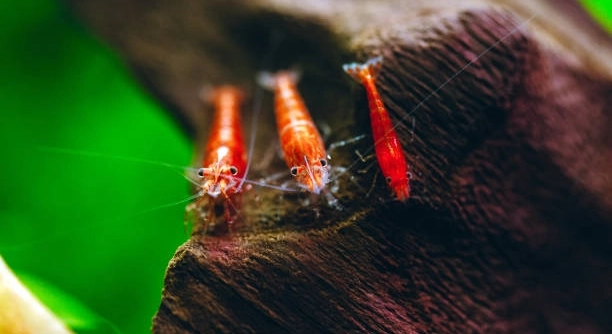
Cherry shrimp are small, colorful freshwater creatures that many aquarium enthusiasts enjoy keeping. Their peaceful nature and social behavior make them fascinating to observe, especially as they interact with other tank mates in a carefully maintained environment.
Current research and observational studies indicate that cherry shrimp do not exhibit behaviors that can be classified as mourning. While they may respond to changes in their environment or the removal of a tank mate, these reactions are generally linked to stress, curiosity, or exploration rather than emotional grief.
Understanding shrimp behavior can enhance how we care for them and maintain a healthy tank environment for all aquatic life. It provides insight into their natural responses and interactions.
Observing Shrimp Behavior After a Loss
After a tank mate dies, cherry shrimp may display subtle changes. They might explore the area where the shrimp passed away or interact with the deceased in unusual ways. Some will pick at the remains, which is a natural scavenging instinct rather than an emotional reaction. Their attention to the body can last a few hours or days, depending on the shrimp and the tank setup. Other shrimp may seem more cautious, hiding in corners or staying close to plants. These reactions are responses to environmental changes, not grief. Tank conditions, water quality, and the number of shrimp in the tank also affect how noticeable these behaviors are. Observing carefully can help owners identify what is normal and what could signal stress. Over time, shrimp usually return to their typical routines of grazing and swimming, showing minimal long-term impact from the loss.
These reactions are largely instinctual and tied to survival rather than emotion. Stress management is key.
Keeping the tank stable and monitoring water parameters reduces stress-related behaviors. Providing ample hiding spots and consistent feeding encourages shrimp to resume normal activity. Understanding these patterns helps in maintaining a calm environment, ensuring all remaining shrimp thrive despite the absence of a tank mate. Regular observation allows for early intervention if abnormal behaviors persist, supporting a healthier and more balanced aquarium.
Maintaining a Healthy Environment
Regular water changes and filtration are essential for shrimp well-being. Clean water minimizes stress and promotes natural behavior.
Proper diet, stable temperature, and gentle handling also contribute to their resilience. Avoiding sudden changes prevents unnecessary disturbances. Observing shrimp interactions helps identify stress signals early. By maintaining consistent conditions, shrimp can thrive and recover quickly from minor environmental disruptions.
Monitoring population dynamics is also important. Overcrowding or aggressive tank mates can cause stress and unusual behavior. Keeping compatible species together and providing adequate space reduces competition and territorial disputes. Equipment such as heaters, filters, and plants should be carefully arranged to offer shelter and swimming areas. Small adjustments, like adding moss or hiding places, can improve comfort. Attention to feeding schedules ensures all shrimp receive nutrition without creating excess waste. Tracking water parameters such as pH, ammonia, nitrite, and nitrate helps maintain optimal conditions. Through consistent care and observation, shrimp adapt well to tank changes, displaying healthy activity levels and stable social interactions.
Feeding and Social Interaction
Cherry shrimp are sensitive to changes in their feeding routine. Missing tank mates may shift how they gather food, but their appetite generally remains steady. Observing feeding patterns helps identify stress or unusual behavior early.
Providing a balanced diet with algae wafers, blanched vegetables, and occasional protein treats supports growth and activity. Feeding small amounts multiple times a day prevents waste buildup and keeps water quality stable. Shrimp tend to compete gently for food, but removing aggressive species can reduce stress. Watching how they interact during feeding shows social hierarchy and personality differences, which helps in planning tank maintenance and population management. Adjusting feeding routines slightly after a loss can encourage normal behavior to resume and maintain a healthy balance within the group.
Social interaction is largely instinctual. Shrimp often cluster or explore together, even after a tank mate dies. These behaviors are linked to foraging and territory rather than emotional attachment. Monitoring these patterns ensures the remaining shrimp maintain normal activity, keeping the tank stable and harmonious.
Stress Factors and Recovery
Water quality is the most common stress factor for cherry shrimp. Poor conditions affect behavior and health, making stability critical.
Sudden changes in temperature, pH, or ammonia levels can cause hiding, lethargy, or unusual movement. Providing a calm environment with consistent care helps shrimp recover quickly. Recovery also depends on adequate hiding places and minimal disturbances. Overcrowding or mixing incompatible species increases stress, so tank composition must be carefully managed. Observing shrimp daily allows early detection of potential problems, ensuring prompt corrective measures. Gradual adjustments in diet, water parameters, and habitat complexity help maintain normal behavior patterns. With attention and patience, shrimp adapt well and continue healthy activity.
Signs of Stress in Cherry Shrimp
Shrimp may hide more often or move sluggishly when stressed. They might avoid food or cling to surfaces, showing changes in normal behavior. Monitoring these signs helps maintain their health and ensures early action if conditions worsen.
Stress can also appear as unusual swimming patterns. Shrimp may dart quickly or linger near the water surface. These behaviors often indicate environmental changes, poor water quality, or overcrowding. Observing these signs regularly allows for timely intervention, such as adjusting water parameters, adding hiding spots, or modifying tank population. Keeping conditions stable prevents prolonged stress and supports shrimp wellbeing.
Cleaning and Tank Maintenance
Regular tank cleaning is essential for shrimp health. Removing debris, uneaten food, and algae reduces harmful bacteria and keeps water conditions stable. Maintaining a clean tank minimizes stress, supports natural behaviors, and allows shrimp to thrive without disruptions caused by poor hygiene.
Observing Recovery Patterns
Shrimp often return to normal routines gradually. Increased activity, regular feeding, and social interaction indicate recovery. Monitoring their behavior after changes helps ensure long-term health and stability within the tank.
FAQ
Do cherry shrimp notice when a tank mate dies?
Cherry shrimp respond to environmental changes, such as the removal of a tank mate. They may investigate the area or show increased movement near the deceased shrimp. This behavior is instinctual and linked to curiosity or scavenging, rather than emotional recognition or mourning.
Can stress from a tank mate’s death affect shrimp health?
Yes, sudden changes in the tank can cause stress, which may affect appetite, activity levels, or molting. Monitoring water quality, maintaining a stable environment, and providing hiding spots helps minimize stress and allows shrimp to resume normal behavior quickly.
How long do cherry shrimp react to a dead tank mate?
Reactions are usually short-term, ranging from a few hours to a couple of days. Most shrimp return to normal routines, including feeding and social interaction, once the environment stabilizes and any remaining debris is removed.
Do shrimp show signs of grief?
Shrimp do not show grief in the human sense. Any behaviors that appear emotional are instinctual responses to changes in their surroundings, such as searching for food, investigating, or hiding. These actions help them adapt to environmental changes safely.
Should I remove a dead shrimp immediately?
Yes, removing deceased shrimp promptly prevents water quality issues and reduces stress on remaining shrimp. Left in the tank too long, the body can decompose, releasing harmful chemicals that disrupt pH levels and ammonia balance.
Do shrimp remember dead tank mates?
Shrimp memory is short-term and focused on environmental cues rather than individuals. They respond to changes in surroundings but do not form attachments or remember specific tank mates. Their behavior is driven by survival instincts, not emotional bonds.
Can cherry shrimp become aggressive after a loss?
Aggression in cherry shrimp is rare. Most interactions remain peaceful. Stress from environmental changes may cause increased hiding or cautious movement rather than hostility. Maintaining proper tank population and compatible species prevents unnecessary stress.
How can I help shrimp cope with a tank mate’s death?
Ensure stable water parameters, provide hiding spots, and maintain a consistent feeding schedule. Gradual adjustments and a calm environment help shrimp return to normal activity. Avoid sudden changes in temperature, light, or tank setup during recovery periods.
Do shrimp interact differently after a death?
Some shrimp may explore areas more frequently or stay closer to plants for protection. These behaviors are temporary and linked to environmental changes, not emotional response. Over time, social interaction usually returns to pre-loss patterns.
Can adding new shrimp help the group recover?
Introducing new shrimp should be done carefully, after the tank stabilizes. Sudden introductions can increase stress. Gradual acclimation and monitoring interactions ensure new members integrate smoothly without disturbing the existing group’s behavior.
Are there long-term effects from losing a tank mate?
For healthy tanks with proper care, long-term effects are minimal. Shrimp generally adapt well and continue normal feeding, molting, and social behaviors. Consistent monitoring ensures any stress-related issues are addressed promptly.
Do different shrimp species react differently to a loss?
Yes, species with more aggressive or territorial tendencies may show heightened stress compared to peaceful species like cherry shrimp. Understanding species-specific behavior helps predict reactions and manage tank conditions accordingly.
Is molting affected by stress from a tank mate’s death?
Stress can temporarily slow molting, as shrimp may hide more or reduce feeding. Maintaining stable water conditions and a quiet environment supports regular molting cycles and overall health.
How often should I check on shrimp after a death?
Daily observation is ideal. Check water parameters, behavior, and feeding patterns to ensure shrimp are recovering. Small interventions like adding plants or adjusting hiding spots can make a significant difference in their comfort and activity.
Can shrimp die from stress alone?
Extreme stress combined with poor water quality or overcrowding can contribute to health decline. Stress alone is rarely fatal, but consistent care and stable conditions prevent secondary health problems that could arise from environmental stressors.
Do shrimp communicate about a loss?
Shrimp do not communicate emotions or loss. Interactions are driven by environmental cues, food sources, and safety behaviors. Clustering or exploring together reflects instinctual behaviors rather than communication about the deceased tank mate.
How can I reduce stress during water changes after a loss?
Perform small, gradual water changes to avoid sudden shifts in temperature or chemistry. Adding water slowly and maintaining consistent conditions prevents additional stress and helps shrimp return to normal behavior more quickly.
Are some shrimp more sensitive to loss than others?
Individual differences exist, often related to size, age, or health. Younger or weaker shrimp may hide more or show cautious behavior longer, while older, healthier shrimp adapt faster to environmental changes. Monitoring each shrimp ensures proper care.
Do shrimp need a quarantine period after a loss before adding new tank mates?
Yes, a short quarantine allows the tank to stabilize and ensures water quality remains optimal. It also helps prevent the spread of any disease that could be associated with the deceased shrimp.
Can tank decorations help shrimp cope with a loss?
Yes, plants, rocks, and hiding spots provide security and reduce stress. Shrimp feel safer when they can retreat or explore without exposure, supporting normal activity and encouraging a return to regular behaviors.
Does the size of the tank affect shrimp reaction to a death?
Smaller tanks can make changes more noticeable, increasing temporary stress. Larger tanks offer more space and hiding areas, allowing shrimp to explore and resume normal behaviors with minimal disruption.
How long until normal behavior resumes?
Most cherry shrimp resume regular feeding, swimming, and social interaction within a few days, provided the tank is stable and stressors are minimized. Consistent care accelerates recovery and supports long-term health.
Are there signs that indicate a shrimp is not coping well?
Persistent hiding, lack of appetite, unusual swimming, or discoloration may signal prolonged stress. Monitoring these signs and adjusting tank conditions promptly ensures shrimp recover and maintain overall health.
Can seasonal changes affect shrimp stress after a loss?
Yes, temperature fluctuations or lighting changes can compound stress. Maintaining consistent seasonal conditions or adjusting gradually helps shrimp adapt without additional pressure on their behavior and wellbeing.
Does the presence of snails or other species impact recovery?
Non-aggressive species generally do not interfere. Aggressive or fast-moving tank mates can increase stress levels. Choosing compatible species and monitoring interactions ensures a balanced, calm environment for shrimp recovery.
Can adding extra food help stressed shrimp?
Providing sufficient food prevents competition and reduces stress. Avoid overfeeding, as excess waste can harm water quality. Balanced feeding supports energy levels and encourages shrimp to resume normal social behaviors.
Are there environmental cues that indicate shrimp are calming down?
Normal swimming, consistent feeding, and regular interaction with plants or tank surfaces signal recovery. Observing these behaviors over time confirms shrimp are adjusting well to the loss and environmental changes.
How important is patience during shrimp recovery?
Patience is essential. Shrimp adapt at their own pace, and forcing changes or interventions can worsen stress. Consistent care, gentle observation, and maintaining stable conditions support gradual, healthy recovery for all tank inhabitants.
Can stress from a tank mate’s death affect breeding?
Temporary stress may delay molting or reduce mating behavior, but stable conditions and time usually restore normal breeding activity. Ensuring minimal disruptions supports reproductive health and population stability in the tank.
Do shrimp display repetitive behaviors after a loss?
Some shrimp may explore the same areas repeatedly, which is linked to curiosity or searching for food rather than emotional attachment. These behaviors generally fade as they return to normal routines.
How can I tell if my shrimp are truly healthy after a loss?
Regular feeding, active swimming, proper molting, and social interactions indicate good health. Observing these behaviors consistently confirms shrimp have recovered and adapted to changes in the tank environment.
Are there signs of long-term stress I should monitor?
Chronic hiding, slow growth, or irregular molting may suggest prolonged stress. Maintaining water quality, providing hiding spots, and monitoring tank conditions help prevent long-term issues and support overall shrimp wellbeing.
Do tank size and population density affect stress recovery?
Yes, crowded or small tanks can prolong stress reactions. Providing sufficient space and compatible population density allows shrimp to explore, feed, and resume normal behavior more quickly, promoting a balanced and healthy environment.
Can lighting affect shrimp stress levels?
Bright or sudden lighting changes can increase stress, particularly after a loss. Gradual transitions, consistent light schedules, and shaded areas help shrimp feel secure and support normal activity patterns.
Are shrimp more stressed in newly established tanks?
Yes, new tanks can present multiple stressors, including unbalanced water parameters or lack of hiding spaces. Stabilizing conditions and ensuring proper setup helps shrimp adapt and maintain normal behavior despite environmental changes.
How can I track shrimp recovery over time?
Keep a daily log of feeding, activity, molting, and social behaviors. Tracking patterns provides insight into recovery progress and highlights any potential issues that may require adjustments in care or environment.
Is water temperature a critical factor for recovery?
Yes, stable temperatures are vital. Sudden increases or decreases can exacerbate stress, affect molting, and disrupt normal activity. Gradual adjustments and consistent heating help shrimp recover efficiently and maintain health.
Can adding plants or moss improve recovery?
Yes, plants and moss offer hiding spots and grazing surfaces, reducing stress and encouraging natural behaviors. A well-planted tank promotes exploration and normal social interactions among shrimp.
Do shrimp exhibit unique behaviors after losing a tank mate?
Behavior changes are subtle and linked to environmental response, not emotional attachment. Temporary hiding, increased exploration, or clustering may occur, but these behaviors normalize as conditions stabilize.
How long should I observe shrimp after a loss?
Continuous observation over several days ensures normal behavior resumes. Noticing small changes allows timely intervention and helps maintain a stable, healthy environment for all remaining shrimp.
Does water chemistry play a role in stress recovery?
Yes, balanced pH, ammonia, nitrite, and nitrate levels are essential. Poor chemistry amplifies stress, affecting activity, feeding, and molting. Regular testing and adjustments support shrimp recovery and long-term health.
Can stress affect shrimp coloration?
Temporary fading or dulling can occur under stress. Stable conditions, proper nutrition, and minimal disturbances help restore vibrant coloration as shrimp return to normal routines.
Is it normal for some shrimp to hide longer than others?
Yes, individual variation is common. Some shrimp may be naturally cautious or more sensitive to change. Providing adequate hiding spaces and stable conditions ensures all shrimp recover comfortably at their own pace.
Do cherry shrimp need extra care after a tank mate dies?
Extra observation and maintaining stable water conditions are usually sufficient. Avoid major changes or overcrowding, and ensure proper feeding to help shrimp regain normal activity without added stress.
Can behavioral changes indicate illness rather than stress?
Yes, lethargy, unusual swimming, or loss of appetite can signal illness. Distinguishing between stress and disease is critical; maintaining water quality and monitoring for other symptoms supports accurate assessment.
How does tank layout impact stress recovery?
Complex layouts with plants, rocks, and hiding spaces reduce stress by providing shelter and safe exploration areas. A well-structured tank helps shrimp regain confidence and return to normal behaviors after a loss.
Are shrimp more active at certain times during recovery?
Activity often increases when environmental conditions are stable and feeding occurs. Observing patterns helps identify when shrimp are adjusting and resuming normal routines, indicating successful recovery.
Does introducing new decorations affect stress recovery?
Significant changes can cause temporary stress. Adding decorations gradually or spacing them evenly prevents sudden disruptions and supports shrimp adaptation while maintaining a calm environment.
Can stress affect shrimp molting frequency?
Yes, stress may delay molting. Stable conditions, proper nutrition, and minimal disturbances promote regular molting and support overall growth and health during recovery periods.
Do shrimp recognize individual tank mates?
No, shrimp react to environmental cues rather than individual recognition. Their behaviors reflect instincts for survival, feeding, and safety, not attachment to specific tank mates.
How important is monitoring water movement for stressed shrimp?
Strong currents can increase stress, especially for hiding or weaker shrimp. Gentle filtration and slow water movement support comfort and encourage normal activity.
Can stress from a tank mate’s death affect breeding cycles?
Temporary stress may slow reproduction, but stable conditions restore normal mating behavior. Ensuring proper nutrition and minimal disturbances supports healthy breeding activity in the long term.
Do shrimp show signs of curiosity during recovery?
Yes, increased exploration of tank surfaces or plants reflects instinctual behavior rather than emotional response. This behavior signals adaptation and returning comfort in their environment.
Is it necessary to separate remaining shrimp after a loss?
Separation is usually not required unless water quality is severely compromised or aggressive species are present. Maintaining a stable environment allows shrimp to recover together naturally.
Can overfeeding affect stressed shrimp?
Yes, excess food can pollute water and increase stress. Small, controlled portions maintain health, reduce waste, and encourage normal feeding behavior during recovery.
Do shrimp prefer specific areas during recovery?
They often seek shaded or covered areas, such as behind plants or decorations. Providing these spaces helps them feel secure and encourages a gradual return to normal activity.
How often should water parameters be tested after a loss?
Testing every few days ensures ammonia, nitrite, nitrate, and pH remain stable. Prompt adjustments prevent stress-related complications and support recovery.
Do shrimp show changes in social hierarchy after a death?
Temporary shifts may occur as remaining shrimp explore territory. These changes usually settle once the environment stabilizes and social interactions normalize.
Can tank lighting influence recovery speed?
Stable, moderate lighting supports natural activity cycles. Sudden changes can increase stress, so maintaining consistent light schedules helps shrimp adapt more efficiently.
Are there long-term effects on shrimp behavior after repeated losses?
Frequent disturbances may increase caution or hiding, but consistent care and stable conditions minimize long-term behavioral changes, allowing shrimp to maintain normal activity levels.
Can stress from a tank mate’s death affect shrimp lifespan?
Temporary stress alone rarely shortens lifespan. Maintaining water quality, nutrition, and stable conditions ensures long-term health and normal life expectancy for cherry shrimp.
Do shrimp explore more during recovery?
Yes, increased exploration of surfaces, plants, and corners reflects adaptation and curiosity. This behavior helps shrimp reestablish normal routines and maintain comfort in their environment.
Is it normal for shrimp to graze more after a loss?
Yes, grazing can increase as a natural response to environmental change. It ensures energy intake and supports normal activity while they adjust to new tank dynamics.
Can stress impact shrimp coloration temporarily?
Yes, stressed shrimp may appear dull or pale. Consistent care, stable water conditions, and proper nutrition usually restore their vibrant colors over time.
Are some shrimp naturally more resilient to stress?
Yes, individual differences in temperament, age, and health affect recovery. Monitoring each shrimp allows targeted care to ensure all adapt well after a loss.
Do shrimp require different care in planted tanks after a death?
Planted tanks offer more hiding spaces and natural grazing opportunities, which reduce stress and support recovery. Regular monitoring and stable water conditions remain essential.
Can behavioral observation replace water testing for stress monitoring?
No, observing behavior is helpful but cannot replace testing water parameters. Stable chemistry is crucial to reduce stress and support shrimp health effectively.
Does tank size influence recovery time?
Larger tanks provide more space and hiding areas, helping shrimp recover faster. Smaller tanks may amplify environmental changes, prolonging adjustment periods and stress.
How does molting behavior indicate recovery?
Regular molting shows shrimp are feeding properly and adjusting to the environment. Delays or irregular molting may signal continued stress or suboptimal tank conditions.
Can stress affect shrimp immune function?
Prolonged stress may reduce immunity, increasing susceptibility to disease. Maintaining stable conditions and minimal disturbances helps preserve health and prevent illness.
Do shrimp show changes in climbing or grazing patterns after a loss?
Temporary changes in movement or grazing may occur, reflecting environmental adjustment rather than emotional response. Patterns usually normalize as the tank stabilizes and stress decreases.
Are there indicators of fully recovered shrimp?
Active swimming, consistent feeding, normal molting, and routine social interactions indicate shrimp have recovered and adapted well to the absence of a tank mate.
Can adding a new tank mate too soon cause setbacks?
Yes, introducing new shrimp before the tank stabilizes can trigger stress. Gradual acclimation and careful observation prevent disruptions and support ongoing recovery.
Does water hardness affect recovery speed?
Stable water hardness supports molting, feeding, and overall health. Sudden shifts can cause stress, so maintaining consistent parameters helps shrimp adjust smoothly after a loss.
Are stress responses hereditary in shrimp?
Behavioral tendencies may vary among individuals but are not strongly hereditary. Environmental conditions, diet, and care have a greater impact on recovery and stress management.
Can stress influence shrimp reproduction temporarily?
Yes, reduced activity or hiding may delay mating. Once conditions stabilize, shrimp typically resume normal reproductive behavior without long-term effects.
Do shrimp prefer quiet tanks after a loss?
Yes, minimal disturbances allow shrimp to explore and resume normal routines. Loud noises, strong currents, or sudden handling can increase stress and slow recovery.
Is feeding frequency important during recovery?
Yes, small, consistent feedings maintain energy, reduce competition, and encourage normal behavior. Overfeeding should be avoided to maintain water quality and prevent additional stress.
Do different water temperatures affect recovery behavior?
Stable, species-appropriate temperatures support regular activity. Sudden changes can cause hiding, reduced feeding, or molting delays. Gradual adjustments prevent stress and support smooth recovery.
Can shrimp recognize changes in tank layout after a loss?
They respond to environmental changes rather than recognize specific layouts. Providing stable, familiar structures allows shrimp to adjust behavior quickly and resume normal activity.
Are hiding spots essential for stress recovery?
Yes, plants, moss, or decorations provide safety and reduce stress. Adequate hiding spots encourage exploration, grazing, and normal social behavior during recovery.
Can stress cause shrimp to molt prematurely?
Stress rarely triggers premature molting. However, poor water quality or environmental instability may affect molting cycles. Stable conditions and proper nutrition support normal growth and health.
Do shrimp show behavioral recovery in phases?
Yes, initial hiding or cautious exploration is often followed by gradual resumption of feeding, swimming, and interaction. Observing these phases helps gauge adaptation and wellbeing.
Can stress affect shrimp appetite long-term?
Temporary appetite loss may occur, but consistent care and stable conditions restore normal feeding behavior. Persistent loss may indicate water quality issues or illness, requiring attention.
Are some shrimp naturally bolder during recovery?
Yes, individual temperament affects exploration and social behavior. Bold shrimp resume activity faster, while cautious individuals may require extra hiding spaces to feel secure.
Does tank lighting impact grazing behavior during recovery?
Moderate, consistent lighting supports grazing and exploration. Sudden changes can increase stress and reduce feeding, slowing the recovery process.
**Can stress
Final Thoughts
Cherry shrimp are delicate creatures, and their behavior can be influenced by changes in their environment. When a tank mate dies, their responses are often subtle and linked to instinct rather than emotion. They may explore the area where the shrimp passed away, linger near hiding spots, or graze more frequently. These behaviors are natural ways for them to adapt to environmental changes. Understanding these reactions helps us provide a stable and supportive habitat. By observing carefully, it becomes clear that shrimp focus on survival, food, and safety rather than forming emotional bonds like humans do.
Maintaining a consistent tank environment is essential for helping shrimp return to normal behavior after a loss. Water quality should remain stable, with regular checks for ammonia, nitrite, nitrate, and pH levels. Providing enough hiding spots with plants, moss, or decorations reduces stress and gives shrimp places to feel secure. Feeding small, balanced portions encourages regular activity and prevents competition that can lead to stress. Gradual changes in lighting, temperature, or water parameters allow shrimp to adjust without unnecessary pressure. Even minor adjustments can make a significant difference in their recovery. Paying attention to these details ensures that remaining shrimp remain healthy, active, and resilient.
Behavioral changes after the loss of a tank mate are usually temporary. Shrimp gradually return to normal routines, including feeding, swimming, and social interactions. Stress responses like hiding, increased exploration, or cautious movement often fade as they regain comfort in their environment. Monitoring these patterns can provide reassurance that the shrimp are adapting well. While it is natural to worry about their well-being, most shrimp are remarkably adaptable. With patience, consistent care, and attention to water quality and habitat setup, they continue to thrive and display normal activity levels. Observing their recovery can also help in planning tank management and ensuring a balanced environment for all remaining shrimp, supporting long-term health and stability in the aquarium.

Hello,
If you enjoy the content that we create, please consider saying a "Thank You!" by leaving a tip.
Every little bit helps us continue crafting quality advice that supports the health, happiness, and well-being of pets around the world, for pets of all shapes, sizes, and species.
We really appreciate the kindness and support that you show us!