
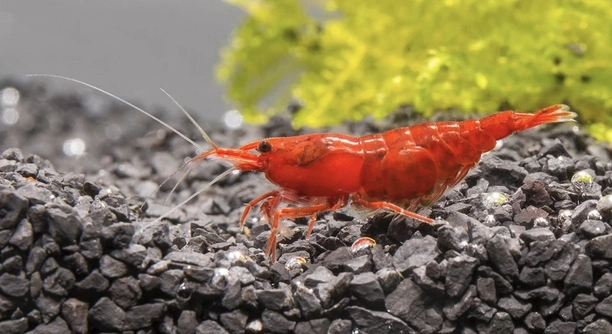
Shrimp are fascinating creatures that move through waters with careful attention to their surroundings. Their choices of where to swim are influenced by a combination of environmental factors, predators, and food availability. Observing their behavior reveals patterns worth noting.
Shrimp tend to avoid certain areas primarily due to unfavorable conditions, including poor water quality, high predator presence, low food supply, unsuitable substrate, extreme temperatures, pollution, and strong currents. Each factor significantly impacts their survival and movement within aquatic ecosystems.
Understanding why shrimp make these choices can help in managing habitats and supporting marine life. Learning more about these behaviors provides insights into their daily survival strategies.
Poor Water Quality
Shrimp are highly sensitive to the quality of water they inhabit. Pollutants, chemicals, and sudden changes in pH can make areas uninhabitable. Low oxygen levels also force shrimp to move to safer zones. Even minor fluctuations in salinity or temperature can influence their behavior. In aquaculture, maintaining clean water is crucial to prevent stress and disease. Natural habitats can be affected by runoff, industrial waste, or algae blooms, causing shrimp to avoid certain regions. They instinctively detect these changes, moving to areas that provide safer, more stable conditions. Observing their distribution in rivers, estuaries, and coastal zones often reveals clusters in zones with optimal water quality. Avoiding poor water areas helps shrimp maintain health, reproduce successfully, and reduce exposure to toxins. Their ability to sense these environmental cues is remarkable, reflecting evolutionary adaptations for survival. Monitoring water conditions can explain why shrimp may suddenly disappear from specific areas.
Poor water quality directly influences shrimp behavior and population distribution in any aquatic habitat.
By avoiding contaminated or low-oxygen areas, shrimp preserve their health and ensure access to reliable food and shelter. This behavior is vital for sustaining populations over time, especially in regions affected by human activity. Maintaining a stable and clean environment supports their natural feeding and breeding patterns, highlighting the importance of ecosystem management for long-term shrimp survival.
Predators and Threats
Shrimp actively avoid areas where predators are abundant.
Predation is a constant concern, and shrimp rely on hiding in sand, mud, or vegetation. They are also sensitive to movement in water, quickly escaping when danger approaches. Smaller fish, crabs, and birds all pose threats. In areas where predator activity is high, shrimp limit exposure by staying near cover or moving to safer zones. This behavior reduces energy expenditure while increasing survival chances. Seasonal migrations of predators can also influence shrimp locations. In aquaculture, providing shelter mimics natural hiding spaces and encourages shrimp to thrive. Over time, predator pressure can shape shrimp population density and distribution patterns. Avoiding risky areas allows shrimp to feed and reproduce without constant threat, maintaining ecosystem balance. Their awareness of threats reflects instincts honed for survival over generations, ensuring that even in dangerous habitats, shrimp have strategies to minimize harm.
Predator presence can dramatically change shrimp behavior and habitat selection.
Shrimp will adjust movement patterns, prefer areas with cover, and limit exposure to predators. This avoidance ensures survival while balancing feeding and reproduction. Understanding these interactions helps manage natural populations and informs habitat design in controlled environments, improving shrimp health and longevity.
Low Food Availability
Shrimp avoid areas where food is scarce. Without adequate algae, plankton, or detritus, they cannot sustain energy or growth.
Limited food forces shrimp to move frequently. They rely on a constant supply of small organic matter to survive. When an area is depleted, they migrate to zones with richer resources. This behavior ensures they meet nutritional needs and maintain reproductive capacity. In natural habitats, seasonal changes can reduce food availability, prompting temporary relocation. Even minor shifts in sediment composition can affect the abundance of microorganisms shrimp feed on. Avoiding areas with poor food supply reduces stress and supports population stability, making access to reliable nutrition a key factor in their distribution patterns.
Shrimp also adjust feeding times and locations based on food availability. Areas with abundant resources see more consistent activity, while depleted zones are largely avoided. Their ability to detect and respond to these differences keeps them healthy and sustains local populations.
Unsuitable Substrate
Shrimp prefer soft sand or mud over rocky or compacted areas. Hard surfaces make burrowing and hiding difficult.
Substrate type directly influences their ability to seek shelter and forage. Shrimp use the sediment for protection from predators and environmental changes. Areas with gravel, stones, or debris restrict movement and limit access to food hidden in sediment layers. Over time, shrimp will abandon unsuitable substrates for softer, more accommodating environments. Sediment composition also affects egg laying and juvenile survival, as larvae require specific conditions to develop safely. Maintaining a favorable substrate ensures shrimp can carry out natural behaviors efficiently and reduces energy spent navigating restrictive terrain. This sensitivity shapes their distribution across estuaries, riverbeds, and coastal zones.
Substrate preference affects daily activity, reproduction, and overall survival. Shrimp consistently seek areas that provide ease of movement, access to food, and adequate protection from predators, demonstrating how vital sediment type is to their habitat choices.
Extreme Temperatures
Shrimp avoid areas with temperatures outside their comfort range. Too hot or too cold water stresses them and slows movement.
Temperature changes can affect metabolism and feeding. Shrimp naturally move to zones with stable, moderate temperatures to maintain health and growth.
Pollution
Polluted waters deter shrimp from settling. Chemicals, heavy metals, and oil can be harmful even in small amounts, prompting relocation to cleaner areas.
Strong Currents
Strong water currents make it difficult for shrimp to move and feed. They often avoid fast-flowing areas to conserve energy and reduce risk of being swept away.
Why do shrimp avoid certain areas?
Shrimp avoid areas that pose a threat to their survival. Poor water quality, predators, lack of food, unsuitable substrates, extreme temperatures, pollution, and strong currents all influence their movement. They instinctively seek locations where conditions support feeding, growth, and reproduction. Avoidance behavior ensures they remain safe and healthy.
How do shrimp sense water quality?
Shrimp have sensitive chemoreceptors that detect changes in pH, oxygen levels, and chemical composition. Sudden shifts in water quality, even slight, can cause stress or illness. This ability helps them identify safe areas while avoiding polluted or low-oxygen zones. Their reactions are fast, often leading to immediate relocation.
What predators do shrimp avoid the most?
Shrimp face threats from fish, crabs, birds, and larger invertebrates. They detect predators through movement, vibrations, and chemical signals in water. Avoiding areas with high predator density reduces the risk of attacks, allowing them to feed and reproduce with less danger. Hiding in substrate or vegetation is a common strategy.
Why is food availability important for shrimp?
Shrimp require a steady supply of algae, plankton, and detritus for energy. Areas with limited food force them to migrate to more productive zones. Low nutrition affects growth, reproduction, and survival, so shrimp constantly evaluate and respond to the abundance of resources in their environment.
How does substrate affect shrimp behavior?
Shrimp prefer soft sand or mud for burrowing and shelter. Rocky or compacted areas make hiding and foraging difficult. The right substrate also supports egg laying and larval development. Shrimp avoid areas with unsuitable sediments to conserve energy and protect themselves from predators.
Can extreme temperatures affect shrimp survival?
Yes, temperature affects shrimp metabolism and movement. Too hot or too cold water causes stress and slows feeding. Shrimp naturally migrate to zones with moderate, stable temperatures to maintain growth and health. This behavior ensures their daily activities and reproduction continue efficiently.
How does pollution impact shrimp movement?
Pollutants like chemicals, oil, and heavy metals make areas toxic or inhospitable. Even small amounts can harm shrimp, leading them to relocate. Avoiding contaminated zones reduces disease risk and ensures access to safe habitats where they can feed and reproduce normally.
Why do strong currents influence shrimp distribution?
Strong currents make movement, feeding, and hiding difficult. Shrimp often avoid fast-flowing areas to conserve energy and prevent being swept away. Calm waters allow better foraging, easier burrowing, and safer protection from predators, making current speed a key factor in habitat selection.
Do shrimp return to areas they previously avoided?
Shrimp may return if conditions improve. Cleaner water, more food, softer substrate, or reduced predator activity can make previously avoided areas suitable again. Their ability to reassess environments allows flexible movement while maximizing survival and reproductive success.
Can human activity affect where shrimp live?
Yes, human activities like pollution, water diversion, and habitat destruction change the environment shrimp depend on. These alterations can reduce safe zones, forcing shrimp to relocate. Sustainable practices and careful monitoring help maintain habitats that meet shrimp needs, supporting healthy populations and ecosystem balance.
How can shrimp habitats be improved?
Maintaining clean water, stable temperatures, abundant food, and soft substrates encourages shrimp to inhabit certain areas. Reducing pollutants, controlling predators in aquaculture, and designing protective spaces can improve survival and growth. Healthy habitats support natural behaviors, reproduction, and long-term population stability.
Do shrimp avoid areas seasonally?
Yes, seasonal changes influence food, temperature, and predator patterns. Shrimp may migrate or concentrate in different zones depending on environmental shifts. Seasonal avoidance ensures they remain in favorable conditions, conserving energy, maintaining nutrition, and reducing exposure to threats.
What signs indicate shrimp are stressed by their environment?
Shrimp may reduce movement, stop feeding, or cluster in small safe zones when stressed. Unusual hiding or erratic swimming often indicates poor water quality, extreme temperatures, strong currents, or predator pressure. Observing these behaviors can help identify environmental issues and improve habitat conditions.
How do shrimp balance safety and feeding?
Shrimp constantly weigh risk versus reward. They feed in areas that provide food while remaining close to cover. This balance allows them to grow and reproduce without exposing themselves to unnecessary danger, demonstrating their adaptability and instinctive survival strategies.
Are all shrimp species sensitive to the same factors?
Different species have varying tolerances for temperature, salinity, and substrate. While the general avoidance behaviors are similar, species-specific needs influence exact habitat preferences. Understanding these differences is important for conservation, aquaculture, and habitat management.
Can shrimp adapt to human-altered environments?
Some species adjust to moderate changes, such as artificial shelters or aquaculture tanks. However, severe pollution, extreme temperature shifts, or habitat destruction often exceed their tolerance. Careful environmental management ensures shrimp can continue natural behaviors and thrive despite human impacts.
Do shrimp communicate about danger or food?
Shrimp primarily rely on chemical and tactile signals rather than vocal communication. They detect changes in water chemistry and vibrations from predators or food. These cues influence their movement, helping them avoid danger and locate areas rich in resources efficiently.
How quickly do shrimp respond to environmental changes?
Shrimp respond almost immediately to threats, poor water quality, or food scarcity. Rapid movement, burrowing, or migration occurs within hours to avoid stress and ensure survival. Their responsiveness reflects evolved adaptations to dynamic aquatic environments.
Why is understanding shrimp behavior important?
Studying shrimp movement and avoidance patterns helps in habitat management, aquaculture, and conservation. Recognizing the factors that influence their distribution supports healthier populations, sustainable ecosystems, and better-informed human interventions. Observing their behavior provides insight into broader environmental conditions.
Can shrimp behavior indicate ecosystem health?
Yes, shrimp act as bioindicators. Their presence, movement patterns, and population density reflect water quality, pollution levels, and predator-prey balance. Monitoring shrimp can help detect ecological changes early, guiding conservation efforts and informing habitat restoration projects effectively.
Do juvenile and adult shrimp avoid the same areas?
Juveniles are often more sensitive to predators and extreme conditions. They prefer safer, sheltered areas, while adults can tolerate wider conditions. These differences affect distribution, population density, and overall habitat selection, highlighting the importance of age-specific survival strategies.
How does shrimp behavior impact other aquatic species?
Shrimp influence food webs and nutrient cycling. Their avoidance of certain areas affects predator foraging, algae growth, and sediment composition. By moving strategically, shrimp help maintain balance within ecosystems, demonstrating their ecological significance beyond simple survival.
Shrimp are small creatures, but their behavior reveals a lot about how they interact with their environment. They do not randomly move through water; every decision they make is influenced by a combination of factors that ensure their survival. Poor water quality, pollution, strong currents, predators, and food availability all play a role in where shrimp choose to go. Observing shrimp in natural habitats, such as rivers, estuaries, and coastal zones, shows clear patterns in how they avoid areas that are unsuitable or unsafe. Even subtle changes in water conditions can cause them to relocate quickly. Their sensitivity to these factors is not accidental. It is the result of evolutionary adaptations that allow them to thrive despite threats and challenges in their surroundings.
Substrate type and temperature are also important. Soft sand or mud provides shrimp with the ability to hide, forage, and reproduce, while rocky or compacted surfaces limit these natural behaviors. Extreme temperatures, whether too high or too low, can slow their metabolism, affect feeding habits, and cause stress. Shrimp naturally move to zones that maintain a stable, moderate environment where they can grow and reproduce successfully. Avoiding areas with unsuitable substrates or extreme temperatures helps conserve energy and supports population stability. Similarly, areas with low food availability are quickly abandoned, as shrimp rely on consistent access to algae, plankton, and detritus. Their movement is purposeful and reflects a balance between safety, nutrition, and reproduction, showing how even small creatures make complex decisions based on environmental conditions.
Human activity and seasonal changes also impact shrimp behavior. Pollution, habitat destruction, and water diversion reduce the availability of safe areas, forcing shrimp to relocate. Seasonal shifts can change water temperature, food abundance, and predator distribution, prompting shrimp to move to more favorable zones. By understanding shrimp behavior, it is possible to improve their habitats through better management, careful monitoring, and maintaining clean, stable environments. Observing how shrimp respond to environmental conditions also provides insight into ecosystem health. Their avoidance patterns reflect the overall state of their surroundings, highlighting areas that may require attention or restoration. Shrimp are small but highly responsive indicators of ecological balance. Supporting their needs ensures not only their survival but also the well-being of the aquatic systems they inhabit.

Hello,
If you enjoy the content that we create, please consider saying a "Thank You!" by leaving a tip.
Every little bit helps us continue crafting quality advice that supports the health, happiness, and well-being of pets around the world, for pets of all shapes, sizes, and species.
We really appreciate the kindness and support that you show us!