
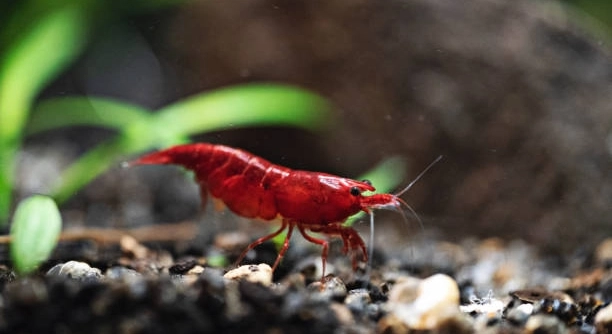
Cherry shrimp are small, colorful freshwater creatures that brighten any aquarium with their vibrant hues. Their manageable size and gentle nature make them appealing additions for those beginning their journey into aquatic pet keeping.
Cherry shrimp are highly suitable for first-time owners due to their hardy nature, low maintenance requirements, and adaptability to various freshwater conditions. Proper care, including stable water parameters and regular feeding, ensures their health and longevity in home aquariums.
Learning the basics of their care, understanding tank setup, and recognizing signs of stress are essential steps for a thriving shrimp environment.
Setting Up a Tank for Cherry Shrimp
Creating a suitable environment for cherry shrimp starts with the tank. A 10-gallon aquarium is ideal, providing enough space without being overwhelming. Adding live plants like java moss or anubias gives shrimp hiding spots and surfaces to graze. A gentle filter ensures water circulation without strong currents that could stress them. Substrate choice is important; fine gravel or sand works best. Water parameters should be stable, with a temperature between 68-78°F and a pH of 6.5-7.5. Regular partial water changes help maintain water quality. Lighting should support plant growth without being too harsh for the shrimp. Avoid overcrowding with other fish that may see shrimp as food. Monitoring water conditions using a test kit ensures their health. Shrimp molt regularly, and having safe hiding areas reduces stress during this process. Observing their behavior daily helps detect issues early.
Starting with these basics, the tank will become a stable home for healthy, active shrimp.
With careful setup, cherry shrimp adapt well and begin exploring immediately, creating a lively, colorful display.
A proper tank setup is only the first step in maintaining healthy shrimp. Over time, you will notice how they interact with their environment. Shrimp will graze on algae, nibble on biofilm, and explore plants, bringing subtle activity that can be surprisingly calming. Introducing decorations like driftwood or smooth rocks adds structure and additional surfaces for grazing. Regular observation helps catch early signs of illness, such as discoloration or lethargy. Avoid sudden changes in temperature or water chemistry, as shrimp are sensitive to fluctuations. Feeding small amounts of specialized shrimp food or blanched vegetables ensures they receive adequate nutrition. By maintaining a consistent care routine, the shrimp establish a thriving ecosystem where they molt successfully and reproduce, adding new life to the aquarium. Over weeks, you can appreciate their natural behaviors and the balance within the tank, making the aquarium both a visually appealing and educational experience.
Feeding and Care Basics
Cherry shrimp eat algae, biofilm, and occasional vegetables. Their small appetite makes overfeeding a common mistake.
A regular feeding schedule keeps them healthy, but it is important not to leave excess food in the tank, which can affect water quality.
Monitoring their food intake and maintaining clean water ensures long-term health. Observing how they interact with their environment during feeding also helps understand their needs and preferences. Over time, you will develop a rhythm that balances feeding and tank maintenance. Supplements like calcium support molting and shell strength. Keeping uneaten food minimal prevents decay that could harm shrimp or plants. Rotating different vegetables or high-quality shrimp pellets maintains a varied diet, promoting vibrant coloration and activity. While they are hardy, cherry shrimp thrive when feeding routines are consistent, water parameters are stable, and the tank environment supports natural behavior. Their active grazing and occasional hiding create an engaging, dynamic aquarium that feels alive. By respecting these simple care principles, even first-time owners can maintain a healthy, visually appealing shrimp tank with minimal stress.
Common Health Concerns
Shrimp are generally hardy but can face issues like molting problems, fungal infections, or stress from poor water quality. Keeping stable water parameters and a clean tank minimizes these risks.
Molting is a natural process for cherry shrimp, but problems arise when water lacks minerals like calcium. Stress from sudden temperature or pH changes can cause incomplete molts or lethargy. Fungal or bacterial infections appear as white spots or unusual growths. Removing sick shrimp promptly prevents spreading, and maintaining a consistent feeding and cleaning routine reduces stress-related illnesses. Observing shrimp daily helps catch minor issues before they become serious. Healthy shrimp display active grazing, bright coloration, and smooth molts.
Preventing health problems requires careful monitoring. Avoid overfeeding and overcrowding, provide proper hiding spaces, and maintain consistent water quality. Nutrient-rich food and occasional supplements support shell strength. Quarantining new shrimp or plants helps prevent introducing diseases. Even minor improvements, like gentle water flow or additional plants, can reduce stress and improve immunity. Watching shrimp behavior regularly allows you to notice changes early. Over time, maintaining these small but consistent habits creates a stable environment where shrimp thrive, molt successfully, and maintain vibrant color, giving the tank a healthy, active appearance.
Breeding Cherry Shrimp
Cherry shrimp breed easily in home aquariums, provided conditions are stable and food is sufficient.
Females carry eggs under their tails for about 30 days. Water quality, temperature, and food availability influence breeding success. The presence of hiding spaces ensures baby shrimp survive. Overcrowding or sudden environmental changes can reduce reproduction.
To encourage breeding, maintain stable water conditions, provide fine-leaved plants or moss for baby shrimp, and feed nutritious food. Avoid aggressive tankmates that may eat the young. Regular water changes prevent toxins from building up. Observing shrimp behavior helps track pregnant females and prepare for fry. Baby shrimp grow quickly if given a safe, nutrient-rich environment. Over several weeks, you can notice small clusters of juveniles exploring the tank, gradually increasing the population without intervention. A balanced approach ensures the shrimp reproduce naturally while maintaining a healthy tank ecosystem.
Tank Mates
Cherry shrimp are peaceful and do best with non-aggressive tank mates. Small snails or certain small fish like neon tetras usually coexist well.
Avoid larger or predatory fish, as they may eat shrimp. Providing plenty of hiding spots reduces stress and protects them from potential threats.
Water Parameters
Maintaining stable water conditions is critical for shrimp health. Temperature should stay between 68-78°F with a pH of 6.5-7.5. Hardness should be moderate to support molting and overall well-being. Sudden fluctuations in water quality can cause stress or illness, so regular monitoring is essential.
Filtration and gentle water flow keep the tank clean without disturbing shrimp. Partial water changes help maintain stable conditions. Using a test kit ensures that ammonia, nitrite, and nitrate levels remain safe. Keeping these parameters consistent supports growth, coloration, and reproduction. A balanced, stable environment allows cherry shrimp to thrive with minimal intervention, maintaining a lively and healthy aquarium ecosystem.
Tank Decorations
Smooth rocks, driftwood, and live plants provide surfaces for grazing and hiding. They make the tank more interesting and safe.
FAQ
How often should I feed cherry shrimp?
Cherry shrimp require small, frequent feedings. Overfeeding can pollute the tank, causing stress or illness. Offering food once a day, in amounts they can finish within a few hours, keeps them healthy. Supplementing with blanched vegetables or specialized shrimp food provides balanced nutrition and supports vibrant coloration.
Can cherry shrimp live with other fish?
Yes, but tank mates must be peaceful and small. Fish like neon tetras or small rasboras usually coexist well. Avoid larger or predatory fish, as they may attack or eat the shrimp. Plenty of plants and hiding spots help ensure safety and reduce stress.
What water parameters are best for cherry shrimp?
Stable conditions are key. Temperature should be 68-78°F, pH 6.5-7.5, and moderate hardness. Ammonia and nitrite must remain at zero, with low nitrate levels. Regular water testing and partial changes maintain a healthy environment and prevent stress or disease.
How do I encourage breeding?
Provide stable water, consistent temperature, and sufficient food. Fine-leaved plants or moss give baby shrimp safe hiding spaces. Avoid overcrowding and aggressive tank mates. Pregnant females carry eggs for about 30 days, and observing them helps ensure proper care of the fry.
Why are my shrimp losing color?
Loss of coloration often indicates stress, poor diet, or water issues. Ensure stable water parameters and a balanced diet rich in nutrients. Bright coloration returns as shrimp regain health and molting cycles normalize. Hiding spaces reduce stress and allow shrimp to feel secure.
What causes molting problems?
Molting issues usually stem from insufficient calcium or sudden water changes. Stress, overcrowding, or poor water quality can also interfere. Providing a calcium source, maintaining stable parameters, and observing shrimp behavior reduces the risk of incomplete molts and related health problems.
How can I tell if my shrimp are healthy?
Healthy shrimp are active, brightly colored, and graze regularly. Smooth, complete molts indicate proper growth. Lethargy, faded colors, or unusual spots may signal stress or illness. Daily observation allows early detection of problems and ensures timely intervention for their well-being.
Do cherry shrimp need a special diet?
They eat algae, biofilm, and occasional vegetables. Supplementing with shrimp pellets or blanched vegetables supports growth, molting, and coloration. A varied diet prevents nutritional deficiencies and encourages natural grazing behaviors that help maintain a clean and balanced tank.
How many shrimp should I start with?
A small group of 10-15 shrimp works well in a 10-gallon tank. This number allows natural social behaviors without overcrowding. Starting with more shrimp increases bioload, which can stress the ecosystem and make maintaining water quality more challenging.
Can I use tap water for cherry shrimp?
Yes, but it must be treated to remove chlorine and chloramines. Testing and adjusting pH, hardness, and other parameters ensures the water is safe. Stable, clean water supports health, molting, and reproduction, reducing stress and keeping the shrimp active and colorful.
What plants are best for shrimp tanks?
Java moss, anubias, and marimo moss balls are ideal. They provide hiding spots, surfaces for grazing, and improve water quality by absorbing excess nutrients. Live plants also create a natural environment, helping shrimp feel secure while encouraging natural behaviors.
How often should I clean the tank?
Partial water changes of 20-30% weekly are sufficient. Remove debris and uneaten food carefully, avoiding disruption of biofilm and moss. Cleaning maintains water quality, reduces stress, and supports healthy shrimp populations without harming beneficial microorganisms.
Can shrimp survive without plants?
Shrimp can survive without plants but benefit from them greatly. Plants provide grazing surfaces, hiding spaces, and support overall tank health. Without plants, shrimp may feel stressed, and survival rates of juveniles may drop due to lack of protection and feeding areas.
Why are my shrimp hiding constantly?
Excessive hiding often signals stress from poor water quality, aggressive tank mates, or insufficient cover. Ensuring stable water conditions, appropriate companions, and adequate hiding spots encourages shrimp to feel safe and become more active.
How fast do cherry shrimp grow?
Growth depends on water quality, diet, and temperature. Juveniles molt frequently and grow quickly in optimal conditions, reaching adult size in 4-6 months. Regular feeding, stable water, and minimal stress ensure steady development and vibrant coloration.
What signs indicate a female is carrying eggs?
A female carrying eggs has a swollen abdomen and visible eggs beneath her tail. She often moves slowly and stays hidden. Providing a secure environment ensures the eggs remain safe until hatching, and baby shrimp have access to shelter immediately.
Is lighting important for shrimp?
Lighting supports plant growth, which benefits shrimp by providing surfaces to graze and hiding spots. Moderate light levels maintain plant health without stressing shrimp. Too much light can cause algae overgrowth, while too little limits plant development and grazing opportunities.
Can I use decorations in a shrimp tank?
Yes, smooth rocks, driftwood, and ornaments provide hiding spaces and grazing surfaces. Avoid sharp edges or materials that alter water chemistry. Decorations enhance the tank’s structure, making shrimp feel secure and encouraging natural behaviors while adding visual interest.
How do I prevent algae overgrowth?
Balance feeding, maintain water quality, and use live plants. Algae-eating tank mates like snails help. Avoid excessive light and nutrient buildup, which promotes algae growth. Regular monitoring keeps the tank clean and reduces stress on shrimp.
What should I do if a shrimp dies?
Remove dead shrimp immediately to prevent water contamination. Check water parameters to ensure no underlying issues. Review feeding and tank maintenance routines to avoid repeat occurrences. Dead shrimp often signal environmental stress or illness rather than natural causes.
How do I acclimate new shrimp?
Float the bag in the tank to equalize temperature, then slowly mix tank water into the bag over 30-60 minutes. Gradual acclimation reduces stress and increases survival, especially for first-time owners introducing shrimp to a new environment.
Can cherry shrimp live in a community tank?
Yes, with careful selection of non-aggressive, small fish. Provide hiding spaces and monitor interactions closely. Avoid predatory species that may target shrimp or fry. A well-planned community tank allows coexistence while minimizing risk and stress.
Do shrimp need a heater?
A heater is useful if the room temperature fluctuates outside 68-78°F. Stable warmth supports metabolism, molting, and reproduction. In consistently warm climates, a heater may be unnecessary, but monitoring water temperature ensures optimal conditions for shrimp health.
How long do cherry shrimp live?
Average lifespan is 1.5-2 years under proper care. Water quality, diet, and stress levels influence longevity. Consistent maintenance, balanced feeding, and a stable environment help shrimp reach their full lifespan while remaining active and colorful.
Can shrimp survive in cold water?
They tolerate mild temperature drops but prolonged cold below 60°F slows metabolism, reduces activity, and may harm health. Maintaining recommended temperatures ensures proper molting, growth, and reproduction. A heater or insulated tank helps during colder months.
What is biofilm, and why is it important?
Biofilm is a thin layer of microorganisms that forms on surfaces in the tank. Shrimp graze on it as a natural food source, supporting nutrition and encouraging natural foraging behavior. It also contributes to a balanced tank ecosystem.
How do I prevent diseases?
Maintain stable water conditions, avoid overcrowding, and feed a balanced diet. Quarantine new shrimp or plants before adding them. Regular observation helps catch issues early, reducing the risk of disease outbreaks in the tank.
Are cherry shrimp good for beginners?
Yes, they are hardy, low-maintenance, and visually engaging. With stable water, proper feeding, and a safe environment, they thrive and breed easily, making them ideal for first-time owners seeking manageable, rewarding aquatic pets.
How often should I check water parameters?
Weekly testing is recommended for ammonia, nitrite, nitrate, pH, and hardness. Consistent monitoring prevents stress, illness, and molting problems. Early detection allows corrective measures, ensuring a healthy, stable environment for shrimp and plants.
Can I keep shrimp with snails?
Yes, most small snails coexist well with cherry shrimp. They help clean algae and uneaten food. Avoid large or aggressive snail species that may compete for resources or harm shrimp. Proper tank balance ensures peaceful coexistence and a thriving ecosystem.
Do cherry shrimp need hiding spaces?
Yes, hiding spots reduce stress, provide shelter during molting, and protect juveniles. Plants, moss, driftwood, and smooth rocks create natural shelters, encouraging activity and normal behaviors. Lack of cover may increase mortality and stress.
How do I handle shrimp safely?
Minimize handling, as their exoskeleton is delicate. Use a soft net or container when moving them. Wet hands prevent removing protective slime, and gentle movements reduce stress and risk of injury.
Can shrimp eat leftover fish food?
Yes, they can consume small amounts of leftover food, but it should not replace a balanced diet. Excess uneaten food can decay, harming water quality. Feed sparingly and remove uneaten portions promptly.
What should I do during a tank crash?
Check water parameters immediately, perform partial water changes, and remove affected tank mates. Stabilizing the environment quickly prevents further stress or loss. Consistent maintenance reduces the risk of sudden tank crashes in the future.
How long does it take for shrimp to reproduce?
Under optimal conditions, adult shrimp may breed within a few weeks. Stable water, adequate food, and safe hiding spots promote mating and healthy egg development, ensuring continuous population growth in the tank.
Do cherry shrimp need a filter?
Yes, a gentle filter maintains water quality and circulation without strong currents. Sponge filters are ideal, protecting shrimp while supporting beneficial bacteria and overall tank health. Regular cleaning keeps the filter effective.
Can shrimp live in a planted tank only?
Yes, heavily planted tanks provide grazing surfaces, hiding spaces, and stable water conditions. Plants support natural behaviors and overall health, reducing stress and improving survival rates, especially for juveniles.
How many shrimp can I keep in a 10-gallon tank?
Around 10-15 shrimp is ideal. This provides social interaction without overcrowding, keeping the tank balanced. Overpopulation increases bioload, stress, and water quality issues, which can affect health and reproduction.
How do I know when shrimp are stressed?
Signs include hiding excessively, lethargy, loss of color, or erratic swimming. Stress often results from poor water quality, aggressive tank mates, or insufficient hiding spots. Addressing these factors helps restore normal behavior.
Do cherry shrimp need supplements?
Calcium and trace minerals support molting and shell strength. Occasional supplements or mineral-rich foods ensure healthy growth, vibrant coloration, and successful reproduction, particularly in soft water conditions.
Can I breed cherry shrimp in a small tank?
Yes, breeding is possible in small tanks if water parameters are stable and sufficient hiding spaces exist. Maintaining clean water and feeding nutritious food encourages healthy fry survival and gradual population growth.
Is it normal for shrimp to molt frequently?
Yes, frequent molting is normal in juveniles or during growth periods. Adults molt less often but require safe hiding places. Molting is a natural process essential for growth and shell renewal.
What is the best substrate for cherry shrimp?
Fine gravel or sand is ideal, allowing for grazing and easy waste removal. Substrate should not alter water chemistry drastically and should support plant growth, which benefits shrimp behavior and tank health.
How do I introduce new shrimp to an established tank?
Acclimate slowly by floating the bag to equalize temperature, then gradually mix tank water into the bag over 30-60 minutes. This reduces stress and increases survival rates, particularly in sensitive or first-time setups.
Do cherry shrimp need a separate breeding tank?
Not always. With sufficient plants, hiding spots, and stable water, they breed successfully in the main tank. A separate tank is only necessary if tankmates pose a threat to fry.
How can I increase shrimp survival rate?
Stable water, proper hiding spaces, balanced feeding, and peaceful tank mates improve survival. Observing shrimp daily helps detect early problems. Minimizing stress and maintaining optimal conditions ensures juveniles grow safely into adults.
Can cherry shrimp coexist with bettas?
It depends on the betta’s temperament. Some coexist peacefully, but aggressive bettas may attack shrimp. Provide plenty of hiding spots and monitor interactions closely to prevent stress or injury.
Are cherry shrimp good for small apartments?
Yes, they require minimal space, produce little noise, and are easy to maintain. A 10-gallon tank with proper care provides a lively, low-maintenance aquatic environment suitable for compact living spaces.
Do shrimp eat algae wafers?
Yes, they can nibble on algae wafers, which supplement their diet. Wafers should be offered sparingly to avoid water pollution. Combining wafers with natural grazing ensures balanced nutrition and healthier shrimp.
How do I deal with snail infestations in a shrimp tank?
Manual removal, controlling feeding, and preventing eggs from hatching manage snail populations. Snails can coexist if numbers remain low, but overpopulation competes with shrimp for food and space.
What should I do if a shrimp is injured?
Remove it to a safe area with stable water and hiding spots. Ensure the environment is stress-free. Injured shrimp may recover, but prevention through careful handling and peaceful tank mates is best.
Can I breed multiple shrimp colors together?
Yes, different color varieties can be bred, but offspring may not retain parent colors. Selective breeding over generations is required for consistent coloration. Genetic variation can produce unexpected results.
Do cherry shrimp need aeration?
Natural water movement from a gentle filter is usually sufficient. Additional aeration is optional but can help in densely planted or heavily stocked tanks. Maintaining oxygen levels supports health and reproduction.
Can I use fertilizers in a shrimp tank?
Yes, but choose shrimp-safe fertilizers for live plants. Avoid chemicals harmful to shrimp. Fertilizers support plant growth, providing grazing surfaces and hiding spots, improving overall tank health.
How do I know when a shrimp is about to molt?
Shrimp become less active, often hiding, and their color may dull slightly. They may also cling to surfaces. Providing secure hiding spots ensures a safe molting process and reduces stress.
Can I keep cherry shrimp in a nano tank?
Yes, but monitor water quality closely. Small volumes are prone to parameter swings. Adequate hiding spaces, careful feeding, and regular maintenance are essential for shrimp health in compact setups.
What should I do if water tests high for nitrates?
Perform partial water changes, reduce feeding, and clean the substrate. High nitrates stress shrimp and affect reproduction. Maintaining stable water conditions prevents accumulation and promotes a healthy environment.
Do cherry shrimp need a light cycle?
A consistent light schedule supports plant growth and natural behaviors. About 8-10 hours of light per day with a period of darkness is sufficient, promoting grazing and overall activity without stressing shrimp.
How do I encourage shrimp activity?
Stable water, hiding spots, and proper feeding encourage movement. Avoid aggressive tank mates or sudden changes in water conditions. Natural behaviors, such as grazing and exploring, indicate healthy, active shrimp.
Can I use driftwood in a shrimp tank?
Yes, driftwood provides hiding spaces, surfaces for biofilm, and can slightly lower pH depending on type. Ensure it is aquarium-safe and free from chemicals. Proper preparation prevents water quality issues.
Do shrimp need a quarantine tank?
Quarantining new shrimp or plants prevents introducing disease, parasites, or unwanted hitchhikers. A quarantine period of 2-4 weeks ensures they are healthy before adding to the main tank, protecting established populations.
Can cherry shrimp survive in soft water?
Yes, but they may need calcium supplementation to support molting. Soft water alone is sufficient if other parameters like pH and temperature remain stable. Providing mineral-rich food helps maintain shell health.
What is the best way to clean a shrimp tank?
Perform partial water changes, remove debris, and clean the filter gently. Avoid disturbing biofilm excessively. Regular maintenance maintains water quality and reduces stress, supporting healthy shrimp and plants.
How do I tell males from females?
Females are larger, with a rounded abdomen and visible eggs when mature. Males are smaller, slender, and more active. Observing behavior and physical traits helps identify gender, particularly for breeding purposes.
Can cherry shrimp survive in tap water without conditioning?
No, tap water must be treated to remove chlorine or chloramines. Conditioning ensures safe water chemistry and prevents stress or fatalities, supporting shrimp health and longevity.
How do I prevent shrimp from escaping?
Use a secure lid with small gaps. Cherry shrimp can climb plants or filter tubes. Preventing escape keeps them safe and maintains tank population.
Do shrimp need live plants?
Not strictly, but live plants provide grazing surfaces, hiding spots, and improve water quality. They enhance the tank environment and support natural shrimp behaviors, improving survival and activity.
Can cherry shrimp eat fish flakes?
They can nibble on flakes, but it should be occasional. Flakes do not provide complete nutrition, and uneaten food can pollute water. Balanced shrimp food and vegetables are better options.
How fast do shrimp reproduce in ideal conditions?
With stable water, hiding spots, and proper food, females can carry eggs every 4-6 weeks. Fry survival depends on shelter and minimal stress. Populations grow steadily when conditions remain consistent.
Do cherry shrimp need a sand substrate?
Sand or fine gravel works best. It allows grazing and hides debris. Coarse substrates may injure delicate shrimp and hinder feeding, while sand supports natural behaviors and plant growth.
Can shrimp survive sudden water changes?
No, sudden changes in temperature, pH, or chemistry cause stress and may be fatal. Gradual water changes are essential to maintain health and prevent molting or reproductive issues.
Are cherry shrimp sensitive to chlorine?
Yes, chlorine and chloramines in tap water are harmful. Always use a water conditioner before adding water to the tank. Safe water ensures shrimp survival and healthy growth.
How do I know if my shrimp tank is balanced?
Stable water parameters, healthy active shrimp, visible biofilm, and plant growth indicate a balanced tank. No algae overgrowth or stress signs suggest the ecosystem is functioning well.
Can I keep cherry shrimp with guppies?
Small guppies usually coexist, but they may eat very young shrimp. Providing hiding spots and observing interactions ensures shrimp remain safe while sharing the tank.
How often do I need to feed juvenile shrimp?
Juveniles graze constantly but require small, frequent feedings. Ensuring food is available without overfeeding supports growth, coloration, and survival. Regular observation prevents
Final Thoughts
Cherry shrimp are an excellent option for first-time aquarium owners due to their small size, gentle nature, and relative hardiness. Their care requirements are straightforward, making them suitable for someone learning the basics of aquarium maintenance. With a properly set-up tank, stable water parameters, and adequate food, these shrimp thrive and display their vibrant colors. Observing their daily activities can be both calming and rewarding, as they explore plants, graze on biofilm, and interact with their environment in subtle but engaging ways. Even without extensive experience, first-time owners can successfully maintain a healthy group of shrimp with consistent care and attention.
Maintaining a stable environment is the key to long-term success. Cherry shrimp are sensitive to sudden changes in temperature, pH, or water quality, which can lead to stress or health problems. Regular testing of water parameters and consistent partial water changes help prevent these issues. Providing hiding spaces, such as moss, plants, or driftwood, reduces stress during molting and allows juveniles to grow safely. Feeding should be controlled and balanced, offering a combination of specialized shrimp food and occasional vegetables. Overfeeding can quickly degrade water quality and cause issues for the shrimp. Observing their behavior, coloration, and activity levels provides insight into their overall health, making it easier to detect problems early and take corrective action.
Breeding is another aspect that adds interest to keeping cherry shrimp. Under proper conditions, they reproduce naturally, with females carrying eggs under their tails for about a month. The survival of baby shrimp depends on adequate hiding spaces, stable water, and minimal stress from tank mates. By providing a supportive environment, first-time owners can experience watching the gradual growth of new generations, which can be satisfying and educational. Over time, managing feeding, tank maintenance, and monitoring water conditions becomes routine. Cherry shrimp not only offer visual appeal but also create a manageable and engaging aquarium experience. Their small size, low maintenance needs, and peaceful temperament make them an ideal starting point for anyone looking to care for aquatic pets. Consistency, observation, and patience are the main factors that ensure a thriving, colorful shrimp population and a healthy, balanced tank environment.

Hello,
If you enjoy the content that we create, please consider saying a "Thank You!" by leaving a tip.
Every little bit helps us continue crafting quality advice that supports the health, happiness, and well-being of pets around the world, for pets of all shapes, sizes, and species.
We really appreciate the kindness and support that you show us!