
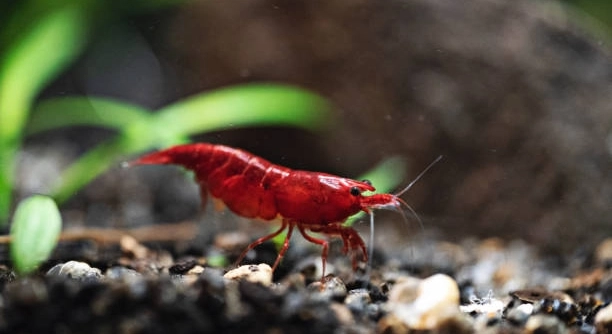
Do you ever find yourself admiring a vibrant tank filled with tiny cherry shrimp, yet wondering how much room they truly need to thrive? These delicate creatures require careful attention to ensure a healthy, happy habitat for their growth.
Cherry shrimp need a minimum of 1 gallon of water per 10 shrimp to maintain optimal health. Adequate space prevents stress, supports proper molting, and reduces territorial disputes, ensuring the shrimp population remains balanced and the tank ecosystem stable.
Providing the right space is only the beginning, as water quality and tank setup also play key roles in your shrimp’s wellbeing. Learning these details will help create a thriving aquatic environment.
Understanding Cherry Shrimp Space Requirements
Cherry shrimp are small but active creatures, and their well-being depends heavily on tank space. Providing enough room helps reduce stress, encourages natural behavior, and supports proper molting. A crowded tank can lead to poor water quality, which directly affects shrimp health. Many beginners underestimate how quickly a small colony can multiply. For instance, a starting group of ten can expand significantly in a few months, making the initially sufficient space inadequate. Tank size is also linked to filtration efficiency and maintenance ease. Shrimp thrive better in tanks with stable conditions, which is easier to maintain when the population is not overcrowded. Adding plants and hiding spots can further improve the environment, but these do not replace the need for enough water per shrimp. A balance of space, plants, and clean water creates a supportive environment where cherry shrimp can grow, breed, and display their natural colors without stress or aggression.
Maintaining one gallon per ten shrimp is a solid baseline for healthy living conditions, ensuring proper water circulation and growth.
In addition to space, monitoring water parameters is essential. Cherry shrimp prefer temperatures between 68–78°F and a pH of 6.5–8.0. Ammonia and nitrite levels must remain at zero, while nitrates should stay below 20 ppm. Regular water changes and filtration prevent toxic build-up, keeping shrimp active and colorful. Dense planting provides hiding spots, reduces stress, and encourages breeding. Even with adequate space, improper water conditions can lead to illness or death. Observing shrimp behavior daily helps detect early signs of stress or disease, allowing timely intervention. Overcrowding, fluctuating water parameters, and poor diet are the main threats. Combining proper tank size with good maintenance creates a stable, thriving environment where cherry shrimp can reproduce safely and live comfortably. Proper planning and care make it possible to enjoy a vibrant, healthy colony over time.
Tips for Managing Shrimp Population
A controlled population prevents overcrowding and maintains water quality for all tank inhabitants.
Regular monitoring and separating new batches of shrimp helps maintain balance in the tank. Removing excess shrimp or planning tank expansions ensures they remain healthy and active. Using breeding traps or additional tanks for young shrimp can prevent sudden overpopulation. Observing shrimp interactions and noting growth rates allows for proactive management. Proper feeding routines also play a role; overfeeding can cause water deterioration and stress. By keeping these factors in check, the tank stays stable, and shrimp continue to thrive.
Population management is not just about numbers; it is about maintaining a stable ecosystem. Cherry shrimp reproduce quickly, and a single female can produce dozens of offspring every month under ideal conditions. Unchecked, this rapid growth can lead to overcrowding, which reduces oxygen levels and increases competition for food. Overcrowded tanks can also see slower growth and higher mortality rates. Splitting populations into separate tanks or using refuges allows juveniles to grow without stress. Adjusting feeding schedules and ensuring adequate filtration prevent water quality issues. Maintaining tank cleanliness, regular water testing, and careful observation all contribute to a balanced, healthy colony. Proper management ensures that both adult and juvenile shrimp thrive, keeping the tank visually appealing and ecologically stable.
Choosing the Right Tank Size
A small tank may seem convenient, but it can limit shrimp growth and stress the colony. A 5-gallon tank is ideal for beginners, providing space for ten to fifty cherry shrimp, plants, and filtration.
Selecting the right tank size ensures shrimp have adequate swimming space and room to hide. Overcrowding can lead to molting issues, poor coloration, and higher mortality. A larger tank is easier to maintain because water parameters remain more stable. Even if your colony starts small, choosing a tank with extra capacity allows for population growth and natural behavior. Tank shape also matters—longer tanks provide more horizontal space for movement, while taller tanks offer limited surface area. Including plants, mosses, and hiding spots adds comfort, but these do not replace the need for sufficient water volume. A properly sized tank balances space, filtration, and decoration, supporting a healthy, active shrimp community.
Maintenance is simpler in a correctly sized tank. Water changes, feeding, and monitoring are more effective when the population has enough room, reducing stress-related problems. Proper size also prevents rapid water quality fluctuations and provides stability for sensitive parameters like pH, ammonia, and nitrate levels, keeping shrimp safe and vibrant.
Importance of Hiding Spots
Hiding spots protect shrimp during molting, reducing stress and vulnerability to aggression. Plants, caves, and mosses offer safe retreats in the tank.
Cherry shrimp molt frequently, and during this time, they are soft and defenseless. Lack of hiding spaces can lead to injuries or predation by other shrimp. Dense planting with moss, floating plants, and driftwood ensures that every shrimp has a refuge. Hiding spots also help establish territories, reducing stress and aggressive interactions, especially in larger colonies. Proper placement of shelters and plants creates microhabitats, allowing shrimp to explore and find comfort. Even in smaller tanks, a few well-placed decorations can dramatically improve shrimp confidence and activity levels.
Providing multiple types of hiding spaces encourages natural behavior. Mosses serve as grazing areas, while caves or ceramic tubes allow shrimp to retreat during molting. Floating plants reduce light intensity, creating shaded areas that make shy individuals more active. Positioning hiding spots in different parts of the tank prevents overcrowding in a single area, promoting even distribution of shrimp. Combining these elements supports a healthy, low-stress environment where shrimp can feed, reproduce, and display vibrant coloration without fear. Maintaining these spaces alongside proper water parameters ensures a thriving, balanced colony.
Water Quality and Space
Maintaining clean water is essential for shrimp health. Crowded tanks lead to faster waste accumulation, making regular water changes and filtration critical to prevent stress and disease.
Stable water parameters support growth and molting. Monitoring ammonia, nitrite, nitrate, and pH ensures shrimp thrive. Overcrowding can cause spikes, harming delicate shrimp and slowing reproduction.
Feeding and Population Density
Feeding routines affect how shrimp use space. Overfeeding creates excess waste, reducing water quality, while underfeeding can cause competition and stress. Maintaining balance supports growth and reduces aggressive behaviors in crowded tanks. Proper feeding encourages shrimp to explore the tank without overconcentration in one area.
Plants and Tank Layout
Adding plants improves space utilization by offering vertical and horizontal areas for shrimp to hide and forage. Moss, floating plants, and tall stems create layers that maximize tank volume. This arrangement reduces territorial disputes and promotes a healthier, active colony. Well-planned layout enhances aesthetics and supports natural shrimp behavior.
Monitoring Growth
Observing shrimp population regularly helps detect overcrowding early. Adjusting tank size or moving shrimp prevents stress and maintains a balanced environment.
FAQ
How many cherry shrimp can I keep in a 5-gallon tank?
A 5-gallon tank can comfortably house about 25–30 cherry shrimp. This estimate considers adequate swimming space, plants, and hiding spots while maintaining water quality. Overcrowding reduces oxygen levels and increases stress, which can affect molting and reproduction. Regular observation and maintenance are crucial.
Do cherry shrimp need more space as they grow?
Cherry shrimp don’t grow very large, but as the population expands, more space is needed. A small colony can quickly multiply, making the initial tank size insufficient. Planning for population growth ensures that all shrimp have access to food, hiding spots, and stable water conditions.
Can I keep cherry shrimp in a small desktop tank?
Yes, but caution is required. A desktop tank under 5 gallons may be suitable for a small starter colony, but water parameters can fluctuate quickly. Frequent monitoring, proper filtration, and careful feeding are necessary to prevent stress and maintain a healthy environment.
What tank features help optimize space for shrimp?
Plants, moss, caves, and driftwood maximize usable space. Vertical plants allow shrimp to climb and forage, while hiding spots provide security during molting. A well-planned layout reduces territorial disputes and encourages natural behavior, keeping shrimp active and healthy.
How often should I change water in a small tank?
For small tanks, weekly water changes of 10–20% are recommended. This helps maintain stable water chemistry and prevents toxic buildup from waste. Larger tanks may require less frequent changes, but monitoring ammonia, nitrite, and nitrate levels remains essential for shrimp health.
Does tank shape affect how much space shrimp need?
Yes, shape impacts swimming and territory. Long, shallow tanks provide more horizontal space, promoting natural movement, while taller tanks may feel cramped despite the same water volume. Choosing a shape that allows easy access to hiding spots and foraging areas is important.
How do hiding spots influence space requirements?
Hiding spots make shrimp feel secure and reduce stress. Even with adequate water volume, lack of shelters can make shrimp crowded and timid. Incorporating caves, moss, and plants distributes shrimp throughout the tank, using space effectively and preventing clustering in one area.
Can I overpopulate a tank even if it’s the right size?
Yes, rapid breeding can lead to overcrowding, affecting water quality and shrimp health. Monitoring population growth and moving excess shrimp to separate tanks prevents stress, improves molting success, and keeps water parameters stable. Adequate space alone isn’t enough without active population management.
Does space affect breeding?
Absolutely. Crowded conditions reduce breeding success and may cause stress-related mortality in juveniles. Providing enough space and hiding spots allows females to molt safely and deposit eggs, while juveniles grow without competition. Balanced population density encourages healthy reproduction and natural behavior.
What signs indicate my shrimp need more space?
Indicators include clustering in corners, molting difficulties, aggressive behavior, and slower growth. Overcrowded tanks often show higher mortality or pale coloration. Observing these signs early allows intervention, such as adding tank volume, relocating shrimp, or improving hiding spots, to restore a healthy environment.
How does space impact water quality?
More shrimp in a limited area produce more waste, which increases ammonia, nitrite, and nitrate levels. Adequate space ensures that filtration can handle waste efficiently and water chemistry remains stable. Proper maintenance and population management work together to maintain optimal water conditions.
Can shrimp survive in minimal space if water is maintained perfectly?
Even with perfect water, minimal space causes stress and limits natural behavior. Shrimp need room to forage, explore, and molt safely. Stress from confinement can lead to illness, poor coloration, and reduced reproduction, making proper space just as important as water quality.
How do I plan for future population growth?
Start with a slightly larger tank than needed for your initial colony. Include extra hiding spots and leave space for additional plants or décor. Regularly assess growth, and be prepared to separate excess shrimp or upgrade the tank to prevent overcrowding and maintain a stable environment.
Does feeding affect how much space shrimp require?
Yes, overfeeding in a crowded tank increases waste, stressing shrimp and degrading water quality. Underfeeding can cause competition, leading to aggressive behavior. Balanced feeding distributes shrimp activity throughout the tank, reducing clustering and optimizing the available space.
Are juvenile shrimp affected differently by space limitations?
Juveniles are more sensitive to overcrowding and poor water quality. They need room to forage and hide from adults during molting. Limited space slows growth, increases stress, and raises mortality rates. Providing adequate space ensures juveniles reach adulthood successfully and maintain a healthy population.
What is the minimum safe space per shrimp?
A commonly recommended baseline is 1 gallon of water per 10 shrimp. This allows for sufficient movement, hiding spots, and stable water parameters. Exceeding this ratio can stress the colony and reduce lifespan, while providing more space supports optimal health and natural behavior.
How does plant density interact with tank space?
Dense planting can reduce open swimming areas, but it provides vertical space, grazing surfaces, and hiding spots. A balance between open water and plant coverage ensures shrimp can move freely while still feeling secure, maximizing the usable volume of the tank for a healthy colony.
Can tank mates influence space needs?
Yes, fish or other invertebrates can increase competition for space, food, and hiding spots. Aggressive or fast-moving tank mates make shrimp more cautious and stressed, requiring additional shelters and open areas to maintain balance and allow shrimp to thrive.
Is it better to understock or slightly overstock a shrimp tank?
Understocking ensures easy maintenance, stable water quality, and reduced stress, making it safer for shrimp health. Slight overstocking can be managed with careful monitoring, but it increases the risk of water parameter fluctuations, competition, and mortality, which is best avoided for long-term success.
How can I monitor space usage effectively?
Observe shrimp distribution, molting frequency, and behavior daily. Clustering, slow movement, or avoidance of certain areas indicates limited usable space. Tracking population growth and tank layout helps adjust decorations, plants, or tank size to maintain a balanced, low-stress environment.
Does tank temperature influence space needs?
Indirectly, yes. Higher temperatures increase metabolism, causing shrimp to eat more and produce more waste. This makes adequate space for swimming, foraging, and hiding even more important. Cooler, stable temperatures reduce stress and complement proper tank size.
Can I rely solely on plants for hiding spots instead of adding caves?
Plants help, but a variety of hiding options is better. Caves, ceramic tubes, and driftwood provide secure areas during molting. Plants alone may not offer sufficient protection, especially in crowded tanks, so combining both ensures shrimp feel safe and use the tank effectively.
Do shrimp feel cramped in a tall tank with little horizontal space?
Yes, shrimp prefer horizontal movement and foraging along surfaces. Tall, narrow tanks can feel restrictive even with adequate volume. Ensuring a balance of height and length allows shrimp to explore freely and access plants and shelters, reducing stress and encouraging natural behavior.
How often should I reassess tank space?
Check space usage monthly, especially as colonies grow. Population growth, plant expansion, or tank decorations can reduce available room. Adjusting layout, moving shrimp, or upgrading tank size ensures continued health, proper molting, and stable water conditions.
Does space affect shrimp coloration?
Yes, cramped conditions and stress can cause pale or dull coloration. Adequate space, hiding spots, and stable water parameters help shrimp maintain vibrant colors. Observing shrimp behavior and appearance provides insight into whether the tank meets their spatial and environmental needs.
Can I add more shrimp gradually to avoid overcrowding?
Adding small groups over time helps manage space and water quality. Gradual introduction prevents sudden spikes in waste, reduces stress, and allows shrimp to establish territories. Continuous monitoring ensures that tank size remains sufficient for the growing population.
What is the main takeaway about shrimp space?
Space affects health, molting, breeding, water quality, and behavior. Providing sufficient volume, hiding spots, and a balanced layout ensures a thriving, active, and colorful cherry shrimp colony. Regular observation and adjustments are key to maintaining a healthy, low-stress environment.
Final Thoughts
Providing the right amount of space for cherry shrimp is essential for maintaining a healthy and thriving colony. Even though these shrimp are small, they are active and sensitive to overcrowding. A tank that seems large enough at first can quickly become too crowded as the population grows. Proper planning for tank size, hiding spots, and water volume ensures that shrimp have room to move, forage, and molt safely. Overcrowding not only stresses shrimp but can also reduce their lifespan, slow growth, and make them more susceptible to disease. Observing shrimp behavior and growth regularly helps identify if the current tank setup is sufficient or needs adjustments. It is better to start with a slightly larger tank than needed rather than face the challenges of a crowded environment. Adequate space also supports stable water parameters, which is critical because shrimp are sensitive to fluctuations in ammonia, nitrite, nitrate, and pH. Consistently monitoring these levels and performing water changes ensures the shrimp remain healthy and active.
Hiding spots are equally important in creating a supportive environment. Plants, moss, driftwood, and small caves provide security during molting, reducing stress and preventing injuries. Even in a spacious tank, a lack of shelters can make shrimp feel exposed and timid, which affects their activity levels and breeding. A combination of vertical and horizontal spaces allows shrimp to explore freely while feeling safe. Dense planting adds vertical layers that maximize the usable space of the tank, giving shrimp more opportunities to forage and hide. Observing how shrimp use these areas can guide adjustments to the layout, ensuring every individual has access to a comfortable retreat. Balancing open swimming areas with dense plant coverage is key to maintaining natural behavior. Properly placed hiding spots also prevent clustering, distribute shrimp evenly, and reduce territorial disputes. Even minor improvements in tank layout can have a significant impact on shrimp well-being.
Population management and careful monitoring complete the foundation for a healthy colony. Cherry shrimp reproduce quickly, and unchecked growth can lead to overcrowding and deteriorating water quality. Separating excess shrimp, adding additional tanks, or upgrading tank size can prevent stress and ensure all individuals have adequate space. Feeding routines should be balanced to avoid competition and waste accumulation. Regular observation allows for early detection of stress, slow growth, or unusual behavior. By providing sufficient space, proper hiding spots, and stable water conditions, shrimp can display vibrant colors, reproduce safely, and move naturally throughout the tank. Attention to these details makes it possible to maintain a thriving colony over time. Proper space is not just about numbers; it is about creating a stable and supportive environment where cherry shrimp can live comfortably and flourish.

Hello,
If you enjoy the content that we create, please consider saying a "Thank You!" by leaving a tip.
Every little bit helps us continue crafting quality advice that supports the health, happiness, and well-being of pets around the world, for pets of all shapes, sizes, and species.
We really appreciate the kindness and support that you show us!