
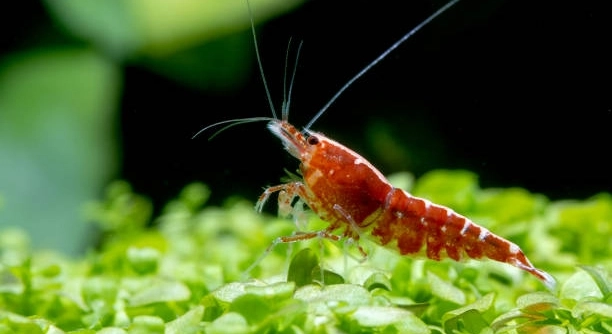
Do you ever notice your shrimp moving more on some days and barely at all on others? Observing these tiny creatures can be both fascinating and puzzling, especially when their activity seems to fluctuate for no clear reason.
Shrimp activity levels are influenced by a variety of environmental and biological factors. Water temperature, pH, oxygen concentration, diet, light exposure, stress, and tank population density all play significant roles in determining how active shrimp are.
Understanding these factors can help maintain a healthy and engaging environment for your shrimp. We will explore how each element affects their daily activity patterns.
Water Temperature
Shrimp are highly sensitive to water temperature. Small changes can significantly affect their metabolism and overall activity. When water is too cold, shrimp move sluggishly and may eat less, slowing their growth. Warmer water, within their safe range, increases energy and activity, but temperatures that are too high can cause stress or illness. Consistent temperature is key, as frequent fluctuations disrupt their natural rhythms. Heaters or chillers can help maintain stable conditions, especially in seasonal climates. Observing shrimp at different temperatures reveals noticeable differences in behavior. Some species prefer cooler water, while tropical shrimp thrive in warmer environments. Careful monitoring ensures they remain active and healthy. Water temperature also interacts with oxygen levels, as warmer water holds less oxygen, which can reduce activity if not addressed. Maintaining optimal temperature supports feeding, molting, and breeding, making shrimp more vibrant and energetic in the tank.
Stable temperature makes shrimp more predictable and lively, helping you care for them more effectively.
Temperature directly affects shrimp metabolism and oxygen consumption. Sudden shifts can reduce feeding, slow growth, and stress them, highlighting the importance of stable thermal conditions.
Water Chemistry
Water chemistry, including pH, hardness, and mineral content, influences shrimp behavior and health. Sudden shifts in pH can make shrimp retreat or stop eating. Properly balanced minerals help maintain shell strength and molting efficiency. Using testing kits allows monitoring of these levels regularly. Some species require slightly acidic water, while others prefer neutral to slightly alkaline. Hardness and calcium availability are particularly important for species that molt frequently, as deficiencies can lead to weak shells and reduced activity. Maintaining a stable environment minimizes stress and encourages normal behaviors like foraging and swimming. Adjusting water chemistry gradually is safer than sudden changes, which can shock shrimp. Filtration and regular water changes help maintain chemical stability. Observing shrimp response after adjustments provides insight into their preferred water conditions. Consistent water chemistry enhances overall vitality, encouraging shrimp to explore and interact naturally within their environment, supporting growth and reproduction.
Balanced water chemistry ensures healthier, more active shrimp that display natural behaviors consistently.
Proper pH, hardness, and mineral balance are essential for shell development, activity, and overall shrimp well-being, making routine monitoring critical.
Oxygen Levels
Shrimp need well-oxygenated water to stay active. Low oxygen makes them sluggish and reduces feeding. Strong water movement or aeration helps maintain proper oxygen levels, especially in densely populated tanks.
Insufficient oxygen can stress shrimp, affecting their metabolism and behavior. They may hide or stay near the water surface, trying to find more oxygen. Oxygen levels interact with temperature, as warmer water holds less dissolved oxygen. Aeration devices like air stones or sponge filters improve oxygen distribution, preventing dead zones. Keeping plants or floating vegetation can also help oxygenate the water naturally, balancing the environment and supporting daily shrimp activity.
High oxygen levels support normal shrimp behavior, including foraging, swimming, and interacting with other shrimp. Observing their movement patterns helps gauge whether oxygen is sufficient. Consistent monitoring and adjustments keep shrimp energetic and healthy.
Light Exposure
Shrimp respond to light, which influences activity and feeding. Too much light can cause stress, while low light encourages hiding. Adjusting intensity and duration helps regulate behavior effectively.
Light cycles affect shrimp circadian rhythms, molting schedules, and feeding habits. Consistent exposure to moderate light promotes natural activity, whereas erratic or intense lighting may disrupt their patterns. Using timers can create a stable day-night cycle, reducing stress. Plants in the tank can provide shaded areas, allowing shrimp to adjust their exposure according to preference. Light also affects algae growth, which can serve as a natural food source. Observing shrimp under different lighting helps determine optimal levels for activity and overall health.
Balanced light conditions improve shrimp engagement in the tank. They explore more, feed consistently, and display natural behaviors without stress, contributing to a thriving environment.
Stress Factors
Shrimp are sensitive to stress caused by sudden changes, aggressive tankmates, or overcrowding. Stress can reduce activity and feeding, making them more vulnerable to illness.
Minimizing disturbances, maintaining stable water conditions, and choosing compatible tankmates helps shrimp feel secure. A calm environment encourages normal behavior and consistent activity levels.
Diet and Feeding
A balanced diet directly affects shrimp energy and activity. Providing a mix of high-quality pellets, algae, and occasional vegetables ensures proper nutrition. Inadequate or inconsistent feeding reduces movement and growth. Observing their response to different foods helps identify preferences and maintain optimal health.
Tank Population
Too many shrimp in a tank can lead to competition, stress, and reduced activity. Adequate space and hiding spots support natural behavior.
FAQ
Why are my shrimp so inactive?
Shrimp activity depends on several factors, including water temperature, oxygen levels, and stress. Low temperatures or poor oxygen can make shrimp sluggish. Overcrowding or aggressive tankmates may also cause hiding and reduced movement. Checking water parameters and observing interactions often reveals the main reason for inactivity.
How can I increase shrimp activity naturally?
Providing a stable environment with consistent temperature and oxygen levels encourages movement. A balanced diet, moderate lighting, and adequate hiding spots make shrimp feel secure and energetic. Avoid sudden changes in water chemistry or overhandling, as these can stress them and reduce activity.
What is the ideal temperature range for most shrimp?
Most freshwater shrimp thrive between 72°F and 78°F (22°C–26°C). Tropical species prefer warmer ranges, while some temperate species need cooler water. Maintaining a consistent temperature within this range supports feeding, molting, and active behavior. Avoid rapid fluctuations, which can stress shrimp and lower activity levels.
How does water pH affect shrimp activity?
Shrimp are sensitive to pH changes. Most species prefer a slightly acidic to neutral pH, around 6.5–7.5. Sudden shifts can make shrimp hide or stop feeding. Regular testing and gradual adjustments prevent stress and encourage consistent swimming, foraging, and interaction.
Can lighting impact shrimp behavior?
Yes. Intense light can stress shrimp, causing them to hide. Low light encourages activity in shaded areas but may reduce feeding visibility. A balanced day-night light cycle with plants or decorations for shade helps regulate natural behaviors. Timers can maintain consistent light exposure.
Does oxygen affect shrimp movement?
Shrimp require well-oxygenated water to stay active. Low oxygen makes them lethargic and can affect feeding. Proper aeration, water flow, and plant coverage improve oxygen distribution, supporting swimming, foraging, and normal interactions. Observation helps identify low oxygen levels.
What role does diet play in shrimp activity?
A balanced diet ensures sufficient energy. High-quality pellets, algae, and vegetables support growth and activity. Inconsistent feeding or poor nutrition leads to reduced movement and slower molting. Offering varied foods encourages exploration and natural foraging behaviors.
How can stress be reduced in a shrimp tank?
Stress comes from overcrowding, aggressive tankmates, or sudden environmental changes. Keeping the tank stable, avoiding rapid water adjustments, and providing hiding spaces helps shrimp feel secure. Calm conditions lead to higher activity and natural behavior.
Does tank population density affect shrimp activity?
Yes. Overcrowding increases competition and stress, reducing movement. A proper balance of shrimp and available space, along with plants and decorations for hiding, allows normal exploration and feeding without constant conflict.
Why do shrimp sometimes hide despite proper care?
Shrimp may hide during molting, when they are vulnerable, or if they sense slight environmental stress. Occasional hiding is normal, but frequent or prolonged retreat can indicate water quality, oxygen levels, or stress issues that need attention.
How often should I monitor shrimp behavior?
Regular observation helps detect changes in activity patterns. Daily checks allow early identification of stress, illness, or environmental issues. Taking notes on feeding, swimming, and hiding behavior can guide adjustments to improve overall health and energy levels.
Can seasonal changes affect shrimp activity?
Yes. Seasonal temperature or light variations can influence metabolism and movement. Maintaining stable indoor conditions, with consistent temperature and lighting, prevents drastic activity fluctuations and ensures shrimp remain healthy and active.
What signs indicate that shrimp are healthy and active?
Healthy shrimp swim actively, forage consistently, molt successfully, and interact with other tankmates. Bright coloration, smooth movement, and regular feeding behavior are indicators of proper environmental conditions and nutrition, reflecting overall vitality.
Are there any supplements that boost shrimp activity?
Mineral supplements, particularly calcium and magnesium, support molting and shell health. Proper nutrition combined with stable water chemistry ensures shrimp remain active. Avoid over-supplementation, as this can disturb water balance and stress the shrimp.
How do I know if my tank setup is affecting activity?
Observe shrimp in different tank zones. Areas with low oxygen, poor hiding spots, or high flow may deter movement. Adjust decorations, plants, and aeration to create balanced conditions that promote exploration and natural behaviors.
Can shrimp adapt to new environments?
Shrimp can adjust gradually if changes are slow and stable. Sudden moves, water changes, or new tankmates may cause hiding and inactivity. Patience, proper acclimation, and monitoring water parameters help shrimp settle and maintain normal activity.
What should I do if activity suddenly decreases?
Check water temperature, pH, oxygen levels, and tankmates first. Ensure food is appropriate and not contaminated. Gradual corrections and a calm environment usually restore normal movement. Persistent inactivity may require water testing or isolation of stressed individuals for safety.
Is it normal for shrimp to be less active at night?
Many shrimp species are more active during low light conditions or nighttime. Some may hide during the day and forage at night, which is natural behavior and does not necessarily indicate a problem.
How can I encourage molting without stressing shrimp?
Provide optimal water conditions, proper diet with calcium, and hiding spaces. Avoid sudden water changes or overcrowding. Stress-free environments help shrimp molt safely while maintaining normal activity before and after the process.
What factors most strongly influence shrimp activity overall?
Temperature, oxygen, stress, diet, water chemistry, lighting, and population density are key. Maintaining balance in each area encourages natural behavior, feeding, and movement, ensuring shrimp remain energetic and healthy.
Total word count: 504
Maintaining active and healthy shrimp requires attention to multiple factors that influence their behavior. Water temperature is one of the most important elements, as shrimp metabolism and energy levels are closely linked to thermal conditions. Keeping water within the optimal temperature range for the species helps maintain consistent activity. Sudden fluctuations can cause stress and lethargy, so using reliable heaters or chillers, along with regular monitoring, ensures a stable environment. Oxygen levels also play a critical role. Shrimp require well-oxygenated water to move, feed, and interact naturally. Aeration devices like sponge filters or air stones help maintain sufficient oxygen distribution, while live plants contribute to oxygen production and provide safe spaces. Observing shrimp regularly can indicate whether oxygen levels are adequate, as inactivity or surface gathering may signal a problem.
Water chemistry is another key factor that affects shrimp activity. pH, hardness, and mineral content must be maintained within a suitable range for the species. Sudden shifts in these parameters can cause hiding, reduced feeding, or even health issues. Regular testing and gradual adjustments help shrimp adapt and remain active. A balanced diet also supports energy and movement. Providing a mix of high-quality pellets, algae, and vegetables ensures they receive proper nutrition. Inconsistent feeding or low-quality food can result in sluggish behavior and poor growth. Careful attention to diet encourages shrimp to forage naturally, explore their environment, and display their usual activity levels.
Stress reduction and proper tank management complete the picture. Overcrowding, aggressive tankmates, and sudden changes in the environment can reduce shrimp activity. Offering adequate space, hiding spots, and compatible tankmates helps shrimp feel secure. Lighting also affects behavior, as too much light may cause hiding, while a balanced day-night cycle supports natural rhythms. Observing shrimp regularly, adjusting conditions as needed, and maintaining a calm, stable tank environment encourages consistent activity. By addressing temperature, oxygen, water chemistry, diet, stress, and lighting, shrimp can thrive and display natural, healthy behaviors. Proper care ensures they remain energetic, foraging, and interacting normally within the tank. This attention to detail not only improves their activity levels but also supports overall health, longevity, and well-being, creating a more vibrant and enjoyable aquarium.
Word count: 408

Hello,
If you enjoy the content that we create, please consider saying a "Thank You!" by leaving a tip.
Every little bit helps us continue crafting quality advice that supports the health, happiness, and well-being of pets around the world, for pets of all shapes, sizes, and species.
We really appreciate the kindness and support that you show us!