
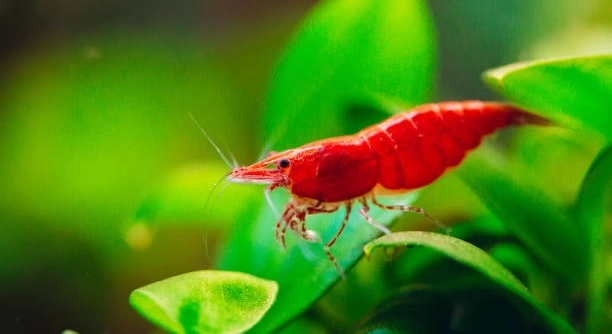
Have you ever tried keeping small aquatic pets together and wondered if their different needs will blend well in a peaceful tank environment, especially when thinking about cherry shrimp and guppies sharing the same space?
Keeping cherry shrimp with guppies is generally possible when conditions support both species, ensuring stable water parameters, abundant plant cover, and consistent feeding. Shelter protects shrimp from guppy curiosity, allowing both to coexist safely in a balanced aquarium and stability.
Learning how these peaceful species interact helps create a safer shared habitat, guiding you choices that support long term harmony.
Understanding Their Compatibility
Keeping cherry shrimp with guppies requires careful attention to their shared needs, since both species rely on stable water conditions and consistent care. I tend to focus on practical steps that create comfort and safety for small aquatic pets, especially when one species is more vulnerable. Cherry shrimp stay calm when they have dense plants, gentle filtration, and steady parameters, while guppies remain active and peaceful when their space is not overcrowded. Balancing these needs helps prevent stress and encourages healthy behavior in both. Extra hiding spots reduce unwanted interactions, letting shrimp feed and molt without interruption. A stable routine also keeps guppies occupied, lowering the chance of them bothering the shrimp during active hours. When both species feel secure, their colors appear brighter, their movements stay relaxed, and their overall environment becomes more predictable. Setting up these conditions early allows you to maintain harmony without constant adjustments or changes.
Both species adapt well when their environment stays predictable, making it easier to support their daily routines. Careful feeding, regular maintenance, and steady water quality help cherry shrimp and guppies stay active, comfortable, and calm inside the same aquarium without unnecessary trouble through consistent care and thoughtful monitoring each week.
Creating a balanced habitat starts with selecting plants that offer proper shelter for shrimp while giving guppies open swimming space. I find that thick moss, floating plants, and small caves help maintain comfort for both species. Stable temperatures, moderate filtration, and gentle lighting prevent stress and keep daily behavior consistent. Feeding a mix of tiny pellets and shrimp-safe foods ensures everyone receives what they need. Regular observation lets you catch early signs of discomfort, allowing simple adjustments before issues grow. With these steps, the aquarium becomes a calm shared space that supports healthy growth and natural activity for both species.
Setting Up the Ideal Tank
Preparing the tank for both species means focusing on stability, gentle flow, and plenty of cover. Cherry shrimp rely on safe hiding spots, while guppies stay comfortable with open areas. Balanced filtration and steady feeding habits help maintain harmony, reducing stress and encouraging predictable daily behavior in the shared aquarium.
Setting up a tank that supports cherry shrimp and guppies together begins with choosing the right layout and stable conditions. I like to start by adding a mix of rooted plants, floating plants, and fine moss that provides shelter for shrimp and softens the environment for guppies. These layers create separation between active swimmers and delicate scavengers, reducing unnecessary interactions. A gentle filter keeps the water clean without producing strong flow that might disturb shrimp during feeding or molting. Keeping the temperature steady ensures predictable behavior and prevents stress that often appears when parameters fluctuate too quickly. Consistent maintenance also plays an important role; small weekly water changes help preserve water quality and remove waste without disrupting the tank’s balance. Feeding should be done in small portions to prevent leftover food from collecting in hard to reach areas. When you maintain a reliable routine, both species grow more confident, showing brighter colors and natural patterns of movement. Over time the tank becomes a calm space where guppies explore the upper levels while shrimp graze below. Careful planning from the start creates a structure that works smoothly without constant corrections, giving both species the support they need to stay healthy overall.
Feeding Considerations
Feeding both species in the same tank works best when portions stay small and consistent. I try to place food where guppies stay active near the top, while shrimp can safely pick through leftovers below without competing directly or feeling overwhelmed during feeding times in the shared space.
Providing a balanced feeding routine helps prevent stress, since guppies eat quickly while shrimp prefer slow grazing. I usually offer tiny pellets or flakes for guppies first, allowing them to finish before adding shrimp specific foods. This separation keeps shrimp from being disturbed during their slower feeding habits. Using sinking pellets or powdered foods also helps shrimp access nutrition without interference. Careful feeding prevents extra waste, which keeps the tank cleaner and supports healthier conditions for both species throughout the week.
Maintaining a feeding schedule helps both species stay comfortable. I like to feed small amounts twice a day, watching how quickly each group responds. This makes it easier to adjust portions without creating excess debris. Shrimp benefit from having small areas with biofilm, which grows naturally when the tank stays clean and stable. When guppies eat quickly at the surface, shrimp can safely collect what settles below. This small separation keeps the tank peaceful, supports healthier digestion, and helps maintain the steady routines both species rely on.
Managing Behavior and Stress
Both species remain calmer when the tank stays uncluttered and stable, and I have noticed that predictable routines reduce tension. Guppies are active swimmers while shrimp prefer quiet spaces below, so giving each group areas suited to their habits keeps stress levels low and behavior steady overall.
Supporting calm behavior starts with maintaining a layout that prevents unnecessary interaction. I like to include dense moss and small caves for shrimp, while guppies benefit from open areas near the top. This separation allows shrimp to molt without disturbance and gives guppies enough space to stay active. Reducing loud movements around the tank and keeping lighting soft also helps maintain a peaceful atmosphere. Stable parameters prevent sudden reactions, making both species more predictable. Observing them often makes it easier to catch signs of stress early, so small adjustments can be made before problems develop.
Breeding Considerations
Breeding becomes easier when both species have their own comfortable areas. I rely on dense plants and gentle flow to help shrimp feel secure while guppies stay active in open spaces. This separation keeps young shrimp safer and reduces unwanted attention during early development stages.
Guppies reproduce quickly, so maintaining stable conditions helps prevent overcrowding. Shrimp breed best when the tank stays calm, with plenty of hiding spots for females carrying eggs. Keeping water parameters steady and offering nutritious foods supports successful reproduction for both species without causing stress or competition during sensitive moments.
Monitoring Water Quality
Monitoring water quality helps both species stay healthy, and I find that testing weekly keeps problems from growing. Clean water prevents stress, while stable parameters help shrimp molt safely. Regular maintenance supports balanced conditions that allow both shrimp and guppies to stay active and comfortable without sudden changes affecting their routine.
Tank Size Requirements
Tank size influences how well these species coexist, and I prefer starting with enough room for both to stay comfortable. Space reduces tension, supports healthier movement, and gives shrimp safe areas where they can graze without being disrupted by guppies exploring the upper levels.
Can guppies eat cherry shrimp?
Yes, guppies may attempt to eat very small or baby shrimp if they can catch them. I always make sure the tank has plenty of hiding spots for shrimp, like moss, plants, or small caves. Adult shrimp are usually too fast and cautious for guppies, but fry remain vulnerable. Observing feeding and activity patterns helps me notice if any shrimp are being harassed, allowing me to adjust the environment or add more cover. Keeping guppies well-fed also reduces their interest in chasing shrimp, letting both species coexist safely in the same tank.
Do cherry shrimp stress guppies?
Not usually. Cherry shrimp are small and quiet, so they don’t bother guppies. I have found that guppies continue their normal swimming and feeding behavior even when shrimp move around the bottom. Stress only occurs if the tank is overcrowded or lacks hiding spots, which can make guppies feel restricted. Providing enough space and plant cover keeps both species relaxed. I also notice that guppies sometimes explore areas near shrimp without causing harm, showing that they can coexist peacefully under the right conditions.
How do I prevent shrimp from being eaten?
The best way is to provide plenty of hiding spaces, such as thick moss, floating plants, and small caves. I also make sure shrimp have areas where guppies rarely swim. Feeding guppies well reduces their hunting instincts, and keeping the tank layout consistent helps shrimp move safely. Monitoring the tank regularly allows me to spot any aggressive behavior and make adjustments. Using slow-growing plants creates natural barriers while giving shrimp room to graze, which increases survival rates, especially for young shrimp.
Can guppies and shrimp share the same water parameters?
Yes, both species prefer similar water conditions. I keep the temperature around 72–78°F, pH between 6.5–7.5, and soft to moderately hard water. Stable parameters reduce stress and encourage healthy activity for both guppies and shrimp. Consistency is key, as sudden changes in temperature, pH, or hardness can affect molting in shrimp or activity levels in guppies. I test the water weekly and make small adjustments as needed to maintain balance, which supports long-term coexistence without compromising the health of either species.
What tank size works best for both?
A larger tank reduces stress and provides enough space for each species to have its preferred areas. I usually recommend a minimum of 10 gallons for a small group of guppies and shrimp, but bigger is better. More space allows guppies to swim freely while shrimp can explore and graze safely. Adding plants and structures creates vertical layers, so both species can occupy different zones without conflict. A roomy tank also simplifies maintenance, supports better water quality, and gives shrimp hiding areas that reduce predation risk.
How should I feed both species together?
I feed guppies at the top and shrimp on the bottom. Using sinking pellets or powdered shrimp foods ensures shrimp get their nutrition without competing directly with guppies. I also divide feedings into small portions to prevent leftover food from polluting the tank. Observation is important, as some guppies may try to chase shrimp near food. By keeping feeding routines consistent, both species remain healthy, active, and calm. Rotating diets with algae wafers, biofilm supplements, and balanced flakes provides necessary nutrients for each species without causing conflicts or overcrowding at feeding times.
Do guppies harass molting shrimp?
Yes, molting shrimp are vulnerable. I always make sure they have dense cover during these times, like moss or caves, which reduces contact with guppies. I have noticed that guppies usually leave hidden shrimp alone but may investigate exposed individuals. By arranging hiding areas strategically, molting periods pass safely without stress or injury, allowing shrimp to recover properly before returning to open areas of the tank.
Is breeding possible with both species in the same tank?
Yes, but protection for shrimp offspring is essential. I keep plenty of plants and small hiding spots so baby shrimp can survive. Guppy fry may pose a risk to tiny shrimp, so separating young shrimp temporarily can increase survival rates. Adult shrimp reproduce reliably when they feel secure, and guppies continue breeding without disruption. Maintaining stable water conditions, regular feeding, and a calm environment encourages both species to thrive together. Over time, you can observe natural behaviors, successful molting, and healthy offspring without excessive intervention.
How often should I check water quality?
Weekly testing is ideal for keeping both species healthy. I monitor temperature, pH, ammonia, nitrite, and nitrate levels to catch issues early. Consistent checks prevent sudden stress for shrimp during molting and for guppies during active periods. Small adjustments are easier than correcting large imbalances later. Maintaining a steady schedule also helps me notice subtle changes in behavior that may indicate water issues before visible damage occurs. Regular water changes, combined with monitoring, ensure both species remain comfortable, active, and long-lived in the shared aquarium.
Can guppies and shrimp live long-term together?
Yes, with proper care and a balanced environment. I have maintained tanks where both species thrive for years when space, hiding spots, and water quality are prioritized. Stable routines, careful feeding, and observation reduce stress, allowing both guppies and shrimp to grow, reproduce, and interact naturally. Long-term success depends on maintaining predictable conditions, avoiding overcrowding, and providing multiple layers of plants and structures that let shrimp graze safely while guppies explore freely. A thoughtful setup ensures harmony without constant intervention.
This FAQ section offers practical advice based on experience, covering feeding, safety, water quality, and behavior to help guppies and cherry shrimp coexist successfully.
Keeping cherry shrimp with guppies is possible when careful planning and observation are applied. I have found that providing sufficient hiding spaces for shrimp is one of the most important steps to maintain harmony. Dense moss, floating plants, and small caves create safe areas where shrimp can graze, molt, and move around without being disturbed by guppies swimming actively above. Open swimming space for guppies is equally important, allowing them to remain active and healthy without overcrowding the tank. When both species have defined zones in the aquarium, stress levels stay low and behaviors remain predictable. Monitoring their interactions over time helps identify if any adjustments are needed, such as adding extra plants or reorganizing the tank layout. A stable environment ensures that both shrimp and guppies can thrive together for the long term.
Water quality and feeding routines play a significant role in maintaining a balanced tank. I always emphasize keeping temperature, pH, and hardness within the preferred ranges for both species, as sudden changes can cause stress or disrupt molting in shrimp. Weekly water testing and small water changes help maintain stability and prevent the accumulation of harmful compounds. Feeding should be divided between guppies and shrimp, with sinking pellets or powdered food for shrimp and flake or pellet food for guppies at the surface. Small, frequent feedings prevent competition and reduce leftover food that could affect water quality. Observing how both species respond to feeding times allows me to make small adjustments to improve comfort and reduce stress. Consistent care and observation make the tank predictable, which helps both shrimp and guppies stay healthy and active.
Finally, long-term success depends on creating an environment that considers the natural behavior and needs of both species. I have seen that guppies can coexist peacefully with cherry shrimp if the tank has a combination of open swimming space, secure hiding areas, and stable water conditions. Overcrowding or a lack of cover can quickly lead to stress or predation, but with proper planning, both species can thrive. Regular monitoring of water quality, feeding habits, and behavior ensures early detection of potential issues before they affect the health of the tank inhabitants. By carefully balancing space, diet, and environmental stability, it is possible to maintain a harmonious aquarium where guppies swim freely while shrimp move safely among plants and structures. Paying attention to the needs of both species creates a peaceful and sustainable tank that supports natural behavior, healthy growth, and reproduction for years to come.

Hello,
If you enjoy the content that we create, please consider saying a "Thank You!" by leaving a tip.
Every little bit helps us continue crafting quality advice that supports the health, happiness, and well-being of pets around the world, for pets of all shapes, sizes, and species.
We really appreciate the kindness and support that you show us!