
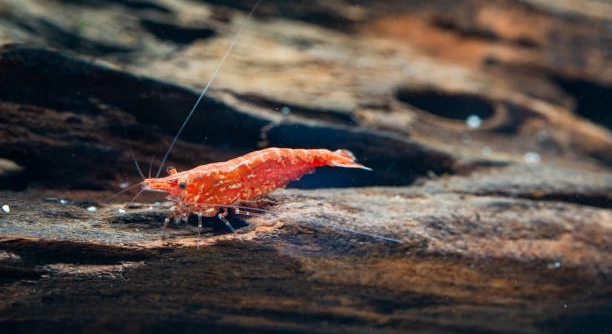
Are your shrimp acting strangely in your tank, leaving you unsure about their health? Observing your shrimp closely can help you identify behaviors that may indicate stress, illness, or environmental problems affecting their well-being.
Shrimp displaying unusual movements, hiding excessively, losing color, or showing aggression often signal potential health issues or stressors. Recognizing these behaviors early allows for timely interventions, preventing further complications and promoting a stable and healthy aquatic environment.
Noticing these warning signs early can save your shrimp from serious harm and maintain harmony in your aquarium.
Constant Hiding
Shrimp that spend most of their time hiding under decorations, plants, or substrate may be stressed or unwell. Stress can come from poor water quality, aggressive tank mates, or sudden changes in the environment. When shrimp hide constantly, they might not be eating properly, which can lead to further health issues. It’s important to monitor water parameters such as temperature, pH, ammonia, nitrites, and nitrates to ensure a safe environment. Providing enough hiding spots like moss, rocks, and plants is essential, but excessive hiding signals a problem. Observing their behavior at different times of the day can help determine whether the hiding is normal or a sign of stress. Shrimp that are otherwise active but suddenly start hiding might be experiencing discomfort or illness. Early detection of stress behaviors can prevent more serious problems and keep your shrimp healthy and thriving in their tank.
Consistently hiding shrimp indicate environmental or health problems that require prompt attention to prevent worsening conditions.
Checking tank conditions and observing shrimp interactions can help identify the root of the stress. Adjusting water quality, adding safe hiding spots, and removing aggressive tank mates can restore normal behavior and improve their overall health.
Erratic Swimming
Shrimp swimming in sudden bursts, spinning, or floating uncontrollably often show signs of stress or illness. This behavior can result from poor water quality, low oxygen levels, or toxins in the tank. Stressful conditions make shrimp more susceptible to disease, and erratic swimming is a visible warning. It’s critical to regularly check water parameters, ensure proper filtration, and maintain oxygen levels. Sometimes, rapid movement is a response to aggressive tank mates or overcrowding. Providing enough space and monitoring the number of shrimp in the tank can reduce stress. Diet also affects activity; shrimp lacking proper nutrition may behave unpredictably. Observing these patterns over several days helps distinguish between temporary agitation and ongoing problems. Prompt intervention can prevent fatalities and improve the shrimp’s well-being, keeping the tank balanced and the shrimp active and healthy.
Erratic swimming is usually a sign of stress, poor water conditions, or illness, demanding immediate monitoring.
Addressing the causes of erratic swimming involves checking tank chemistry, ensuring oxygenation, and maintaining a stable environment. Removing aggressive fish or adjusting population density can reduce stress, while providing balanced nutrition supports health. Observing shrimp behavior consistently allows for timely action before conditions worsen.
Loss of Color
Shrimp that lose their vibrant color may be experiencing stress, poor water quality, or nutritional deficiencies. Color fading is often one of the first visible signs that something is wrong in their environment.
Maintaining proper water parameters is essential to prevent color loss. Ammonia, nitrite, and nitrate levels should be closely monitored, as toxic conditions can directly impact shrimp health. In addition, sudden temperature fluctuations or inappropriate pH levels can contribute to fading colors. Diet plays a significant role; shrimp require a balanced intake of proteins and minerals to maintain pigmentation. Lack of nutrients, especially carotenoids, can cause a dull appearance. Stress from aggressive tank mates or overcrowding may also trigger color changes. Observing shrimp daily and keeping a log of water parameters and feeding routines can help identify patterns. Restoring stable conditions and providing high-quality food can gradually bring back their natural color.
Loss of color often indicates a combination of environmental stressors and dietary gaps that need addressing promptly.
Providing a consistent feeding schedule, monitoring water quality, and minimizing stress factors are crucial. Supplements or specialized shrimp food can restore pigmentation over time, supporting both health and appearance. Careful observation ensures quick response to any future color changes.
Clamped Antennae
Shrimp with clamped antennae usually indicate discomfort or poor health. This posture is a defensive reaction and signals stress.
Clamped antennae can result from water quality issues such as high ammonia, nitrite spikes, or low oxygen levels. Additionally, infections, parasites, or chemical exposure may cause shrimp to retract their antennae. Overcrowding or aggressive tank mates can increase stress and lead to this behavior. Monitoring the shrimp closely, testing water parameters, and isolating affected individuals when necessary can help reduce stress. Providing clean, well-aerated water and a balanced diet promotes recovery.
Noticing clamped antennae early allows you to intervene before the shrimp’s condition worsens. Correcting environmental problems, reducing stressors, and ensuring proper nutrition can restore normal behavior and prevent long-term health issues.
Lethargy
Shrimp that move very little or stay in one spot for extended periods may be unhealthy or stressed. Lethargy often indicates problems with water quality, temperature, or illness affecting their energy levels.
Diet also plays a role. Shrimp that are not eating enough or receiving poor nutrition can appear sluggish. Observing feeding behavior and providing high-quality food helps support energy and overall health.
Molting Issues
Shrimp that struggle to molt or show incomplete molts often face stress or mineral deficiencies. Proper calcium and water conditions are essential for successful molting. Inadequate molting can lead to physical damage or vulnerability to disease.
Tail Curling
Tail curling can signal injury, molting difficulties, or infections. This behavior indicates discomfort that needs attention to prevent further harm.
How can I tell if my shrimp are stressed?
Shrimp show stress through several behaviors, including constant hiding, erratic swimming, clamped antennae, and loss of color. They may also eat less or refuse food entirely. Observing them closely each day helps identify these signs early, allowing for timely adjustments to their environment.
Stress is often linked to poor water quality, sudden temperature changes, overcrowding, or aggressive tank mates. Monitoring ammonia, nitrite, nitrate, pH, and temperature is critical. Providing sufficient hiding spots, stable water conditions, and balanced nutrition can significantly reduce stress.
Why are my shrimp hiding all the time?
Constant hiding often signals that shrimp feel unsafe or unwell. Overcrowding, aggressive tank mates, or a lack of adequate hiding spots can make shrimp retreat. They may also hide due to disease or poor water conditions.
Adding plants, moss, or rocks creates more cover, helping them feel secure. Regularly checking water parameters and removing aggressive fish reduces stress, while proper nutrition supports overall health. Observing their behavior over time clarifies whether hiding is normal or problematic.
What causes shrimp to lose color?
Color loss usually stems from stress, poor water quality, or inadequate diet. Low oxygen, fluctuating pH, high ammonia, or nitrites can all impact shrimp pigmentation. A lack of essential nutrients, especially carotenoids, also leads to dull or faded coloration.
Providing a stable environment and high-quality food rich in minerals and pigments helps restore natural color. Avoid sudden changes in water conditions and keep tank mates calm to reduce stress. Monitoring shrimp daily ensures early detection of fading color and prevents further health problems.
Why are my shrimp swimming erratically?
Erratic swimming indicates stress or discomfort. Common causes include poor water quality, low oxygen, toxic substances, sudden temperature shifts, overcrowding, or aggressive tank mates. Nutritional deficiencies can also contribute to irregular movements.
To address this, check water parameters, ensure proper oxygenation, and maintain a stable environment. Adjust population density if needed and feed a balanced diet to improve health. Observing patterns over several days helps distinguish temporary agitation from persistent problems that need intervention.
How do I know if my shrimp are sick?
Signs of illness include lethargy, clamped antennae, loss of color, erratic swimming, and molting difficulties. Shrimp may also refuse food or hide excessively. Infections, parasites, and bacterial issues can trigger these behaviors, along with environmental stressors.
Maintaining clean water and proper nutrition prevents many common illnesses. Quarantining new or affected shrimp and monitoring behavior closely allows early treatment. Addressing problems quickly increases survival chances and keeps your colony healthy.
What should I do if my shrimp have molting problems?
Molting issues often arise from poor water conditions or insufficient minerals. Shrimp require calcium and stable water parameters for successful molts. Incomplete molts can leave them vulnerable to injury or infections.
Ensuring consistent water quality, providing proper nutrition, and supplementing minerals when necessary supports proper molting. Observing shrimp during and after molts helps detect issues early. Avoid overcrowding and reduce stressors to allow smooth molts and healthy growth.
Why do shrimp curl their tails?
Tail curling signals discomfort, injury, or infection. It may appear after a problematic molt, physical trauma, or illness affecting their nervous system. Persistent tail curling indicates that intervention is needed to prevent worsening conditions.
Check water quality, ensure adequate nutrition, and remove aggressive tank mates. Isolating affected shrimp and monitoring recovery can prevent further damage. Providing a calm, stable environment reduces stress and encourages normal posture and behavior.
Can diet affect shrimp behavior?
Yes, a poor diet can impact energy levels, molting, pigmentation, and overall behavior. Shrimp require a mix of proteins, minerals, and specialized nutrients to maintain health. Lack of proper nutrition can make them lethargic, cause color loss, and increase susceptibility to stress and disease.
Offering a balanced diet, supplemented with mineral-rich foods and occasional specialized shrimp pellets, supports growth, pigmentation, and activity. Feeding on a consistent schedule and avoiding overfeeding keeps the tank clean while promoting healthy behaviors. Observing their feeding patterns ensures all shrimp receive adequate nutrition.
How can I prevent stress in my shrimp?
Preventing stress involves stable water conditions, appropriate tank mates, and sufficient hiding spots. Sudden changes in temperature, pH, or water chemistry create stress, as do overcrowding and aggressive fish. Consistent feeding and proper nutrition also reduce stress levels.
Regular water testing, adding plants or moss for cover, and spacing tank mates properly creates a calm environment. Avoid sudden changes and handle shrimp minimally. Stress prevention keeps shrimp healthy, active, and more resistant to disease, ensuring a thriving aquarium.
What should I do if I notice abnormal behaviors?
Immediate action is key. Test water parameters, observe shrimp closely, and isolate affected individuals if necessary. Adjusting water quality, improving nutrition, and removing stressors can correct many behavioral issues.
Monitoring behaviors daily helps detect subtle changes early. Maintaining a clean, stable environment and providing high-quality food promotes recovery. Prompt intervention increases survival and reduces long-term health problems in your shrimp colony.
Observing shrimp in your aquarium can tell you a lot about their health and overall well-being. Shrimp are sensitive creatures, and their behaviors often reflect the conditions around them. Paying attention to how they swim, hide, or interact with their environment allows you to identify early signs of stress or illness. Small changes, such as hiding more than usual, losing color, or swimming erratically, may seem minor at first, but they can indicate larger issues that need attention. Regular observation helps you catch these warning signs before they become serious, giving you the chance to make adjustments and ensure your shrimp remain healthy and active. It is important to note that shrimp behavior can vary naturally depending on species, age, and tank setup, so being familiar with what is normal for your specific shrimp is essential. Keeping a log of their behaviors, feeding routines, and water parameters can provide valuable insight into patterns and potential problems, allowing for timely interventions when necessary.
Maintaining stable water conditions is one of the most effective ways to prevent health problems and stress in shrimp. Temperature, pH, ammonia, nitrites, and nitrates all play a critical role in keeping shrimp comfortable and healthy. Sudden changes in any of these factors can cause stress and trigger abnormal behaviors, so consistent monitoring is key. Providing a balanced diet is equally important, as shrimp rely on proper nutrition to maintain energy, pigmentation, and successful molting cycles. Supplements or mineral-rich foods can help address deficiencies and support overall vitality. Tank setup also matters: overcrowding, aggressive tank mates, or lack of hiding spots can increase stress levels. Simple adjustments, such as adding plants, moss, or decorative shelters, can help shrimp feel secure and reduce the occurrence of problematic behaviors. Consistent care and attention to the environment go a long way in promoting natural behavior and overall well-being in your shrimp colony.
Recognizing and addressing abnormal behaviors early ensures a healthier and more stable aquarium. When shrimp exhibit signs of stress, illness, or discomfort, taking action promptly can prevent further complications and protect the entire colony. Small changes, like adjusting water quality, separating aggressive tank mates, or providing nutritional support, often lead to noticeable improvements in behavior and health. Over time, consistent care allows shrimp to thrive, displaying natural colors, normal activity, and proper molting patterns. Monitoring behaviors, maintaining stable conditions, and offering balanced nutrition create an environment where shrimp can grow and live comfortably. Being attentive to these details not only improves the life of your shrimp but also ensures the tank remains a harmonious space for all inhabitants. With careful observation and steady maintenance, it becomes easier to understand your shrimp, respond to their needs, and maintain a healthy aquatic environment that supports their long-term health and activity.

Hello,
If you enjoy the content that we create, please consider saying a "Thank You!" by leaving a tip.
Every little bit helps us continue crafting quality advice that supports the health, happiness, and well-being of pets around the world, for pets of all shapes, sizes, and species.
We really appreciate the kindness and support that you show us!