
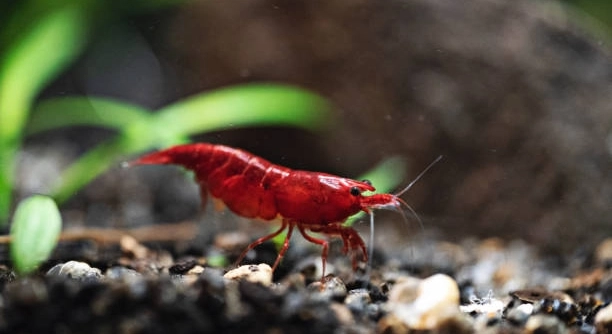
Are your cherry shrimp constantly hovering near the filter in your aquarium? Many shrimp enthusiasts notice this behavior, which can seem odd at first. These tiny creatures are drawn to areas with water movement and oxygen flow.
Cherry shrimp are naturally attracted to filters because they provide consistent water circulation, aeration, and a collection point for biofilm and microfauna. This environment supports their feeding, breathing, and overall health, making the filter an essential feature in their habitat.
Observing their fascination with filters can reveal more about their needs and behaviors, helping you maintain a thriving shrimp tank environment.
The Role of Water Flow in Shrimp Behavior
Cherry shrimp are highly sensitive to water movement. In a tank, the filter creates consistent currents that help distribute oxygen evenly, which shrimp need to breathe efficiently. These currents also carry tiny particles of food and biofilm, allowing shrimp to feed more easily. Observing them near the filter, it’s clear they take advantage of the flow, grazing on the surfaces and collecting nutrients that might otherwise be scattered throughout the tank. Additionally, water movement helps prevent stagnation, reducing the buildup of harmful substances. Shrimp instinctively seek areas where the water is constantly refreshed because it signals a safe and supportive environment. Over time, they associate the filter zone with food availability and oxygen concentration. The combination of these factors explains why cherry shrimp spend a lot of time hovering near filters, moving purposefully rather than drifting randomly, and using the flow to aid their feeding and survival.
Filters also help maintain water clarity, which benefits shrimp visibility and reduces stress in the tank.
Providing adequate flow and positioning decorations to allow easy access to the filter encourages natural shrimp behavior while supporting their overall health and activity levels.
How Biofilm Forms Around Filters
Biofilm develops quickly near areas of consistent water movement, like filters. It consists of microorganisms that shrimp feed on regularly.
Shrimp are naturally drawn to these nutrient-rich surfaces, where they can graze constantly. The filter’s surface often becomes a concentrated feeding area, making it a hotspot in the aquarium. Biofilm growth is encouraged by the combination of water flow, light exposure, and leftover organic particles. Shrimp nibble on these microorganisms, benefiting from a protein and algae-rich diet without disturbing the rest of the tank. Because filters are also slightly rough and provide hiding spaces, they offer both sustenance and safety simultaneously. Even new shrimp quickly learn to locate these areas and spend time foraging, which can explain why some appear almost obsessed with hovering near the filter. Understanding this relationship helps aquarists manage feeding, prevent overpopulation of algae, and maintain a healthy balance of microorganisms in the aquarium. Proper filter placement ensures shrimp have constant access to this resource while supporting overall tank cleanliness.
Oxygen Distribution and Shrimp Activity
Filters keep oxygen levels steady throughout the tank. Cherry shrimp are drawn to areas where oxygen is abundant, which helps them stay active and healthy.
Adequate oxygen distribution allows shrimp to move freely and reduces stress. In stagnant areas, shrimp may hide or become lethargic, which can impact their feeding and growth. Filters push oxygen-rich water across the tank, especially near the intake and outflow points. This circulation encourages shrimp to explore, forage, and interact with their environment while staying close to safe oxygen sources. Over time, shrimp recognize these zones as reliable spots for both feeding and breathing. Maintaining strong but gentle flow ensures oxygen reaches all corners without overwhelming the shrimp. This careful balance between water movement and oxygenation explains why shrimp often cluster near the filter and its immediate surroundings.
Even small changes in flow or filter placement can alter where shrimp spend most of their time, highlighting their sensitivity to oxygen levels.
Filters also help remove debris that might otherwise reduce oxygen availability, keeping the tank cleaner and healthier for all inhabitants.
Safety and Shelter Around Filters
Filters create gentle currents that mimic natural water conditions, offering a sense of security for shrimp. The structure around filters often doubles as shelter, giving shrimp spaces to hide.
The filter’s surface and surrounding areas provide nooks and crannies where shrimp can retreat when feeling threatened or during molting. Shrimp feel safer near consistent water movement because it masks disturbances in the tank, giving them confidence to feed openly. Many shrimp spend a majority of their time near these areas because it balances both safety and access to nutrients. This behavior is particularly noticeable in tanks with minimal décor, where the filter becomes a central hub for activity. Placement of plants or rocks near the filter enhances this effect, allowing shrimp to move between hiding spots while still staying close to oxygen-rich, food-abundant zones. Over time, shrimp develop routines around these locations, demonstrating a clear preference for areas that combine protection and resources efficiently.
Feeding Habits Near Filters
Cherry shrimp frequently graze near filters because food particles collect there. The consistent flow makes feeding easier and more efficient.
Small bits of leftover food and biofilm drift toward the filter, creating a convenient grazing area. Shrimp instinctively use these zones to supplement their diet without searching the entire tank.
Filter Maintenance Impact
Regular filter cleaning is important to shrimp health. A dirty filter can reduce water flow and oxygen levels, affecting shrimp activity. Keeping the filter clean ensures that currents remain strong and biofilm growth continues in controlled amounts. This balance supports feeding and breathing while preventing harmful debris buildup.
Shrimp Behavior Observation
Watching shrimp near filters can reveal their comfort and health levels. Active grazing and movement indicate a thriving environment.
FAQ
Why do cherry shrimp stay near the filter all the time?
Cherry shrimp are naturally drawn to filters because these areas provide oxygen-rich water and a steady flow that carries tiny particles of food. The filter also promotes biofilm growth, which shrimp graze on. Spending time near the filter gives them access to both nutrition and a stable environment, helping them feel secure and comfortable.
Is it harmful for shrimp to be constantly near the filter?
Generally, it is not harmful as long as the flow is not too strong. Gentle, consistent currents allow shrimp to feed and move freely without getting exhausted. However, excessively strong currents may stress them, so positioning the filter or using a sponge pre-filter can help regulate water movement.
Do filters affect shrimp molting?
Yes, indirectly. Filters maintain stable water conditions, which is essential for successful molting. Shrimp are sensitive to water quality fluctuations, and stable oxygen levels and reduced debris around the filter support smooth exoskeleton shedding. Shrimp often hide near filters while molting for safety and easy access to food once they emerge.
Can shrimp get trapped in the filter?
Shrimp can accidentally get caught in strong intake areas, particularly younger or smaller shrimp. Using a sponge or mesh pre-filter prevents them from being sucked in while maintaining water flow and circulation. This setup ensures shrimp can enjoy the benefits of the filter without risk.
Why do shrimp prefer certain types of filters?
Shrimp are more comfortable with gentle, consistent flow, so sponge filters are often preferred. These provide oxygenation and water movement without creating strong currents. Filters with rough surfaces also allow biofilm to grow, offering an additional food source that shrimp naturally seek.
Does filter placement matter for shrimp activity?
Yes, placement affects where shrimp spend their time. Filters located near hiding spots or plants give shrimp both safety and access to flowing water. Strategic positioning ensures shrimp can graze on biofilm, receive oxygenated water, and retreat when needed without stress.
How often should I clean my filter with shrimp in the tank?
Cleaning should be regular but gentle. Over-cleaning can remove beneficial biofilm and disturb shrimp habitat. A light rinse in tank water preserves microorganisms while maintaining flow and water quality. This helps keep shrimp healthy and encourages natural grazing near the filter.
Do all shrimp species behave this way near filters?
Not all species are equally drawn to filters. Cherry shrimp show this behavior prominently due to their small size, grazing habits, and oxygen needs. Larger or more robust species may explore more freely and spend less time near flow areas, although they still benefit from oxygenation and biofilm.
Can filters help prevent disease in shrimp tanks?
Yes, indirectly. Filters remove debris and circulate water, reducing the buildup of harmful compounds like ammonia or nitrites. Consistent water quality lowers stress, which improves shrimp immune function. Healthy water flow near the filter supports feeding and activity, contributing to overall tank health.
What if my shrimp ignore the filter?
If shrimp avoid the filter, check flow strength, water quality, and biofilm availability. Too strong a current, insufficient oxygen, or low biofilm can make filters less attractive. Adjusting flow, cleaning carefully, and providing supplemental food can encourage shrimp to utilize the filter area again.
Do cherry shrimp ever use filters for shelter?
Yes, the area around filters often offers crevices and stable water movement that provide security. Shrimp hide near the filter during molting or stress periods, taking advantage of both protection and access to food sources. This dual purpose explains why filters remain central to their activity.
How can I make my filter more shrimp-friendly?
Using sponge pre-filters, positioning the filter near plants, and maintaining gentle flow can improve shrimp comfort. These adjustments preserve biofilm, prevent accidents, and create a safe area where shrimp can feed, breathe, and move freely without excessive stress.
Are shrimp more active during certain times near the filter?
Shrimp activity often peaks when feeding or when water conditions change slightly, such as after water changes. The filter provides consistent resources, so shrimp naturally return to it during these periods. Monitoring these patterns can help optimize tank management and feeding schedules.
Do baby shrimp behave differently near filters?
Juvenile shrimp rely heavily on filters for oxygen and feeding. Their small size makes them more vulnerable to predators and strong currents, so gentle flow areas around filters become key zones for survival. They often cluster near biofilm and debris caught in the current.
Can filters reduce algae growth in shrimp tanks?
Filters help reduce suspended particles that fuel algae growth, indirectly controlling algae levels. While they do not remove algae entirely, proper flow and biofilm balance support healthy shrimp grazing, which further limits algae overgrowth and maintains a balanced ecosystem.
Is it normal for shrimp to compete near filters?
Mild competition is normal because filters concentrate food and oxygen. Shrimp may briefly chase each other or jockey for position, but this rarely leads to harm. Ensuring multiple grazing areas and maintaining adequate water flow can reduce tension.
Do shrimp recognize different filters in the same tank?
Shrimp respond to the flow and food availability rather than the filter type itself. If multiple filters are present, they tend to spend more time near areas that offer gentle currents, accessible biofilm, and safety. Each filter becomes a functional zone rather than a visually distinct object.
How does filter noise affect shrimp?
Filters that are excessively noisy or create vibrations can stress shrimp. Gentle, steady flow with minimal noise encourages natural behavior. Adjusting filter placement or choosing quieter models ensures shrimp feel secure while maintaining oxygenation and circulation.
What are signs that shrimp are thriving near the filter?
Active grazing, frequent movement, bright coloration, and regular molting indicate shrimp are healthy. Consistent time spent near the filter while showing exploratory behavior suggests they are benefiting from oxygen-rich water, food availability, and safe shelter.
Can filter adjustments improve shrimp breeding?
Yes, stable water conditions and gentle flow support breeding behavior. Filters that maintain oxygen, distribute nutrients, and provide safe zones increase the likelihood of successful egg development and juvenile survival. Careful maintenance enhances both adult health and reproduction success.
How do I balance filter benefits with gentle currents?
Using sponge pre-filters, adjusting output, and strategically placing decorations help create gentle flow areas. This ensures shrimp can feed and breathe without being stressed by strong currents, allowing them to take full advantage of the oxygen and food concentrated around the filter.
Are there alternatives to traditional filters for shrimp tanks?
Sponge filters, air-driven filters, or low-flow internal filters can provide the same oxygenation and biofilm growth benefits without creating strong currents. These options keep shrimp safe while maintaining water quality, making them ideal for small or delicate tanks.
Do filters influence shrimp social behavior?
Filters centralize food and oxygen, creating hubs of interaction. Shrimp may graze together or briefly compete for space, but these behaviors are natural and indicate active, healthy shrimp. Balanced flow and multiple grazing areas help prevent stress and maintain harmony in the tank.
What maintenance routines ensure shrimp continue to benefit from the filter?
Light, regular cleaning, monitoring flow, and ensuring biofilm growth are key. Avoid harsh chemicals, maintain consistent water parameters, and replace filter media as needed. This preserves both water quality and food sources, keeping shrimp active, healthy, and comfortable near the filter.
How long do shrimp usually spend near the filter each day?
Time near the filter varies by activity, feeding, and water conditions. Many shrimp spend significant portions of their day grazing, molting, or resting nearby. Observing these patterns helps in adjusting feeding schedules, flow rates, and tank layout for optimal shrimp health and activity.
Does the filter location affect water temperature for shrimp?
Filters can slightly influence local temperature by promoting circulation. Constant flow prevents hot or cold spots, ensuring a more uniform tank environment. This stability supports shrimp metabolism, growth, and overall well-being.
How do filters interact with other tank equipment for shrimp?
Filters work with heaters, air pumps, and lighting to maintain a balanced environment. Proper placement ensures that water movement, oxygenation, and temperature remain stable. Coordinating equipment reduces stress and supports healthy shrimp behavior, especially near the filter zones.
Can filters help with shrimp acclimation?
Yes, new shrimp often gravitate toward the filter for oxygen-rich water and accessible biofilm. Gradually introducing them near stable flow areas helps them adapt to tank conditions while reducing stress and encouraging natural feeding behaviors.
Do shrimp ever avoid filters?
Shrimp may avoid filters if the flow is too strong, water quality is poor, or biofilm is scarce. Adjusting flow, adding gentle currents, and ensuring consistent food sources can make the filter more appealing. Observation and minor tweaks often restore natural grazing patterns near the filter.
Are there seasonal or tank-specific factors affecting filter use?
Temperature changes, lighting, and water chemistry can alter shrimp activity around filters. Warmer water increases metabolism and movement, while colder water slows them down. Monitoring tank conditions ensures shrimp continue to benefit from the filter year-round.
How can I tell if my filter supports shrimp feeding effectively?
Active grazing, visible biofilm, and shrimp clustering without signs of stress indicate effective feeding support. Consistent water flow distributes particles, making the filter area a reliable resource for daily nutrition and oxygen intake.
Do shrimp prefer certain spots around the filter?
Shrimp often favor areas with gentle flow, surface texture for biofilm growth, and nearby hiding spaces. They move between these zones depending on feeding, molting, or resting needs, showing clear patterns of behavior linked to comfort and resource availability.
Can multiple filters confuse shrimp?
Shrimp respond more to flow and food availability than the number of filters. Having multiple zones can spread activity and reduce competition, but shrimp will naturally cluster near areas that meet their oxygen, feeding, and safety needs most effectively.
How does filter water movement affect tank decorations?
Flow can shift lightweight decorations or plants, indirectly influencing shrimp grazing and shelter choices. Anchoring décor and placing plants strategically ensures consistent grazing surfaces and hiding spots near filters, supporting shrimp health and activity.
Are there signs that a filter is too strong for shrimp?
Shrimp struggling to stay in place, being pushed against surfaces, or hiding excessively indicate overly strong currents. Adjusting output or adding a sponge pre-filter reduces stress while maintaining the benefits of oxygenation and circulation.
Do filters play a role in shrimp stress levels?
Yes, consistent oxygen, gentle flow, and stable conditions reduce stress. Shrimp near well-maintained filters are often more active, feed more, and show brighter colors, indicating comfort and health.
Can filter adjustments help with overpopulation?
Indirectly, yes. Filters distribute oxygen and nutrients, supporting healthy growth without creating areas of stagnation. Proper management encourages even feeding and activity, preventing competition or overcrowding near a single location.
How often should I monitor shrimp near filters?
Daily observation ensures shrimp are active, feeding, and molting normally. Monitoring patterns allows for quick adjustments in flow, cleaning, or décor placement to maintain a healthy environment.
Do filters affect shrimp lifespan?
Consistent oxygenation, clean water, and stable flow from filters contribute to longer lifespan. Shrimp that can feed efficiently and live in a stress-free environment near the filter often thrive longer than those in stagnant or poorly maintained areas.
Can shrimp behavior near filters indicate water quality issues?
Yes, lethargy, hiding, or erratic movement near filters may signal low oxygen, high toxins, or flow problems. Observing behavior provides early warning to adjust maintenance or tank conditions before serious health issues develop.
Are there specific filter types best for breeding shrimp?
Sponge filters and gentle internal filters provide oxygen, biofilm, and safe water movement. These conditions support egg development, juvenile survival, and adult health, making them ideal for breeding setups.
How do filters interact with feeding schedules?
Filters concentrate drifting particles and biofilm, making grazing consistent throughout the day. Scheduling feedings near periods of high filter flow ensures shrimp can access supplemental food efficiently without disturbing the tank balance.
Can filter water flow replace manual aeration for shrimp?
Yes, steady flow from a properly maintained filter often provides sufficient oxygenation. Supplemental aeration may be unnecessary if the filter distributes oxygen evenly and maintains water quality, simplifying tank management while supporting shrimp health.
Do shrimp prefer the outflow or intake side of the filter?
Shrimp are usually found near the outflow, where water movement spreads particles and biofilm. Intake areas are less popular unless protected by a sponge, as strong suction can be stressful or dangerous.
How does filter efficiency impact shrimp tank balance?
Efficient filters remove waste, circulate water, and promote biofilm growth, creating a balanced ecosystem. Properly functioning filters ensure shrimp have food, oxygen, and shelter consistently, reducing stress and supporting long-term health and activity.
Can filter adjustments encourage exploration in shrimp?
Yes, varying flow slightly and placing decorations near the filter can motivate shrimp to explore while still benefiting from oxygen and grazing areas. This encourages natural movement and activity without compromising safety.
Do filters influence shrimp color or health visibly?
Healthy shrimp near filters often display bright coloration and active behavior. Consistent water quality, oxygen, and food availability contribute to their vitality, making the filter area a key factor in visible health indicators.
How do I know if my shrimp are over-relying on the filter?
If shrimp ignore other tank areas, it may indicate uneven oxygenation or food distribution. Adjusting flow, adding grazing spots, and monitoring water parameters encourages balanced activity throughout the tank.
Are there seasonal maintenance tips for filters in shrimp tanks?
During warmer months, check for faster biofilm growth and higher oxygen demand. In colder months, monitor flow and temperature stability. Regular maintenance ensures consistent benefits year-round.
Can filters reduce tank odor and improve shrimp comfort?
Yes, by removing debris and circulating water, filters reduce waste buildup. Cleaner water lowers stress and promotes feeding, making the tank more comfortable for shrimp.
Do shrimp recognize changes in filter behavior or flow?
Shrimp respond quickly to altered currents or flow patterns. They may shift grazing locations, hide more, or adjust activity, reflecting their sensitivity to subtle environmental changes.
How do I balance filter benefits with tank aesthetics?
Sponge pre-filters, hidden positioning, and careful décor placement maintain natural shrimp behavior while keeping the tank visually appealing. Proper balance ensures shrimp use the filter without it dominating the layout.
Can filters influence shrimp interaction with plants?
Yes, water movement near filters promotes nutrient circulation and biofilm growth on plant surfaces, encouraging grazing. Shrimp often forage on both decorations and plants adjacent to filters.
Do filters affect shrimp acclimation after water changes?
Filters stabilize flow and oxygen, helping shrimp adapt to new conditions quickly. Gradual introduction and monitoring ensure minimal stress during transitions.
Are there risks to filter neglect in shrimp tanks?
Neglecting filter maintenance can reduce oxygen, allow debris buildup, and limit biofilm, stressing shrimp and impacting feeding. Regular checks prevent health issues and maintain natural behavior near the filter.
How do filters interact with tank temperature for shrimp?
Flow from filters helps distribute heat evenly, preventing hot or cold spots. Stable temperature promotes metabolism, molting, and overall shrimp comfort near the filter area.
Do shrimp prefer constant or variable filter flow?
Shrimp favor gentle, consistent flow. Sudden changes can cause stress or reduce feeding efficiency. Maintaining steady currents encourages grazing and safe movement near the filter.
Can filters help shrimp during low oxygen periods?
Yes, well-maintained filters improve oxygen circulation, reducing stress during periods of low ambient oxygen. Shrimp gravitate to these areas when oxygen levels dip, highlighting the filter’s importance.
Are filter noise and vibration factors in shrimp comfort?
Shrimp are sensitive to vibrations. Excessive noise or turbulent flow can cause stress. Choosing quiet filters and adjusting placement ensures a calm environment conducive to feeding and natural behavior.
How does filter efficiency impact shrimp reproduction?
Efficient filtration maintains clean water and stable oxygen levels, creating optimal conditions for egg development and juvenile survival. Proper flow and biofilm growth support breeding success near the filter.
Do shrimp prefer filters over other oxygenation methods?
Filters often become primary zones because they combine gentle flow, oxygenation, and food availability. While other methods like air stones help, filters provide a multi-purpose area that shrimp naturally favor.
Can filters affect shrimp lifespan?
Consistent water quality, oxygen, and biofilm availability contribute to longer, healthier lives. Shrimp thriving near well-maintained filters generally show higher activity, better feeding, and brighter colors.
How can I monitor shrimp health using filter behavior?
Observing time spent near the filter, feeding activity, and movement patterns provides insight into shrimp well-being. Lethargy, hiding, or erratic swimming may signal stress or poor water conditions.
Do filters encourage natural shrimp foraging behavior?
Yes, the accumulation of biofilm, algae, and food particles near the filter encourages grazing. This natural foraging supports nutrition, activity, and overall health in the tank environment.
How do filters affect shrimp in planted tanks?
Filters circulate nutrients and oxygen without disturbing plants excessively. Shrimp benefit from biofilm on leaves while remaining close to oxygen-rich flow, supporting feeding, molting, and activity.
Can filter adjustments improve shrimp molting success?
Stable flow and oxygenation reduce stress during molting. Shrimp that feel safe and have easy access to grazing zones are more likely to complete molts successfully without injury or delay.
Are there visual cues to see if shrimp like the filter?
Active grazing, frequent presence near gentle currents, and relaxed movement indicate comfort. Shrimp clustering around the filter without signs of stress shows that it provides both safety and resources effectively.
Do filters influence shrimp aggression?
Filters create multiple zones for food and oxygen, reducing competition. Mild chasing occurs but overall aggression is minimal when resources are abundant and flow is gentle.
Can filters help juvenile shrimp survival?
Yes, oxygenated water, gentle flow, and biofilm-rich surfaces near filters provide safe feeding and resting zones for young shrimp, increasing survival rates in early development stages.
How does filter type influence shrimp tank management?
Sponge filters, internal filters, and air-driven models offer varying flow and grazing surfaces. Choosing the right type ensures safety, feeding efficiency, and overall water quality, making daily tank management simpler.
Do shrimp prefer surface flow or bottom flow near filters?
Shrimp often favor mid-to-bottom currents where biofilm and particles accumulate. Surface flow is less critical unless it distributes food evenly throughout the tank, supplementing grazing areas near the filter.
Can filters reduce tank maintenance needs for shrimp?
Yes, by keeping water clean, circulating oxygen, and concentrating debris for easy removal, filters simplify maintenance while supporting shrimp health and natural behavior.
How do filters affect shrimp feeding frequency?
Filters provide constant access to drifting particles and biofilm, reducing the need for frequent supplemental feeding. Shrimp can graze steadily throughout the day while still benefiting from occasional added food.
Do filters influence shrimp social structures?
Filters create activity hubs that encourage interaction,
Filters play a crucial role in maintaining a healthy and stable environment for cherry shrimp. They provide consistent water flow, which distributes oxygen throughout the tank and ensures that all shrimp have access to areas where they can breathe easily. The water movement also carries tiny particles of food and encourages biofilm growth, which becomes an essential grazing surface for shrimp. Spending time near filters allows shrimp to feed efficiently without expending too much energy. Over time, shrimp learn to associate the filter area with a safe, resource-rich environment. Even minor adjustments to the filter, such as positioning or flow strength, can affect how shrimp interact with it and move throughout the tank. Observing these behaviors gives insight into their needs and helps maintain overall health.
Filters also serve as a form of shelter and security for shrimp. The structures surrounding the filter, including the intake, outflow, and any protective coverings, create small nooks and crannies where shrimp can hide during molting or when feeling stressed. These sheltered areas give shrimp confidence to explore the tank and feed without constant concern about threats, even in a controlled aquarium setting. Gentle, steady currents provided by the filter mimic natural water conditions, supporting both activity and comfort. Shrimp are naturally drawn to these areas because they balance safety with access to food and oxygen. Placement of decorations, plants, and other tank elements around the filter can further enhance this effect, creating additional hiding spaces while keeping resources nearby. This combination of shelter and nourishment explains why shrimp often appear to “obsess” over filters.
Finally, regular maintenance of the filter is essential for long-term shrimp health and activity. A well-maintained filter removes debris, prevents stagnation, and keeps oxygen levels stable, all of which reduce stress and support natural behaviors. Cleaning the filter carefully, avoiding harsh chemicals, and preserving some biofilm ensures that the shrimp continue to benefit from the grazing surfaces it creates. Adjustments to flow, placement, and filter type can optimize conditions for feeding, molting, and reproduction. Observing shrimp behavior near the filter can also act as an indicator of overall tank health, allowing timely intervention if water quality or flow becomes problematic. By understanding and managing the role of filters in shrimp tanks, caretakers can create an environment where cherry shrimp thrive, remain active, and display natural behaviors consistently, contributing to a balanced and sustainable aquarium ecosystem.

Hello,
If you enjoy the content that we create, please consider saying a "Thank You!" by leaving a tip.
Every little bit helps us continue crafting quality advice that supports the health, happiness, and well-being of pets around the world, for pets of all shapes, sizes, and species.
We really appreciate the kindness and support that you show us!