
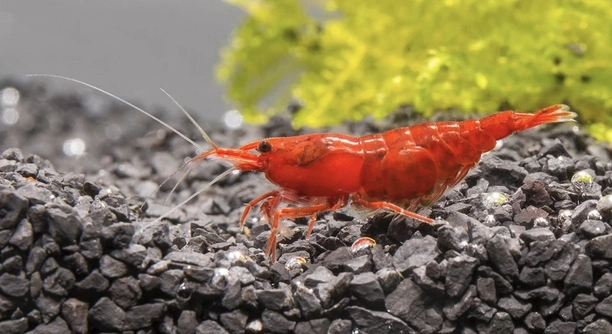
Cherry shrimp are popular in freshwater aquariums due to their vibrant color and peaceful nature. Many beginners find them appealing, but misconceptions about their care often lead to confusion or unintended mistakes in maintaining their environment.
Several common misconceptions about cherry shrimp exist, including their diet, water requirements, breeding habits, and interactions with other tank inhabitants. Clarifying these misunderstandings is essential to promote their health, longevity, and proper aquarium management practices.
Knowing the truth behind these myths helps shrimp keepers provide optimal care and a thriving habitat for their cherry shrimp companions.
Cherry Shrimp Are Fragile and Hard to Keep
Many people assume cherry shrimp are delicate and require extreme care, but they are surprisingly resilient. With stable water parameters, proper feeding, and a clean environment, they can thrive in home aquariums. They are tolerant of minor changes in temperature and water chemistry, making them suitable for beginners. Stress often comes from sudden changes or incompatible tankmates rather than the species itself. Observing their behavior regularly helps identify issues before they become serious.
They can adapt well to community tanks if aggressive fish are avoided.
Cherry shrimp do not need constant attention to survive. A tank with consistent maintenance, including partial water changes and monitoring water quality, provides everything they need. They will graze on biofilm, algae, and supplemental foods. Providing hiding spots with plants or moss allows them to feel secure, especially during molting. Even though they are small, their care is straightforward once their basic needs are met.
Cherry Shrimp Require Special or Expensive Food
Cherry shrimp are not picky eaters. A variety of readily available foods such as algae wafers, blanched vegetables, and commercial shrimp pellets meet their nutritional requirements. Overfeeding should be avoided to maintain water quality, as leftover food can decay quickly.
Feeding them a simple mix of natural and commercial foods keeps them healthy and colorful.
Shrimp graze continuously on biofilm in the aquarium, which forms naturally on surfaces like rocks, plants, and substrate. Supplementing with vegetables like zucchini, spinach, or cucumber ensures they get enough nutrients, especially in new or sparsely populated tanks. Commercial shrimp food provides a balanced diet that supports growth and coloration. Feeding small portions a few times a week is enough. Excessive or specialized food is unnecessary and can harm water quality. Observing their activity during feeding can help gauge if they are receiving adequate nutrition. Over time, shrimp develop preferences, but sticking to basic, nutrient-rich foods keeps them thriving without added complexity or cost.
Cherry Shrimp Need Large Tanks
Cherry shrimp do not require large tanks. A small 5-gallon tank can comfortably house a colony if properly maintained.
Small tanks are easier to manage and maintain stable water parameters. They are ideal for beginners and allow for closer observation of shrimp behavior. A 5-10 gallon setup with plants, moss, and hiding spots provides enough space for shrimp to graze and molt safely. Overcrowding should be avoided, but large tanks are not necessary for healthy colonies. Small tanks can be fully functional ecosystems with minimal effort.
Even in small tanks, maintaining cleanliness is essential. Regular partial water changes, monitoring water parameters, and providing sufficient hiding places help prevent stress. Shrimp thrive when biofilm and algae are available for grazing. Hiding spots reduce aggression and molting risks. Proper filtration and gentle water flow keep the tank environment balanced. Small tanks with carefully managed populations can support breeding, giving shrimpers a continuous, healthy colony without the need for large, complicated setups.
Cherry Shrimp Only Live a Few Months
Cherry shrimp are often thought to have very short lifespans, but they typically live around 1-2 years under good conditions.
Proper care extends their life, allowing for multiple breeding cycles and stable colonies.
Water quality, temperature stability, and diet play key roles in lifespan. Shrimp kept in tanks with fluctuating parameters or poor maintenance may die early. Healthy shrimp are active, colorful, and regularly molt, indicating they are thriving. Maintaining consistent conditions, avoiding aggressive tankmates, and providing sufficient food ensures shrimp reach their full lifespan. Breeding occurs naturally in well-kept tanks, keeping populations steady. Even though they are small, cherry shrimp can live long enough to observe several generations if basic care is followed.
Cherry Shrimp Are Aggressive
Cherry shrimp are peaceful by nature and do not display aggression toward other shrimp or tankmates.
They may retreat when threatened, but they will not attack or bully other species. Their small size and gentle behavior make them suitable for community tanks with non-aggressive fish.
Cherry Shrimp Need Salt
Adding salt is not required for cherry shrimp. They thrive in freshwater with stable conditions.
Salt can be harmful if used excessively, stressing or killing the shrimp. Occasional use to treat illness should be carefully measured and monitored.
Cherry Shrimp Only Eat Algae
While cherry shrimp do consume algae, they also need a balanced diet. Supplemental foods like blanched vegetables, shrimp pellets, and biofilm support growth and coloration. Feeding a variety of foods ensures their nutritional needs are met and prevents malnutrition.
Cherry Shrimp Do Not Breed Easily
With stable water parameters and sufficient hiding spots, cherry shrimp breed readily. Females carry eggs under their tails, and juveniles grow in the same tank, helping populations expand naturally.
FAQ
How often should I feed my cherry shrimp?
Cherry shrimp should be fed small amounts two to three times a week. They primarily graze on biofilm and algae in the tank, so supplemental feeding should be light to avoid leftover food contaminating the water. Vegetables like zucchini or spinach can be offered occasionally.
Can cherry shrimp live with other fish?
Yes, but only with peaceful, small fish that won’t eat or harass them. Avoid large or aggressive species. Shrimp thrive in tanks with slow-moving fish or those that ignore them, allowing shrimp to feed and molt safely.
What is the ideal water temperature for cherry shrimp?
The ideal temperature range is 68–78°F (20–26°C). Temperatures outside this range can stress them, slow growth, or reduce breeding success. Consistency is more important than hitting an exact number, as sudden fluctuations are harmful.
Do I need special lighting for cherry shrimp?
No special lighting is needed, but moderate lighting helps plants and algae grow, which provides natural grazing surfaces. Excessive light can encourage algae overgrowth, so balance is key. Plants also offer hiding spaces, especially during molting.
How do I tell if a cherry shrimp is healthy?
Healthy shrimp are active, brightly colored, and regularly molt. They should graze steadily and not hide excessively. Dull color, lethargy, or missing limbs may indicate stress, poor water quality, or illness, and adjustments should be made immediately.
How often should I change the water?
Partial water changes of 10–20% weekly are sufficient. Overdoing it can stress shrimp, while too little can allow toxins to build. Maintaining stable parameters like pH, ammonia, nitrite, and nitrate levels is critical for their health.
Can cherry shrimp survive in tap water?
Yes, if it is properly conditioned to remove chlorine, chloramines, and heavy metals. Using a water conditioner and testing water parameters ensures a safe environment. Filtered or aged water can also reduce sudden shocks.
Why are my cherry shrimp hiding constantly?
Hiding is normal, especially during molting. However, constant hiding may indicate stress from water parameters, aggressive tankmates, or insufficient hiding spots. Ensuring plenty of plants, moss, and caves helps them feel secure.
Do cherry shrimp need to be fed live food?
No, live food is not necessary. They will eat algae, biofilm, blanched vegetables, and commercial shrimp pellets. Variety helps maintain color and health, but live food is optional and not required for survival.
How fast do cherry shrimp breed?
Under stable conditions, females carry eggs for about 30 days. Eggs hatch into tiny shrimp, which mature in two to three months. Populations can grow quickly in well-maintained tanks with sufficient hiding spaces and consistent water quality.
What should I do if a shrimp dies suddenly?
Check water parameters immediately. Sudden deaths are often caused by poor water quality, temperature swings, or aggressive tankmates. Removing the dead shrimp and observing others for stress signs helps prevent further losses. Maintaining stable conditions is the best prevention.
Are cherry shrimp sensitive to medication?
Yes, many fish medications can harm shrimp. Only use treatments labeled safe for invertebrates. Copper-based medications are particularly dangerous and should be avoided. Always research before adding anything to the tank.
How many shrimp can I keep in a tank?
Stocking depends on tank size. A 5-gallon tank can comfortably hold 10–15 shrimp, while larger tanks can hold proportionally more. Avoid overcrowding, as it can stress shrimp and degrade water quality.
Can I mix different color strains?
Yes, different strains can live together, but interbreeding may reduce the intensity of colors in offspring. Keeping separate strains ensures consistent coloration if that is important for display.
Why are my shrimp turning pale?
Pale shrimp may indicate stress, poor nutrition, or unsuitable water parameters. Checking water quality, improving diet with nutrient-rich foods, and reducing stressors usually restores their color over time.
Is it necessary to remove shrimp babies from the tank?
No, juvenile shrimp can stay in the same tank. Providing plants and hiding spaces helps them survive while adult shrimp continue grazing. Removing them is unnecessary unless population control is needed.
Can cherry shrimp survive in a bare-bottom tank?
Yes, they can, but a planted tank with moss and hiding spots is ideal. Bare-bottom tanks make shrimp feel exposed, increase stress, and reduce breeding success. Adding décor or moss greatly improves their well-being.
Do cherry shrimp require CO2 injection for plants?
CO2 is not required. Low-light plants or moss thrive without CO2, and shrimp benefit from the natural algae growth. CO2 may help plant growth but is unnecessary for the shrimp’s health.
What pH range is best for cherry shrimp?
A pH of 6.5–7.5 is ideal. They tolerate slight variations but sudden shifts can be harmful. Maintaining stability in pH is more important than reaching an exact number.
Can cherry shrimp survive in cold water?
They tolerate temperatures slightly below their ideal range but will slow down and may stop breeding. Prolonged exposure to cold water can stress them and reduce lifespan. Stable temperatures within the recommended range are best.
How do I prevent shrimp from being eaten by fish?
Choose small, peaceful tankmates. Provide plenty of hiding spaces like plants and moss. Avoid aggressive or predatory fish. Shrimp survival increases when they can retreat and hide during vulnerable periods such as molting.
Do cherry shrimp need filters?
Yes, gentle filtration helps maintain water quality. Strong currents should be avoided, as shrimp are small and can be swept around. Sponge filters are ideal because they provide filtration without harming shrimp.
How do I know when shrimp are molting?
Shrimp molt regularly to grow. A molting shrimp may appear pale, inactive, or hiding. Exoskeletons left behind indicate successful molting. Providing calcium-rich food supports healthy exoskeleton development.
Can cherry shrimp live in brackish water?
No, they are strictly freshwater. Even slight salinity can stress or kill them. Maintaining freshwater conditions is essential for survival and reproduction.
Are cherry shrimp prone to diseases?
They are generally hardy but can be affected by poor water quality, parasites, or bacterial infections. Maintaining clean water, stable parameters, and a healthy diet prevents most issues. Early intervention is key to avoiding outbreaks.
How long do cherry shrimp take to mature?
They typically reach sexual maturity in two to three months. Growth rate depends on water conditions, temperature, and diet. Providing optimal care ensures faster maturation and successful breeding cycles.
Can I keep cherry shrimp with snails?
Yes, they coexist peacefully with most freshwater snails. Snails do not harm shrimp and may help clean the tank. Avoid large, aggressive snails that could compete for food or harm young shrimp.
Do cherry shrimp need hiding spots?
Yes, hiding spots are essential for molting and stress reduction. Moss, plants, or small decorations allow them to retreat and feel secure, improving survival and breeding success.
How do I encourage breeding in cherry shrimp?
Stable water parameters, adequate hiding places, and proper nutrition promote breeding. Adult females carrying eggs should remain undisturbed. A healthy, stress-free environment ensures consistent reproduction.
Can I breed cherry shrimp in a community tank?
Yes, as long as tankmates are non-aggressive. Providing plants and moss allows babies to hide and survive, even with other small fish in the tank.
How many generations can I expect from one colony?
With proper care, multiple generations can thrive in the same tank. Regular feeding, stable water parameters, and sufficient hiding spots ensure ongoing reproduction over time.
Are cherry shrimp noisy or disruptive?
No, they are silent and unobtrusive. Their movements are subtle, making them ideal for small or quiet tanks without disturbing other inhabitants.
Do cherry shrimp eat dead fish?
They may nibble on very small amounts of decomposing matter, but they are not scavengers. Relying on them to clean a tank is not appropriate. Remove dead fish promptly to prevent water quality issues.
Can cherry shrimp survive in a new tank immediately?
No, they require a cycled tank with established beneficial bacteria. Introducing them too soon risks ammonia or nitrite spikes, which are toxic. Patience ensures their survival.
Is it necessary to quarantine new shrimp?
Yes, quarantining prevents introducing diseases or parasites to the main tank. A separate tank for observation and acclimation ensures colony health and reduces stress.
Do cherry shrimp like strong currents?
No, strong currents can stress or injure them. Gentle water flow is sufficient for filtration while allowing natural grazing and movement. Sponge filters work best.
Can cherry shrimp survive without plants?
Technically yes, but plants provide food, hiding spots, and biofilm. A planted tank greatly improves survival, health, and breeding success. Bare tanks are less ideal.
How do I acclimate shrimp to a new tank?
Gradually mix tank water with transport water over an hour or more. This reduces shock from sudden changes in temperature, pH, or hardness, helping shrimp adjust safely.
Do cherry shrimp interact with each other?
Yes, they often graze together and exhibit social behaviors. However, they are not aggressive and do not compete intensely for food when well-fed. Observing them provides insight into their natural behavior.
Can I breed different colored shrimp together?
Yes, but offspring may have mixed coloration. Keeping strains separate maintains specific color traits if desired for display purposes.
What should I do if water parameters fluctuate?
Fluctuating water parameters stress shrimp. Immediate partial water changes, parameter testing, and adjustments are necessary. Consistency is essential for survival, health, and breeding success.
Are cherry shrimp affected by tap water chlorine?
Yes, untreated tap water is harmful. Using a water conditioner or letting water sit for 24 hours removes chlorine and chloramines, making it safe for shrimp.
Do cherry shrimp need special substrate?
No special substrate is required, but fine gravel or sand is preferable. It allows grazing and supports plants, improving habitat quality and shrimp activity.
How can I tell the sex of my shrimp?
Females are larger and have a curved underbelly to carry eggs. Males are smaller and more streamlined. Observing these traits helps manage breeding and colony balance.
Can cherry shrimp survive a power outage?
Short outages are usually tolerable if the tank is mature and well-maintained. Long outages may affect oxygen levels and water quality, so minimal disruption is important.
Are cherry shrimp affected by sudden lighting changes?
Yes, abrupt changes can stress them. Gradual light transitions are better, allowing shrimp to adjust and reduce hiding or erratic behavior.
Do cherry shrimp need supplements?
Not generally. Providing a balanced diet with vegetables and commercial shrimp food meets nutritional needs. Occasional calcium-rich foods help exoskeleton development.
Can cherry shrimp eat fish flakes?
Yes, but flakes should be limited. Overfeeding can pollute water, and flakes alone do not provide complete nutrition. Combine with vegetables and biofilm grazing.
How do I prevent mold on uneaten food?
Remove leftover food after a few hours. Feeding small portions prevents decay. Moldy food can harm shrimp and water quality.
Do cherry shrimp change color over time?
Yes, color intensity depends on diet, genetics, and water quality. Healthy shrimp with proper nutrition maintain vibrant colors, while stress can cause fading.
Can I keep cherry shrimp in a heated tank?
Yes, but avoid temperatures above 78°F (26°C). Moderate heating can improve breeding, but excessive heat stresses shrimp and shortens lifespan.
Are cherry shrimp good for beginners?
Yes, with stable water parameters, a proper diet, and careful tankmates, they are suitable for beginner aquarists and small tanks.
Do cherry shrimp recognize their keepers?
They respond to movement and food, but recognition is limited. Observing behavior can show comfort and familiarity with their environment.
Can cherry shrimp survive without filtration?
They can survive briefly, but filtration maintains water quality and prevents toxic buildup. Sponge filters are ideal for gentle, safe circulation.
Do cherry shrimp need daily care?
No, weekly feeding and water maintenance are sufficient. Consistency is more important than daily attention. Overhandling can stress them.
Can cherry shrimp be kept in a nano tank?
Yes, nano tanks are suitable if water quality is maintained, hiding spots are provided, and overcrowding is avoided.
Do cherry shrimp carry diseases to fish?
No, they are generally safe to keep with fish. Introducing new shrimp should still follow quarantine procedures to prevent pathogens.
How can I tell if eggs are healthy?
Healthy eggs are green or yellowish and firm. Black or discolored eggs indicate problems. Females carrying eggs should be left undisturbed.
Do cherry shrimp need water testing kits?
Yes, testing ammonia, nitrite, nitrate, and pH ensures safe conditions. Monitoring water quality prevents stress and mortality.
Can cherry shrimp survive in community tanks long-term?
Yes, if tankmates are peaceful, food is sufficient, and hiding spots are available. Long-term survival depends on stable conditions.
What happens if a female loses her eggs?
Stress or poor conditions can cause egg loss. Ensuring hiding spots, proper nutrition, and stable water helps prevent this.
Do cherry shrimp eat dead plants?
They may nibble on decaying plant matter, but it is not their primary food. Healthy plants provide grazing surfaces and shelter.
Can cherry shrimp survive in low-light tanks?
Yes, they do not require strong light. Low-light tanks with moss or slow-growing plants support grazing and hiding without stress.
Are cherry shrimp affected by pH swings?
Yes, sudden pH changes are harmful. Stable pH within 6.5–7.5 is important for health, molting, and breeding.
Do cherry shrimp require special minerals?
No special minerals are required if the water is naturally balanced or supplemented with a standard shrimp food. Calcium aids exoskeleton development.
Can cherry shrimp coexist with ghost shrimp?
Yes, they are compatible. Both species are peaceful and share similar care requirements, allowing mixed colonies in the same tank.
How long should I acclimate new shrimp?
A slow acclimation over one to two hours is ideal. Gradually mixing tank water with transport water reduces stress and improves survival.
Do cherry shrimp respond to feeding signals?
Yes, they become active when food is added. This is natural behavior and shows they are alert and healthy.
Can cherry shrimp survive in slightly acidic water?
Yes, they tolerate slightly acidic water as long as pH remains stable. Rapid swings or extreme acidity can be harmful.
Do cherry shrimp need plants for breeding?
Plants provide hiding spots for juveniles, improving survival rates. While not strictly required, plants encourage successful reproduction and population growth.
Can cherry shrimp be moved between tanks safely?
Yes, with careful acclimation. Gradually mixing water ensures they adjust to temperature, pH, and hardness differences, reducing stress and mortality.
Do cherry shrimp eat leftover fish food?
Yes, they may nibble on flakes or pellets, but excessive leftover food should be avoided to maintain water quality.
How do I prevent shrimp from escaping the tank?
Ensure a secure lid and minimal gaps. Shrimp can crawl but will not jump far. Hiding gaps in the aquarium prevents accidental escapes.
Are cherry shrimp affected by water hardness?
They tolerate a moderate range of hardness. Extremely soft or hard water can affect molting and breeding. Maintaining moderate, stable conditions supports healthy shrimp.
Can cherry shrimp survive in a tank with fluctuating temperatures?
They may survive short fluctuations but prolonged instability causes stress, illness, and reduced breeding. Stable temperatures are essential.
Do cherry shrimp need to be isolated when molting?
No, isolation is unnecessary if hiding spots are provided. They molt safely among plants or decorations, avoiding stress from tankmates.
Can cherry shrimp live without a filter if the tank is heavily planted?
Yes, plants help maintain water quality, but a gentle filter is still recommended to prevent toxic buildup and ensure stable conditions.
Do cherry shrimp interact with plants?
Yes, they graze on biofilm and algae growing on plants. Plants also provide shelter and help maintain water quality.
Can cherry shrimp tolerate occasional temperature spikes?
Short spikes may be tolerated, but repeated exposure causes stress. Gradual changes are safer. Consistent temperatures ensure health and breeding success.
Are cherry shrimp sensitive to chemicals in water?
Yes, chlorine, chloramines, and heavy metals are harmful. Water must be conditioned before introducing shrimp. Household chemicals can also be dangerous.
Do cherry shrimp recognize feeding routines?
They respond to the presence of food and activity in the tank. Over time, they anticipate feeding periods and become more active.
Can cherry shrimp survive in tanks with fluctuating pH?
Prolonged fluctuations are harmful. Stability within the recommended pH range is more important than exact numbers. Monitoring prevents stress.
Do cherry shrimp require filtration in a bare-bottom tank?
Yes, even bare-bottom tanks need gentle filtration to maintain water quality and prevent waste buildup. Sponge filters are preferred.
Can cherry shrimp live in tanks without hiding spots?
Yes, but they are more vulnerable during molting. Plants, moss, or décor improve survival and reduce stress significantly.
How do I safely introduce new shrimp to an established colony?
Acclimate them slowly in a separate container, then release them gradually. Ensure water parameters match and monitor for stress or aggression.
Do cherry shrimp produce waste that affects water quality?
Yes, even small shrimp produce waste. Regular partial water changes, filtration, and avoiding overfeeding maintain safe water conditions.
Can cherry shrimp survive with fluctuating nitrate levels?
High or fluctuating nitrates cause stress and may reduce lifespan. Regular water changes and monitoring are necessary to keep levels safe.
Do cherry shrimp need a heater in temperate climates?
Not always, but maintaining stable temperatures prevents stress. Slight heating can help with breeding, but excessive warmth should be avoided.
How do I prevent stress in cherry shrimp?
Maintain stable water parameters, provide hiding spots, avoid aggressive tankmates, and feed appropriate food. Minimizing sudden changes ensures a calm environment.
Can cherry shrimp survive in tanks with fluctuating hardness?
Moderate fluctuations are tolerated, but extreme changes in GH or KH affect molting and health. Stability is key.
Do cherry shrimp eat leftover vegetables?
Yes, they graze on blanched vegetables like zucchini or spinach. Remove uneaten portions to prevent water quality issues.
Can cherry shrimp survive in a tank without algae?
Yes, but biofilm and
Cherry shrimp are small, colorful, and surprisingly resilient creatures that can thrive in a variety of freshwater aquarium setups. They are often misunderstood due to common misconceptions about their care, feeding, and breeding. Many beginners assume they are fragile, aggressive, or require complicated diets, but these assumptions are rarely accurate. With stable water parameters, proper feeding, and regular maintenance, cherry shrimp are straightforward to care for and can bring life and activity to a tank. Observing their behavior closely allows you to notice changes in health or activity, helping prevent potential problems before they escalate. Even though they are tiny, cherry shrimp are an engaging addition to any aquarium, offering a balance of beauty and ease of care.
Providing a suitable environment is essential for their well-being. A small or medium tank, ranging from 5 to 10 gallons, is sufficient if properly maintained. They need hiding spots such as moss, plants, or small decorations, especially during molting periods when they are vulnerable. Feeding them a balanced diet that includes algae, biofilm, blanched vegetables, and commercial shrimp food ensures they receive adequate nutrition without overcomplicating their care. Water quality is critical; regular partial water changes and monitoring parameters like pH, ammonia, nitrite, and nitrate help maintain a stable environment. Avoiding aggressive tankmates and providing gentle filtration further supports their health and reduces stress. These basic steps create a thriving habitat that allows cherry shrimp to grow, breed, and display their vibrant colors.
Understanding the truth behind common myths improves your ability to maintain a healthy shrimp colony. Cherry shrimp do not require special food, large tanks, or constant attention to survive. They breed readily in stable conditions, interact peacefully with other shrimp, and adapt well to community setups with non-aggressive fish. Recognizing signs of stress, illness, or poor water quality allows for prompt corrective actions, improving their longevity and overall well-being. With consistent care, these shrimp can live up to two years, providing multiple generations for observation and enjoyment. By following simple care practices and avoiding misinformation, cherry shrimp can flourish, offering a rewarding and low-maintenance experience in freshwater aquariums.

Hello,
If you enjoy the content that we create, please consider saying a "Thank You!" by leaving a tip.
Every little bit helps us continue crafting quality advice that supports the health, happiness, and well-being of pets around the world, for pets of all shapes, sizes, and species.
We really appreciate the kindness and support that you show us!