
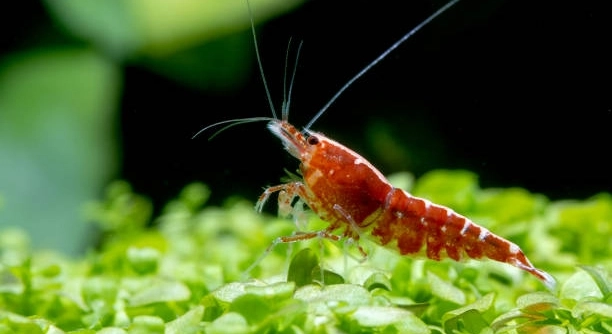
Have you ever watched your cherry shrimp exploring their tank and wondered how they respond to the water around them, noticing small shifts in their behavior as they move through their freshwater world each day.
Cherry shrimp sense water quality through specialized chemoreceptors and mechanoreceptors that detect changes in parameters like ammonia, nitrite, pH, and dissolved oxygen. These physiological responses influence their behavior, activity levels, and health, making stable water conditions essential for their wellbeing.
Learning how these tiny creatures react to shifting conditions helps you support a healthier tank and a balanced aquatic environment.
How Cherry Shrimp React to Water Changes
Cherry shrimp react to water changes in subtle but meaningful ways, and paying attention to these signs helps keep them comfortable. When parameters shift, they may swim quickly across the tank, pause more often on plants, or hide in shaded spaces. These reactions are their way of coping with conditions that feel different from what they are used to. Slight increases in ammonia or drops in oxygen often make them less active, while stable water encourages bright colors and steady movement. I have noticed that when something is off in the tank, they appear uneasy even before tests confirm a problem. Their antennae move faster, and they graze less, giving a reminder to check the filter, substrate, or feeding habits. Understanding these signals allows you to respond early and keep their environment as stable as possible. Your shrimp depend on consistency, and these cues reveal what they experience each day.
These behaviors give you a simple way to understand their comfort level, helping you respond before issues grow. By noticing shifts in activity, color, or grazing patterns, you can manage the tank more confidently and keep your shrimp stable without relying only on testing supplies each while keeping them supported.
Shrimp use their senses to detect subtle water shifts, and understanding these instincts makes it easier to keep their environment balanced. When parameters change, their movements, posture, and feeding habits provide clues that guide you toward the right adjustments. A slight slowdown in activity may suggest rising ammonia, while a burst of frantic swimming often reflects sudden changes in temperature or oxygen. By watching these reactions, you can catch problems early and support a stable tank. Their responses may seem gentle, but they reflect the quality of the water they rely on daily in their small aquatic space each day.
Maintaining Ideal Conditions for Cherry Shrimp
Keeping cherry shrimp healthy depends on consistent care that supports stable parameters, clean water, and gentle filtration. Monitoring temperature, ammonia, nitrite, nitrate, and oxygen keeps conditions steady and helps them stay active, colorful, and comfortable in their tank without sudden stress from uneven changes that may affect their daily behavior.
Maintaining ideal conditions for cherry shrimp starts with consistency, since even minor fluctuations can influence their comfort. Regular testing helps you track ammonia, nitrite, nitrate, pH, and hardness so you can act before problems grow. Clean filters prevent debris from overwhelming the tank, and gentle flow allows the shrimp to move easily without stress. Water changes should be steady and moderate, avoiding large shifts that shock their system. I find it helpful to change smaller amounts more frequently, which keeps everything balanced without disrupting their routine. Overfeeding often affects water quality quickly, so giving only what they can finish in a few minutes keeps waste low. Stable temperature also matters, since quick jumps can lead to frantic swimming or hiding. Plants, moss, and biofilm offer natural grazing spots that help them stay active and provide extra support when the tank feels slightly different than usual. Clear observation is important, because shrimp often reveal when something is off long before it becomes severe. Maintaining a calm environment with stable lighting, predictable care, and clean substrate encourages bright colors and steady activity. By focusing on small daily habits, you create a tank that stays healthy and safe for your shrimp each day.
Common Signs of Stress in Cherry Shrimp
Cherry shrimp show clear signs when water conditions start affecting them, and noticing these signals helps you react early. You may see changes in movement, color, or grazing patterns, each reflecting how comfortable they feel. Small shifts often reveal developing issues before test results confirm anything significant for your shrimp.
When water quality declines, cherry shrimp often reduce their grazing and spend more time staying still on plants or decorations. Their colors may look slightly dull, which signals they are conserving energy to cope with stressful conditions. You might also notice them gathering near the filter outflow, searching for higher oxygen levels. Rapid swimming across the tank can indicate sudden changes in temperature or increased waste in the water. These behaviors are consistent indicators that something needs attention. By watching these shifts closely, you can correct problems early and keep their environment stable and safe for daily activity each day.
Some shrimp react more intensely to water changes, especially younger or recently molted individuals. They may hide under leaves, remain near the substrate, or stop grazing altogether. These reactions show they are trying to protect themselves from conditions that feel unfamiliar or stressful. A slight rise in ammonia or nitrite often triggers these behaviors quickly. Even minor imbalances in pH or hardness can affect their comfort. Paying attention to these details helps you respond with timely adjustments that prevent bigger issues. Careful observation builds confidence and keeps your shrimp supported whenever their environment shifts unexpectedly in subtle ways for them.
Factors That Influence Sensory Responses
Several factors influence how cherry shrimp sense and respond to changes in water quality, and these elements shape their behavior every day. Temperature, oxygen levels, and dissolved waste are the most common triggers for stress reactions. Even small fluctuations can affect their comfort. Stable conditions help them stay active and maintain their natural grazing habits without sudden disruptions that make them uneasy. These influences guide their responses and reveal what they experience within their tank.
Environmental factors play a direct role in shaping how cherry shrimp react, and understanding these details makes care easier. Temperature swings often trigger immediate movement changes, pushing them to search for a more comfortable area within the tank. Oxygen levels also influence their behavior, since low oxygen encourages them to gather near the filter or water surface. Waste buildup affects them quickly, and even slight increases can slow their grazing or cause color dullness. pH and hardness shifts may create subtle discomfort that appears as slower movement or increased hiding. I find that watching these reactions closely helps detect problems earlier than testing alone. Their instincts reveal valuable information about the condition of the tank, giving you reminders to adjust care habits before issues grow.
How Shrimp Use Their Senses
Cherry shrimp rely on chemoreceptors and mechanoreceptors to detect changes in their surroundings. These senses help them notice shifts in ammonia, nitrite, temperature, and movement in the water. Their reactions guide you toward understanding what conditions feel right and which ones may be affecting their comfort.
Their antennae play a major role, allowing them to sense dissolved substances and subtle vibrations. When something changes, they adjust their movement, feeding patterns, or hiding behavior. Paying attention to these responses gives you a clearer picture of how they interpret their environment and what they need to stay comfortable each day.
Subtle Behaviors That Reveal Water Quality
Cherry shrimp express themselves through small, consistent behaviors that change when something feels off. Slow grazing often signals rising waste levels, while sudden bursts of movement can reflect temperature shifts. Hiding more than usual may point to low oxygen. Watching these subtle patterns helps you understand their comfort quickly and accurately. Their behavior often changes before water tests show anything unusual, and noticing these details makes caring for them feel more natural. Observing their movements, colors, and feeding habits helps you respond with steady adjustments that protect their well being and keep the tank balanced.
The Importance of Early Observation
Noticing these details early gives you a simple way to protect their health and prevent issues from becoming more difficult to manage. Early observation supports stable care and lets you fix small problems before they affect your shrimp.
FAQ
How do I know if my cherry shrimp are stressed?
Stress in cherry shrimp shows through changes in behavior and appearance. Common signs include slower or erratic movement, hiding more often, duller coloration, and reduced grazing. Some shrimp may hover near the filter or swim frantically when water conditions shift suddenly. Observing these behaviors daily helps you detect stress before it becomes harmful, letting you adjust water parameters, temperature, or feeding routines promptly to maintain a healthy environment. I often notice small shifts in their behavior before testing shows any problem, making observation a simple yet effective tool.
Can cherry shrimp sense ammonia or nitrite levels?
Yes, cherry shrimp can detect harmful substances like ammonia and nitrite through chemoreceptors. Elevated levels often trigger hiding, decreased activity, or erratic swimming. These responses are instinctive ways to protect themselves from poor water quality. Regular testing combined with observing behavior ensures early detection and allows you to act before serious health issues occur. In my experience, they react to even slight increases, showing how sensitive they are to changes in their environment and reinforcing the need for stable, clean water.
Do cherry shrimp react to temperature changes?
Cherry shrimp are sensitive to temperature fluctuations. Sudden drops or rises can cause frantic swimming, hiding, or slower movements. Gradual changes allow them to adjust more easily, but rapid shifts stress them quickly. Maintaining a consistent temperature helps keep them active, colorful, and feeding normally. I find that using a small, reliable heater or keeping the tank in a temperature-stable area reduces stress and prevents unexpected reactions from these tiny creatures.
How important is oxygen for cherry shrimp?
Oxygen levels directly affect shrimp activity. Low oxygen can make them gather near water surface or filter outflows, slow down, or hide. Proper filtration, occasional surface agitation, and live plants help maintain oxygenation. Observing where they spend most of their time is a simple way to monitor oxygen levels. I notice when they cluster near high-flow areas, it often signals the need for better aeration, and adjusting it keeps them comfortable and feeding consistently.
Do cherry shrimp respond to water hardness and pH?
Yes, water hardness and pH influence their comfort and behavior. Sudden shifts can lead to hiding, slower movement, or reduced grazing. Maintaining stable pH and moderate hardness supports their exoskeleton development and overall wellbeing. I usually test weekly and adjust gradually when needed, because abrupt changes can upset them quickly. Watching their behavior alongside tests provides a clear picture of how these parameters affect daily life in the tank.
Can diet affect how they sense water quality?
Diet indirectly affects their response to water quality. Uneaten food can decompose, raising ammonia and nitrite levels, which triggers stress behaviors. Feeding the right amount ensures minimal waste and stable conditions. I notice that shrimp remain active and colorful when their diet is balanced and the tank stays clean, making feeding habits just as important as monitoring water quality.
How quickly do cherry shrimp react to changes?
Cherry shrimp respond almost immediately to sudden changes in temperature, oxygen, or waste levels. Small shifts in behavior often precede visible signs of poor water quality in tests. Watching their activity patterns, grazing, and color provides an early warning system. I rely on daily observation, as shrimp instinctively respond before conditions worsen, helping me take corrective action in time.
Are some cherry shrimp more sensitive than others?
Yes, younger shrimp, recently molted individuals, or weaker shrimp often react more strongly to water changes. They may hide, stop feeding, or swim erratically, while healthy adults adjust more easily. Observing individual responses helps manage care for all shrimp in the tank, ensuring no one experiences prolonged stress. I often pay extra attention to molting shrimp, adjusting feeding and water changes carefully to support their recovery.
Can behavior indicate long-term water problems?
Yes, repeated patterns of hiding, slow movement, or color dullness often indicate persistent water issues. Even if parameters seem acceptable during testing, behavioral cues can reveal gradual stress. Monitoring these signs helps maintain long-term health and stability. I track trends over weeks, noticing subtle changes that point to underlying problems before they affect survival.
Is observation more important than frequent testing?
Both are important, but observing shrimp behavior adds context that testing alone can’t provide. Tests give numbers, but shrimp show how those numbers affect them in real time. Combining observation with routine testing ensures a balanced approach. I find daily attention to movement, grazing, and hiding patterns is the most practical way to keep the tank stable.
Cherry shrimp are small creatures, but they are remarkably sensitive to their environment. Their behaviors often reflect subtle changes in water quality, temperature, oxygen, and other conditions. By observing how they move, feed, and interact with their tank, you can understand a lot about their comfort and wellbeing. Signs like hiding, slower grazing, or sudden bursts of activity indicate shifts in their surroundings that need attention. Even minor changes in water parameters can influence their behavior, so paying close attention each day helps maintain a stable environment. Over time, you begin to notice patterns and can anticipate problems before they escalate. I have found that spending a few minutes daily watching them can be more informative than tests alone, as their instincts reveal what numbers on a test strip might miss. They communicate discomfort quietly, and noticing these signs allows you to act quickly to maintain a healthy, balanced tank for them.
Maintaining stable water conditions is essential for supporting cherry shrimp health and activity. Factors such as ammonia, nitrite, pH, water hardness, and temperature directly affect their behavior and coloration. Gentle filtration and regular water changes help minimize waste buildup, while careful feeding prevents excess food from disrupting water quality. Live plants, moss, and other natural structures provide grazing opportunities and shelter, which support both their physical and behavioral needs. Observing how they respond to these adjustments offers insights into what works best for your tank. I have learned that even slight improvements in water stability, like consistent temperature or steady oxygen levels, can encourage brighter colors and more active behavior. Creating a tank environment that is predictable, clean, and supportive allows cherry shrimp to thrive and reduces the risk of stress-related problems. These small adjustments collectively create a healthier and more comfortable space for them to live and grow.
Paying attention to their responses and maintaining proper care helps ensure long-term wellbeing. Cherry shrimp react quickly to changes, and being aware of their subtle cues is a practical way to manage the tank. Each shrimp may respond slightly differently depending on age, molting stage, or individual sensitivity, so observation should focus on both general trends and individual behavior. Consistent testing, combined with careful observation, forms the foundation of effective shrimp care. This approach allows you to make informed adjustments to feeding, filtration, and water changes that support a stable environment. By integrating careful observation with proper tank maintenance, you can create a balanced aquatic habitat where cherry shrimp remain healthy, active, and colorful. Over time, attentive care builds confidence in managing their needs and helps you respond before small problems turn into larger issues, ensuring the tank remains a safe and thriving home for them.

Hello,
If you enjoy the content that we create, please consider saying a "Thank You!" by leaving a tip.
Every little bit helps us continue crafting quality advice that supports the health, happiness, and well-being of pets around the world, for pets of all shapes, sizes, and species.
We really appreciate the kindness and support that you show us!