
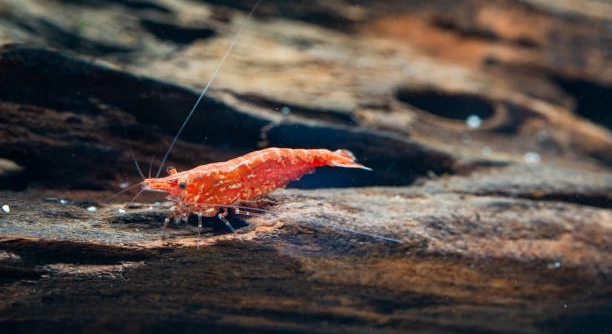
Many shrimp keepers notice their cherry shrimp holding position in the water for long periods, creating a calm and steady presence in the tank, forming a gentle behavior pattern that draws attention and invites observation.
Cherry shrimp hover in one spot due to steady grazing behavior, controlled water flow, and a need to conserve energy while accessing biofilm. This stationary posture reflects normal ecological patterns influenced by tank conditions, and the shrimp’s natural foraging instincts.
Understanding this calm hovering habit reveals subtle patterns in shrimp behavior that can guide you toward maintaining a healthier aquarium.
Common Reasons for Hovering
Cherry shrimp often stay suspended in one spot because their tiny bodies respond quickly to subtle shifts in the tank. I have noticed how they pause when grazing areas are rich, letting them feed without drifting away. This calm behavior also shows when the water flow is steady, giving them a comfortable place to hold position. They rely on biofilm as a steady food source, so hovering helps them reach it with little effort. When the environment feels secure, their bodies relax and conserve energy. This habit becomes more noticeable in tanks with stable parameters, where shrimp feel less pressure to move constantly. By paying attention to these small moments, you can better understand their natural rhythm. Each still pause offers clues about how they interact with their surroundings and what they might need. Their behavior becomes easier to read once you notice the simple patterns behind their hovering daily.
Their hovering becomes clearer when you notice how they balance feeding, flow, and comfort in the tank. It reflects their need for calm spaces that support easy grazing. This small behavior shows how they adapt to their environment while maintaining a steady rhythm that keeps them feeling secure each day.
Understanding why cherry shrimp hover in place helps you notice patterns that support their comfort. You may see this behavior increase when the tank is stable and food sources are consistent. They respond to gentle flow, steady parameters, and predictable environments that allow them to relax. Once you observe these elements closely, you can make small adjustments that keep them thriving. This gentle hovering becomes a sign of balance, showing that they feel secure enough to stay still without stress. By recognizing these details, you create a space that supports natural behavior and encourages calm activity that reflects well being.
Environmental Factors to Consider
Cherry shrimp react strongly to small environmental shifts, so their hovering often increases when conditions stay stable. Consistent temperature, clean water, and gentle circulation help them feel secure enough to remain still. This behavior often appears more clearly when all elements support their comfort in a well maintained tank daily.
Environmental conditions strongly influence how often cherry shrimp choose to hover, and understanding these factors helps you maintain a comfortable habitat. A stable temperature prevents sudden shifts that could make them move more than usual. Clean water supports their delicate systems, giving them the confidence to stay still without stress building up. A gentle flow pattern keeps them from being pushed around, allowing them to hold position easily while feeding on biofilm. Shrimp also respond to steady lighting, which helps them maintain natural rhythms throughout the day. When all these elements come together, the shrimp show calmer behavior that reflects their comfort within the tank. I have seen how quickly they react when something feels off, and their stillness becomes a small signal that everything is aligned properly. Maintaining this balance takes simple, consistent care that focuses on stability above all else. Paying attention to these details helps you recognize early signs of discomfort, letting you adjust conditions before problems grow. Small changes like improving filtration, reducing debris, or adjusting flow can guide them back to a calmer state. Over time, these habits create a steady environment that supports healthy behavior and keeps the shrimp relaxed in your tank daily.
Behavioral Cues to Watch
Cherry shrimp reveal a lot through tiny patterns in how they move. Their hovering often reflects calm feeding, mild rest, or simple comfort in the tank. I’ve seen how they shift slightly while staying in place, showing small signals that help you understand their daily needs with ease.
Cherry shrimp often adjust their posture when they hover, making subtle movements that show how they interact with the tank. Their antennae sweep gently as they sense nearby food, helping them stay aware without drifting away. When they remain still for longer periods, it usually means they feel secure. You may notice them inching forward slowly while grazing, staying close to surfaces coated with biofilm. Their behavior becomes clearer when you observe how steady and predictable these motions are. These small cues help you recognize what makes them comfortable and how they respond to slight changes.
Some shrimp hover more when they want to rest while still staying alert to their environment. This light stillness is common in stable tanks where food is abundant and water conditions feel consistent. They sometimes shift their legs gently, keeping their bodies balanced as they remain suspended. These little movements show how they conserve energy while staying ready to move if needed. I’ve seen how they settle into a favorite spot, letting the flow support them comfortably. By paying attention to these delicate cues, you can understand their habits better and adjust the tank to support their natural behavior.
When Hovering Signals a Problem
Cherry shrimp may hover more frequently when they respond to mild stress, and it becomes noticeable when conditions stray from their comfort zone. Their stillness can increase when food becomes limited or water parameters shift, leading them to pause more often as they assess their surroundings for safety and balance.
Stress related hovering sometimes appears when shrimp experience sudden changes in temperature or water quality. They may hold position for longer as they try to adjust, using stillness to conserve energy. If debris builds up or oxygen levels drop, their hovering may become sluggish rather than relaxed. I’ve noticed how they cling more tightly to surfaces when they feel uneasy, reflecting their need for support in unstable conditions. Observing these behaviors helps you take action quickly, encouraging healthier movement by restoring balance. Adjusting filtration, improving aeration, or performing small water changes can help them return to their normal patterns. Steady maintenance creates a comfortable environment that reduces stress and supports healthier activity.
How Tank Layout Influences Hovering
Cherry shrimp often hover longer in tanks with stable surfaces and gentle flow patterns. They settle near plants, moss, or textured decorations that collect biofilm, giving them comfortable spots to stay still without drifting. I’ve seen them pick favorite areas based on safety and steady food access.
Open spaces with stronger currents can lead to more hovering as the shrimp try to find balance. When the layout limits hiding spots or feeding surfaces, they pause more often while adjusting to the flow. Simple changes in placement can help them feel more secure and active.
Feeding Habits That Affect Stillness
Cherry shrimp hover more frequently when food is scattered lightly across the tank. They stay suspended as they graze tiny particles, moving slowly to conserve energy. When biofilm is abundant, they remain in one spot longer because they do not need to search far for steady nourishment. I’ve noticed that consistent feeding encourages calm, predictable movement that reflects comfort. Overfeeding, however, can make them sluggish, reducing activity and leading them to rest in the same place. Balanced portions help them stay active while still showing natural, gentle hovering behavior throughout the day.
When Hovering Becomes Normal
Cherry shrimp often hover calmly when the tank is stable and their needs are met. This steady stillness becomes part of their natural behavior, reflecting comfort, safety, and reliable feeding surfaces. Observing this calm posture helps you understand their rhythm and maintain a balanced environment.
FAQ
Why do my cherry shrimp hover in one spot for long periods?
Cherry shrimp hover because it helps them feed, rest, and stay balanced in gentle flow. I often see them pause when they find rich biofilm or comfortable surfaces. This stillness is normal and usually reflects calm behavior rather than stress. They use these quiet moments to conserve energy. When the tank is stable and the water movement is smooth, their hovering becomes even more common. It can look unusual at first, but it often shows that they feel secure. As long as they move around at other times, this behavior fits their natural rhythm.
Is hovering a sign of stress in cherry shrimp?
Hovering can mean stress if it comes with other changes like rapid molting, hiding for long periods, or reduced feeding. I always watch for signs like dull color or frantic swimming. If these appear along with hovering, something might be off. Shifts in temperature, ammonia, or oxygen can push them to stay still more than usual. They may pause longer as they try to cope with the discomfort. When you correct the issue, their movement usually returns to normal. Stable conditions help prevent stress related stillness.
Do cherry shrimp hover because of water flow?
Yes, water flow plays a big part in how long they stay in one place. Cherry shrimp often use gentle current to support their bodies while grazing. When the flow is too strong, they hold position longer as they try to stabilize themselves. I always aim for a soft, even flow because it keeps them comfortable. A strong current can make them work harder, leading to more hovering and less active exploring. Adjusting the filter output or adding plants can help create balanced flow that supports healthier movement.
Does hovering mean there is not enough food in the tank?
Hovering can happen when food is low, especially biofilm. If shrimp stay in one spot and pick lightly for long periods, they may be searching for more. I’ve noticed this when the tank is too clean or new. Adding natural surfaces like moss, driftwood, or leaf litter helps build steady biofilm. Light supplemental feeding also keeps them from lingering due to hunger. When food becomes more available, their movement patterns often shift and they explore more freely.
Do shrimp hover more during molting cycles?
Shrimp often rest or hover when they prepare to molt. Their bodies feel more vulnerable, so they stay still to save energy. I see this quiet behavior most often right before they shed. It becomes clearer when they stay near safe, covered areas. After molting, they may hover while their shell hardens. This phase is normal and part of their growth. Providing calm spaces with plants or small hides helps them get through it comfortably.
Can tank layout increase hovering behavior?
Yes, layout matters more than many people realize. Shrimp hover more near plants, rocks, and textured decorations because these areas gather biofilm. I’ve seen them choose the same spots daily when the layout supports easy feeding. Tanks with open space and stronger currents often make them hover as they try to find a stable place. Adjusting the layout by adding more surfaces or soft flow zones reduces unnecessary stillness and encourages healthier exploring.
When should I worry about excessive hovering?
You should worry when hovering becomes paired with loss of color, reduced appetite, surface swimming, or hiding all day. These signs show discomfort rather than calm behavior. I always check parameters first, since small shifts can affect shrimp quickly. Steady water changes, simple layout adjustments, and consistent feeding often fix the issue. If behavior does not improve, more specific adjustments may be needed. Monitoring them closely helps you act before problems escalate.
Why do some shrimp hover while others stay active?
Each shrimp responds differently based on age, feeding needs, and comfort. Younger shrimp often move more, while adults spend more time hovering and grazing. I notice individual patterns in every group. As long as they all show healthy colors, regular feeding, and normal interactions, the differences are nothing to worry about. Their hovering simply reflects natural variation in their behavior.
Final Thoughts
Cherry shrimp create a gentle rhythm in the tank that becomes easy to appreciate once you understand the meaning behind their stillness. Their hovering is not random, and watching it closely gives you a clearer view of their comfort, habits, and needs. I have learned over time that these tiny pauses help explain whether the tank feels balanced or slightly off. When they stay in one place with relaxed movements, it often signals that the flow is steady, the feeding surfaces are rich, and the environment feels safe. This kind of natural stillness becomes part of their daily pattern, showing how well they adapt when conditions support them. By paying attention to these small details, you gain a better understanding of what helps them thrive, and you can make thoughtful adjustments that keep their surroundings stable. Their behavior invites you to slow down and observe the soft signals they share through simple movements.
Caring for cherry shrimp becomes easier when you know how to interpret their hovering along with other behaviors. Each still moment can reveal whether they are grazing calmly, resting lightly, or responding to something in the tank. I often find that their hovering becomes more noticeable in tanks with gentle flow, healthy plants, and a well established layer of biofilm. These elements create a space where they feel at ease, allowing them to pause without stress. At the same time, hovering can also help you notice when something needs attention, especially if the behavior increases suddenly or changes in quality. Sluggish hovering, stiff posture, or very frequent stillness can point to issues with water quality or limited food. Understanding the difference between calm behavior and concerning behavior helps you support them with confidence. Small adjustments, paired with steady maintenance, keep the environment predictable and dependable, which is exactly what cherry shrimp rely on.
As you continue to care for them, their hovering becomes just one part of a larger picture that makes shrimp keeping feel rewarding. Their quiet presence adds a sense of peace to the tank, and learning their patterns helps you feel more connected to their needs. I find that observing them closely creates a natural routine, reminding me to keep conditions gentle, clean, and stable. Each small behavior they display becomes a helpful guide, showing how well they respond to the care you give. When you understand why they hover, you also understand how to keep them comfortable, active, and healthy. Their stillness, paired with their soft grazing and subtle movements, becomes a clear sign of balance, allowing you to enjoy their calm nature while supporting their wellbeing with confidence.

Hello,
If you enjoy the content that we create, please consider saying a "Thank You!" by leaving a tip.
Every little bit helps us continue crafting quality advice that supports the health, happiness, and well-being of pets around the world, for pets of all shapes, sizes, and species.
We really appreciate the kindness and support that you show us!