
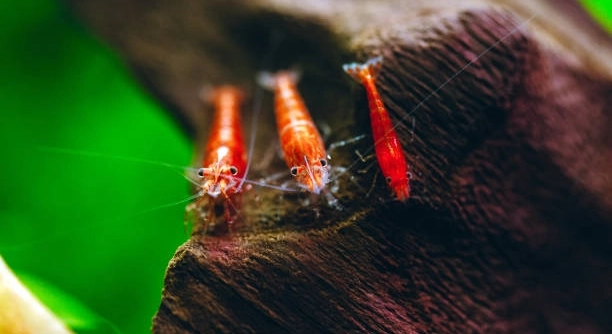
Keeping shrimp in your tank can sometimes feel like a full-time job. They are active little creatures that love to explore every corner, often slipping through small gaps or climbing out when you least expect it.
The most effective way to prevent shrimp from escaping is by ensuring secure tank covers and monitoring water parameters. Proper habitat setup, hiding spots, and attentive care reduce stress, minimize escape attempts, and support shrimp health consistently.
Understanding simple containment strategies will help maintain a safe environment for your shrimp. Implementing practical tips ensures your tank remains a secure and thriving space for these tiny creatures.
Secure the Tank Lid
A tight-fitting tank lid is the first step in keeping shrimp from escaping. Many shrimp are surprisingly strong and curious, often finding ways to squeeze through small gaps. Choosing a lid that fits snugly without leaving any openings is essential. Mesh lids can work, but the holes must be small enough to prevent tiny shrimp from slipping through. Some aquarists use foam or plastic inserts to seal any remaining gaps. Avoid heavy lids that could damage plants or decorations when lifted. Ensuring proper ventilation is also key so your shrimp have enough oxygen. Regularly check the lid for warping or misalignment, especially after cleaning or moving the tank. This simple step reduces escape attempts and creates a secure environment. Proper lids also help maintain humidity levels and water temperature, which keeps shrimp comfortable. Remember, a secure lid is not just for keeping shrimp in—it also prevents other pets from interfering with the tank.
Even a tiny opening can allow shrimp to escape unnoticed. Regular checks prevent surprises and keep your tank controlled.
Small adjustments, like adding foam strips or clips, can strengthen the lid. This minor effort protects shrimp and gives peace of mind, creating a safer habitat that supports their natural behaviors while minimizing stress.
Provide Hiding Spots
Shrimp feel safer when they have places to hide. Rocks, plants, and small caves reduce stress and discourage climbing or wandering. Hiding spots mimic natural environments and allow shrimp to molt safely.
Dense decorations and mosses give shrimp areas to retreat and explore. The more comfortable they feel, the less likely they are to escape.
Adding multiple hiding places in different tank areas ensures all shrimp have access. Plants like Java moss or Anubias attach to decorations, creating cover without taking up much space. Small ceramic or resin caves offer secure spots for molting, which is when shrimp are most vulnerable. Avoid overcrowding the tank; too many decorations can restrict movement and make maintenance difficult. Proper placement of hiding spots encourages natural behavior and reduces stress-related attempts to leave the tank. By combining plants, rocks, and caves thoughtfully, shrimp gain security while still having enough open space to swim and forage. Observing their behavior helps determine if additional cover is needed, keeping the tank both safe and engaging.
Maintain Proper Water Levels
Shrimp are more likely to climb out when water levels are too low. Keeping the tank filled to the recommended level reduces the chance of escapes.
Consistent water levels help maintain stable conditions, which shrimp respond to positively. Low water can encourage climbing as they search for more space or better conditions. When the tank is properly filled, hiding spots and decorations stay submerged, providing secure areas for shrimp to explore safely. Regular water changes also keep parameters stable and reduce stress. Monitoring water levels daily ensures a reliable environment and discourages risky behavior. Using a small container or hose for top-offs makes the process easy and precise, keeping your shrimp comfortable.
Low water levels can stress shrimp and trigger climbing behavior. Checking daily and refilling as needed keeps the tank safe and shrimp relaxed.
Monitor Water Parameters
Maintaining stable water parameters is critical for shrimp health. Fluctuations in temperature, pH, or hardness can increase stress and escape attempts.
Regular testing ensures conditions remain within safe ranges for shrimp. Sudden changes can make them more active and more likely to explore edges or jump. Using reliable test kits and adjusting parameters gradually protects shrimp from shock. Consistent temperature, pH, and ammonia levels create a predictable environment, allowing shrimp to feel secure and reducing the risk of climbing out. Some species are sensitive to even minor changes, so weekly checks and careful observation are important. In addition, proper filtration and aeration help maintain water stability. Documenting readings helps track trends and catch issues before they become serious, preventing stress-induced escapes and promoting long-term health.
Avoid Overfeeding
Overfeeding creates excess food in the tank, which can stress shrimp and encourage climbing. Remove uneaten food promptly to keep the environment clean and safe.
Feeding small amounts more frequently helps shrimp eat efficiently and reduces water quality issues. This keeps shrimp healthy and less likely to try escaping in search of food.
Add Floating Plants
Floating plants reduce light intensity and provide cover at the water surface. They make shrimp feel secure and less likely to explore the tank edges.
Plants such as duckweed or frogbit create shade and surface cover. Shrimp can use them for shelter while still accessing open areas. The plants also improve water quality by absorbing excess nutrients. Regular trimming prevents overgrowth and ensures the tank remains navigable for shrimp. Floating plants create a natural barrier, making it harder for shrimp to reach the water surface and reducing escape attempts. They also add visual interest and contribute to a healthier, more stable environment for the entire tank.
Limit Tank Movement
Excessive tapping or moving the tank can startle shrimp. Minimizing vibrations and disturbances keeps them calm and in place.
Check for Gaps
Small gaps around lids, filters, and decorations are easy escape routes. Inspect the tank thoroughly and seal any openings to prevent shrimp from getting out.
FAQ
Why do shrimp keep escaping from my tank?
Shrimp often escape because they feel stressed or unsafe. Gaps in the lid, low water levels, or sudden changes in water parameters can trigger this behavior. Providing hiding spots, stable water conditions, and a secure lid reduces escape attempts significantly.
Can certain shrimp species escape more easily than others?
Yes, some species are naturally more active or strong climbers. Amano shrimp, for example, are known to explore edges and surfaces more aggressively than cherry shrimp. Knowing your species’ habits helps in setting up the tank appropriately to prevent escapes.
How often should I check my tank lid and gaps?
Daily checks are ideal, especially after feeding, cleaning, or moving decorations. Even tiny openings can allow shrimp to climb out unnoticed. Sealing gaps with foam or clips ensures a safer tank environment.
Do floating plants really prevent shrimp from escaping?
Floating plants provide shade and surface cover, making shrimp feel secure. This reduces climbing behavior, although they are not a complete solution. Combining plants with a secure lid and hiding spots is the most effective approach.
Is overfeeding linked to shrimp escaping?
Yes, overfeeding can stress shrimp by degrading water quality. Uneaten food encourages climbing behavior as shrimp search for better conditions. Feeding small, frequent portions keeps the tank clean and reduces escape attempts.
Can water parameters cause shrimp to jump out?
Fluctuations in temperature, pH, or hardness can make shrimp more active and prone to climbing or escaping. Regular monitoring and maintaining stable conditions reduce stress and the likelihood of escape attempts.
Will tank movement affect shrimp behavior?
Yes, sudden vibrations, tapping, or moving the tank can startle shrimp. Minimizing disturbances keeps them calm and reduces the chances of climbing or jumping.
How do hiding spots help prevent shrimp from escaping?
Hiding spots mimic their natural environment and provide security. Rocks, plants, and small caves give shrimp areas to molt safely and reduce stress-induced climbing. Multiple hiding places in different areas help ensure all shrimp feel safe.
Are there additional steps I can take to prevent escapes?
Regular tank maintenance, careful placement of decorations, and consistent feeding routines help create a stable environment. Observing shrimp behavior closely allows adjustments to improve security. Combining secure lids, hiding spots, proper water levels, and stable parameters creates the most effective strategy to prevent escapes.
Can shrimp hurt themselves if they escape?
Yes, escaping shrimp can fall, dry out, or encounter hazards outside the tank. Preventing escape is important not just for keeping shrimp in, but also for their safety and overall well-being.
How long does it take to notice a decrease in escape attempts?
Once you implement proper tank setup and security measures, behavior often improves within a few days. Shrimp feel more comfortable and explore less dangerously once their environment feels safe.
Are baby shrimp more likely to escape?
Juvenile shrimp are smaller and more agile, making them capable of slipping through tiny gaps. Extra care with lid security and hiding spots is important when raising young shrimp to ensure they remain safe in the tank.
What should I do if I find escaped shrimp outside the tank?
Gently return them to the water immediately. Check for injuries and observe them for stress signs. Review tank setup to prevent further escapes, focusing on gaps, water levels, and hiding spots.
Does tank size influence escape attempts?
Smaller tanks may see more climbing behavior because shrimp feel crowded. Adequate space, combined with hiding spots and surface cover, reduces the urge to explore edges and escape. Larger tanks still require secure lids, but shrimp generally have more room to feel safe.
Are there tools to make lid security easier?
Yes, clips, foam strips, and mesh inserts help seal lids and prevent tiny openings. Regular inspection and minor adjustments make a significant difference in keeping shrimp contained and comfortable.
Can stress from other tank inhabitants cause escapes?
Yes, aggressive fish or overcrowding can push shrimp to climb or jump out. Creating separate areas, using dense decorations, and choosing compatible species reduces stress and escape attempts.
How important is observing shrimp behavior?
Very important. Regular observation helps detect early signs of stress, climbing, or attempts to escape. Promptly addressing issues like water quality, hiding spots, or lid gaps prevents injuries and promotes a secure environment.
Do seasonal changes affect shrimp behavior?
Temperature and light changes can influence activity levels. Sudden drops or increases in water temperature may trigger climbing. Monitoring conditions and adjusting gradually during seasonal shifts keeps shrimp comfortable and less likely to escape.
Can I train shrimp to stay in the tank?
Shrimp cannot be trained in the traditional sense, but creating a safe, comfortable environment encourages them to remain inside. Secure lids, hiding spots, stable water conditions, and proper feeding habits naturally reduce escape behavior.
What is the most common mistake shrimp keepers make?
Neglecting lid security and water parameter monitoring are the most common errors. Even with proper feeding and decorations, gaps or sudden environmental changes lead to escape attempts. Consistency and attention to detail are key to preventing shrimp from leaving the tank.
How do I know if my setup is working?
If shrimp are calmer, stay mostly within the tank, and show normal feeding and molting behavior, your setup is effective. Regular checks and small adjustments ensure ongoing safety and comfort for all shrimp.
Keeping shrimp safely in your tank requires consistent attention and small adjustments to their environment. Simple steps like securing the lid, monitoring water levels, and adding hiding spots go a long way in reducing escape attempts. Shrimp are naturally curious and active, so even minor gaps or changes in their surroundings can encourage climbing or jumping. By creating a stable and comfortable space, you provide them with a sense of security, which lowers stress and supports healthy behavior. Observing shrimp regularly helps identify potential problems before they become serious, allowing you to act quickly to prevent escapes or injuries. Small daily routines like checking water parameters, topping off water, and inspecting the lid can make a big difference in keeping your shrimp safe.
Feeding habits also play a key role in shrimp behavior. Overfeeding can lead to excess food in the tank, which affects water quality and can make shrimp more active or restless. Providing smaller portions more frequently ensures they have enough to eat without creating an unhealthy environment. Similarly, maintaining proper water parameters is essential. Sudden changes in temperature, pH, or hardness can stress shrimp and trigger escape attempts. Consistency is the most important factor in a healthy tank. Combining proper feeding, secure housing, and stable water conditions creates an environment where shrimp can thrive without the need to explore unsafe areas outside the tank.
Creating an ideal habitat for shrimp also includes thoughtful tank decoration and plant placement. Hiding spots, floating plants, and caves give shrimp areas to feel secure and reduce stress-related climbing. Even simple additions like moss or small rocks can make a difference in how comfortable shrimp feel. Over time, these small touches not only prevent escapes but also promote natural behavior, including feeding, molting, and social interaction. A well-maintained tank becomes easier to manage and provides a healthier life for the shrimp. Paying attention to their environment, behavior, and basic needs allows you to enjoy observing these tiny creatures while ensuring their safety and well-being. Following these steps consistently helps maintain a balanced tank where shrimp are less likely to escape and more likely to flourish.

Hello,
If you enjoy the content that we create, please consider saying a "Thank You!" by leaving a tip.
Every little bit helps us continue crafting quality advice that supports the health, happiness, and well-being of pets around the world, for pets of all shapes, sizes, and species.
We really appreciate the kindness and support that you show us!