
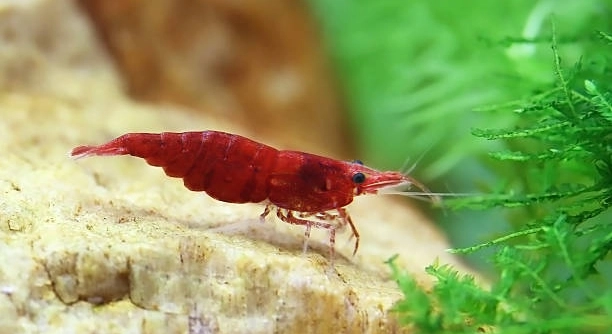
Shrimp live in a world full of dangers, from predators to strong currents. They often rely on hiding to stay safe and survive. Observing their behavior reveals how cautious and strategic these small creatures can be.
Shrimp prefer staying hidden in certain situations to protect themselves from predators, avoid stressful environmental changes, and conserve energy. Hiding allows them to maintain safety, reduce risk, and ensure survival in habitats where threats are constant and unpredictable.
Learning when and why shrimp hide offers insight into their behavior. Recognizing these patterns can improve care and understanding of their natural instincts.
Sudden Movements Nearby
Shrimp are extremely sensitive to motion in their environment. Any sudden movement, whether from larger fish, humans, or shifting plants, can trigger an instinct to hide. This response is vital for their survival. By retreating into crevices or burrowing into the sand, shrimp reduce the risk of being noticed and attacked. Observing them in an aquarium or in nature, you can see how quickly they react to even minor disturbances. This behavior is not just about fear; it is a finely tuned defense mechanism that allows them to remain alert while continuing normal activities when it is safe. Over time, shrimp learn which areas provide the best cover, using them repeatedly whenever they sense danger. Their choice of hiding spots is often strategic, allowing quick access to food or other resources while keeping them protected. Such careful planning shows the balance shrimp maintain between caution and opportunity.
Shrimp hide quickly when something moves unexpectedly. They prefer safe spots that allow them to observe without being seen.
Understanding this behavior helps explain why shrimp may suddenly vanish. These reactions are instinctual, developed over time to avoid predators. In aquariums, recognizing this need can improve tank design. Providing plants, rocks, or tunnels allows shrimp to feel secure. In nature, these hiding places are critical to survival, giving them a safe retreat while monitoring surroundings. This pattern of hiding also reduces stress, allowing shrimp to conserve energy for feeding and reproduction. Observing these moments reveals much about their natural instincts and how they manage threats efficiently.
Nighttime Activity
Shrimp often become more active at night when light levels are low. Darkness provides cover from predators and a safer opportunity to search for food. In this period, they may leave hiding spots to graze on algae, scavenge detritus, or interact with other shrimp. Nighttime activity aligns with their natural rhythms and helps them avoid daytime predators. Even in controlled environments like aquariums, shrimp follow these patterns, often emerging when lights are off or dim. Observing shrimp during these hours can reveal behaviors rarely seen during the day. Their movement is deliberate, careful, and often concentrated in areas with partial cover.
Shrimp take advantage of low light to move and feed. Nighttime allows safer exploration and less risk of being detected.
During nighttime, shrimp engage in important survival tasks. Feeding, cleaning, and territory checks occur while they remain vigilant. By reducing exposure to predators, they can maintain health and energy reserves. This schedule also helps minimize competition for resources. In tanks or natural habitats, understanding their nocturnal activity can guide placement of food and hiding areas. Providing safe zones encourages natural behavior, reduces stress, and ensures shrimp remain active and healthy. Observing them at night can be rewarding, revealing social interactions and foraging strategies that are otherwise hidden during daylight hours. These patterns emphasize their careful balance between risk and resource acquisition.
Changes in Water Conditions
Shrimp quickly respond to shifts in water conditions. Changes in temperature, pH, or salinity can make them retreat to hiding spots. They rely on stable environments to feed, grow, and remain healthy. Even minor fluctuations can trigger cautious behavior, leading them to stay hidden for safety.
When water conditions change, shrimp instinctively hide to reduce stress. These shifts can come from environmental factors, tank maintenance, or weather patterns. Sudden alterations affect their ability to breathe, move, and find food safely. By retreating to secure areas, shrimp protect themselves from harm while assessing the new environment. This response helps prevent long-term health issues.
Maintaining proper water quality ensures shrimp feel secure and remain active. Filters, regular testing, and careful adjustments reduce sudden changes that may cause hiding behavior. In aquariums, stable water encourages normal feeding, social interactions, and natural rhythms. Understanding this behavior can guide tank management, making shrimp more visible and healthy over time. Observing their hiding patterns often indicates when water conditions are less than ideal, offering a chance to intervene and improve their environment promptly.
Presence of Predators
Shrimp instinctively hide when predators are nearby. This survival tactic reduces their chances of being attacked and keeps them safe. They select areas that provide cover, such as rocks, plants, or crevices, and remain motionless until the threat passes.
Predators trigger strong hiding instincts. Shrimp assess potential threats and quickly retreat to protective spots. Their choice of hiding location depends on visibility, escape routes, and available cover. Even small fish or larger invertebrates can cause them to hide. Constant vigilance is key to survival.
The presence of predators also affects shrimp’s feeding and movement patterns. They may forage only in secure areas or during times when predators are less active. Social interactions can change, with shrimp staying closer together or maintaining distance to reduce attention. In tanks, introducing predator-free zones allows shrimp to explore safely. Observing how they react to predator cues provides insight into their natural instincts, showing a careful balance between safety and activity in daily life.
Molting Period
Shrimp hide during molting to protect their soft, vulnerable bodies. This phase leaves them exposed to predators and injury, so they seek secure spaces. Staying hidden allows them to recover safely until their new exoskeleton hardens.
During molting, shrimp remain motionless and avoid open areas. Their instinct for safety ensures successful growth and reduces stress during this delicate process.
Excess Noise or Vibration
Shrimp are sensitive to vibrations and loud noises. Sudden disturbances from pumps, tapping, or nearby movement can make them retreat. Avoiding such stimuli helps them stay safe, conserve energy, and maintain calm in their environment.
Overcrowding
When too many shrimp or other tank inhabitants occupy a small area, hiding behavior increases. Limited space triggers stress, forcing shrimp to seek secluded spots. This response ensures access to safe zones, reduces competition, and helps maintain health. Proper tank management and spacing can minimize these issues.
Presence of Debris
Shrimp often hide when debris or floating particles fill the water. Suspended matter can obscure vision and signal potential danger. Staying hidden prevents unnecessary exposure to hazards while the environment settles and becomes safer to explore.
FAQ
Why do shrimp hide most of the time?
Shrimp spend a lot of time hiding as a natural survival strategy. They are small and vulnerable, so staying in secure spots reduces the risk of being eaten by predators. Hiding also helps them conserve energy, especially in tanks or natural habitats where threats may appear suddenly. Their instinct to remain out of sight ensures they can feed, grow, and reproduce without constant danger. Even in safe aquarium environments, shrimp often hide because their instincts remain strong.
How can I make my shrimp feel safe in an aquarium?
Providing plenty of hiding spaces is key. Rocks, plants, driftwood, and tunnels give shrimp areas to retreat when they feel threatened. Maintaining stable water conditions, such as proper temperature, pH, and salinity, also reduces stress and encourages natural behavior. Avoid tapping on the tank or making sudden movements near the water, as vibrations can trigger hiding. By creating a secure environment, shrimp are more likely to explore, feed actively, and display natural behaviors. Observation becomes easier when they feel confident and protected.
Do shrimp only hide when predators are around?
No, hiding is not limited to predator presence. Shrimp also retreat when water conditions change, during molting, when there is overcrowding, or in response to noise and vibration. They use hiding as a general stress response. Protecting themselves during vulnerable times, like after molting or when food competition is high, is part of their instinct. Even in predator-free tanks, shrimp will hide if their surroundings feel unstable or uncomfortable.
How long do shrimp stay hidden?
The length of time varies depending on the situation. If shrimp are molting, they may remain hidden for several hours until their new exoskeleton hardens. In response to temporary disturbances, such as a sudden noise or movement, they might reappear within minutes. Factors like water quality, availability of hiding spaces, and the presence of other shrimp influence how long they stay secluded. Observing their behavior over time can help gauge when conditions are stressful or safe.
Can hiding affect shrimp health?
Excessive hiding itself does not harm shrimp, but the reasons behind it can indicate problems. Poor water quality, overcrowding, or stress from frequent disturbances can compromise their health. Shrimp that stay hidden for long periods without feeding may become weak or malnourished. Ensuring they have access to food, clean water, and secure hiding spots supports their health while respecting their natural instinct to stay concealed.
Will shrimp ever stop hiding completely?
Shrimp will always have a natural tendency to hide because it is instinctual. Even in safe, well-maintained tanks, they will seek cover when they feel vulnerable or stressed. What changes is how often and how long they hide. Providing a comfortable, low-stress environment reduces hiding frequency, but it cannot eliminate the behavior entirely. Their cautious nature is part of how they survive and thrive.
Does lighting affect shrimp hiding behavior?
Yes, lighting plays a significant role. Bright or harsh light can make shrimp feel exposed, prompting them to retreat. They prefer dim or diffuse lighting that mimics natural conditions, allowing them to move safely while remaining partially hidden. Adjusting lighting gradually rather than abruptly helps shrimp feel secure. Nighttime or low-light periods often encourage exploration and feeding, while bright daytime light increases hiding tendencies.
How can I tell if hiding is normal or a sign of stress?
Occasional hiding is normal and expected. Signs of stress include prolonged hiding, reduced feeding, erratic movement, or loss of color. Observing behavior patterns alongside water quality checks can help determine the cause. Addressing environmental issues such as temperature fluctuations, overcrowding, or water contamination can reduce stress and restore normal activity.
Do all shrimp species hide equally?
Different species have varying tendencies. Some are more cautious and spend most of their time in cover, while others are bolder and explore more frequently. Environmental needs and predator pressure in their natural habitats shape these tendencies. Understanding the specific species in your tank or habitat helps in providing appropriate hiding spots and ensuring their comfort.
Can hiding behavior indicate molting is happening?
Yes, shrimp often hide during molting because their exoskeleton becomes soft and vulnerable. Retreating to a secure spot minimizes the risk of injury or predation. Observing hidden shrimp over a period of hours can help predict when they are molting. Once the process is complete and the exoskeleton hardens, they gradually reappear and resume normal activity.
Does tank size impact hiding behavior?
Smaller tanks or crowded conditions increase hiding because space is limited and stress levels rise. Larger tanks with sufficient hiding areas allow shrimp to feel more secure while still exploring. Properly spaced shelters and decorations enable shrimp to maintain natural behaviors, balancing the need for safety with opportunities for feeding and movement.
Can stress from other tank inhabitants cause hiding?
Yes, aggressive or overly active tank mates can make shrimp feel unsafe. Frequent chasing, nipping, or competition for resources triggers hiding as a defensive response. Creating peaceful cohabitation through compatible species and adequate hiding spots reduces stress and encourages shrimp to be more visible.
Is hiding behavior seasonal or environmental?
Hiding behavior depends mostly on immediate environmental factors rather than seasons. Sudden changes in water temperature, lighting, or food availability can influence retreating habits. Seasonal shifts in outdoor ponds may affect water temperature and light levels, but overall, shrimp hide primarily to manage risk and maintain stability in their surroundings.
How do I encourage shrimp to explore more?
Providing abundant hiding spots while maintaining stable water conditions encourages confidence. Feeding in different areas and adjusting lighting gradually can also promote exploration. Minimizing sudden disturbances and ensuring tank mates are non-aggressive allows shrimp to emerge naturally and spend more time active. Observation and patience are key.
Can hiding reduce shrimp aggression?
Yes, hiding helps reduce conflict between shrimp by giving individuals space to retreat. In crowded or competitive environments, access to secure shelters minimizes fighting over resources. By allowing each shrimp personal space, stress levels decrease and overall tank harmony improves. This natural avoidance strategy benefits their health and social interactions.
Do shrimp hide when sick?
Illness can increase hiding behavior. Weak or unhealthy shrimp instinctively seek cover to avoid predators and conserve energy. Signs of sickness include inactivity, unusual positioning, or discoloration. Prompt attention to water quality, diet, and tank conditions is crucial to support recovery while respecting their need for shelter.
Are younger shrimp more prone to hiding?
Juvenile shrimp are generally more cautious because they are smaller and more vulnerable. They rely heavily on hiding for protection until they grow stronger. Providing ample cover and safe feeding zones ensures their survival during these early stages. Observing younger shrimp can reveal their natural instincts and how they adapt to their environment.
Can hiding interfere with breeding?
Hiding can temporarily reduce visible breeding activity, but it does not prevent reproduction entirely. Shrimp will mate and care for eggs in secure areas, often away from open spaces. Ensuring safe hiding spots and proper environmental conditions supports healthy breeding without exposing them to unnecessary risk.
How do I know if hiding is caused by water quality?
Frequent or prolonged hiding alongside other signs such as lethargy, poor feeding, or color changes often points to water issues. Testing for ammonia, nitrites, nitrates, pH, and temperature fluctuations helps identify problems. Correcting imbalances encourages shrimp to resume normal activity and reduces excessive hiding.
Does hiding behavior change as shrimp age?
Older shrimp may hide less as they become more experienced and confident. However, even mature shrimp retain instinctive caution. Their frequency and duration of hiding typically decrease with age, but they will always retreat when sensing potential danger or environmental stress.
Can hiding indicate aggression from other shrimp?
Yes, dominant individuals can drive others to seek cover. Territorial disputes or competition over food may prompt submissive shrimp to retreat. Observing interactions and ensuring sufficient space and hiding places reduces stress and helps maintain a balanced social environment.
Is hiding more common in freshwater or saltwater shrimp?
Both freshwater and saltwater shrimp exhibit hiding behavior, though intensity varies by species. Environmental complexity, predator presence, and tank or habitat conditions influence how often they seek cover. Providing proper shelter in either environment supports natural behaviors and overall wellbeing.
Can hiding help shrimp survive in new tanks?
Yes, newly introduced shrimp often hide until they adjust. This behavior reduces stress and allows them to assess the environment safely. Gradually exploring once comfortable ensures successful acclimation without unnecessary risk. Patience during this period is important to support their health and confidence.
Does diet affect hiding behavior?
Limited or inconsistent food can increase hiding, as shrimp may avoid open areas while searching for nutrition. Regular feeding and easy access to food reduce stress, encourage exploration, and balance their instinct to remain concealed. Proper nutrition supports energy levels for safe activity.
How do I know if hiding is normal or a problem?
Short-term hiding in response to stimuli is normal. Prolonged, frequent hiding combined with reduced feeding, color changes, or lethargy signals stress or health issues. Monitoring environmental conditions, tank mates, and water quality helps determine if intervention is needed. Proper care restores normal activity while respecting their instinct to hide.
Can shrimp learn safe hiding spots?
Yes, shrimp remember locations that offer protection and easy access to food. They often return to these spots repeatedly when threatened. Over time, this behavior shows their ability to adapt to their environment and maintain personal safety efficiently.
Do shrimp communicate through hiding?
While they do not communicate in words, shrimp can influence each other’s behavior. When one shrimp hides, others may also retreat, indicating perceived danger. Social cues, movement, and observation help maintain safety within groups.
How important is hiding for shrimp survival?
Hiding is essential for protection, stress reduction, and energy conservation. It supports feeding, growth, reproduction, and health. Without secure hiding spaces, shrimp would face higher risks from predators and environmental challenges, making this behavior critical to their overall wellbeing.
Can excessive hiding indicate predator introduction?
Yes, sudden increases in hiding may signal that a predator has been added or appears nearby. Monitoring tank inhabitants and surroundings helps identify potential threats. Providing ample cover mitigates stress and allows shrimp to feel safe despite new or unexpected risks.
How does tank decoration impact hiding?
Tunnels, rocks, plants, and driftwood create natural hiding spots. Well-placed decorations encourage natural behavior, reduce stress, and allow shrimp to explore safely. Lack of cover can increase stress, reduce activity, and interfere with feeding or breeding patterns. Proper arrangement supports a balanced environment.
Is hiding instinct stronger in certain shrimp species?
Species from predator-rich habitats tend to hide more. Some are naturally cautious, while others are more exploratory. Understanding species-specific tendencies helps design environments that meet their safety needs and encourage natural behavior patterns.
Does hiding behavior affect observation of shrimp?
Yes, frequent hiding can make shrimp seem less active. Observers may miss feeding, social, or breeding behaviors. Providing accessible hiding spots balances safety with visibility, allowing shrimp to exhibit natural activities without excessive risk.
How do I reduce stress-related hiding?
Maintain stable water conditions, avoid sudden changes, provide adequate shelter, and use compatible tank mates. Gradual lighting changes and consistent feeding reduce stress, encouraging shrimp to be active while respecting their instinct to hide.
Can hiding indicate molting cycles?
Hiding often coincides with molting, providing protection while their new exoskeleton hardens. Observing secluded shrimp can help predict molting events. Afterward, they resume normal movement and feeding once they feel secure.
Does hiding vary with shrimp age or size?
Smaller or younger shrimp hide more due to vulnerability. Older or larger individuals may hide less but still retreat when threatened. Providing shelters for all sizes ensures safety and reduces stress across the population.
Is hiding always a negative behavior?
No, hiding is a normal and essential instinct. It protects shrimp, reduces stress, and helps maintain health. Recognizing when it is excessive versus routine ensures proper care without interfering with natural behavior.
Do shrimp prefer certain materials for hiding?
Yes, shrimp often choose natural textures like plants, rocks, and driftwood. These provide secure, camouflaged spaces. Soft substrate and dense foliage mimic natural habitats, enhancing safety and encouraging exploration.
How often should shrimp hide in a healthy tank?
Hiding frequency depends on environment, lighting, and tank mates. Some daily hiding is normal, especially during disturbances, molting, or nighttime. Stable conditions and adequate cover balance safety with visibility, allowing shrimp to remain active while feeling secure.
Can hiding improve survival rates in aquariums?
Yes, hiding reduces stress, avoids conflicts, and protects shrimp from threats. Providing appropriate shelters and maintaining a calm environment increases overall health, activity, and lifespan. Observing their behavior helps ensure needs are met effectively.
What signs indicate hiding is a problem?
Excessive duration, lack of feeding, lethargy, or color changes suggest stress or poor conditions. Checking water quality, space, and tank mates helps address issues, restoring normal activity while respecting natural hiding instincts.
Does group behavior affect hiding?
Shrimp often follow each other’s cues. When one hides, others may retreat, signaling perceived danger. Social dynamics influence movement patterns, feeding, and safety behaviors, making group behavior important to observe in tank management.
Are there alternatives to hiding for stress relief?
Hiding is their primary stress response. Adequate food, compatible tank mates, proper water conditions, and environmental enrichment complement hiding, allowing shrimp to feel safe while remaining active.
Can hiding behavior predict molting or health issues?
Yes, patterns of prolonged hiding can indicate upcoming molting or underlying health problems. Tracking behavior alongside water conditions, feeding, and interactions helps anticipate and manage these events effectively.
How can I track shrimp hiding behavior?
Keep a log of hiding frequency, duration, and triggers. Note environmental changes, feeding times, and tank disturbances. Observing patterns over time helps identify normal behavior versus signs of stress or illness.
Do shrimp hide more in community tanks?
Yes, more tank inhabitants increase competition and perceived threats. Providing multiple hiding spots reduces stress, prevents conflict, and allows shrimp to explore safely without feeling exposed.
Does feeding location affect hiding?
Feeding in safe, accessible areas encourages shrimp to emerge. Placing food near hiding spots balances safety with activity, reducing prolonged retreat and supporting regular feeding habits.
Is hiding behavior influenced by water flow?
Strong currents or rapid flow can trigger hiding. Shrimp prefer calmer areas to conserve energy and avoid being swept away. Providing zones with gentle water movement encourages exploration without causing stress.
Can hiding behavior be reduced over time?
Yes, stable conditions, proper tank setup, and gentle interaction reduce unnecessary hiding. Shrimp may emerge more often as they gain confidence in their environment, though instinctual caution remains.
Does hiding help with breeding success?
Yes, secure hiding spots allow safe mating, egg carrying, and protection of young shrimp. Sheltered areas reduce predation risk and stress, supporting successful reproduction.
Can hiding indicate aggression from tank mates?
Yes, aggressive or territorial species trigger hiding. Ensuring compatibility and adequate cover helps maintain social balance and reduces stress-related retreats.
Is hiding instinctive or learned?
It is primarily instinctive but can be reinforced through experience. Shrimp learn which areas are safe and return to them when threatened, showing a combination of natural instinct and environmental adaptation.
Do shrimp hide during feeding?
Sometimes, especially if competition or perceived threats exist. They may graze from secure spots until the area feels safe, balancing nourishment with self-protection.
Can environmental enrichment reduce hiding?
Yes, plants, tunnels, and textured surfaces provide safe exploration opportunities. Enrichment encourages activity while respecting the shrimp’s need for concealment, reducing excessive hiding.
Does hiding behavior affect tank cleaning routines?
Yes, shrimp may retreat during cleaning. Gentle handling, gradual adjustments, and providing temporary cover reduces stress and maintains normal behavior patterns.
Is hiding more pronounced in shy species?
Species with naturally cautious tendencies exhibit longer and more frequent hiding. Recognizing this helps tailor tank design and care to match their behavioral needs.
Can hiding help shrimp survive predator introduction?
Yes, instinctive retreat reduces exposure, allowing them to avoid predation while adjusting to new threats. Proper shelters enhance survival during transitions.
How do I balance hiding and visibility in aquariums?
Provide adequate cover near open areas. This allows shrimp to retreat safely but also explore and feed. Gradual acclimation and stable conditions increase comfort without compromising instinct.
Does hiding behavior change with temperature shifts?
Yes, sudden temperature changes increase hiding as shrimp respond to stress. Maintaining stable, species-appropriate temperatures reduces prolonged retreats and promotes activity.
Can hiding indicate water contamination?
Frequent, prolonged hiding combined with lethargy or loss of appetite often signals poor water quality. Testing and correcting conditions helps restore shrimp activity and health.
Do shrimp hide more during the day or night?
Daytime often triggers hiding due to increased exposure, while nighttime encourages safer exploration. Light levels, predator activity, and environmental comfort influence timing and duration.
Can hiding behavior signal social hierarchy?
Yes, dominant shrimp may occupy open spaces, while subordinate individuals hide. Observing retreats and interactions reveals social dynamics and helps manage tank balance.
Is hiding a response to tank maintenance?
Yes, cleaning, water changes, and rearranging decorations can trigger temporary hiding. Gentle handling and providing temporary cover reduce stress and allow shrimp to resume normal activity quickly.
Can hiding protect shrimp from diseases?
Indirectly, hiding reduces exposure to aggression or environmental hazards, lowering stress and supporting immune function. Safe retreats help shrimp recover from minor illnesses or maintain overall health.
How do I distinguish normal hiding from health issues?
Normal hiding is brief and situational. Signs of health problems include long-term inactivity, poor feeding, discoloration, or erratic behavior. Monitoring water quality, diet, and tank conditions clarifies the cause.
Does hiding vary between individual shrimp?
Yes, some shrimp are naturally bolder, while others are more cautious. Individual temperament, experience, and size influence hiding patterns. Providing diverse hiding spaces accommodates all personalities.
Can hiding help shrimp conserve energy?
Yes, remaining still in safe spots reduces movement and energy expenditure. This strategy supports growth, molting, and feeding efficiency, especially in challenging environments.
Is hiding behavior affected by lighting color?
Certain light spectrums may feel less threatening, encouraging exploration. Bright or harsh lighting triggers retreats. Gradual adjustments and shaded areas help shrimp feel secure.
Can hiding behavior indicate stress from overcrowding?
Yes, limited space and excessive tank mates increase hiding. Providing more room and secure shelters helps reduce stress and maintain healthy activity levels.
Does hiding interfere with feeding schedules?
If hiding is excessive, shrimp may miss meals. Placing food near shelters and feeding consistently helps balance safety with nourishment.
Are some hiding spots preferred over others?
Yes, shrimp favor areas with cover, camouflage, and safety. Dense plants, rocks, and tunnels are often preferred over open or exposed areas.
Can hiding be used as a behavioral indicator for shrimp health?
Shrimp are naturally cautious creatures, and their tendency to hide is an essential part of their behavior. This instinct helps them avoid predators, protect themselves during vulnerable times like molting, and manage stress caused by changes in their environment. Observing shrimp in aquariums or in natural habitats makes it clear that hiding is not a sign of laziness or weakness. Instead, it reflects careful survival strategies that have developed over time. Even in controlled environments where threats are minimal, shrimp continue to seek shelter because their instincts guide them to stay safe. Hiding allows them to conserve energy, reducing unnecessary movement when conditions feel unsafe or uncertain. It also provides opportunities for them to feed, rest, and grow without being exposed to potential dangers. Over time, shrimp learn which areas offer the best protection and often return to these spots whenever they sense a risk, showing a balance between caution and opportunity.
Understanding why shrimp hide is important for anyone caring for them. Providing appropriate hiding spots in aquariums, such as plants, rocks, driftwood, and tunnels, helps them feel secure and reduces stress. Stable water conditions are also crucial, as changes in temperature, pH, or salinity can trigger hiding behavior. By creating an environment that respects their natural instincts, shrimp are more likely to explore, feed actively, and display their full range of behaviors. Observing their hiding patterns can also serve as an indicator of their wellbeing. If shrimp hide excessively or show signs of stress while in hiding, it may point to water quality issues, overcrowding, or aggression from other tank inhabitants. Addressing these factors ensures shrimp remain healthy and active while still allowing them the safety they instinctively seek.
Hiding is a normal and necessary part of shrimp life, and it plays a key role in their overall health and survival. Recognizing and respecting this behavior allows us to provide better care and create environments that support their natural instincts. It is not only about offering physical shelter but also about maintaining stable conditions, reducing disturbances, and understanding their needs. By paying attention to when and why shrimp hide, it becomes possible to balance safety with visibility, giving them room to explore while still feeling protected. Ultimately, hiding is a sign of instinctive intelligence and adaptability. Appreciating this behavior helps us observe shrimp more closely, respond to their needs thoughtfully, and ensure they remain safe, healthy, and active in both aquariums and natural habitats. Their careful use of hiding spots is a reminder that even small creatures rely on instinct and environmental awareness to thrive.

Hello,
If you enjoy the content that we create, please consider saying a "Thank You!" by leaving a tip.
Every little bit helps us continue crafting quality advice that supports the health, happiness, and well-being of pets around the world, for pets of all shapes, sizes, and species.
We really appreciate the kindness and support that you show us!