
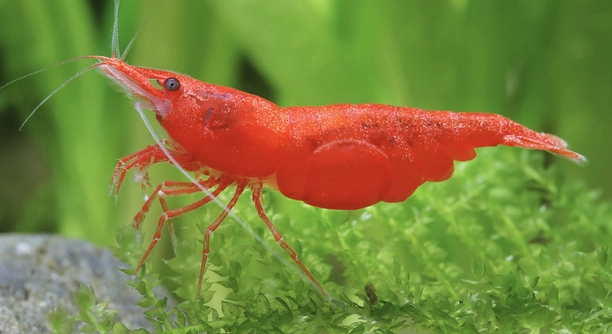
Cherry shrimp are small, colorful creatures that many aquarium owners enjoy keeping. They are active and constantly exploring their environment. Sometimes, they climb the glass, leaving owners unsure if this behavior is normal or concerning.
Cherry shrimp climb the glass primarily due to water quality, lack of food, or environmental stress. This behavior can indicate changes in their tank, including temperature fluctuations, insufficient hiding spaces, or an unbalanced diet affecting their comfort and health.
Observing shrimp climbing can provide insight into their well-being and tank conditions. Understanding these patterns helps maintain a healthy and thriving aquarium environment.
Reasons Cherry Shrimp Climb the Glass
Cherry shrimp climbing the glass is often linked to their environment and care. Poor water quality, including high ammonia, nitrite, or nitrate levels, can make shrimp uncomfortable, prompting them to seek higher areas. Temperature changes or sudden fluctuations can also trigger this behavior, as shrimp are sensitive to their surroundings. Sometimes, a lack of food or limited nutrients in the tank causes shrimp to explore every surface, including glass, in search of something to eat. Overcrowding or insufficient hiding spaces can increase stress, pushing shrimp to climb more frequently. Observing their behavior and water parameters carefully is essential. Proper tank maintenance, regular water changes, and providing enough plants or decorations for shelter usually reduce glass climbing. Additionally, ensuring shrimp receive a balanced diet with supplements like algae wafers or blanched vegetables can keep them healthier and less restless. Climbing is often a signal, not just a random action.
Maintaining stable water conditions and a balanced diet significantly reduces climbing behavior, keeping shrimp calmer and healthier in their environment.
Stress, lack of nutrition, and environmental discomfort are key factors behind glass climbing. Adjusting tank conditions and feeding routines helps shrimp settle, preventing unnecessary wandering and improving their overall health.
How to Prevent Glass Climbing
Monitoring tank water is the first step in prevention. Regular tests and maintenance ensure a stable, safe environment for shrimp.
To prevent excessive glass climbing, provide adequate hiding spots, maintain stable temperature and water chemistry, and offer a varied diet. Overcrowding should be avoided, as it increases stress and activity levels. Plants, mosses, and decorations give shrimp places to explore safely. Feeding should include quality flakes, algae wafers, and occasional fresh vegetables to meet nutritional needs. Observe shrimp regularly for changes in behavior that might indicate discomfort. Adjust water parameters gradually to prevent shock. Using a gentle filter and avoiding sudden light or movement changes helps reduce stress. Small tweaks in care routines often lead to calmer, healthier shrimp that spend more time foraging naturally rather than climbing. Consistency in these areas ensures the shrimp feel secure and thrive in their habitat, resulting in less glass climbing and a more balanced tank ecosystem.
Signs Your Cherry Shrimp Are Uncomfortable
Shrimp climbing glass constantly, staying near the surface, or hiding excessively are signs of discomfort. Water parameters, diet, or tank conditions often trigger these behaviors. Observing these patterns helps identify problems early, allowing you to make adjustments before health issues arise.
Changes in water quality, such as elevated ammonia, nitrite, or nitrate levels, often cause shrimp to explore the glass more frequently. Temperature fluctuations, low oxygen levels, or sudden light exposure can increase stress, making shrimp restless. Overcrowding or insufficient hiding spots also contributes to their unease. Nutritional deficiencies can lead to constant foraging, pushing shrimp to climb glass in search of food. Tracking behavior alongside water tests allows for quick intervention. Providing plants, moss, or shelters, along with consistent feeding and stable conditions, significantly reduces stress and helps shrimp feel secure.
Behavioral changes can also indicate illness or parasite presence. Shrimp that cling to surfaces, molt irregularly, or display unusual movement patterns may need closer observation. Adjusting water chemistry gradually, offering balanced nutrition, and maintaining a calm environment supports recovery. Preventing sudden disturbances, like strong currents or aggressive tankmates, reduces additional stress. Regular maintenance, careful feeding, and proper tank setup create a stable environment, minimizing discomfort and improving shrimp well-being, reducing unnecessary glass climbing over time.
Environmental Adjustments for a Calm Tank
Adding plants, moss, or decorations provides hiding spots, reducing stress and limiting climbing. Proper lighting and gentle filtration contribute to a stable environment.
Temperature stability, water quality, and hiding spaces are crucial for a calm shrimp tank. Sudden changes in temperature, pH, or hardness can make shrimp restless. Overcrowded tanks force shrimp to compete for space, increasing stress and climbing behavior. Plants and mosses not only provide shelter but also encourage natural foraging, keeping shrimp occupied. Feeding a balanced diet at regular intervals prevents nutrient-seeking behavior that leads to climbing. Gentle filters avoid strong currents that may disturb shrimp. Light schedules should mimic natural day-night cycles to reduce stress. Monitoring and gradually adjusting water parameters ensures shrimp remain comfortable. Creating a secure and predictable habitat directly affects their activity levels, making climbing behavior less frequent and helping them thrive.
Common Water Issues
High ammonia, nitrite, or nitrate levels make shrimp uncomfortable and trigger climbing. Regular testing and water changes help maintain safe levels.
Sudden pH shifts or temperature fluctuations stress shrimp. Keeping a consistent environment with stable parameters reduces restless behavior and promotes overall health.
Nutrition and Feeding
A poor diet or infrequent feeding causes shrimp to explore surfaces, including glass, in search of food. Providing varied foods like algae wafers, blanched vegetables, and occasional protein supplements ensures shrimp get necessary nutrients. Balanced nutrition keeps them active but calmer, reducing unnecessary climbing and supporting molting and growth.
Molting and Growth
Shrimp often climb during molting phases. The activity helps them find safe spaces and shed old exoskeletons. Observing proper molting behavior indicates healthy growth and reduces worry about climbing.
FAQ
Why are my cherry shrimp climbing the glass all the time?
Constant glass climbing usually points to stress or environmental issues. Water quality problems, like high ammonia, nitrites, or nitrates, are common triggers. Temperature fluctuations, sudden lighting changes, or a lack of hiding spots can also make shrimp restless. Ensuring stable water parameters and providing plenty of plants or moss helps reduce this behavior. Sometimes, insufficient food or nutritional imbalance causes shrimp to search surfaces for nutrients. Monitoring both behavior and tank conditions is key to keeping shrimp calm and healthy.
Is it dangerous for cherry shrimp to climb the glass?
Climbing itself is not immediately harmful, but it can indicate underlying stress or poor water conditions. Continuous climbing without other signs of normal activity may suggest ammonia spikes, overcrowding, or insufficient hiding spaces. Over time, prolonged stress can weaken their immune systems, making them more susceptible to illness or molting issues. By addressing environmental factors and providing balanced nutrition, you can prevent long-term negative effects and help shrimp maintain normal behavior patterns.
How can I stop my cherry shrimp from climbing the glass?
The best approach is to stabilize the tank environment. Regular water tests and partial water changes maintain safe ammonia, nitrite, and nitrate levels. Adding plants, moss, or decorations gives shrimp safe places to hide, reducing their need to explore glass surfaces. Maintaining a consistent temperature, gentle filtration, and regular feeding of a balanced diet keeps shrimp calm and occupied. Avoid overcrowding, and gradually adjust any water parameters instead of sudden changes. Small changes in tank management often lead to a noticeable decrease in glass climbing.
Does diet affect glass climbing behavior?
Yes, diet plays a significant role. Shrimp may climb the glass if they are not receiving enough food or if their diet lacks proper nutrients. Providing a mix of algae wafers, blanched vegetables, and occasional protein supplements helps meet their nutritional needs. Well-fed shrimp are less likely to search surfaces excessively and will spend more time foraging naturally. Balanced nutrition also supports healthy molting and overall activity levels, making shrimp less prone to stress-induced climbing.
Can poor water quality make shrimp climb the glass?
Absolutely. High ammonia, nitrites, nitrates, or pH fluctuations can cause stress, prompting shrimp to climb surfaces. Even small changes in water parameters can make sensitive shrimp restless. Maintaining stable water chemistry with regular testing and partial water changes is crucial. Monitoring these parameters carefully ensures shrimp stay comfortable and reduces unnecessary climbing.
Is climbing related to molting?
Climbing can sometimes occur during molting. Shrimp may explore surfaces to find a safe area to shed their exoskeleton. Proper hiding spots, stable water conditions, and balanced nutrition support healthy molting. Observing the timing and frequency of climbing can help determine whether it’s linked to molting or stress.
Does tank size influence glass climbing?
Tank size can impact shrimp behavior. Small or overcrowded tanks leave less space for shrimp to move freely and hide. Providing enough room and shelter reduces stress and climbing activity. Larger tanks with plenty of plants, moss, and decorations encourage natural foraging and exploration, keeping shrimp more content and less focused on the glass.
Are there signs of illness linked to glass climbing?
Yes. Excessive climbing, lethargy, irregular molting, or unusual movement patterns may indicate illness or parasites. Combined with poor water quality or stress, illness can exacerbate climbing behavior. Observing shrimp regularly and maintaining a clean, balanced tank environment helps prevent health issues and reduces abnormal behavior.
Can lighting affect shrimp climbing?
Lighting impacts shrimp behavior. Too much direct light or sudden changes can stress them, prompting climbing. Maintaining a consistent light schedule and providing shaded areas or plants helps shrimp feel secure. Gradual adjustments to light intensity reduce stress-induced climbing and support natural activity cycles.
How long does it take for shrimp to calm down after adjusting the tank?
Shrimp usually respond within a few days to a week after improvements to water quality, diet, or habitat. Some may take longer depending on stress levels and environmental changes. Consistency in care, stable water parameters, and adequate hiding spaces encourage shrimp to reduce glass climbing and exhibit normal, calm behavior.
What is the best long-term solution to prevent climbing?
The long-term solution involves a combination of stable water quality, proper nutrition, appropriate tank size, and adequate hiding spots. Regular maintenance, careful observation, and gradual changes prevent stress. Meeting all these needs ensures shrimp remain healthy, comfortable, and less likely to climb the glass unnecessarily.
Final Thoughts
Cherry shrimp climbing the glass is often a sign of their environment or care routine needing attention. While this behavior may seem strange at first, it is usually linked to stress, water quality issues, or a lack of proper nutrition. Observing your shrimp closely is important, as they cannot tell us what is wrong. Signs like constant climbing, hiding excessively, or staying near the surface indicate that something in the tank may not be right. Regularly checking water parameters, including ammonia, nitrite, nitrate, pH, and temperature, is the first step in ensuring a safe and comfortable habitat. Small changes, such as adjusting the temperature gradually or adding more plants, can make a big difference in their behavior. Providing hiding spaces, like moss, decorations, and plants, helps shrimp feel secure, which reduces stress and climbing activity.
Nutrition also plays a major role in preventing glass climbing. Cherry shrimp require a balanced diet to maintain good health and normal activity levels. Feeding them a mix of algae wafers, blanched vegetables, and occasional protein supplements ensures they get the nutrients they need. When shrimp are underfed or their diet lacks variety, they may search surfaces, including the glass, for additional food. Regular feeding routines and quality nutrition not only prevent unnecessary climbing but also support proper molting and growth. Observing how your shrimp respond to different foods can help you fine-tune their diet. Offering a variety of foods keeps them engaged, reduces restless behavior, and encourages natural foraging in safer areas of the tank.
Creating a calm, stable environment is the key to long-term shrimp well-being. Avoid overcrowding, maintain gentle filtration, and ensure consistent lighting that mimics natural day-night cycles. Sudden changes in the tank can trigger stress, while predictable conditions help shrimp feel secure and comfortable. Over time, shrimp adapt to a stable habitat, and climbing behavior usually decreases. Patience and careful observation are important, as changes in behavior often indicate how well shrimp are adjusting. Regular maintenance, including water changes, monitoring of water parameters, and attention to diet, creates a balanced ecosystem where shrimp can thrive. With these steps, climbing the glass becomes less frequent, and your shrimp are healthier, more active, and more comfortable in their home.

Hello,
If you enjoy the content that we create, please consider saying a "Thank You!" by leaving a tip.
Every little bit helps us continue crafting quality advice that supports the health, happiness, and well-being of pets around the world, for pets of all shapes, sizes, and species.
We really appreciate the kindness and support that you show us!