
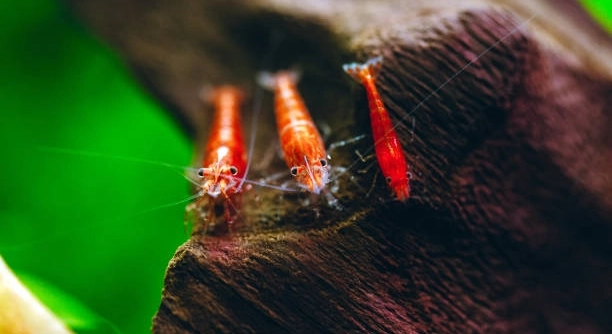
Have you ever wondered how boiled veggies could become a simple addition to your cherry shrimps daily routine, offering gentle nourishment and a friendly touch of comfort in their small aquatic world while creating calm.
Cherry shrimp can safely eat boiled vegetables, which offer fiber and key nutrients that support their general health. Softened vegetables are simple for them to consume, improving digestion and helping maintain a balanced diet suited to their aquatic habitat environment.
Exploring their natural feeding habits and understanding how gentle vegetable options fit into their routine offers helpful guidance for care.
Why Boiled Veggies Help Cherry Shrimp
Boiled veggies can offer a simple boost to your cherry shrimps diet, and adding them feels natural when you want to support their daily needs with gentle care. Soft textures allow even the smallest shrimp to nibble without stress, and the light flavors blend well with their usual food. When vegetables are boiled, they become easier for shrimp to process, which helps them stay active and steady. This approach also gives you a calm way to know exactly what your shrimp are eating, since the food is clean and predictable. As a woman who likes keeping things uncomplicated, I appreciate how boiled veggies fit into a routine without creating extra tasks. A small amount placed in the tank can provide helpful nutrients while avoiding the heaviness of certain commercial options. Over time, this simple method can support stable growth and a well balanced environment for your shrimp.
Adding boiled vegetables provides steady nourishment that supports digestion, encourages natural grazing behavior, and keeps feeding routines uncomplicated while still giving shrimp something soft and nutritious to enjoy.
Keeping boiled veggies in your feeding plan can also help you stay mindful of portion sizes, timing, and freshness, which are important details that support your shrimps comfort and overall stability in the tank.
Best Veggies to Offer
Soft options like zucchini or spinach tend to work well because they break apart easily and give shrimp a gentle source of nutrients without overwhelming their feeding habits.
Choosing the right vegetables for your cherry shrimp lets you support their simple needs while keeping your feeding routine relaxed and predictable. Zucchini slices provide a mild option that softens quickly in warm water, making them easy for shrimp to graze on throughout the day. Spinach brings light minerals that fit naturally into their diet, especially when blanched until tender. Carrots can also be a good choice once softened, offering a slow release texture that stays intact long enough for shrimp to return to. When preparing these vegetables, keeping them plain helps avoid unnecessary additives. Cut them into small pieces and remove leftovers after a few hours so the tank stays clean. This approach supports your shrimps comfort and helps you maintain a tidy, steady environment without extra complications.
How Often to Feed Boiled Veggies
Offering boiled veggies a few times per week keeps things balanced and prevents your shrimp from relying on them too heavily. This schedule fits well with their natural grazing habits and helps you avoid adding too much excess food to the tank.
Feeding boiled vegetables in small portions helps keep your tank stable and reduces the chance of cloudy water. Shrimp do best when food is offered in amounts they can finish within a few hours, so giving them small pieces works well. Zucchini slices, tiny spinach portions, or thin carrot rounds all soften nicely and allow shrimp to nibble without effort. Removing leftovers keeps the water clear and prevents unwanted changes in the environment. Keeping portions gentle and predictable also makes it easier for you to stay consistent without feeling like the feeding routine takes more time than necessary.
A steady rhythm helps your shrimp stay active while avoiding overfeeding. Too much vegetable matter can break down quickly, which may disturb the balance in the tank. Keeping a simple schedule gives you room to adjust based on how quickly your shrimp finish what is offered. Some days they will eat faster, while other times they graze more slowly. Watching how they respond lets you fine tune your routine in a calm and easy way, making the process feel more natural over time.
Preparing Veggies the Right Way
Preparing vegetables with care helps protect your shrimps comfort and keeps their space from becoming messy or stressful. Boiling them until soft makes them easy to eat and prevents sharp edges, while also helping the pieces sink quickly for natural grazing.
Boiling veggies until they are tender creates a safe texture that shrimp can handle with ease. Zucchini slices usually only need a couple minutes, while spinach softens almost instantly once placed in hot water. After boiling, rinse them in cool water to remove heat and any lingering residue. Then cut them into smaller sections so your shrimp can reach them without effort. Keep the pieces plain, since added oils or seasoning can affect the tank. Once added to the aquarium, let your shrimp graze naturally, and remove remaining bits after a few hours to maintain clean water and steady conditions.
Avoiding Common Mistakes
Keeping portions small helps prevent uneaten vegetables from breaking down and affecting the water. It also helps you see how quickly your shrimp respond to each offering, which makes it easier to adjust without creating extra waste or stress in the tank.
Letting vegetables sit too long can raise ammonia levels and create an unstable environment. Removing leftovers after a few hours keeps things clean and supports steady conditions, especially when feeding soft veggies that break apart easily.
Signs Your Shrimp Enjoy the Veggies
When your shrimp gather around the vegetables and graze actively, it usually means the texture suits them well. They often stay near the food for long periods, picking at it in small motions that show comfort. If they return throughout the day, the portion size is likely a good match. Gentle movement and steady nibbling are reassuring signs that the veggies fit naturally into their routine and support their simple dietary needs.
When to Rotate Vegetable Options
Rotating vegetables every few feedings helps keep their diet balanced and prevents them from becoming too used to one type. It also gives you a calm way to offer variety without disrupting the steady rhythm of their feeding routine.
FAQ
Can cherry shrimp eat raw vegetables?
Raw vegetables are generally harder for cherry shrimp to consume and digest. They may nibble on softer leaves, like spinach or lettuce, but tougher vegetables can be ignored or cause stress. Boiling or blanching vegetables softens the texture, making them easier to eat while reducing waste in the tank.
How much boiled vegetable should I give at a time?
A small piece the size of your thumbnail is usually enough for a few shrimp. The goal is to provide a nibble without leaving large amounts that will rot and affect water quality. Observing how fast they finish helps adjust portions naturally.
Can all types of vegetables be fed to cherry shrimp?
Not all vegetables are suitable. Soft options like zucchini, spinach, and carrots work best. Avoid starchy vegetables like potatoes or anything heavily seasoned, as these can disturb water conditions and may be harmful. Simple, plain vegetables are safest.
How often should I offer boiled veggies?
Two to three times per week is a reasonable schedule. Daily feeding is unnecessary if you already provide a balanced shrimp diet. Giving vegetables regularly but in moderation keeps nutrition steady and prevents overfeeding.
Should I peel vegetables before boiling?
Peeling depends on the vegetable. For carrots or zucchini, leaving the skin on is fine if thoroughly washed. Spinach leaves and other leafy greens usually don’t need peeling. Cleanliness matters more than removing skin, as dirt or residue can impact water quality.
Can cherry shrimp eat frozen vegetables?
Frozen vegetables can be used if properly thawed and boiled. Freezing can break down fibers, which may make them soft enough to eat. Avoid adding frozen vegetables directly without preparation, as sudden temperature changes can stress your shrimp.
What happens if I give too much vegetable?
Overfeeding can lead to leftover pieces decaying, which raises ammonia and nitrite levels. This can make the tank unsafe and cause health problems for shrimp. Small, controlled portions reduce the risk and keep the tank environment stable.
How do I remove leftover vegetables from the tank?
Use tweezers or a small net to gently remove uneaten pieces after a few hours. This prevents decomposition, keeps water clean, and minimizes stress on shrimp. Removing leftovers is an easy habit that keeps feeding safe and controlled.
Can baby shrimp eat boiled vegetables?
Baby shrimp can nibble on very small, soft pieces of vegetables. Cutting vegetables into tiny bits or mashing them slightly ensures babies can access nutrients without struggling. Monitor feeding closely to avoid overloading the tank.
Is it necessary to provide vegetables if I already feed shrimp pellets?
Vegetables are optional but beneficial. They provide fiber, variety, and additional nutrients. Pellets alone can sustain shrimp, but adding soft boiled vegetables improves digestive health and encourages natural grazing behaviors, making care feel more interactive and calm.
Can I mix vegetables with algae wafers?
Yes, combining soft vegetables with algae wafers works well. The wafers offer protein and minerals, while vegetables add fiber and variety. Mixing foods lets shrimp choose what they want to eat and supports a balanced, steady diet without overcomplicating feeding routines.
How do I know if vegetables are safe for my shrimp?
Choose fresh, unspoiled vegetables, boil or blanch them, and avoid additives. If shrimp nibble actively and water remains clear after a few hours, the vegetables are safe. Observing behavior and tank conditions is the most reliable indicator.
Can cherry shrimp get sick from vegetables?
Shrimp can get sick if vegetables decompose quickly or introduce bacteria. Proper cleaning, boiling, portion control, and timely removal reduce the risk. Consistent observation of shrimp activity helps catch issues early.
Are there vegetables to avoid entirely?
Avoid starchy roots like raw potatoes, onions, or garlic, and anything processed or seasoned. These can harm shrimp and destabilize water chemistry. Stick to soft, mild vegetables and keep preparations plain for safety.
How long should boiled vegetables stay in the tank?
Remove any leftover vegetables after 2–4 hours. This prevents decomposition and water contamination. Monitoring the tank ensures shrimp eat what they need without leftovers negatively impacting water quality.
Can cherry shrimp eat vegetable peels?
Some soft peels like zucchini or carrot are fine, but tougher or waxed skins should be avoided. Always wash thoroughly and ensure pieces are small and soft enough for shrimp to consume easily.
Is it better to chop or mash vegetables?
Chopping into small, manageable pieces works well for most shrimp. For very small or baby shrimp, lightly mashing helps them access nutrients. Both methods are safe if portions are appropriate and leftovers are removed.
Do boiled vegetables provide enough nutrients?
Boiled vegetables provide fiber and certain minerals but are not a complete diet. Pairing them with shrimp pellets or algae ensures shrimp get all necessary nutrients while benefiting from the gentle, soft texture vegetables offer.
How can I tell if my shrimp like a new vegetable?
Shrimp that gather around and nibble consistently show approval. If they ignore the vegetable, it may be too tough or unfamiliar. Trying different soft options gradually helps find favorites without risking water quality.
Are there vegetables that float better than others?
Leafy greens like spinach or lettuce float initially but usually sink once softened. Zucchini and carrots tend to sink naturally, making them easier for shrimp to reach and graze. Ensuring vegetables sink keeps feeding organized and accessible.
Can I freeze boiled vegetables for later use?
Freezing boiled vegetables is possible but may alter texture. Thaw completely and rinse before adding to the tank to avoid cold shock. Portioning for single feedings helps prevent waste and maintains safe conditions for shrimp.
Do cherry shrimp prefer certain flavors?
Shrimp respond more to texture than flavor. Soft, easy-to-grasp vegetables are preferred. Mild-tasting vegetables like zucchini or spinach are usually accepted more readily than bitter or strong-tasting options, keeping feeding stress-free and calm.
Can I mix vegetables in a blender for tiny shrimp?
Pureeing vegetables into small bits is effective for babies. This method ensures they can access nutrients without struggling. Add only a small amount to avoid water contamination and remove leftovers after a few hours to keep conditions steady.
How do boiled vegetables affect water parameters?
Properly prepared and portioned vegetables have minimal impact. Overfeeding or letting them sit too long increases ammonia and nitrite levels. Removing leftovers promptly ensures water remains stable and shrimp stay healthy. Monitoring water regularly supports a safe feeding routine.
Can I feed the same vegetable every week?
Yes, but rotating options is better. Variety ensures balanced nutrition and keeps shrimp engaged. Alternating zucchini, spinach, or carrots every week introduces mild diversity without disturbing their daily routine.
Is it safe to feed store-bought organic vegetables?
Organic vegetables are safe if thoroughly washed and boiled. Avoid pesticides, waxes, or chemical coatings. Boiling ensures shrimp can eat them safely while preserving a clean tank environment.
What is the best way to store boiled vegetables for shrimp?
Store small portions in the fridge for no more than a day. Keep them plain and in airtight containers to maintain freshness. Only add what is needed per feeding to avoid waste and water contamination.
Can cherry shrimp eat cucumber?
Yes, cucumber works well when boiled or blanched. It softens quickly, is gentle to nibble, and sinks naturally. Small slices or tiny cubes make it easy for shrimp to graze without leftover pieces causing water issues.
How do I introduce a new vegetable to shrimp?
Start with a tiny portion and observe behavior. If shrimp nibble steadily, gradually increase quantity in future feedings. Introduce one vegetable at a time to monitor effects on water and feeding patterns.
Can overcooking vegetables reduce their nutritional value?
Yes, boiling too long can reduce vitamins. Softening is the goal, not dissolving. A brief blanch keeps texture gentle while preserving most nutrients, making it accessible and safe for shrimp.
Should I mix vegetables with shrimp pellets?
Mixing is fine but not required. Vegetables offer fiber and mild nutrients, while pellets provide complete nutrition. Feeding separately or together works as long as portions remain small and leftovers are removed.
How can I tell if vegetables are harming my shrimp?
Shrimp showing lethargy, hiding more than usual, or declining in health may indicate an issue. Check water parameters, reduce vegetable size or amount, and remove leftover pieces promptly. Observation is the most reliable indicator of safety.
Can I feed boiled vegetables to other shrimp species?
Yes, most freshwater shrimp species benefit from soft, plain vegetables. Adjust size and texture according to species and age, keeping the same care principles in mind: small portions, safe preparation, and timely removal.
Do cherry shrimp need vegetables in winter?
Yes, vegetables remain a good supplement year-round. Even if tank temperatures are cooler, soft, boiled options provide fiber and variety that complement regular pellet or algae feedings without extra stress.
Are there risks of mold or bacteria on vegetables?
Yes, vegetables left too long can grow bacteria or mold. Removing uneaten pieces after a few hours prevents contamination. Proper cleaning and boiling before feeding minimizes risk and keeps your shrimp safe.
Can I feed cherry shrimp fruit instead of vegetables?
Fruits are higher in sugar and can quickly pollute water. Occasional tiny pieces may be okay, but vegetables are safer and more reliable for steady nutrition. Stick to soft, plain vegetables for routine feedings to avoid water issues.
What is the best time of day to feed boiled vegetables?
Morning or early afternoon works well, as shrimp are usually more active. Feeding at consistent times helps maintain a routine and ensures small portions are eaten quickly without impacting water quality.
How do I prevent leftover vegetables from attracting pests?
Remove any uneaten pieces promptly, keep the tank covered if needed, and avoid overfeeding. Clean water and small portions reduce risk of pests or unwanted growth in the tank.
Are frozen vegetables better than fresh for shrimp?
Fresh vegetables are generally preferable for flavor and texture, but frozen can work if thawed and boiled. Fresh options allow better control over size, softness, and cleanliness, making feeding simpler and safer.
How can I tell if my shrimp are overfed?
Leftovers that sit and decompose, sluggish shrimp, or cloudy water indicate overfeeding. Adjust portion sizes and monitor shrimp behavior to maintain balance and avoid stressing the tank ecosystem.
Do cherry shrimp eat vegetable seeds?
Seeds can be hard and difficult for shrimp to consume. Remove large seeds from vegetables like cucumbers or squash before feeding to ensure shrimp can nibble safely. Tiny seeds in soft vegetables are usually fine.
Can boiled vegetables replace pellets completely?
No, vegetables supplement pellets but don’t provide complete nutrition. Pellets or algae remain necessary for protein and minerals, while boiled vegetables add fiber and mild nutrients. Together, they support a balanced and safe diet.
Is it necessary to boil vegetables every time?
Boiling or blanching ensures safety and softness. Raw vegetables can be too tough and may affect water quality. A quick boil keeps texture gentle and safe, making feeding easier and predictable.
How do I store leftovers if shrimp don’t eat them?
Remove uneaten pieces from the tank immediately. If boiled vegetables are saved, store small portions in the fridge and use the next day. Avoid leaving leftovers in the tank to prevent water contamination and shrimp stress.
Can cherry shrimp eat lettuce?
Yes, soft lettuce leaves work when blanched or boiled briefly. Cut into small portions to prevent floating and decomposition. Lettuce provides mild fiber without altering tank conditions.
Are there vegetables that help shrimp molt?
Leafy greens with minerals like spinach may support molting. Boiled vegetables provide fiber and gentle nutrients, contributing to overall health and supporting the natural molting process alongside a balanced diet.
How do I avoid cloudiness from vegetables?
Feed small portions and remove leftovers after a few hours. Boiled vegetables that are soft but intact reduce break down and water contamination. Observing how quickly shrimp consume the food helps maintain clarity.
Can I feed cherry shrimp cucumber peel?
Yes, thin cucumber peel is safe if cleaned and boiled. Make sure pieces are small enough for shrimp to nibble easily, avoiding large or tough strips that could float or decompose.
What happens if vegetables decay in the tank?
Decaying vegetables release ammonia and nitrites, which can stress or harm shrimp. Prompt removal of leftovers and monitoring feeding portions prevent this issue and maintain a stable, safe environment.
Do cherry shrimp prefer leafy or root vegetables?
Leafy vegetables are generally preferred for softness and ease of grazing. Root vegetables work if boiled and sliced thinly. Texture matters more than type, ensuring shrimp can nibble without difficulty.
Can shrimp eat vegetable scraps from the kitchen?
Only clean, unseasoned scraps that are boiled or blanched are safe. Avoid anything with oils, sauces, or spices. Simple vegetable pieces reduce waste and protect water quality while providing gentle nutrition.
How long can boiled vegetables stay out before feeding?
Vegetables should be added soon after preparation. Leaving them out for more than a couple hours before feeding can increase contamination risk. Freshly prepared portions ensure shrimp receive safe, gentle food.
Can I use boiled vegetables as a treat?
Yes, vegetables are an excellent supplement or occasional treat. They add variety without overloading the diet and let shrimp graze naturally, supporting gentle, steady nutrition alongside pellets and algae.
How do I know if my shrimp are getting enough vegetables?
Shrimp actively nibbling and returning to the pieces indicate adequate portions. Paired with regular pellet feeding, this ensures a balanced diet and proper nutrition without overfeeding. Observing grazing habits helps guide future feedings.
Are boiled vegetables better than dried options?
Yes, boiled vegetables are softer and easier to eat. Dried options may be hard or require soaking, which can create extra waste and mess. Freshly boiled pieces give shrimp immediate access to nutrients.
Can cherry shrimp eat broccoli or cauliflower?
Yes, small florets can be boiled until soft. Cut into tiny pieces to make them accessible for shrimp. Removing leftover pieces after a few hours prevents water contamination and maintains healthy conditions.
How do I balance vegetables with other foods?
Offer vegetables in small portions alongside pellets or algae. Observe shrimp behavior and adjust quantities to ensure all foods are consumed without leftovers. This maintains steady nutrition and tank stability while avoiding overfeeding.
Are vegetables necessary for adult shrimp?
Vegetables are not strictly necessary but provide gentle fiber and mild nutrients that support digestion and grazing behavior. They complement pellets or algae for a balanced, calm diet.
Can shrimp eat tomato?
Small, soft pieces of boiled tomato are generally safe, but acidity may slightly alter water. Feed in moderation and remove leftovers quickly to avoid affecting tank conditions.
How do I store boiled vegetables safely?
Keep portions in airtight containers in the fridge for up to 24 hours. Only feed what is needed per session and remove leftovers to avoid decay and water contamination.
Can cherry shrimp eat peas?
Yes, shelled peas boiled until soft are easy for shrimp to nibble. Cutting into small sections helps them reach the vegetable and ensures leftovers don’t sit too long in the tank.
What is the best texture for vegetables?
Soft but not mushy is ideal. Boiled until tender, vegetables should be easy for shrimp to nibble without crumbling excessively, keeping water clean and feeding stress-free.
How often should I introduce a new vegetable?
Once every week or two is a good pace. Gradual introduction allows shrimp to adapt and ensures you can monitor reactions while maintaining a calm feeding routine.
Can overcooked vegetables harm shrimp?
Overcooked vegetables may break down too quickly, increasing ammonia levels. Cook just until tender, remove leftovers promptly, and avoid excessive portions to maintain safe, steady conditions.
Do vegetables replace algae?
Vegetables supplement algae but do not replace it. Algae provides protein and minerals, while boiled vegetables add fiber and variety. Together they create a balanced, calm diet that supports steady shrimp health.
Can I feed cherry shrimp sweet potato?
Sweet potato must be boiled thoroughly and cut into very small pieces. Overfeeding or leaving pieces in the tank can cause water issues, so portion control and removal are essential.
Are all leafy greens safe for shrimp?
Most soft leafy greens like spinach, lettuce, or kale are safe when boiled or blanched. Avoid bitter or tough varieties that may be difficult to nibble or could affect water quality.
How do I introduce vegetables to picky shrimp?
Start with tiny portions of soft, familiar vegetables. Gradually increase size as shrimp begin nibbling. Observation is key to see which options they accept without impacting water conditions.
Can I feed cherry shrimp bell peppers?
Bell peppers can be used if boiled and cut into small pieces. Their texture softens, making them accessible, but remove leftovers after a few hours to prevent decay and water contamination.
Do cherry shrimp need vegetable supplements if they have algae?
Algae provides some nutrients, but vegetables add fiber and mild minerals. Offering both ensures a balanced diet and supports grazing behavior while maintaining steady tank conditions.
Can shrimp eat cucumber seeds?
Large cucumber seeds are difficult to eat and may be ignored. Removing seeds or cutting the cucumber into small pieces ensures shrimp can access the vegetable safely and cleanly.
Is it better to boil or blanch vegetables?
Blanching is quicker and preserves most nutrients, while boiling works for thorough softening. Either method is fine as long as the texture becomes soft and safe for shrimp to nibble easily.
How long should boiled vegetables cool before feeding?
Vegetables should be cooled completely to avoid stressing shrimp with heat. Rinsing under cold water after boiling helps them reach a safe temperature quickly.
Do cherry shrimp eat kale?
Yes, kale can be fed boiled or blanched. Cut into small pieces to ensure accessibility. Monitor consumption and remove leftovers to maintain clean water and stable tank conditions.
Can overfeeding vegetables affect shrimp behavior?
Yes, too much vegetable matter can lead to sluggishness, hiding, or reduced grazing. Small portions with timely removal help maintain active, healthy shrimp.
Are there vegetables to avoid completely?
Avoid starchy, tough, or seasoned vegetables. Raw potatoes, onions, and garlic can be harmful, while soft, plain vegetables like zucchini, spinach, or carrots are safe and effective.
Can cherry shrimp eat beetroot?
Small boiled pieces of beetroot are safe, but intense color may slightly tint water. Feed sparingly and remove leftovers to prevent staining and water contamination.
Do cherry shrimp eat pumpkin?
Yes, pumpkin can be boiled and cut into small pieces. Soft texture makes it easy to nibble. Removing leftover portions after a few hours keeps the tank clean and safe.
Can vegetables help with shrimp molting?
Vegetables offer fiber and mild nutrients that support digestion and general health, indirectly benefiting the molting process alongside a balanced diet including pellets and algae.
Are frozen vegetables less nutritious?
Frozen vegetables may lose some vitamins
Cherry shrimp are small creatures with simple needs, but giving them a little variety in their diet can make a difference in their overall health. Boiled vegetables provide a gentle, digestible source of fiber and nutrients that complement their regular pellets or algae-based meals. Vegetables like zucchini, spinach, carrots, and even small pieces of cucumber can be softened to a size that shrimp can easily nibble on. Over time, this addition can support their digestion and encourage natural grazing behavior, helping them stay active and balanced. Preparing vegetables is straightforward and does not require any special skills. Washing them thoroughly, boiling or blanching until soft, cutting them into small pieces, and removing leftovers after a few hours is all that is needed to maintain a safe feeding environment. This simple approach makes it easy to support their health without introducing complications to the tank’s balance.
Consistency is an important part of feeding cherry shrimp boiled vegetables. Offering small portions two to three times per week is usually sufficient to provide variety without overloading the tank with extra food. Shrimp eat slowly, so providing just what they can finish within a few hours keeps the water stable and prevents the build-up of decomposing material. Observing their behavior is also helpful. Active grazing and returning to the food throughout the day are signs they enjoy the vegetables and are able to eat them safely. Different vegetables can be rotated to provide mild variation in taste and nutrients, but always keeping portions manageable ensures that the tank remains clean and the shrimp remain healthy. Overfeeding or introducing vegetables that are too tough can create problems with water quality or stress the shrimp, so attention to preparation and portion control is key.
Adding boiled vegetables to your shrimp’s diet is a calm and effective way to provide extra nutrition and mild stimulation in their feeding routine. It complements pellets and algae while supporting digestion and overall well-being. Paying attention to preparation, portion size, and timing ensures that the tank environment stays clean and stable. Observing shrimp while they eat helps confirm that they are comfortable and active, and that the vegetables are being consumed safely. While vegetables alone do not replace complete nutrition, they are a helpful addition that supports their natural behaviors and general health. Simple, well-prepared vegetables can be a small but meaningful part of maintaining a balanced, steady, and healthy diet for your cherry shrimp, making care easier and more rewarding over time.

Hello,
If you enjoy the content that we create, please consider saying a "Thank You!" by leaving a tip.
Every little bit helps us continue crafting quality advice that supports the health, happiness, and well-being of pets around the world, for pets of all shapes, sizes, and species.
We really appreciate the kindness and support that you show us!