
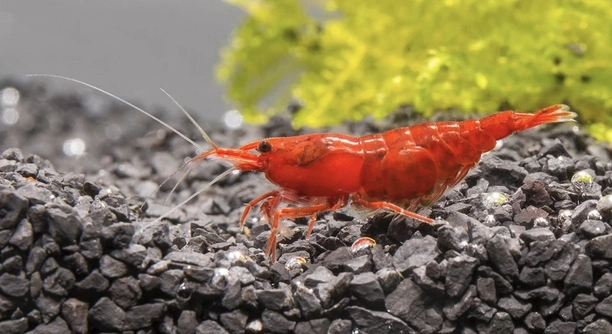
Cherry shrimp are small freshwater creatures that thrive in well-established aquariums. Their diet mainly consists of naturally occurring biofilms, which grow on surfaces like plants, rocks, and substrate. These biofilms are essential for their growth and health.
Cherry shrimp feed on several types of biofilm, including bacterial films, algal films, fungal films, detrital films, mixed-species biofilms, surface microfilms, and periphyton. Each type provides specific nutrients, supporting shrimp growth, molting cycles, and overall vitality within their aquatic environment.
Knowing the different biofilms cherry shrimp consume helps maintain a balanced tank ecosystem. This information ensures healthier shrimp and a more sustainable, thriving aquatic habitat.
Bacterial Biofilm
Bacterial biofilm is one of the primary foods for cherry shrimp. It forms naturally on tank surfaces, often appearing as a thin, slimy layer. These films consist mainly of bacteria, providing essential proteins and nutrients that support shrimp growth and overall health. Maintaining stable water parameters helps encourage bacterial biofilm development. Over-cleaning the tank can remove too much biofilm, leaving shrimp with limited natural food. Observing the tank regularly allows you to see which surfaces are most productive for feeding. Cherry shrimp often graze in areas with moderate light, where bacterial growth is steady but not excessive. Using live plants and smooth stones can increase the surface area for biofilm formation. Tank decor with crevices allows shrimp to reach hidden areas rich in biofilm. It is important to supplement their diet when biofilm is scarce to prevent malnutrition. Balanced nutrition ensures healthy molting and vibrant coloration for your shrimp.
Bacterial biofilm provides a reliable, nutrient-rich food source that supports shrimp health and growth consistently.
Keeping bacterial biofilm abundant requires careful balance of cleaning, plant coverage, and minimal chemical interference to sustain shrimp well-being in the tank.
Algal Biofilm
Algal biofilm appears as a greenish layer on plants, rocks, and aquarium glass. It forms from microscopic algae that grow in well-lit areas. Cherry shrimp graze on this layer, consuming both algae cells and the microbacteria embedded within. The algae supply carbohydrates and small amounts of protein, which help maintain energy levels and support molting. Light intensity and duration directly influence algae growth, so controlling these factors ensures a steady food supply. Introducing slow-growing plants can help balance algae levels while still providing biofilm surfaces. Algal biofilm often attracts shrimp to certain areas, encouraging natural foraging behavior. By observing feeding patterns, it is possible to identify which spots are most productive for grazing. Too much algae may cause water quality issues, so moderation is key. Feeding supplements can complement algae when growth slows during low-light periods, keeping shrimp healthy and active.
Algal biofilm gives cherry shrimp essential energy while promoting natural grazing behavior and overall vitality.
Light management, plant placement, and supplemental feeding ensure algal biofilm remains available without affecting water quality or shrimp health.
Fungal Biofilm
Fungal biofilm forms on decaying plant matter and tank surfaces. Cherry shrimp feed on these films to gain proteins and nutrients not found in bacterial or algal layers. They often target areas with decomposing leaves or driftwood where fungi are actively growing.
Fungal biofilm provides a mix of nutrients that complements other biofilms. It develops naturally in tanks with organic material, such as fallen leaves or wood. Shrimp grazing helps break down the material, cycling nutrients back into the ecosystem. Maintaining proper water conditions and avoiding excessive cleaning allows fungal biofilm to thrive. Over-cleaning or removing all organic debris can limit fungal growth, reducing food availability. Observing which surfaces attract shrimp helps identify active fungal biofilms. This type of biofilm supports molting and reproductive health, adding variety to their diet. Supplementing food may be necessary in sterile setups to maintain nutrition.
Shrimp often seek fungal biofilm in shaded areas or near decaying matter, making naturalistic tank setups ideal. Driftwood and leaf litter provide both food and shelter, encouraging grazing behavior while supporting biodiversity within the tank. Careful balance of cleaning and supplementation ensures shrimp have continuous access to fungal biofilm for healthy development.
Detrital Biofilm
Detrital biofilm forms from decomposing organic matter like leftover food, plant fragments, and waste. Cherry shrimp feed on it constantly, scraping the film off surfaces to extract nutrients. It is a rich source of proteins, minerals, and microorganisms.
Detrital biofilm sustains shrimp when other food sources are limited. This biofilm contains a combination of microorganisms and decomposed material that supports energy needs and overall health. Shrimp graze on it from substrate, decorations, and plant surfaces, making it essential for active feeding. Regular observation helps identify areas where detritus accumulates naturally. Avoiding over-cleaning ensures the biofilm remains accessible. Supplementing with high-quality sinking foods can complement detrital biofilm during periods of low accumulation. Its presence encourages natural foraging behavior and keeps shrimp engaged, supporting healthy growth and vibrant coloration.
Maintaining detrital biofilm requires a balance between cleaning excess debris and leaving enough organic material for shrimp to graze on. Proper tank management, including controlled feeding and periodic water changes, ensures a sustainable source of detrital biofilm without compromising water quality.
Mixed-Species Biofilm
Mixed-species biofilm combines bacteria, algae, and fungi on tank surfaces. Cherry shrimp feed on these layers for a balanced intake of proteins, carbohydrates, and minerals. Grazing on mixed-species biofilm supports their overall health and vitality naturally.
This biofilm forms where conditions allow multiple microorganisms to coexist. It provides a diverse nutrient source that single-species biofilms cannot fully supply. Shrimp often prefer these areas for grazing, as they offer variety in their diet. Observing shrimp feeding patterns can indicate the most productive zones in the tank.
Surface Microfilm
Surface microfilm develops on smooth surfaces like glass, stones, and tank ornaments. Cherry shrimp scrape these films for nutrients, often in areas exposed to moderate light and water flow. These films are thin but consistently available, supporting daily feeding needs.
Periphyton
Periphyton consists of algae, bacteria, and other microorganisms attached to submerged plants. Cherry shrimp feed on it regularly, gaining energy and essential nutrients. Maintaining plants and stable water conditions encourages periphyton growth, providing a reliable food source within the aquarium.
Fungal Mats
Fungal mats grow on decaying wood and leaves, offering a concentrated nutrient source. Cherry shrimp graze on these mats, especially in shaded areas where growth is most abundant.
FAQ
What is the main type of biofilm cherry shrimp eat?
Cherry shrimp primarily feed on bacterial and algal biofilms. These are naturally growing layers on plants, rocks, and tank surfaces. Bacterial biofilm provides protein and essential nutrients, while algal biofilm supplies carbohydrates and energy. Together, they form a balanced natural diet that supports growth and molting.
How do I encourage biofilm growth in my tank?
Maintaining stable water parameters, avoiding over-cleaning, and providing surfaces like plants, driftwood, and smooth stones encourages biofilm formation. Moderate lighting helps algae grow without causing excessive blooms. Introducing leaves or other organic matter can promote fungal and detrital biofilms. Observing shrimp behavior can identify areas where biofilm is actively growing.
Is feeding supplements necessary if biofilm is present?
Even in established tanks, biofilm may not always provide complete nutrition. Supplements like sinking pellets or powdered foods can fill gaps in protein, vitamins, and minerals. Adding small amounts ensures shrimp remain healthy, especially during early tank setups or periods of low biofilm availability.
Can biofilm grow too much in the tank?
Yes, excessive biofilm, especially algal layers, can affect water quality. Overgrowth may increase ammonia or nitrate levels, impacting shrimp health. Regular observation and balanced lighting, along with controlled feeding, prevent excessive buildup while maintaining a sustainable food source.
Do all biofilms provide the same nutrients?
No, different biofilms offer distinct nutrients. Bacterial biofilm is rich in protein, algal biofilm provides energy, fungal biofilm offers additional proteins and trace minerals, and detrital biofilm contains decomposed organic matter with microorganisms. Mixed-species biofilms combine these benefits, offering a varied diet.
How often should shrimp feed on biofilm?
Cherry shrimp graze continuously throughout the day. Biofilm provides a steady food source, reducing the need for large supplemental feedings. Observing grazing patterns can help determine if supplements are necessary, especially in tanks with low natural biofilm coverage.
Where in the tank is biofilm most abundant?
Biofilm commonly grows on plant leaves, rocks, driftwood, and tank ornaments. Surfaces with moderate light and gentle water flow often produce the densest layers. Shaded areas may host fungal or detrital biofilms, which shrimp actively seek for grazing.
Can over-cleaning harm shrimp by removing biofilm?
Yes, frequent or aggressive cleaning can remove essential biofilms, reducing natural food availability. Leaving some organic matter, such as leaves or driftwood, and avoiding excessive scraping allows shrimp to access nutrients continuously, supporting healthy growth and molting cycles.
Are biofilms safe for shrimp?
Properly established biofilms are safe and natural for cherry shrimp. Avoid adding chemicals or medications directly to surfaces with biofilm, as these can harm both microorganisms and shrimp. Observing shrimp health and water quality ensures the environment remains safe and productive.
How do I balance biofilm and supplemental feeding?
Monitor shrimp grazing behavior to determine natural food availability. Use small portions of supplemental food to prevent overfeeding, which can create excess detritus. Ensuring biofilm is accessible while providing occasional supplements supports health, reproduction, and overall activity in the tank.
Do juvenile shrimp feed on biofilm differently than adults?
Juvenile shrimp rely heavily on biofilm for growth, as it supplies easily digestible nutrients and microorganisms. Adults continue grazing but may also consume more supplemental foods. Providing varied biofilm types helps all life stages thrive and ensures consistent nutrition.
What role does biofilm play in molting?
Biofilm is critical for successful molting. Protein-rich bacterial and fungal biofilms strengthen the exoskeleton, while algal and detrital layers provide energy for the process. Consistent access to biofilm reduces stress during molting and supports healthy shrimp development.
Can I introduce biofilm from another tank?
Yes, transferring surfaces with established biofilm can help seed a new tank. Leaves, driftwood, or decorations with healthy biofilm introduce beneficial microorganisms. Care should be taken to avoid transferring pests or unwanted algae along with the biofilm.
How long does it take for biofilm to establish?
Initial biofilm formation can appear within days, but a dense, nutrient-rich layer may take several weeks. Patience and stable conditions are key. Monitoring growth ensures shrimp have continuous access to natural food while supplemental feeding supports early development.
Does water flow affect biofilm growth?
Yes, gentle water flow promotes even nutrient distribution and biofilm development. Stagnant areas may have slower growth, while strong currents can prevent adhesion. Positioning decorations and plants strategically encourages biofilm formation in accessible areas for shrimp.
Can I see biofilm with the naked eye?
Some biofilms, like algal or detrital layers, are visible as slimy or green coatings. Others, particularly bacterial and surface microfilms, are thin and less noticeable. Observing shrimp grazing can indicate the presence of these less visible biofilms.
How does biofilm impact water quality?
Balanced biofilm contributes to nutrient cycling and stabilizes micro-ecosystems. Excessive biofilm may increase waste decomposition, raising ammonia or nitrate levels. Regular monitoring and controlled feeding prevent negative impacts while maintaining a healthy natural food source for shrimp.
Are all biofilms edible for cherry shrimp?
Most naturally occurring biofilms in a properly established tank are safe to eat. Artificially grown or chemically treated surfaces should be avoided, as they may contain substances harmful to shrimp. Observing shrimp behavior can confirm safe and accessible biofilm areas.
How often should I check biofilm levels?
Regular observation every few days helps track growth and ensure shrimp have sufficient access. Noticing overgrowth or scarcity allows adjustments to feeding, cleaning, and lighting. Maintaining a balance keeps the tank ecosystem stable and shrimp healthy.
Can biofilm support breeding shrimp?
Yes, biofilm provides essential nutrients that promote reproductive health. Adults with access to varied biofilm types have higher egg production, and juveniles gain proper nutrition for growth. Ensuring diverse biofilm types supports long-term breeding success in the tank.
What is the easiest biofilm to maintain?
Algal and bacterial biofilms are the easiest to maintain, forming naturally on most tank surfaces under moderate lighting and stable water conditions. Fungal, detrital, and mixed-species biofilms may require organic material or shaded areas but provide added nutritional variety.
Can I overfeed if biofilm is abundant?
Yes, adding too much supplemental food can lead to water quality issues even with ample biofilm. Observing grazing patterns and providing small amounts prevents waste accumulation while ensuring shrimp remain nourished.
Do biofilms change with tank age?
Biofilm composition and abundance evolve as a tank matures. Newly established tanks may have sparse biofilm, while mature tanks support multiple types. Patience and proper maintenance allow shrimp to access diverse, nutrient-rich biofilms over time.
Are there any risks with biofilm diversity?
Diverse biofilms generally benefit shrimp, but excessive growth of algae or fungi can affect water quality. Maintaining balance, monitoring conditions, and supplementing when needed ensures shrimp access safe and nutritious biofilms consistently.
How do I know if shrimp are eating enough biofilm?
Healthy shrimp display active grazing, bright coloration, and regular molting. Slow growth, pale coloration, or inactivity may indicate insufficient biofilm. Adjusting tank conditions and providing supplemental food helps maintain proper nutrition.
Can biofilm help during water parameter fluctuations?
Biofilm offers a stable food source even when minor water fluctuations occur. Its presence reduces stress by supplying consistent nutrition. Maintaining stable water parameters alongside biofilm ensures shrimp remain healthy and active.
What surfaces produce the most biofilm?
Rough stones, plant leaves, driftwood, and tank decorations with crevices encourage dense biofilm formation. Smooth surfaces support thinner layers. Observing shrimp grazing highlights areas with the richest biofilm for natural feeding.
How do I balance biofilm with tank cleaning?
Clean selectively, removing debris without scraping all surfaces. Leaving leaves, wood, or ornaments intact allows biofilm to persist while preventing excess waste accumulation. Controlled water changes support biofilm growth and maintain tank hygiene.
Does biofilm impact shrimp behavior?
Yes, biofilm encourages natural grazing, exploring, and foraging behaviors. Shrimp spend much of their time feeding on biofilm, which keeps them active and reduces stress. Providing varied biofilm types supports these behaviors consistently.
Can I grow biofilm intentionally?
Yes, introducing driftwood, leaves, and slow-growing plants encourages biofilm growth. Moderate lighting, stable water parameters, and occasional organic matter additions help create a predictable, nutrient-rich source for shrimp.
How long does biofilm last on surfaces?
Biofilm persists as long as conditions remain stable. Cleaning, water changes, and feeding affect growth. Dense biofilm layers may take weeks to rebuild after removal, so minimizing disturbance ensures continuous access for shrimp.
What is the role of detrital biofilm in shrimp nutrition?
Detrital biofilm contains decomposed plant matter, leftover food, and microorganisms. It provides protein, minerals, and energy, supporting growth, reproduction, and molting. Shrimp actively graze detrital biofilm from substrate, decorations, and plants, making it an essential component of a natural diet.
Can biofilm prevent dietary deficiencies?
Yes, biofilm supplies essential proteins, carbohydrates, minerals, and vitamins. A variety of biofilms ensures balanced nutrition, reducing the risk of deficiencies and promoting healthy development for both juveniles and adults.
Do water temperature and pH affect biofilm growth?
Yes, stable temperatures and suitable pH levels promote healthy biofilm. Fluctuations can slow growth or favor certain microorganisms, altering nutrient availability. Maintaining optimal water conditions supports consistent biofilm production for shrimp feeding.
How can I tell if biofilm is insufficient?
Signs include shrimp foraging excessively, pale coloration, slow growth, or reduced molting. Observing feeding behavior and supplementing food when biofilm is low helps maintain proper nutrition and health.
Does biofilm attract other organisms?
Yes, biofilm can attract microorganisms, snails, and microfauna. These organisms may benefit shrimp by providing additional grazing opportunities but can compete for resources if uncontrolled. Monitoring tank balance ensures a healthy ecosystem.
Is mixed-species biofilm more beneficial than single-species?
Mixed-species biofilm provides a more varied nutrient profile, combining proteins, carbohydrates, and minerals from multiple microorganisms. This variety supports overall health, molting, and reproduction more effectively than single-species biofilm alone.
Can biofilm survive in a heavily filtered tank?
Yes, but heavily filtered tanks may reduce organic material and microorganism presence. Providing surfaces like plants, driftwood, and leaves allows biofilm to persist even with strong filtration. Monitoring growth ensures shrimp continue to access sufficient natural food.
How important is biofilm compared to commercial shrimp food?
Biofilm is essential for natural nutrition, supporting growth, molting, and reproduction. Commercial foods supplement biofilm but cannot fully replace the variety of nutrients and microorganisms provided by natural biofilm layers. A combination of both ensures optimal shrimp health.
What is the best way to maintain biofilm over time?
Encourage natural growth by balancing cleaning, lighting, and feeding. Provide surfaces for attachment and allow organic matter to remain in the tank. Observe shrimp feeding and tank conditions, adjusting maintenance to ensure biofilm remains abundant and nutritious.
How do juvenile and adult shrimp differ in biofilm consumption?
Juveniles rely heavily on easily digestible biofilm for rapid growth. Adults graze on a variety of biofilms but may also consume supplemental food. Providing diverse biofilms ensures both life stages receive adequate nutrition.
Does biofilm improve shrimp coloration?
Yes, protein-rich and nutrient-dense biofilms contribute to vibrant coloration. Shrimp with consistent access to diverse biofilms display richer red hues, healthier exoskeletons, and more active behavior.
Can biofilm survive chemical treatments?
Chemical treatments, such as medications or water conditioners, can damage or kill biofilm. Avoid applying chemicals directly to biofilm surfaces. Use treatments sparingly and monitor shrimp health, supplementing natural food if needed.
How long should biofilm be left undisturbed after cleaning?
Allow at least several days for biofilm to re-establish on cleaned surfaces. Minimizing disturbance ensures shrimp have a steady food source while microorganisms recolonize the area naturally.
Does tank size affect biofilm availability?
Larger tanks provide more surfaces for biofilm growth, while smaller tanks may require careful monitoring to maintain sufficient layers. Providing plants, decorations, and driftwood increases available grazing areas regardless of tank size.
Can biofilm support shrimp during fasting periods?
Yes, biofilm provides a continuous nutrient source when supplemental feeding is paused. Its availability helps prevent stress and supports essential growth and molting functions.
What is the role of algae in mixed-species biofilm?
Algae in mixed-species biofilm supply carbohydrates, energy, and additional nutrients. When combined with bacterial and fungal components, it creates a well-rounded diet that supports active grazing and overall shrimp health.
Does biofilm contribute to tank stability?
Yes, biofilm supports microbial balance, nutrient cycling, and natural feeding behavior. Healthy biofilm helps stabilize the ecosystem, benefiting water quality, shrimp activity, and overall tank health.
Can biofilm be encouraged on new decorations?
Yes, introducing new driftwood, stones, or plants allows biofilm to colonize over time. Keeping water conditions stable and providing moderate light helps microorganisms establish quickly, creating a reliable food source for shrimp.
How do I know when to supplement if biofilm is low?
Monitor shrimp behavior, growth, and coloration. Signs of insufficient grazing, such as slow movement or pale shells, indicate the need for supplemental feeding. Small, controlled portions prevent overfeeding while maintaining natural grazing habits.
Are there seasonal effects on biofilm in planted tanks?
Yes, light intensity and temperature changes can influence growth rates. Shrimp may require more supplemental food during slower biofilm growth periods. Monitoring tank conditions ensures continuous access to sufficient nutrition year-round.
Can biofilm support other tank inhabitants?
Yes, snails, microfauna, and some fish may graze on biofilm. While this adds diversity, it may reduce availability for shrimp. Observing species interactions helps balance biofilm consumption among all inhabitants.
How does biofilm affect shrimp molting success?
Biofilm supplies proteins, minerals, and energy essential for exoskeleton formation. Regular access reduces molting stress, promotes faster recovery, and supports healthy growth, especially in juvenile shrimp.
Is biofilm easier to maintain in planted or bare tanks?
Planted tanks provide more surfaces and organic matter, supporting diverse biofilm types. Bare tanks may require supplemental surfaces like stones and driftwood to encourage growth, making management slightly more challenging but still achievable.
Does biofilm composition change with light exposure?
Yes, algae-dominated biofilms form in brighter areas, while fungal and detrital layers thrive in shaded spots. Providing varied light and surface conditions encourages multiple biofilm types for a balanced diet.
Can I use store-bought biofilm starters?
Yes, biofilm starters containing beneficial bacteria can accelerate colonization. They help establish healthy layers quickly, particularly in new tanks, ensuring shrimp have access to natural food while biofilms develop fully.
How important is biofilm diversity for long-term shrimp health?
Diverse biofilms provide balanced nutrition, essential for growth, reproduction, and vibrant coloration. Relying on a single type may lead to deficiencies, while multiple biofilm sources support a stable and thriving shrimp population.
Can overfeeding supplements harm natural biofilm?
Yes, excess food can promote unwanted bacterial or fungal blooms that outcompete natural biofilm. Controlled supplemental feeding ensures biofilm remains accessible and nutritious for grazing shrimp.
What role does biofilm play in juvenile development?
Juveniles require nutrient-rich biofilm for growth and molting. Access to multiple biofilm types ensures proper development, energy supply, and survival during early life stages.
How can I track biofilm health in my tank?
Observe shrimp grazing activity, color, and growth. Areas where shrimp feed consistently indicate healthy biofilm. Monitoring water quality alongside visual checks ensures biofilm remains productive and safe.
Does biofilm influence shrimp social behavior?
Yes, abundant biofilm encourages natural foraging, reduces competition for food, and supports active movement. Shrimp exhibit calmer, more consistent behavior when food is readily available.
Can biofilm be grown without plants?
Yes, using driftwood, stones, and tank decorations provides surfaces for biofilm. Light management and stable water parameters help maintain growth even in unplanted tanks.
How do I prevent harmful microorganisms in biofilm?
Maintaining water quality, controlling light and feeding, and avoiding contaminated decorations reduces harmful microorganisms. Healthy biofilm develops naturally from balanced microbial communities, supporting safe grazing for shrimp.
Does biofilm support long-term tank stability?
Yes, biofilm contributes to nutrient cycling, microbe balance, and natural feeding behavior. A thriving biofilm ensures a stable, healthy environment for shrimp over time.
Can biofilm improve shrimp immune health?
Yes, biofilm provides nutrients and beneficial microorganisms that strengthen shrimp immunity. Consistent grazing supports disease resistance and overall vitality.
What is the best strategy for biofilm management?
Encourage natural growth, monitor grazing behavior, provide diverse surfaces, and supplement when necessary. Balancing cleaning, feeding, and water quality ensures shrimp have continuous access to nutritious biofilm.
Does biofilm change with tank population density?
Higher shrimp densities increase grazing pressure, which may reduce biofilm availability. Providing more surfaces and controlled feeding maintains adequate food for all inhabitants.
Can biofilm recover after disturbances?
Yes, given stable water conditions and available surfaces, biofilm will recolonize removed areas within days to weeks. Minimal disturbance ensures continuous grazing opportunities.
Is biofilm affected by water hardness?
Water hardness influences microbial growth slightly. Moderate hardness levels support healthy biofilm, while extreme values may slow colonization or favor certain microorganisms. Regular monitoring helps maintain optimal conditions.
Do shrimp prefer specific biofilm types?
Shrimp may favor mixed-species and detrital biofilms for nutrient variety. However, they graze on all types, with preferences influenced by availability, tank setup, and individual behavior.
How often should decorations be cleaned to protect biofilm?
Clean decorations sparingly, removing only excessive debris. Leaving surfaces undisturbed allows biofilm to thrive while maintaining hygiene and preventing nutrient loss.
Can biofilm survive in low-light tanks?
Yes, bacterial, fungal, and detrital biofilms persist even in low light. Algal biofilms may be limited, but shrimp can rely on other biofilms for nutrition, supplemented as needed.
How does temperature affect biofilm growth?
Stable, moderate temperatures promote steady biofilm formation. Fluctuating or extreme temperatures may slow growth or alter microbial composition, impacting nutrient availability for shrimp.
Does biofilm contribute to shrimp coloration consistently?
Final Thoughts
Cherry shrimp rely heavily on biofilm as a natural and essential part of their diet. The various types of biofilm, including bacterial, algal, fungal, detrital, mixed-species, surface microfilm, and periphyton, each contribute different nutrients and benefits. Bacterial biofilm supplies protein that supports growth and molting, while algal biofilm provides carbohydrates and energy. Fungal and detrital biofilms add minerals and other nutrients that shrimp cannot get from single-species layers. Mixed-species biofilms combine the benefits of multiple microorganisms, creating a balanced and varied food source. Surface microfilm and periphyton offer consistent grazing areas that shrimp can access daily. By providing these biofilm types naturally in the tank, shrimp receive a nutrient-rich diet without relying solely on commercial foods. Maintaining these biofilms ensures shrimp remain active, healthy, and capable of successful reproduction.
Maintaining biofilm in an aquarium requires careful observation and balance. Over-cleaning tank surfaces can remove essential biofilm, leaving shrimp with limited natural food. At the same time, allowing organic matter to accumulate excessively can affect water quality. Stable water parameters, moderate lighting, and suitable tank decorations such as plants, stones, and driftwood encourage biofilm growth while supporting natural grazing behavior. Introducing fallen leaves or other organic matter can further promote fungal and detrital biofilms, giving shrimp additional nutrient sources. Observing shrimp behavior helps identify which surfaces produce the most biofilm and which areas are most frequently grazed. Supplemental feeding can be used to fill any nutritional gaps, especially in newly established tanks or during periods of slow biofilm growth. A balance of natural biofilm and controlled supplements ensures shrimp have access to both variety and sufficient nutrients at all life stages.
Understanding the role of biofilm is key to creating a sustainable and thriving shrimp tank. Biofilm supports natural feeding patterns, encourages active exploration, and provides essential nutrition for growth, molting, and reproduction. Its presence also contributes to a stable micro-ecosystem within the aquarium, helping maintain nutrient cycling and microbial balance. By prioritizing biofilm management, shrimp owners can reduce stress on their shrimp, improve overall health, and maintain vibrant coloration. Taking time to observe biofilm development and shrimp feeding behavior allows adjustments to tank care routines, ensuring a consistent and accessible food source. Over time, shrimp benefit from the variety and richness of nutrients provided by the different biofilm types, resulting in stronger, healthier, and more active individuals. Properly maintained biofilm, combined with occasional supplementation, forms the foundation of a balanced diet and a thriving aquarium environment for cherry shrimp.

Hello,
If you enjoy the content that we create, please consider saying a "Thank You!" by leaving a tip.
Every little bit helps us continue crafting quality advice that supports the health, happiness, and well-being of pets around the world, for pets of all shapes, sizes, and species.
We really appreciate the kindness and support that you show us!