
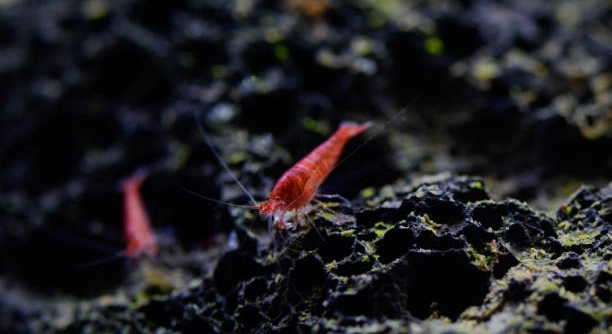
Do your cherry shrimp seem unsettled under certain lighting conditions, prompting you to wonder how their tiny world is affected by changes in brightness and duration of light within their aquarium environment each day today.
Cherry shrimp can experience stress from improper lighting because excessive brightness, abrupt shifts, or extended exposure disrupt their natural rhythms. Maintaining moderate intensity and steady lighting schedules supports their balance and reduces behavioral signs of discomfort linked to lighting conditions.
Proper lighting awareness helps you create a calmer habitat that supports behaviors and encourages steady well being for your shrimp.
How Lighting Influences Cherry Shrimp Behavior
Lighting plays a central role in shaping how cherry shrimp behave in their tanks, and understanding these effects helps you make practical adjustments with confidence. When lighting is too bright, shrimp often hide more than usual, choosing shaded spots as a way to protect themselves from harsh illumination that feels overwhelming. Constant exposure to strong light can also interfere with their natural feeding habits, since they feel safer moving around in softer conditions. On the other hand, lighting that is too dim may limit their activity, making them less visible and reducing their typical lively movements. Consistent lighting schedules give them a sense of stability, helping their bodies adapt to predictable patterns throughout the day. When you provide balanced lighting, you support their comfort while encouraging healthy behaviors. Thoughtful changes create an environment where your shrimp can feel secure, active, and fully adjusted to their surroundings.
Small lighting adjustments can make a noticeable difference in their daily comfort. By keeping intensity moderate and transitions smooth, you help prevent unnecessary stress. Reliable timing encourages steady activity and supports healthier patterns, giving your shrimp a chance to thrive with fewer disruptions affecting their sense of balance each day.
Balanced lighting routines also make it easier to observe natural behaviors without disturbing your shrimp. When lighting feels comfortable, they explore more freely, graze with confidence, and show their natural colors more consistently. Gentle lighting transitions mimic the slow changes they would experience outdoors, giving them a calm rhythm that supports healthy interactions. Stability in their environment reduces sudden reactions that come from unexpected brightness shifts. By maintaining predictable lighting, you help them feel at ease and reduce the chances of stress building over time. This steady approach encourages healthier activity while allowing them to remain relaxed and expressive overall.
Creating a Lighting Setup That Supports Shrimp Comfort
A well managed lighting setup helps reduce unnecessary stress and keeps cherry shrimp comfortable throughout the day. Moderate brightness, consistent timing, and smooth transitions form the foundation of a stable environment that supports their natural behaviors and reduces avoidable disturbances caused by sudden changes in their daily tank routine gently.
Designing a lighting setup that supports cherry shrimp comfort begins with selecting an intensity level that feels gentle rather than overpowering. Bright lights may highlight the tank beautifully, but they can cause shrimp to retreat into hiding, reducing the natural activity that signals a healthy environment. Choosing moderate brightness helps them feel secure enough to graze, explore, and interact throughout the day. In addition to intensity, the length of time the lights remain on is equally important. Long periods of exposure can disrupt their natural rhythm, making them less active and more reactive. A consistent daily schedule gives them predictable cues, allowing their bodies to adjust to a steady pattern. Smooth transitions between light and darkness create a calming effect that prevents sudden changes from startling them. Many aquarists find that using timers makes this process dependable and simple. By maintaining a balanced approach that avoids extremes, you help create a space where shrimp adapt easily. Their comfort improves when lighting supports stability, rhythm, and gentle illumination rather than abrupt or harsh conditions. When each factor works together harmoniously, the tank becomes a place where shrimp can thrive with steady confidence in their calm and well balanced aquatic home environment.
xxxxxxxxxxxxxxxxxxx
Lighting fluctuations influence how cherry shrimp react to their environment, making it important to keep conditions steady. Sudden brightness changes can cause them to hide or become less active, and maintaining predictable patterns helps them stay comfortable without reacting to unnecessary disturbances in their tank.
Cherry shrimp respond best to environments where lighting remains stable, giving them a sense of security that supports natural movement and feeding. When lights shift abruptly, they may become startled and retreat into shaded areas, interrupting their usual rhythm. Consistent timing allows their bodies to adjust smoothly throughout the day, encouraging a calm and steady pace. By keeping brightness levels moderate, you reduce the risk of overwhelming them, especially during active hours. A well balanced approach prevents discomfort while helping them show their colors more clearly. With steady lighting choices, you create conditions that feel familiar, gentle, and easier for them to navigate without stress.
Creating a predictable lighting pattern also supports healthier grazing behavior. Cherry shrimp rely on steady surroundings to move around confidently, and lighting that feels comfortable helps them explore the tank with less hesitation. Stability in their environment reduces unnecessary hiding and encourages consistent activity throughout the day. When lighting is appropriate, they interact more with surfaces, cleaning algae and biofilm at their usual pace. This balanced routine benefits both their comfort and the overall look of the tank. By avoiding oversights like sudden intensity shifts or long exposure times, you strengthen their ability to remain calm. Giving them a consistent foundation ensures their daily behavior remains smooth and steady.
xxxxxxxxxxxxxxxxxxx
Cherry shrimp depend on lighting stability to maintain calm behaviors, and keeping a gentle pattern helps them stay active without reacting to unnecessary stress. Adjusting brightness and duration with care supports their daily comfort and prevents disruptions that may affect their well being over time.
A thoughtful lighting approach focuses on steady rhythms that allow shrimp to adapt comfortably. Keeping intensity moderate reduces the risk of overwhelming them, allowing their natural behavior to stay consistent. Shrimp that feel secure typically graze more often and remain visible throughout the day, which signals a balanced tank. Managing duration ensures they receive enough rest without interruption, since extended exposure can disrupt their rhythm and make them more reactive. Smooth transitions between brightness levels prevent sudden shocks that cause retreating or rapid movement. Using timers or gradual dimming tools helps maintain predictable cycles that feel soothing rather than abrupt. By paying attention to how lighting influences their comfort, you support a healthier environment that prioritizes stability. Keeping these factors in harmony helps your shrimp remain calm, steady, and well adjusted in their daily routine.
xxxxxxxxxxxxxxxxxxx
Stable lighting helps cherry shrimp remain calm by giving them predictable conditions that support natural activity. When brightness stays consistent, they explore more freely and show healthier behavior. Maintaining this balance prevents unnecessary stress and keeps their environment steady throughout their daily routine.
Small adjustments in intensity and duration can create a noticeable improvement in their comfort. Gentle transitions help them settle into a smooth rhythm that reduces sudden reactions. Consistent lighting choices encourage steady movement, allowing them to interact with their surroundings without interruptions that may affect their well being.
xxxxxxxxxxxxxxxxxxx
Cherry shrimp rely on a balanced lighting schedule to support consistent behavior and reduce stress. A steady routine makes their habitat feel safe enough for natural exploring, grazing, and resting. Keeping brightness levels moderate prevents overwhelming sensations that could cause hiding or restlessness. Smooth transitions between lighting phases protect them from abrupt shifts that may lead to discomfort. Limiting long exposure periods ensures they receive adequate downtime, keeping their rhythm stable throughout the day. Attention to these details gives them a calm foundation and supports more predictable daily patterns.
xxxxxxxxxxxxxxxxxxx
Balanced lighting conditions help cherry shrimp feel secure, allowing them to display natural colors and steady movement. When their environment remains consistent, they adapt more easily and maintain healthier patterns. Thoughtful lighting choices strengthen their comfort and promote reliable behavior within their tank.
FAQ
Can cherry shrimp get stressed by too much light?
Yes, cherry shrimp can experience stress when exposed to excessive lighting. Bright light can make them feel unsafe, prompting them to hide or reduce activity. Over time, this stress may impact feeding patterns and their overall health. Moderate, consistent lighting is essential to prevent these issues.
How can I tell if my shrimp are stressed by light?
Signs of stress include hiding more than usual, reduced movement, loss of color, or irregular feeding. They may also cling to shaded areas or decorations for extended periods. Observing their normal behavior and noting sudden changes helps identify if lighting is affecting them.
What is the ideal lighting intensity for cherry shrimp?
Moderate intensity is best. Bright, harsh lights can cause hiding and agitation, while dim lighting supports natural movement and activity. Choosing a level that illuminates the tank without overwhelming the shrimp creates a comfortable environment. Gradual adjustments help them adapt smoothly.
How long should the lights be on each day?
A consistent schedule of 8 to 10 hours per day is typically sufficient. Extended exposure can disrupt their natural rhythm, while very short periods may reduce activity and feeding. Using a timer ensures predictability and stability for the shrimp.
Should I turn off lights gradually or suddenly?
Gradual transitions are better for reducing stress. Sudden changes can startle them and trigger hiding or rapid movement. Using dimmers or timers to mimic natural light changes supports a calmer environment and steady daily patterns.
Can colored or LED lighting affect stress levels?
Yes, very intense or overly bright LEDs may cause stress, especially if they emit harsh blue or white light. Soft, diffused lighting in natural tones is less likely to disturb them and encourages normal activity without triggering defensive behavior.
Do shrimp need a completely dark period at night?
Yes, a dark period allows them to rest and maintain a natural cycle. Continuous light disrupts their routine and can lead to stress. Ensuring a consistent day-night rhythm supports both activity and overall well-being.
Can tank decorations help reduce light stress?
Decorations, plants, and hiding spots provide shaded areas where shrimp can retreat if the light is uncomfortable. Adding moss, driftwood, or tall plants allows them to control exposure, reducing stress and promoting natural behavior.
How does lighting interact with water temperature and quality?
Lighting indirectly affects temperature, especially if bulbs generate heat. Overheating can stress shrimp, and fluctuating water conditions worsen the effect of poor lighting. Balanced light intensity, stable temperature, and clean water work together to create a stress-free environment.
Is it necessary to change lighting based on shrimp life stage?
Juvenile shrimp may be more sensitive to bright light than adults. Reducing intensity or providing extra shaded areas helps younger shrimp acclimate safely. Adults benefit from stable, moderate lighting that matches the established day-night cycle, supporting consistent behavior and health.
Can stress from lighting affect breeding?
Yes, stressed shrimp are less likely to breed. Unstable or harsh lighting can disrupt feeding, activity, and social behavior, reducing reproduction. Maintaining predictable, moderate lighting encourages healthy interaction and supports successful breeding conditions.
Are there tools to help manage lighting effectively?
Timers, dimmers, and adjustable LED fixtures provide control over intensity and duration. These tools make it easier to maintain a consistent schedule and avoid sudden changes that could stress shrimp, supporting overall tank stability.
How quickly do shrimp recover from light stress?
Recovery depends on the duration and severity of exposure. Providing a stable environment with appropriate lighting usually allows shrimp to regain normal behavior within a few days. Adding hiding spots and maintaining gentle illumination helps speed recovery.
Can stress from lighting cause disease?
Indirectly, yes. Chronic stress weakens shrimp immunity, making them more susceptible to infections and illness. By keeping lighting moderate and predictable, you support both mental comfort and physical health.
Are there specific light colors that are better for shrimp?
Natural tones or soft white lighting is generally safest. Extremely bright blues or reds may cause agitation. Mimicking natural daylight conditions promotes activity while keeping stress levels low.
How often should lighting be adjusted for tank changes?
Adjustments should be gradual whenever new decorations, plants, or shrimp are added. Sudden changes in tank layout or lighting intensity can be stressful. Slow adaptation allows shrimp to acclimate without disrupting daily behavior.
Does light stress affect shrimp molting?
Yes, excessive or unstable lighting can impact molting, leading to delays or complications. Maintaining a calm, predictable environment helps ensure successful molting and reduces risk of stress-related health problems.
Can stress from lighting be combined with other factors?
Often, yes. High light combined with poor water quality, overcrowding, or temperature fluctuations amplifies stress. Addressing all environmental factors together improves shrimp comfort more effectively than adjusting lighting alone.
What is the most practical approach to prevent light stress?
Moderate brightness, consistent timing, gradual transitions, and shaded areas are key. Using timers and observing shrimp behavior regularly ensures conditions remain comfortable, reducing stress and supporting healthy activity, feeding, and reproduction in the tank.
How important is observation in managing light stress?
Careful observation is essential. Noticing changes in hiding, color, or movement allows timely adjustments. Regular monitoring ensures that lighting remains appropriate, helping shrimp remain calm and behave naturally.
Final Thoughts
Lighting plays a crucial role in maintaining the health and comfort of cherry shrimp. Too much brightness or sudden changes can make them feel unsafe, leading to hiding, reduced activity, or irregular feeding. Over time, this stress can affect their overall well-being, including growth and reproduction. Ensuring moderate lighting and a consistent schedule helps shrimp remain calm and active. By observing their behavior and adjusting light intensity and duration as needed, you can create an environment that feels stable and predictable, which is essential for their daily routine.
Providing shaded areas or tank decorations is also important. Cherry shrimp need spaces where they can retreat when the light feels too strong. Plants, moss, and driftwood not only enhance the tank’s appearance but also give shrimp control over their exposure. These hiding spots allow them to feel secure while maintaining normal activity levels. Combining consistent lighting with adequate shelter reduces stress and encourages natural behaviors, such as grazing and exploring. Gradual transitions between light and dark periods further support a calm rhythm, helping shrimp adjust smoothly to changes without sudden reactions that can disrupt their routine.
Maintaining a stable environment goes beyond lighting alone. Water quality, temperature, and tank layout all interact with light to influence shrimp comfort. Balanced lighting paired with clean water and proper temperature creates a supportive habitat where shrimp can thrive. Observing behavior regularly is key to identifying stress early and making small adjustments before problems escalate. Moderate intensity, consistent schedules, gradual transitions, and sufficient hiding areas work together to create a tank that meets their needs. When these factors are managed thoughtfully, cherry shrimp can remain healthy, active, and comfortable, displaying their natural colors and behaviors throughout the day.

Hello,
If you enjoy the content that we create, please consider saying a "Thank You!" by leaving a tip.
Every little bit helps us continue crafting quality advice that supports the health, happiness, and well-being of pets around the world, for pets of all shapes, sizes, and species.
We really appreciate the kindness and support that you show us!