
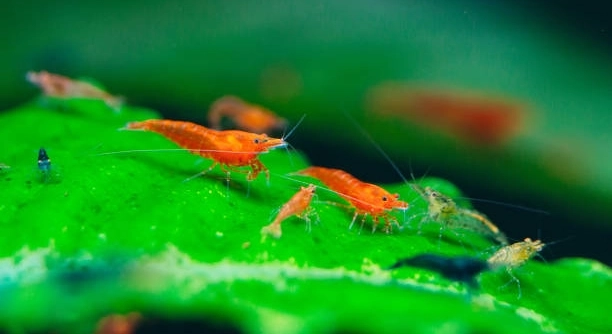
Are your cherry shrimp moving less than usual in their tank? Inactivity can be concerning for hobbyists who take pride in maintaining a vibrant and healthy shrimp community. Observing their behavior closely helps identify underlying issues.
Cherry shrimp may become inactive due to a variety of environmental, dietary, and health-related factors. Common causes include poor water quality, inappropriate temperature, insufficient oxygen, stress from tankmates, lack of hiding places, disease, or inadequate nutrition.
Understanding these factors can help restore their activity and vitality. Proper care and awareness of shrimp needs are essential for a thriving aquarium environment.
Water Quality Issues
Poor water quality is one of the main reasons cherry shrimp may become inactive. Ammonia, nitrite, and nitrate levels that are too high can stress shrimp and slow their movement. Even minor fluctuations in pH or hardness can make them sluggish. Frequent water testing helps detect these changes early. Overfeeding can also contribute to water pollution, as leftover food decomposes and raises toxin levels. Regular partial water changes and careful monitoring of filtration systems are essential to maintain a stable environment. Additionally, tap water treated with chemicals may still contain residues harmful to shrimp. Using a reliable water conditioner and allowing the tank to cycle fully before adding shrimp can prevent sudden shocks. Shrimp are sensitive to rapid changes, so gradual adjustments are necessary when correcting water parameters. Observing shrimp behavior after water changes can indicate whether conditions are improving or if further action is needed. Maintaining consistent, clean water is the foundation of a healthy tank.
Regular monitoring and careful water management keeps shrimp active and healthy.
Maintaining proper water quality is not just about chemical levels. Temperature consistency, gentle water flow, and minimal sudden disturbances also play a significant role. Shrimp respond quickly to environmental stress, so even small changes in lighting, tank placement, or filtration can affect activity. Keeping plants and hiding spaces reduces stress and encourages movement. By observing shrimp daily, you can detect subtle signs of discomfort before they become serious. A stable and clean environment promotes feeding, breeding, and natural behaviors.
Temperature Fluctuations
Sudden or extreme temperature changes can make shrimp inactive. Cherry shrimp thrive in stable, moderate temperatures.
Shrimp are cold-blooded, meaning their metabolism slows when water is too cold or too hot. Even a few degrees’ fluctuation can reduce activity and appetite. Avoid placing tanks near windows, heaters, or air conditioners. Using a reliable aquarium heater or chiller helps maintain consistent temperature. Monitoring the thermometer regularly ensures conditions stay within safe limits. Seasonal changes in room temperature should be considered, especially in unheated spaces. Gradual adjustments are necessary when correcting temperature issues, as sudden shifts can stress or harm shrimp. Tanks with poor insulation or exposed to direct sunlight may heat unevenly, causing localized stress. Maintaining uniform temperature throughout the tank is essential, and adding plants or decorations can help buffer changes. Consistency, combined with careful observation, allows shrimp to remain active and healthy without unnecessary stress.
Keeping water temperature stable supports metabolism, feeding, and overall shrimp activity. Gradual adjustments prevent shock. By managing these factors, inactivity can often be resolved.
Lack of Hiding Places
Shrimp need places to feel secure. Without adequate hiding spots, they may stay still or hide constantly. Plants, rocks, and decorations create natural cover.
Providing plenty of shelters reduces stress and encourages movement. Cherry shrimp naturally explore when they feel safe. Moss, dense plants, and small caves mimic their natural habitat. If the tank is too open, shrimp may cling to corners or decorations, appearing inactive. Hiding spaces also support molting, as shrimp are vulnerable during this process. Observing their behavior with added cover often shows increased activity.
In tanks without sufficient hiding areas, shrimp may stay under leaves or decorations for long periods. This behavior is their way of avoiding perceived threats, including tankmates, sudden movements, or changes in lighting. Adding plants and small structures creates multiple zones where shrimp can feel protected. Driftwood, clay pots, or rock formations also provide vertical and horizontal shelter. Overcrowding should be avoided because even with hiding places, limited space can prevent shrimp from exploring. A well-decorated tank encourages natural movement, reduces stress, and allows shrimp to display normal behavior patterns.
Poor Nutrition
Shrimp need balanced food to stay active. Lack of proper nutrients can make them lethargic.
Feeding shrimp an appropriate diet supports growth, molting, and activity. They require a mix of algae, biofilm, and specially formulated shrimp pellets. Overfeeding can pollute water, but underfeeding leads to low energy and reduced movement. Supplementing with blanched vegetables provides essential vitamins and minerals, promoting overall health. Shrimp will often forage more actively when food variety is available. Monitoring their eating habits helps detect changes in appetite that indicate stress or illness. Proper nutrition combined with clean water and suitable habitat encourages natural behavior and regular activity.
Stress from Tankmates
Aggressive or large tankmates can intimidate cherry shrimp. They may stay hidden or freeze to avoid confrontation.
Shrimp kept with overly active or predatory fish often reduce movement. Even small, fast fish can cause stress, limiting feeding and exploration. A peaceful community ensures shrimp feel safe and remain active.
Disease or Parasites
Illness can significantly reduce shrimp activity. Symptoms include lethargy, discoloration, and unusual behavior. Maintaining clean water, observing shrimp daily, and quarantining new additions helps prevent the spread of disease. Prompt treatment is necessary to restore health and activity.
Overcrowding
Too many shrimp in one tank reduces movement and increases stress.
High population density limits space for foraging and hiding. Shrimp may become sluggish, fail to molt properly, and show signs of stress. Keeping appropriate numbers ensures healthier, more active shrimp.
How can I tell if my cherry shrimp is stressed?
Stress in cherry shrimp often shows through changes in behavior. They may stay hidden for long periods, move very slowly, or avoid feeding. Loss of color, frequent hiding, or staying at the bottom of the tank are common indicators. Observing them daily helps detect early signs.
What is the ideal water temperature for cherry shrimp?
Cherry shrimp thrive in stable water temperatures between 72°F and 78°F. Temperatures outside this range can slow their metabolism or increase stress. Sudden changes should be avoided, and using a reliable heater or chiller helps maintain consistency. Regular monitoring ensures conditions remain optimal.
How often should I change the water?
Partial water changes of 10–20% weekly are recommended to maintain water quality. Frequent testing for ammonia, nitrites, and nitrates ensures toxin levels remain low. Avoid changing too much water at once, as sudden shifts can stress the shrimp.
What foods are best for cherry shrimp?
A varied diet is essential. High-quality shrimp pellets, blanched vegetables like zucchini or spinach, and naturally growing algae provide necessary nutrients. Occasional supplements of calcium-rich foods help with molting. Feeding small portions daily prevents overfeeding and water contamination.
Why are my shrimp hiding all the time?
Hiding is often a response to stress, poor water conditions, or aggressive tankmates. Providing sufficient plants, moss, and decorations reduces fear. Hiding is normal during molting, but constant concealment may indicate a problem that requires attention to environment or diet.
Can I keep cherry shrimp with other fish?
Peaceful, small fish like neon tetras or small rasboras are compatible, but avoid aggressive or predatory species. Shrimp need safe spaces and low-stress companions. Tank layout, hiding places, and plant density play an important role in minimizing conflict.
How can I improve shrimp activity?
Maintaining stable water parameters, consistent temperature, and proper nutrition increases activity. Adding live plants, moss, and safe decorations encourages exploration. Reducing stress from tankmates or overcrowding also helps. Observing shrimp regularly allows adjustments before inactivity becomes a serious issue.
Why are some shrimp inactive while others are active?
Individual shrimp can respond differently to stress, diet, or environmental changes. Younger or weaker shrimp may stay hidden longer. Tank layout and hiding spots can cause uneven distribution of activity. Ensuring all shrimp have access to food and safe spaces helps balance activity levels.
What signs indicate illness in cherry shrimp?
Symptoms include lethargy, faded colors, erratic swimming, or failure to molt properly. Disease or parasites can spread quickly, so quarantining new shrimp and maintaining clean water is essential. Prompt treatment improves recovery and restores normal activity.
How do I prevent inactivity in the future?
Consistency in water quality, temperature, and feeding routine is key. Providing hiding spaces, avoiding overcrowding, and selecting compatible tankmates helps prevent stress-induced inactivity. Regular observation allows early intervention, keeping shrimp healthy, active, and vibrant.
Can molting affect activity levels?
Yes, shrimp become inactive before and during molting. They may hide to protect themselves while shedding their exoskeleton. Providing safe, secluded spaces and calcium-rich foods supports successful molting and reduces stress, helping shrimp return to normal activity afterward.
How do I know if my shrimp tank is overcrowded?
Signs of overcrowding include limited swimming space, increased hiding, slowed molting, and reduced feeding. Overcrowding raises stress and competition for resources. Following recommended stocking densities based on tank size ensures shrimp remain active and healthy.
Is it normal for shrimp to stay at the bottom of the tank?
Shrimp often stay near the substrate to graze on biofilm or avoid perceived threats. Persistent inactivity at the bottom may indicate poor water quality, stress, or insufficient hiding spaces. Observation and proper tank adjustments can encourage more movement throughout the tank.
What role does lighting play in shrimp activity?
Lighting affects algae growth, which serves as a natural food source. Proper light cycles also influence shrimp behavior. Too bright or constant lighting can cause stress and inactivity. Balanced, moderate lighting encourages natural exploration and feeding patterns without causing stress.
Can stress from sudden changes make shrimp inactive?
Yes, sudden water changes, temperature shifts, or introduction of new tankmates can cause shrimp to freeze or hide. Gradual adjustments and a stable environment reduce stress and support regular activity. Observing their response after changes helps identify and correct potential issues.
How do I handle inactive shrimp safely?
Avoid disturbing shrimp directly, as they are delicate. Check water parameters, ensure proper nutrition, and provide hiding spots. Interventions should focus on environmental adjustments rather than handling, which can increase stress and worsen inactivity.
Can water additives affect shrimp activity?
Certain chemicals, such as untreated tap water, high chlorine, or medications not intended for shrimp, can reduce activity. Only use shrimp-safe products and conditioners. Always check compatibility before adding any substance to the tank to maintain a healthy, active population.
Do young shrimp behave differently from adults?
Yes, younger shrimp often hide more and move less than adults, especially during early development. Providing abundant shelter and gentle feeding helps them grow safely. Over time, juveniles gradually increase activity as they mature and become more confident in the tank.
What should I do if inactivity continues despite proper care?
Persistent inactivity may indicate hidden health issues or parasites. Quarantining affected shrimp, reviewing diet, and checking water parameters thoroughly are important steps. Consulting experienced hobbyists or aquatic veterinarians can help identify and resolve ongoing problems.
How long should shrimp stay inactive before intervention is needed?
Short periods of inactivity can be normal, especially during molting or after minor stress. Extended inactivity over several days, combined with loss of appetite or color, requires action. Monitoring and gradual environmental adjustments often restore normal behavior.
Can tank layout influence shrimp movement?
Yes, a tank with varied terrain, plants, and hiding spaces encourages exploration. Open tanks with little cover may cause shrimp to stay hidden or cling to the substrate. Thoughtful decoration and plant placement promote natural movement and reduce stress.
Are cherry shrimp sensitive to human interaction?
Frequent tapping, sudden movements, or aggressive cleaning can stress shrimp. They respond better to gentle observation and minimal disturbance. Creating a calm environment helps maintain regular activity and overall well-being.
Does water flow affect shrimp activity?
Strong currents can tire shrimp or cause them to hide. Gentle, steady filtration encourages normal movement and feeding without overwhelming them. Adjusting water flow to moderate levels supports activity and allows shrimp to navigate comfortably throughout the tank.
How can I support shrimp during molting periods?
Provide hiding spaces, calcium-rich foods, and stable water conditions. Avoid disturbances, as molting shrimp are vulnerable. Safe, quiet areas promote successful molting and help them regain normal activity levels afterward.
What role does tank temperature consistency play in shrimp behavior?
Fluctuating temperatures slow metabolism and cause inactivity. Maintaining stable conditions within the ideal range allows shrimp to feed, molt, and explore naturally. Gradual adjustments during seasonal changes prevent stress and support long-term health.
How do I encourage inactive shrimp to explore the tank?
Improving water quality, adding plants, creating hiding spaces, and offering a varied diet promotes activity. Patience is key, as shrimp gradually become more confident. Consistent care and observation reveal subtle improvements in behavior over time.
Can insufficient oxygen make shrimp inactive?
Low oxygen levels reduce metabolism, causing sluggish behavior. Adequate aeration, proper filtration, and avoiding overstocking ensure sufficient oxygen. Regular observation of shrimp behavior and water conditions prevents inactivity related to oxygen deficiency.
Is it normal for shrimp to have periods of inactivity at night?
Yes, cherry shrimp are generally more active during daylight or specific feeding times. Nighttime inactivity is normal as they rest, provided they show regular activity during the day and maintain healthy feeding habits.
Can improper pH affect shrimp movement?
Yes, pH outside the recommended range of 6.5–8.0 can cause stress and reduced activity. Monitoring and gradual adjustment of pH ensures shrimp remain healthy and active, avoiding sudden shocks that hinder natural behavior.
What signs indicate shrimp are adjusting well to a new tank?
Exploring the tank, feeding regularly, and gradually returning to normal activity are positive signs. Occasional hiding is normal, but consistent movement and interaction with the environment indicate successful acclimation.
How important is daily observation for shrimp health?
Daily observation allows early detection of stress, disease, or environmental issues. Noticing small behavioral changes prevents prolonged inactivity and supports timely interventions. A routine check ensures a thriving, active shrimp population.
Can seasonal changes impact shrimp activity?
Seasonal fluctuations in room temperature or lighting can influence movement. Maintaining consistent conditions, adjusting heaters or lighting, and monitoring shrimp behavior help reduce stress and maintain activity year-round.
Are there signs that shrimp are feeding enough?
Active foraging, grazing on biofilm, and regular molting indicate proper nutrition. Shrimp that remain inactive despite feeding may require dietary adjustments or water quality improvements to regain normal activity.
How do I balance tankmates for a peaceful environment?
Select non-aggressive, small species that coexist without competition or predation. Provide hiding spots and ensure sufficient space. Proper balance reduces stress, encouraging shrimp to move freely and maintain normal behavior.
Can live plants improve shrimp activity?
Yes, live plants offer cover, surfaces for biofilm growth, and a natural environment. Dense plants encourage exploration, reduce stress, and provide food sources, helping shrimp stay active and healthy.
What are common mistakes that cause inactivity?
Frequent water fluctuations, poor diet, overcrowding, aggressive tankmates, lack of hiding spots, and improper temperature all contribute. Correcting these factors restores activity and promotes healthy behavior in cherry shrimp.
How long does it take for shrimp to recover activity after stress?
Recovery varies but typically occurs over a few days to a week once water parameters, diet, and environment are stabilized. Observation and patience are essential during this period to ensure full recovery.
Can inactivity be permanent?
In most cases, inactivity is reversible with proper care. Chronic stress, disease, or poor conditions over extended periods can cause lasting effects. Prompt action and improved care maximize the chances of restoring activity.
Is there a way to prevent inactivity proactively?
Maintaining clean water, stable temperature, balanced nutrition, safe tankmates, and abundant hiding spaces minimizes stress and inactivity. Routine monitoring and careful adjustments create an environment where shrimp naturally remain active and healthy.
How do I know if my interventions are working?
Increased movement, regular feeding, normal coloration, and exploration indicate improvements. Gradual positive changes show that water quality, diet, and habitat adjustments are effectively restoring normal activity.
Are some shrimp naturally less active than others?
Yes, individual temperament varies. Younger, weaker, or newly introduced shrimp may appear less active. Providing supportive conditions allows them to gradually reach normal activity levels over time.
Can stress from water parameters accumulate over time?
Yes, chronic exposure to suboptimal conditions gradually reduces activity and health. Regular testing, water changes, and adjustments prevent long-term stress and maintain active, thriving shrimp populations.
Does the tank size influence shrimp activity?
Smaller, overcrowded tanks restrict movement and increase stress. Adequate tank size with proper decorations and hiding spots supports exploration, feeding, and natural behaviors, encouraging consistent activity.
Can inactive shrimp affect the rest of the tank?
Inactive shrimp may indicate poor water quality or stress that could impact other inhabitants. Addressing underlying issues ensures the entire tank remains healthy, active, and balanced.
How do I safely introduce new shrimp?
Quarantine new shrimp, gradually acclimate them to tank conditions, and provide sufficient hiding spots. Slow integration reduces stress and helps maintain activity levels for both new and existing shrimp.
What long-term practices keep shrimp active?
Consistent water quality, stable temperature, balanced diet, appropriate tankmates, and safe hiding places are key. Regular observation, routine care, and prompt interventions prevent stress and inactivity, supporting vibrant and healthy shrimp over time.
How can I make tank conditions more predictable?
Use reliable heaters, filtration, water conditioners, and a consistent feeding schedule. Monitoring parameters daily ensures gradual, stable conditions. Predictable environments reduce stress, allowing shrimp to maintain natural activity patterns consistently.
Can I rely on behavior alone to detect problems?
Behavior is a strong indicator, but it should be paired with water testing, observation of molting, and monitoring of feeding habits. Combined assessment provides a complete picture of shrimp health and activity levels.
What is the best approach when multiple factors affect inactivity?
Address water quality, diet, tankmates, hiding spots, and temperature simultaneously. Gradual, consistent improvements allow shrimp to recover without additional stress. Observing responses to changes helps identify the most effective interventions.
Can shrimp adapt to less-than-ideal conditions?
They can tolerate mild stress temporarily, but long-term suboptimal conditions lead to reduced activity, poor molting, and health issues. Providing stable, suitable conditions is essential for sustained activity and well-being.
How often should I check shrimp behavior?
Daily observation is ideal. Noting changes in movement, feeding, or hiding helps detect problems early and allows timely adjustments to maintain activity and health.
Does molting frequency affect activity levels?
Yes, shrimp may become inactive before and during molting. Adequate hiding spots, proper nutrition, and stable water conditions reduce stress and support normal activity after molting.
Can feeding schedules impact shrimp activity?
Regular, small feedings promote consistent foraging and exploration. Irregular feeding can lead to inactivity or overcompetition, especially in crowded tanks. Consistent schedules support natural behaviors and reduce stress.
How do I maintain a balance between water quality and nutrition?
Feed appropriate portions to prevent leftover food from polluting water. Monitor water parameters closely and perform regular partial changes. Balancing nutrition with clean water promotes activity and overall shrimp health.
Are there tools to monitor shrimp health effectively?
Thermometers, test kits for ammonia, nitrites, nitrates, and pH, along with visual observation guides, help track shrimp health. Regular use of these tools ensures early detection of stressors affecting activity.
How can I make changes without stressing shrimp?
Introduce adjustments gradually. Slowly alter water parameters, tank layout, or diet to allow shrimp to adapt. Sudden changes can worsen inactivity, so patience and careful observation are essential.
Do lighting cycles affect feeding behavior?
Yes, appropriate day-night lighting cycles support algae growth and natural activity patterns. Too much light causes stress; too little reduces feeding opportunities. Balanced lighting encourages exploration and regular movement throughout the tank.
Can I measure shrimp activity objectively?
Observation over time, noting movement frequency, feeding behavior, and interaction with tank structures, provides a practical measure of activity. Consistent records highlight changes and indicate improvements or concerns.
How do I encourage shy shrimp to be more active?
Provide dense plants, moss, and decorations, reduce disturbances, and offer varied food. Gradually, shrimp gain confidence to explore the tank while remaining safe from stressors.
Does tank cleanliness alone ensure activity?
Clean water is necessary but not sufficient. Proper diet, stable temperature, compatible tankmates, hiding spots, and gentle handling are equally important to maintain regular shrimp movement and health.
What is the role of biofilm in shrimp activity?
Biofilm serves as a natural food source and encourages foraging behavior. Healthy biofilm growth supports feeding, exploration, and overall activity. Promoting biofilm development with plants and gentle lighting helps maintain active shrimp.
How do I know if inactivity is temporary or serious?
Short periods may be normal, especially during molting or minor stress. Extended inactivity with poor feeding, discoloration, or erratic behavior requires intervention to prevent health decline and restore activity.
Can water hardness affect shrimp behavior?
Yes, inappropriate hardness can stress shrimp, slowing movement or molting. Maintaining recommended GH and KH levels ensures proper exoskeleton formation and overall activity. Gradual adjustments prevent sudden stress.
How does tank maintenance frequency impact shrimp activity?
Regular cleaning, water testing, and parameter adjustments prevent buildup of toxins and maintain a stable environment. Consistent maintenance supports feeding, molting, and movement, reducing periods of inactivity.
Are certain shrimp colors or types more sensitive to stress?
Some brightly colored or selectively bred varieties may be more sensitive to water fluctuations, diet, or tankmates. Extra care with stable conditions and stress reduction encourages normal activity.
Can I combine multiple interventions to restore activity?
Yes, addressing water quality, nutrition, temperature, hiding spots, and compatible tankmates simultaneously is often most effective. Gradual improvements reduce stress and restore normal shrimp behavior efficiently.
How long does it take to see improvement after intervention?
Typically, activity increases within a few days to a week after environmental and dietary adjustments. Continued observation ensures shrimp return to consistent, healthy behavior.
Is it normal for some shrimp to remain less active permanently?
Individual temperament or age can result in lower activity, but healthy shrimp usually show movement and feeding behavior. Persistent inactivity may indicate an underlying issue requiring attention.
What role does tank size play in long-term activity?
Adequate space prevents overcrowding, reduces stress, and allows natural exploration. Properly sized tanks with varied terrain and hiding spots help maintain consistent shrimp activity over time.
Can I prevent inactivity with proactive tank setup?
Yes, starting with proper water parameters, sufficient hiding places, compatible tankmates, and a balanced diet creates a low-stress environment. Thoughtful setup reduces the risk of inactivity before it occurs.
How does observation help prevent future inactivity?
Regularly monitoring behavior allows early detection of subtle stress, water issues, or dietary deficiencies. Prompt corrective actions prevent prolonged inactivity and support healthy, active shrimp populations.
Are there seasonal or environmental triggers I should monitor?
Temperature changes, lighting shifts, and seasonal water chemistry variations can influence shrimp activity. Monitoring and adjusting tank conditions proactively ensures consistent behavior throughout the year.
Can tank decorations improve shrimp confidence?
Yes, dense plants, moss, and structures provide security and encourage exploration. Shrimp feel safe to move freely, reducing hiding and supporting regular activity patterns.
How do I balance all factors affecting activity?
Maintaining stable water parameters, balanced diet, hiding spots, compatible tankmates, and gradual environmental changes ensures optimal conditions. Observation and adjustments keep shrimp healthy, active, and stress-free over time.
Can inactivity indicate broader tank issues?
Yes, sluggish shrimp may reflect poor water quality, overcrowding, or improper diet affecting the entire tank ecosystem. Addressing underlying causes benefits all inhabitants and restores normal behavior.
What small changes can make a big difference?
Adding plants, moss, or shelters, adjusting feeding portions, and stabilizing temperature can significantly increase shrimp activity. Gradual, thoughtful improvements support long-term health and natural movement patterns.
How do I know if shrimp feel safe?
Active exploration, regular feeding, minimal hiding, and vibrant coloration indicate comfort. Observing these behaviors helps confirm that environmental and social conditions are suitable for healthy
Cherry shrimp are delicate creatures that respond strongly to their environment. Their activity levels are a clear reflection of tank conditions, diet, and social interactions. Inactivity often signals an underlying issue, whether it is water quality, temperature fluctuations, insufficient hiding spaces, or stress from tankmates. Observing shrimp regularly allows for early detection of these problems and gives the opportunity to address them before they become serious. Small adjustments in water parameters, food, or habitat can lead to noticeable improvements in shrimp behavior and overall health. Maintaining a stable environment is key, as sudden changes often cause stress that leads to prolonged inactivity.
Water quality remains one of the most important factors influencing shrimp activity. Parameters like ammonia, nitrites, nitrates, pH, and hardness need to remain within appropriate ranges. Consistent partial water changes, careful feeding practices, and the use of reliable conditioners help maintain a healthy tank. Temperature stability is equally important, as cherry shrimp are sensitive to both rapid changes and prolonged exposure to extreme conditions. Proper tank equipment, such as heaters, filters, and thermometers, ensures that conditions remain consistent. Beyond chemicals and temperature, structural elements like plants, moss, rocks, and decorations provide essential shelter and reduce stress. Shrimp are more likely to explore and remain active when they feel safe and have areas to retreat to when needed.
Diet, stress management, and observation complete the foundation of proper shrimp care. Offering a balanced diet that includes high-quality shrimp food, vegetables, and biofilm encourages normal feeding and energy levels. Avoiding overcrowding and selecting compatible tankmates reduces stress, while careful monitoring of behavior can reveal subtle signs of health issues. Molting periods, natural resting cycles, and individual temperament also affect activity levels, so patience and attention are essential. By maintaining clean water, stable conditions, nutritious food, and a safe habitat, shrimp are more likely to remain active, healthy, and vibrant. Regular observation, gradual interventions, and thoughtful tank management create an environment where cherry shrimp can thrive, demonstrating natural behavior that reflects their well-being.

Hello,
If you enjoy the content that we create, please consider saying a "Thank You!" by leaving a tip.
Every little bit helps us continue crafting quality advice that supports the health, happiness, and well-being of pets around the world, for pets of all shapes, sizes, and species.
We really appreciate the kindness and support that you show us!