
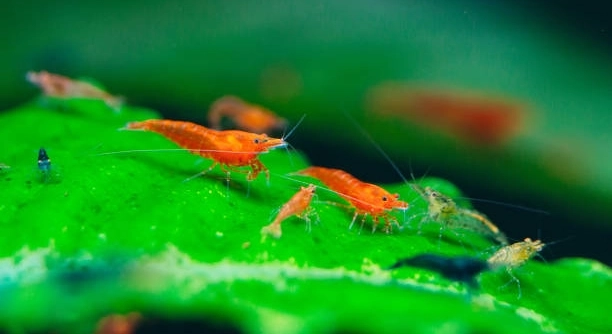
Keeping shrimp can be a rewarding hobby, but it requires careful attention to their needs and environment. Many new shrimp keepers feel unsure about what equipment will help maintain a healthy tank.
Every shrimp keeper should have essential tools that ensure water quality, monitor parameters, and maintain a stable environment. These include testing kits, heaters, filters, and proper feeding instruments to support the shrimp’s health and longevity in captivity.
Having the right tools makes shrimp keeping easier and more enjoyable. This guide will highlight the most useful items for any shrimp enthusiast.
Aquarium Test Kits
Maintaining water quality is the most important part of keeping shrimp healthy. Test kits help measure parameters like pH, ammonia, nitrites, and nitrates. Monitoring these regularly prevents sudden water changes that could stress or harm your shrimp. Many kits are simple to use and provide quick results, giving you confidence in managing your tank. Some shrimp species are more sensitive, so knowing exact water conditions is crucial. Digital and liquid test kits are available, each with advantages depending on accuracy and convenience. Using test kits consistently ensures that your shrimp live in a stable and safe environment, reducing the risk of disease. Over time, tracking these values helps you understand your tank’s unique chemistry and make better adjustments. Even small shifts in water parameters can affect molting, growth, and behavior, so being proactive is key.
Test kits save time and reduce guesswork, allowing you to spot problems before they become serious.
Consistently testing water builds confidence. You learn the patterns of your tank, notice small changes early, and create a stable environment. This stability keeps shrimp active, healthy, and reproducing. It also reduces stress for you, as you’re able to respond immediately to any issues. Accurate readings guide decisions on water changes, feeding, and equipment adjustments. Over months, the data collected can help you perfect your tank conditions, providing the best care possible.
High-Quality Filter
A filter is essential to remove debris and keep water clear. It supports biological filtration, breaking down waste safely and maintaining water quality.
Filters prevent buildup of harmful chemicals and ensure water flows consistently, which is important for shrimp health.
Choosing the right filter depends on tank size and shrimp species. Sponge filters are gentle, avoiding damage to delicate shrimp, while hang-on-back filters provide strong circulation for larger tanks. Filters require regular maintenance to avoid clogging and maintain efficiency. Using a combination of mechanical, chemical, and biological filtration improves water stability and reduces stress on your shrimp. Consistent filtration also supports beneficial bacteria growth, which processes ammonia and nitrites naturally. Proper filter placement ensures all areas of the tank receive circulation without disturbing plants or shrimp hiding spots. Adjusting flow and cleaning media periodically keeps the system running smoothly. With the right setup, your shrimp thrive in a clean, balanced environment, making daily care easier and more predictable.
Heater and Thermometer
A stable temperature is critical for shrimp health. A reliable heater paired with a thermometer helps maintain consistent conditions, preventing stress and promoting growth.
Shrimp are sensitive to sudden temperature swings, which can cause molting problems and reduce immunity. A good heater ensures that water remains within the optimal range for your species. Pairing it with a thermometer allows you to monitor fluctuations closely. Some heaters come with built-in thermostats for precise control, while external thermometers provide added reassurance. Consistent temperature also supports bacterial stability in the tank, which helps maintain water quality. Adjusting the heater gradually when needed avoids shocking your shrimp.
Placement of the heater is important to ensure even warmth throughout the tank. Avoid areas with heavy water flow that may cause uneven heating. Regularly checking the thermometer ensures the system is working correctly and allows you to respond immediately to any changes. Combining a dependable heater and accurate thermometer provides a safe, stable environment, making daily tank management simpler.
Feeding Tools
Precise feeding prevents overfeeding and ensures shrimp receive proper nutrition. Tools like small scoops, tongs, or feeding dishes help control portions and reduce waste.
Using feeding tools allows better observation of shrimp during mealtime and helps maintain water quality. Overfeeding can quickly pollute the tank, so measured portions are important. Tools also allow placement of food in specific areas, reducing competition and stress among shrimp. Some feeders slowly release food over time, promoting consistent nutrition and avoiding spikes in waste. Using these tools regularly helps you monitor shrimp appetite and detect changes in behavior or health early, giving you more control over their diet and environment.
Water Conditioner
Water conditioners remove harmful chemicals like chlorine and chloramine, making tap water safe for shrimp. Using them ensures immediate protection and prevents stress caused by untreated water.
Conditioned water supports stable pH and reduces sudden chemical shocks. Regular use during water changes keeps shrimp healthy and helps beneficial bacteria thrive in the tank.
Net
A fine mesh net is essential for safely moving shrimp without causing injury. It prevents accidental damage during transfers or tank maintenance.
Substrate Vacuum
Substrate vacuums remove excess food and waste from the tank floor. Regular use prevents water contamination and keeps the environment clean, promoting shrimp health.
Shrimp Hiding Spots
Providing plants, moss, or decorations gives shrimp places to hide and molt safely. Hiding spots reduce stress and encourage natural behavior.
FAQ
What is the best water temperature for shrimp?
Most freshwater shrimp thrive between 72°F and 78°F. Maintaining this range helps with molting, feeding, and overall health. Small fluctuations are acceptable, but sudden shifts can cause stress and make shrimp more susceptible to disease. Using a heater and thermometer ensures the water stays consistent.
How often should I test my tank water?
Testing weekly is usually sufficient for a stable, established tank. Newly set-up tanks may require daily monitoring. Tracking pH, ammonia, nitrites, and nitrates allows you to address issues before they become harmful. Recording results over time helps identify trends and makes maintenance easier.
Do shrimp need special food?
Yes, shrimp require foods high in protein, minerals, and plant matter. Specialized shrimp pellets, blanched vegetables, and algae wafers provide balanced nutrition. Avoid overfeeding, as uneaten food can decay and harm water quality, stressing the shrimp and encouraging algae growth.
Can shrimp live with fish?
Some fish species may eat shrimp, especially baby shrimp. Small, peaceful fish like certain tetras or rasboras can coexist if there are plenty of hiding places. Always observe interactions and provide dense plants or moss to give shrimp safe spaces.
How often should I do water changes?
A 10-20% water change weekly is generally recommended. This helps remove waste, replenish minerals, and maintain stable water chemistry. Make sure replacement water is conditioned and matches the tank’s temperature to avoid shocking the shrimp. Gradual changes are safer than large, sudden swaps.
Why are my shrimp hiding?
Shrimp may hide due to stress, molting, or water quality issues. Providing plants, moss, or decorations gives them safe spots. If hiding persists, check temperature, pH, and ammonia levels, as consistent stress can affect growth and survival.
How can I tell if my shrimp are healthy?
Healthy shrimp are active, bright in color, and molt regularly. They feed readily and move freely. Dull coloration, lethargy, or missing limbs may indicate stress, poor water quality, or disease. Early detection allows timely adjustments to prevent further problems.
Is a filter necessary for a shrimp tank?
Yes, a filter supports biological, mechanical, and chemical filtration. It removes debris, promotes beneficial bacteria growth, and maintains water quality. Sponge filters are ideal for small shrimp tanks as they provide gentle flow and prevent shrimp from being sucked in.
How do I introduce new shrimp to my tank?
Acclimate slowly by floating the bag in the tank to equalize temperature, then gradually mix small amounts of tank water over 30-60 minutes. This reduces stress and allows shrimp to adjust to pH and other parameters, increasing survival rates.
Can shrimp reproduce in a small tank?
Yes, shrimp can reproduce in tanks as small as 5 gallons if conditions are stable. Hiding spots, clean water, and consistent feeding encourage breeding. Removing predators and maintaining optimal parameters improves survival rates for juveniles.
How do I prevent algae growth?
Algae can be managed by controlling light duration, avoiding overfeeding, and keeping nutrient levels balanced. Adding live plants competes with algae for nutrients, while gentle water movement helps prevent buildup. Regular maintenance keeps the tank visually appealing and healthier for shrimp.
What should I do if my shrimp die unexpectedly?
Check water parameters immediately for ammonia spikes, pH shifts, or temperature issues. Remove uneaten food and dead shrimp to prevent contamination. Review tank maintenance routines and equipment to prevent repeated losses. Early action often prevents further fatalities.
Are shrimp sensitive to chemicals?
Yes, shrimp are highly sensitive to chlorine, chloramine, medications, and heavy metals. Always use water conditioners and avoid substances that are not shrimp-safe. Even small amounts of harmful chemicals can be fatal. Monitoring water quality is crucial for long-term health.
How long do freshwater shrimp live?
Most freshwater shrimp live 1-3 years, depending on species, water quality, and diet. Proper care, stable conditions, and a balanced environment can extend their lifespan and promote successful breeding. Healthy shrimp show vibrant colors and consistent activity throughout their lives.
Can shrimp survive in cold water?
Some species tolerate lower temperatures, but most tropical shrimp need stable warmth. Cold water slows metabolism, feeding, and molting. Sudden temperature drops can be fatal. Using a reliable heater ensures shrimp remain active and healthy in their preferred range.
How do I handle molting shrimp?
Molting is natural, and shrimp need hiding spots during this vulnerable time. Avoid disturbing them, and ensure water quality is stable. Leaving exoskeletons in the tank provides a source of minerals, supporting healthy future molts and growth.
Are shrimp compatible with plants?
Yes, shrimp benefit from live plants. They provide shelter, grazing surfaces, and improve water quality by absorbing excess nutrients. Moss, java fern, and other hardy plants are ideal. Healthy plants contribute to a more natural and low-stress environment for shrimp to thrive.
What is the best way to clean a shrimp tank?
Remove debris with a substrate vacuum, clean glass gently, and maintain filter media without disturbing beneficial bacteria. Partial water changes help keep water chemistry stable. Avoid harsh chemicals and use shrimp-safe cleaning methods to maintain a healthy habitat.
How can I prevent diseases in shrimp?
Maintain stable water parameters, avoid overfeeding, and quarantine new shrimp or plants. Stress, poor water quality, and overcrowding increase susceptibility. Observing shrimp daily allows early detection of abnormalities, improving the chances of effective intervention.
Do I need a separate tank for breeding?
A separate tank is not always required, but it can protect juveniles from predation. Providing dense plants, moss, and hiding spots in the main tank can also allow breeding while keeping babies safe. Regular water maintenance supports successful reproduction.
Keeping shrimp can be a simple yet rewarding hobby, but it requires careful attention to their needs and environment. Having the right tools makes a big difference in maintaining a healthy tank. Items like test kits, filters, heaters, and feeding tools help keep water stable, monitor conditions, and provide proper nutrition. Each tool plays a role in making care easier and reducing stress for the shrimp. Consistency is important, and using these tools regularly ensures the tank remains safe and supportive for all its inhabitants. Over time, proper equipment allows you to understand the patterns of your tank and make small adjustments that have a positive impact.
Water quality is one of the most important factors for shrimp health, and the right tools help manage it effectively. Test kits provide accurate readings of pH, ammonia, nitrites, and nitrates, which are critical for avoiding stress or illness. Filters keep the water clean and encourage beneficial bacteria to thrive. A heater and thermometer ensure that water remains at a consistent temperature, which is especially important for tropical species. Feeding tools help control portions and prevent overfeeding, reducing waste that could harm water quality. Even small tools like nets, substrate vacuums, and hiding spots make daily maintenance safer and more efficient. When all these elements work together, shrimp live in a stable and balanced environment that supports growth, molting, and reproduction.
Maintaining a shrimp tank is about balance and observation. Paying attention to water parameters, behavior, and tank conditions helps prevent problems before they become serious. Using tools properly gives the shrimp a healthier environment and makes care more manageable. Over time, you learn what your tank needs, how to respond to changes, and how to keep your shrimp thriving. Providing a clean, stable habitat encourages natural behavior, reduces stress, and supports long-term health. With the right equipment and consistent care, shrimp keeping can be an enjoyable, low-stress hobby that allows you to observe these small creatures in a safe and well-maintained environment.

Hello,
If you enjoy the content that we create, please consider saying a "Thank You!" by leaving a tip.
Every little bit helps us continue crafting quality advice that supports the health, happiness, and well-being of pets around the world, for pets of all shapes, sizes, and species.
We really appreciate the kindness and support that you show us!