
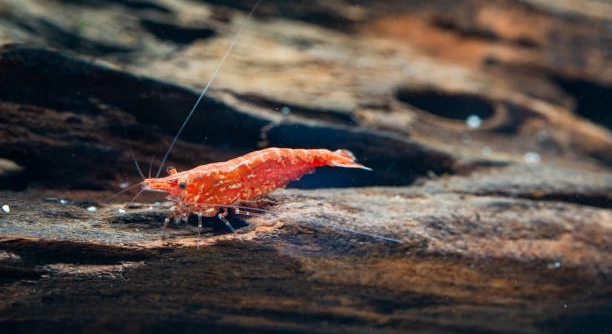
Cherry shrimp are delicate freshwater creatures that require careful attention in their tank environment. Many hobbyists aim to provide clean, safe water while keeping their shrimp healthy and active. Choosing the right filtration method is essential.
Cherry shrimp can safely use a sponge filter. Sponge filters provide gentle water flow, reduce the risk of shrimp being sucked in, and offer surfaces for beneficial bacteria growth, which helps maintain water quality and supports a healthy aquatic environment.
Using a sponge filter not only protects your shrimp but also helps maintain consistent water conditions, making tank maintenance easier and creating a stable habitat for your aquatic pets.
Benefits of Using a Sponge Filter for Cherry Shrimp
Sponge filters offer several advantages for cherry shrimp tanks. They create gentle water flow that prevents small shrimp from being sucked into the filter, which is essential for their safety. These filters also encourage the growth of beneficial bacteria, which helps break down waste and maintain stable water parameters. Additionally, the porous surface provides extra hiding spots for baby shrimp, which can reduce stress and improve survival rates. Sponge filters are simple to maintain and do not require complicated setups, making them ideal for smaller tanks. They are also energy-efficient and quiet, which makes them unobtrusive in living spaces. The combination of protection, water quality, and convenience makes sponge filters a practical choice. For shrimp keeping, this type of filter supports a healthy environment while keeping maintenance manageable, which is important for anyone who wants to provide long-term care for their shrimp.
The gentle operation of sponge filters ensures your shrimp can move freely without the risk of injury.
Using a sponge filter correctly requires placing it in a suitable location within the tank. Position it where water flow can circulate evenly, ensuring all areas are filtered without creating strong currents. Regular cleaning is necessary, but it should be done carefully to avoid harming beneficial bacteria. The sponge can be rinsed in tank water during water changes to maintain its efficiency. Avoid using chemicals or soaps on the sponge, as this can harm the shrimp. Over time, the sponge may need replacement, but with proper care, it can last months. A well-maintained sponge filter will improve water clarity, reduce harmful ammonia and nitrite levels, and provide a safe habitat for both adult and baby shrimp. This method of filtration is both effective and low-stress for the shrimp.
Common Mistakes When Using Sponge Filters
Placing the filter too close to the tank walls can reduce water circulation.
Some shrimp keepers forget to monitor the sponge for clogging, which can reduce its effectiveness and water flow. Over-cleaning the sponge can eliminate beneficial bacteria, while under-cleaning can allow debris to build up. Using a sponge that is too rough or large may trap shrimp or block their movement. Ensuring proper placement, size, and maintenance helps the filter function as intended. Consistency in monitoring water parameters alongside sponge filter use is important to prevent any imbalances in the tank ecosystem. Regular observation allows adjustments before problems arise, keeping the tank safe and stable for cherry shrimp. With careful attention, these filters can support healthy shrimp populations without risk.
How to Maintain a Sponge Filter
Regular maintenance keeps a sponge filter working efficiently and safe for shrimp. Rinse the sponge in tank water every two to three weeks. Avoid using tap water or soap, which can kill beneficial bacteria. Check for debris buildup and gently squeeze the sponge to release trapped particles.
Cleaning the sponge in tank water preserves the bacteria colonies that break down ammonia and nitrites. Over-cleaning can remove these helpful microorganisms, reducing water quality and stressing shrimp. Make sure the sponge is not completely dried out, as this can kill bacteria. Keeping the filter clean while preserving bacteria ensures a stable environment, reduces the frequency of water changes, and supports both adult and baby shrimp.
Besides cleaning, monitor the filter for wear and tear. Sponges can deteriorate over time, losing porosity and effectiveness. Replace the sponge when it becomes too compacted or starts to break apart. Check the airline tubing and connections for leaks, as air flow is essential for proper operation. Maintaining all parts of the filter ensures consistent water movement and filtration. With proper care, a sponge filter can last months and continue to support a healthy shrimp tank.
Choosing the Right Sponge Filter
Select a sponge filter sized appropriately for your tank’s volume. A small tank requires a compact filter, while larger tanks need stronger filtration to handle increased waste. Consider the sponge texture and porosity to ensure safety for shrimp.
A gentle sponge is crucial for baby shrimp, as strong currents can trap or injure them. High-porosity sponges promote bacterial growth, which helps stabilize water chemistry. Make sure the filter is easy to clean and positioned to allow even water circulation throughout the tank. Proper sizing reduces the risk of clogging and maintains clear water.
In addition to size and porosity, consider the type of air pump used. Adjustable pumps allow control of water flow, which is helpful in preventing stress or damage to shrimp. The filter should be compatible with your tank setup, allowing placement without interfering with decorations or hiding spaces. Choosing the right filter involves balancing water flow, bacterial support, and shrimp safety. Regularly assess performance and adjust as needed to maintain optimal conditions for all shrimp.
Positioning the Sponge Filter
Place the sponge filter in a corner or along the back wall of the tank. This minimizes strong currents while allowing water to circulate evenly. Ensure it does not block hiding spots or decorations, giving shrimp space to move freely.
Keep the filter away from the substrate to prevent debris from clogging it too quickly. Positioning slightly above the gravel allows water flow without disturbing settled particles. Proper placement helps maintain water quality and creates a safe environment for both adult and baby shrimp.
Air Pump Considerations
Choose an air pump that provides consistent, adjustable airflow. Strong pumps can create currents that stress shrimp, while weak pumps may reduce filtration efficiency. Adjust the pump to maintain gentle water movement that suits the tank’s size and shrimp population.
Common Sponge Filter Issues
Clogging is the most frequent issue with sponge filters. Regular inspection and gentle cleaning prevent reduced water flow and maintain consistent filtration, ensuring a safe and healthy environment for shrimp.
FAQ
Can cherry shrimp survive without a sponge filter?
Yes, cherry shrimp can survive without a sponge filter, but water quality management becomes more challenging. Without a gentle filtration system, waste can accumulate quickly, leading to harmful ammonia and nitrite spikes. Frequent water changes are necessary to maintain a stable environment and keep shrimp healthy.
How often should I clean my sponge filter?
Cleaning should be done every two to three weeks, depending on tank size and bioload. Rinse the sponge in tank water only to preserve beneficial bacteria. Over-cleaning can remove these microorganisms, reducing the filter’s effectiveness and affecting water stability.
Can a sponge filter harm baby shrimp?
Sponge filters are generally safe for baby shrimp. Their gentle suction prevents them from being trapped or injured. The sponge surface also provides additional hiding spaces, which reduce stress and improve survival rates. Avoid strong air pumps that can increase water flow and risk injury.
Is a sponge filter noisy?
Most sponge filters are quiet when paired with a quality air pump. Noise levels may vary depending on the pump type and tank setup. Ensuring proper tubing and securing the pump can further reduce sound, creating a calm environment for shrimp.
Can I use a sponge filter in a planted tank?
Yes, sponge filters are compatible with planted tanks. They provide gentle circulation without disturbing delicate plants or substrate. The filter also supports beneficial bacteria, helping maintain stable water conditions that promote both plant and shrimp health.
Do sponge filters replace water changes?
No, sponge filters do not eliminate the need for water changes. They help maintain water quality by supporting bacterial growth and circulating water, but partial water changes are still required to remove accumulated organic matter and replenish essential minerals for shrimp.
Can multiple sponge filters be used in one tank?
Yes, using multiple sponge filters is effective for larger tanks or tanks with high shrimp populations. Distributing filters evenly ensures uniform water circulation, reduces dead spots, and supports a healthier environment for all shrimp in the tank.
How do I know if my sponge filter is working properly?
Check for steady bubbles and gentle water movement. If water flow slows or bubbles stop, the filter may be clogged or the air pump may need adjustment. Regular inspections ensure consistent filtration and a stable habitat for shrimp.
Can I use a sponge filter with other filtration systems?
Yes, sponge filters can be combined with hang-on-back or canister filters. They provide supplementary gentle filtration and bacterial support, especially beneficial in tanks with small or delicate shrimp that could be harmed by strong suction from other filters.
What type of air pump is best for a sponge filter?
A low to moderate flow air pump is ideal. Adjustable pumps allow control over water movement, ensuring shrimp are not stressed by strong currents. The right pump maintains effective filtration while keeping the tank safe and comfortable for all shrimp.
How long does a sponge filter last?
With proper care, sponge filters can last months to years. The sponge may need occasional replacement if it becomes compacted or deteriorates, while air pumps generally have longer lifespans with regular maintenance and cleaning.
Are sponge filters easy to maintain?
Yes, sponge filters are low-maintenance compared to other filtration systems. Regular rinsing in tank water, monitoring for clogging, and ensuring proper air flow are usually sufficient to keep them functioning efficiently and safely for shrimp.
Can I feed shrimp directly near a sponge filter?
It’s fine to feed shrimp near the sponge filter, but avoid overfeeding. Excess food can clog the sponge and reduce efficiency. Any uneaten food should be removed during water changes or cleaning to maintain water quality and prevent bacterial spikes.
Do sponge filters affect water temperature?
Sponge filters have minimal impact on water temperature. Since they rely on air pumps rather than heat-generating motors, they maintain a stable environment, making them suitable for sensitive species like cherry shrimp that require consistent temperature ranges.
Can I use a sponge filter in a community tank?
Yes, sponge filters are suitable for community tanks. They provide gentle filtration that protects small or slow-moving species, while still supporting beneficial bacteria. Proper placement ensures all tank inhabitants benefit from even water circulation and clean water conditions.
Is there a risk of clogging in a heavily planted tank?
Yes, dense plants or substrate can trap debris in the sponge, potentially reducing water flow. Regular monitoring and gentle cleaning in tank water prevent clogging while maintaining bacterial colonies and consistent filtration efficiency.
Can a sponge filter handle a high shrimp population?
Sponge filters work well for moderate populations. In heavily stocked tanks, multiple filters or a larger sponge may be necessary to ensure adequate filtration and water circulation, preventing ammonia or nitrite buildup and maintaining a healthy environment.
What should I do if the sponge filter stops working?
First, check the air pump and tubing for blockages or leaks. Clean the sponge gently in tank water and ensure the pump is functioning properly. If problems persist, replacing the sponge or pump may be necessary to restore proper filtration and protect shrimp health.
Can I decorate around a sponge filter?
Yes, decorations can be arranged around a sponge filter, but avoid blocking water flow or covering the sponge entirely. Leaves, rocks, and hiding spots can coexist with the filter, providing shrimp with shelter while allowing the filter to maintain effective circulation and cleanliness.
How do I introduce a new sponge filter to an established tank?
Rinse the new sponge in tank water before installation. Place it where circulation will be effective without creating strong currents. Monitor water parameters closely during the first few days to ensure stability and confirm that shrimp are comfortable with the new filter setup.
Are sponge filters suitable for breeding tanks?
Yes, sponge filters are ideal for breeding tanks. Their gentle flow prevents baby shrimp from being sucked in and provides surfaces for microorganisms that baby shrimp feed on. Proper placement ensures safe zones for eggs and juveniles while maintaining clean water conditions.
How can I improve the lifespan of my sponge filter?
Regular maintenance, proper air pump settings, and gentle cleaning extend the filter’s lifespan. Avoid harsh chemicals, direct sunlight, or excessive squeezing, which can damage the sponge or beneficial bacteria. With consistent care, the filter remains effective for a long period, supporting healthy shrimp.
Is there a best position for multiple sponge filters in one tank?
Place filters in opposite corners or evenly along the tank’s length. This distributes water flow evenly, reduces dead zones, and ensures all shrimp benefit from consistent filtration. Proper positioning maximizes efficiency, especially in larger or heavily stocked tanks.
Can sponge filters cause bubbles on the water surface?
Yes, bubbles are normal and indicate air is flowing through the sponge. They help circulate water and oxygenate the tank. Excessive bubbles can be reduced by adjusting the air pump to a lower setting, ensuring gentle movement suitable for shrimp.
Do sponge filters need electricity?
Sponge filters rely on air pumps, which require electricity to operate. The power usage is minimal compared to other filtration systems, making them energy-efficient while still providing effective water circulation and bacterial support for shrimp tanks.
Can I use a sponge filter in saltwater or brackish tanks?
Sponge filters are primarily used in freshwater tanks. They can work in low-salinity or brackish environments, but prolonged exposure to higher salt levels may deteriorate the sponge material and reduce efficiency, making them less ideal for marine setups.
Are there alternatives to sponge filters for cherry shrimp?
Other options include gentle hang-on-back filters, undergravel filters, or corner box filters. However, these alternatives may produce stronger currents, which can stress shrimp or pose a risk to babies. Sponge filters remain the preferred choice for safety, ease of maintenance, and supporting bacterial growth.
Can I paint or modify a sponge filter?
Modifying a sponge filter is not recommended. Paint, adhesives, or non-aquarium-safe materials can release toxins harmful to shrimp. Keeping the filter as designed ensures safety, proper function, and a stable environment. Any decorations should be added around, not on, the sponge.
How long should I run the sponge filter each day?
Sponge filters should run 24/7 to maintain consistent filtration and water circulation. Continuous operation ensures ammonia and nitrite are processed by bacteria and that water remains oxygenated, supporting the health of adult and baby shrimp at all times.
Can a sponge filter help reduce algae growth?
Indirectly, yes. By improving water circulation and supporting bacterial balance, sponge filters can reduce excess nutrients that algae feed on. Proper maintenance and regular water changes enhance this effect, keeping the tank cleaner and healthier for shrimp.
Do sponge filters require special sponges?
Standard aquarium sponges designed for filtration work well. Avoid using kitchen or synthetic sponges not meant for aquariums, as they may release harmful chemicals or degrade quickly, affecting water quality and shrimp safety.
How do I know if my shrimp like the sponge filter?
Shrimp generally feel comfortable if they move freely around it, hide in or near the sponge, and feed normally. Signs of stress or avoidance may indicate strong water flow, incorrect placement, or a need to adjust the filter setup for a gentler environment.
Can sponge filters work in very small tanks?
Yes, small sponge filters are effective in nano or small shrimp tanks. They provide gentle filtration without creating strong currents. Selecting the right size ensures proper water movement while keeping the environment safe for shrimp.
Do sponge filters increase oxygen in the tank?
Yes, the bubbles created by the air pump help oxygenate water. Improved oxygen levels support shrimp metabolism and overall health, while also aiding beneficial bacteria that maintain water quality. Proper airflow ensures consistent oxygen distribution throughout the tank.
Are sponge filters suitable for long-term shrimp tanks?
Yes, with regular maintenance, sponge filters are ideal for long-term shrimp care. They maintain stable water parameters, reduce stress, and support breeding. Their simplicity and effectiveness make them a reliable choice for both beginners and experienced shrimp keepers.
Can I use a sponge filter in tanks with strong water plants?
Yes, but position it carefully to avoid disturbing roots or delicate leaves. Strong currents can uproot plants, so a gentle sponge filter ensures adequate water flow without harming plant growth or shrimp safety.
Do sponge filters help prevent disease?
Indirectly, yes. By maintaining clean water and supporting beneficial bacteria, sponge filters reduce stress and exposure to harmful compounds, which can lower the risk of common shrimp diseases. Regular tank monitoring enhances these benefits.
Can sponge filters be used during shrimp quarantine?
Yes, they are ideal for quarantine tanks because they provide gentle filtration without harming stressed or vulnerable shrimp. Consistent water circulation supports stable parameters, which is crucial during acclimation or observation periods.
Are there any maintenance shortcuts for sponge filters?
No, proper care is essential. Rinsing in tank water, monitoring flow, and avoiding harsh chemicals are necessary steps. Cutting corners can reduce efficiency, harm bacteria, or stress shrimp, so consistent attention is the best approach.
Do sponge filters help with shrimp breeding?
Yes, the gentle flow protects baby shrimp, and the sponge surface provides biofilm for them to feed on. This makes sponge filters particularly useful in breeding tanks, supporting healthy growth and higher survival rates.
Can I use a sponge filter with floating plants?
Yes, but ensure the filter does not disrupt plant movement or block sunlight. Proper positioning maintains circulation while allowing floating plants to thrive alongside shrimp.
What is the ideal sponge texture for shrimp tanks?
A medium to fine texture works best. It allows water to pass through efficiently, supports bacterial colonies, and provides safe surfaces for shrimp to explore without trapping or injuring them.
Can sponge filters be used in unheated tanks?
Yes, they operate effectively in unheated tanks as long as water temperature remains within species-appropriate ranges. The filter does not generate heat, so it does not interfere with natural tank conditions.
Are there any risks of using a sponge filter incorrectly?
Yes, improper placement, strong air pumps, or neglecting cleaning can stress shrimp, reduce filtration efficiency, or harm baby shrimp. Following guidelines ensures the filter benefits water quality and provides a safe environment for shrimp.
Do sponge filters require special tubing?
No, standard aquarium airline tubing works fine. Ensure the tubing is compatible with your air pump and properly secured to avoid leaks or uneven airflow, which can affect filter performance.
Can a sponge filter be used in a tank with snails?
Yes, snails are generally safe around sponge filters. They do not get trapped, and the gentle flow benefits both snails and shrimp by maintaining clean water and stable tank conditions.
Can sponge filters remove fine debris?
Yes, they trap small particles, but not as efficiently as mechanical filters. Regular sponge cleaning ensures trapped debris is removed while preserving beneficial bacteria for optimal water quality.
Do sponge filters help reduce ammonia spikes?
Yes, by supporting beneficial bacteria, sponge filters convert ammonia into less harmful compounds, stabilizing water chemistry and reducing toxic conditions for shrimp. Proper maintenance maximizes this benefit.
Can sponge filters be used in tanks with low oxygen?
Yes, the bubbles produced increase oxygen levels and improve water circulation, helping tanks with low natural oxygen content. This supports shrimp respiration and overall health.
Are sponge filters beginner-friendly?
Yes, their simplicity, low maintenance, and gentle operation make them ideal for beginners. They provide reliable filtration without complicated setup, making shrimp care more manageable.
Do sponge filters work in tanks with heavy bioload?
They can help, but multiple filters or larger sponges may be needed. High bioload increases waste, so careful monitoring and supplementary filtration may be necessary to maintain water quality.
Can a sponge filter support multiple shrimp species?
Yes, as long as the water flow remains gentle, multiple species can coexist safely. Proper sponge selection and positioning help maintain a stable environment for all shrimp.
Are sponge filters cost-effective?
Yes, they are affordable to purchase and maintain. Minimal electricity use and long-lasting sponges reduce ongoing costs, making them an economical choice for shrimp tanks.
Do sponge filters need priming?
No priming is required; simply connect to an air pump, place in water, and adjust airflow. They start working immediately, making them convenient and easy to use.
Can sponge filters be used in tanks with very small shrimp species?
Yes, the gentle suction prevents injury or trapping. The sponge surface provides safe areas for exploration, feeding, and biofilm growth, supporting survival and healthy development.
Are sponge filters effective in cold water tanks?
Yes, they function well in cooler temperatures. However, water chemistry may be affected by temperature changes, so regular monitoring is recommended to ensure stable conditions for shrimp.
Can I leave a sponge filter running during water changes?
Yes, it should remain running to maintain filtration and circulation. Temporary adjustments in flow can help prevent debris disturbance, but continuous operation supports water stability.
Do sponge filters help with cloudy water?
Yes, they trap fine particles and support bacterial balance, improving water clarity over time. Regular cleaning enhances this effect, keeping the tank clear and healthy for shrimp.
Can sponge filters be used in breeding tanks with eggs?
Yes, the gentle suction prevents eggs from being disturbed or sucked in. The sponge also provides surfaces for biofilm, which baby shrimp feed on after hatching.
Are there any fish that can damage a sponge filter?
Aggressive or large fish may tear or chew the sponge, reducing effectiveness. In shrimp-only tanks, this is rarely an issue, but fish compatibility should be considered if using a mixed tank.
Do sponge filters require replacement parts?
Occasionally, the sponge may need replacement if it deteriorates, and air pump tubing may wear over time. Most other components last long with proper care, making maintenance straightforward.
Can I move a sponge filter to another tank?
Yes, but rinse the sponge in old tank water first to preserve beneficial bacteria. Sudden placement in a new tank may temporarily affect water quality, so monitor parameters closely.
Do sponge filters provide oxygenation for deep tanks?
Yes, bubbles rise through the water column, helping oxygenate even deeper tanks. Proper pump selection ensures sufficient airflow reaches all areas.
Are sponge filters compatible with LED lights and heaters?
Yes, they do not interfere with lighting or heating. Placement should consider space for equipment while maintaining effective filtration and water circulation.
Can sponge filters be automated?
Indirectly, yes. Air pumps with timers or adjustable controllers can manage flow, but the filter itself does not require automation. Regular monitoring remains essential.
Do sponge filters require special installation?
No, they are easy to install. Connect the air pump, submerge the sponge, adjust the flow, and monitor bubbles. This simplicity makes them user-friendly for shrimp tanks.
Can sponge filters support heavily planted tanks with shrimp?
Yes, gentle flow prevents plant disturbance while supporting beneficial bacteria and water circulation, creating a healthy environment for both plants and shrimp.
Are there size limits for sponge filters?
Yes, filters must be appropriate for tank volume. Too small will not handle waste effectively, while too large can create strong currents. Proper sizing ensures optimal performance and shrimp safety.
Do sponge filters need backup systems?
Not usually, but having a spare air pump or sponge can be helpful in case of equipment failure, especially for sensitive shrimp populations.
Can sponge filters handle uneaten food?
They trap particles but do not remove them completely. Uneaten food should be removed manually to prevent water quality issues.
Do sponge filters affect water hardness or pH?
No, sponge filters do not alter water chemistry. They support bacteria that help break down waste but do not change pH or hardness directly.
Are sponge filters safe for all freshwater shrimp?
Yes, gentle water flow and soft sponge surfaces make them safe for most freshwater shrimp species, including cherry, amano, and ghost shrimp.
Can sponge filters be used in breeding or nursery tanks with fish fry?
Yes, their gentle suction protects small fry while still providing circulation and filtration. They are widely used in fry-rearing setups to maintain water quality without harming young fish.
Do sponge filters need special cleaning tools?
No, simple rinsing in tank water is sufficient. Some keepers use soft brushes, but care must be taken not to damage the sponge or remove beneficial bacteria.
Are sponge filters suitable for beginner shrimp keepers?
Yes, their simplicity, low maintenance, and safety make them ideal for beginners, providing reliable filtration while keeping shrimp stress low.
Can sponge filters be used in tanks with multiple levels?
Yes, they work in tall or layered tanks as long as air pump flow is sufficient to circulate water to all levels effectively.
Do sponge filters require monitoring of air flow?
Yes, consistent airflow ensures proper filtration. Too low reduces efficiency, too high creates strong currents that can stress shrimp. Regular checks maintain optimal performance.
Can sponge filters work with soft or hard water?
Yes, they function in both soft and hard water. Water chemistry affects shrimp health, not filter performance. Proper maintenance ensures efficiency regardless of water type.
Do sponge filters help with ammonia and nitrite spikes?
Yes, they support nitrifying bacteria that convert
Final Thoughts
Sponge filters are a practical and safe choice for cherry shrimp tanks. Their gentle water flow ensures that both adult and baby shrimp remain safe while moving around the tank. Unlike stronger filtration systems, sponge filters minimize the risk of shrimp being sucked into the device. This makes them especially useful in breeding tanks where small, delicate shrimp need protection. Additionally, the sponge itself provides surfaces for beneficial bacteria to grow. These bacteria help break down waste, reducing harmful ammonia and nitrite levels and contributing to a stable environment. For anyone keeping cherry shrimp, maintaining consistent water quality is critical, and sponge filters make that process easier without creating stress for the shrimp.
One of the key advantages of sponge filters is their low maintenance. They are easy to clean and do not require complicated setups. Regular rinsing in tank water is enough to remove trapped debris while preserving the beneficial bacteria colonies that are essential for healthy water conditions. Over time, the sponge may need replacement if it becomes worn or compacted, but overall, sponge filters can last for months with proper care. Air pumps used with these filters are energy-efficient and quiet, which makes the system unobtrusive in a home setting. This combination of efficiency, safety, and simplicity makes sponge filters an attractive option for both new and experienced shrimp keepers who want a reliable filtration solution without constant intervention.
Using a sponge filter also supports the overall health and behavior of cherry shrimp. The gentle flow reduces stress, allowing shrimp to feed and explore comfortably. The sponge surface provides hiding spots and encourages natural behavior, which can improve breeding success and survival rates for baby shrimp. Even in tanks with plants or decorations, sponge filters can be positioned to avoid disruption while maintaining effective water circulation. When properly maintained and monitored, a sponge filter can help create a stable, healthy, and balanced tank environment. For those who want to keep cherry shrimp thriving with minimal risk and consistent water quality, a sponge filter is a dependable choice that supports both the shrimp’s needs and the tank’s long-term stability.

Hello,
If you enjoy the content that we create, please consider saying a "Thank You!" by leaving a tip.
Every little bit helps us continue crafting quality advice that supports the health, happiness, and well-being of pets around the world, for pets of all shapes, sizes, and species.
We really appreciate the kindness and support that you show us!