
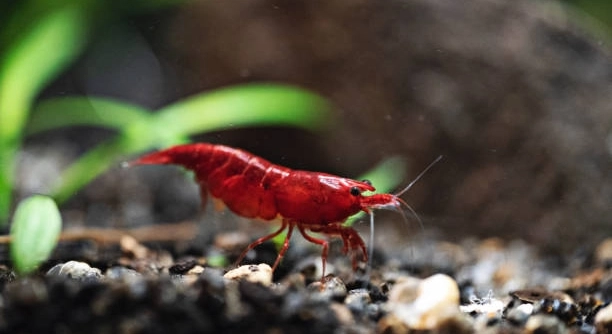
Keeping a shrimp tank healthy requires careful attention to what goes inside. Many well-meaning owners unknowingly introduce items that can harm water quality or stress their shrimp, affecting their growth and overall wellbeing.
Avoid placing objects that leach toxins, disrupt pH, or encourage algae growth in a shrimp tank. Materials such as untreated metals, certain plastics, and chemically treated decorations can be highly detrimental to shrimp health and survival.
Being aware of these hazards helps maintain a clean, safe environment for your shrimp to thrive naturally and peacefully.
Untreated Metals
Metals such as copper, zinc, and lead can be extremely harmful to shrimp. Even small amounts can cause stress, weaken their immune system, and lead to death. Many decorative items, plumbing parts, or aquarium fittings contain these metals. Shrimp are highly sensitive to heavy metals, so it’s crucial to avoid placing anything metallic directly in the tank. Even if an item appears safe, leaching can occur over time, especially in water with low pH. Common sources include coins, nails, or cheap metal decorations. If you want to use metal items, make sure they are coated or labeled safe for aquariums. Regular monitoring of water quality also helps detect any harmful elements early. By removing potential sources of metals, your shrimp will experience a more stable and healthy environment, which supports proper molting and activity. Choosing safe alternatives like ceramic, glass, or food-safe plastics can prevent accidental poisoning.
Metals can slowly contaminate the tank and cause long-term stress to shrimp. Avoiding them ensures safety.
Using metal-free decorations doesn’t mean limiting creativity. Ceramic caves, stones, and driftwood offer both visual appeal and a secure environment. These options provide hiding spots, improve tank structure, and won’t leach harmful chemicals. Over time, they encourage natural behaviors like grazing and exploring. Regularly checking the items for wear or cracking ensures they remain safe. Even with safe materials, maintaining proper water parameters is essential for preventing indirect stress. Shrimps’ sensitivity to metal means consistent care is required. Balancing decorations, substrate, and plant life creates a thriving tank. Shrimp will be healthier, molting properly, and displaying natural colors when metals are removed. Planning the tank layout with these materials in mind improves aesthetics without risking health. In addition, lightweight, non-toxic items are easier to clean and rearrange. By investing in safe decorations, you maintain both a pleasing display and a sustainable environment, which is crucial for long-term shrimp care.
Chemically Treated Wood
Chemically treated wood, including stained or painted pieces, can release toxins into the water. These substances are not shrimp-safe and can cause rapid deterioration of water quality. Even small amounts can be dangerous. Avoid adding any wood that has been sealed, varnished, or colored with unknown chemicals. While natural driftwood can benefit a tank, treated wood poses serious risks. Shrimp exposed to these chemicals may show signs of lethargy, reduced feeding, and health decline. It’s best to source untreated wood from pet stores or prepare natural wood carefully by boiling and soaking. Monitoring the wood’s condition ensures it doesn’t decompose in a way that harms water parameters. Maintaining a safe tank requires attention to every element introduced, from décor to substrate. By choosing natural, untreated wood, the tank remains stable, providing a secure environment for shrimp.
Treated wood can release toxins quickly and alter water chemistry. Using natural alternatives keeps shrimp healthy.
Boiling and soaking wood before placing it in a tank helps remove tannins and unwanted substances, making it safe for shrimp. Natural wood adds texture, climbing areas, and hiding spaces while enhancing the tank’s appearance. Untreated wood encourages beneficial biofilm growth, a food source for shrimp, supporting their diet and activity. Over time, it may slowly darken the water, which is harmless and can even mimic natural habitats. Avoid wood with paint, stains, or chemical coatings to prevent stress and illness. Carefully selecting each piece ensures shrimp have a clean environment without the risk of contamination. By investing a bit of preparation, the tank benefits both in function and aesthetics, supporting healthy growth and natural behavior for shrimp over the long term.
Do you want me to continue with the next items on the list?
Household Chemicals
Even small residues of cleaning agents, soaps, or sprays can poison shrimp. Avoid placing anything near the tank that could contaminate the water, including accidentally sprayed surfaces or airborne chemicals.
Household chemicals often contain strong compounds that dissolve in water and harm shrimp quickly. Items like detergent residue on hands, cleaning sponges left nearby, or aerosol sprays in the same room can introduce toxins. Shrimp are sensitive to ammonia, chlorine, and other chemicals, which can lead to stress, weakened immunity, or death. Careless use of chemicals around the tank can undo careful tank maintenance and water quality management. Keeping all cleaning supplies separate and washing hands thoroughly before touching anything in the tank reduces risks significantly. Even products labeled “safe” for aquariums may contain traces harmful to shrimp if overused.
Preventing chemical contamination requires consistent vigilance. Store household cleaners away, avoid using sprays near the tank, and rinse items thoroughly before adding them. Attention to detail protects shrimp health, reduces unnecessary tank stress, and ensures a stable environment. Even small slips, like touching the water after using soap, can harm delicate shrimp. Consistently maintaining clean habits around the tank supports proper molting, feeding, and natural behavior. Regular water tests help detect unintended chemical exposure early. Over time, these precautions create a safer, more predictable environment where shrimp thrive naturally, without sudden declines caused by preventable toxins.
Sharp or Rough Decorations
Sharp rocks, shells, or jagged ornaments can injure shrimp during normal activity. Avoid anything with rough edges that could tear delicate exoskeletons or fins.
Jagged surfaces increase the risk of physical damage and infections. Shrimp exploring the tank may scrape against rough items, causing cuts that can become entry points for bacteria or fungi. Even minor injuries can stress shrimp, affecting feeding and molting cycles. Smooth stones, rounded shells, and polished decorations provide safety without compromising visual appeal. When arranging the tank, check each item by hand for sharp points. Over time, even slightly rough surfaces can wear down or chip, so periodic inspection is important. Choosing smooth decorations promotes natural movement and reduces the chance of injury or disease.
Smooth and safe tank decorations help maintain shrimp health and activity. Rounded, polished items minimize injury, creating a stable environment.
Selecting decorations that are smooth and safe ensures shrimp can explore without risk. Rounded stones, ceramic ornaments, and polished driftwood provide both hiding places and surfaces for biofilm growth. Avoid sharp-edged shells or fractured rocks, as even cautious shrimp can get hurt while grazing or climbing. Periodically check decorations for wear or chipping, replacing anything that becomes unsafe. Maintaining these safe surfaces allows shrimp to molt without stress, feed freely, and display natural behavior. Safe, well-chosen decorations also make tank maintenance easier, reducing debris buildup and potential damage. With careful selection, shrimp enjoy both safety and enrichment in their environment.
Excess Food
Overfeeding shrimp can quickly pollute the tank. Uneaten food decomposes, raising ammonia and nitrate levels, which harms shrimp and encourages algae growth.
Even small amounts of leftover food can reduce water quality. Shrimp only need tiny portions, often less than they can finish in a few hours. Monitoring feeding and removing excess prevents toxic buildup, keeping the environment stable and healthy.
Copper-Based Medications
Copper in medications or water treatments is highly toxic to shrimp. Even minimal exposure can cause death or molting issues.
Avoid any treatments labeled for fish that contain copper. Shrimps’ sensitivity to metals makes them vulnerable to standard aquarium medications. Always check labels carefully before adding treatments and use shrimp-safe alternatives when needed.
Plastic Items
Some plastics can leach harmful chemicals into the water over time. Avoid cheap or unknown plastic decorations.
Plastics that are not certified aquarium-safe may release toxins or alter water chemistry. Even items that seem harmless, like small toys or containers, can negatively affect shrimp health. Only use plastics specifically designed for aquatic environments to prevent risk.
What happens if I accidentally put metal in my shrimp tank?
Even a small piece of metal can release toxins like copper or zinc into the water. Shrimp are highly sensitive to these elements, and exposure can cause stress, illness, or sudden death. Symptoms may include lethargy, loss of color, and reduced feeding. Water tests can reveal rising metal levels, but prevention is much easier than treatment.
Can I use driftwood that has been treated or stained?
No, chemically treated or stained wood can leach harmful substances into the water. Shrimp exposed to these chemicals may show health problems or die quickly. Only natural, untreated wood should be used, and it’s best to boil or soak it first to remove tannins and prepare it safely for the tank.
Is overfeeding really that harmful?
Yes. Uneaten food decomposes, producing ammonia and nitrates that can poison shrimp and encourage algae growth. Feeding only what your shrimp can eat in a few hours keeps water quality stable. Remove leftover food promptly to avoid water contamination and reduce stress on the shrimp.
Are household cleaning products dangerous around the tank?
Absolutely. Even small residues of soap, detergent, or sprays can harm shrimp. Aerosol sprays, hand soap, or cleaning sponges left near the tank can contaminate water. Wash hands thoroughly before handling anything in the tank and keep all cleaning chemicals well away to maintain a safe environment.
Can plastic decorations be unsafe?
Yes. Some plastics leach harmful chemicals over time, especially cheap or uncertified items. Only use plastics labeled as aquarium-safe. Even small, seemingly harmless items like containers or toys can release toxins into the water, affecting shrimp health and tank stability.
What should I do if my shrimp get injured on rough decorations?
Injuries from jagged rocks or sharp ornaments can lead to infections. Remove the offending decorations and provide smooth surfaces. Injured shrimp may need isolated care if infections occur. Using rounded stones, ceramic pieces, and polished driftwood prevents further injuries and allows shrimp to molt and feed safely.
Are copper-based medications safe for shrimp?
No. Copper-based medications are highly toxic to shrimp, even in tiny amounts. Avoid all treatments containing copper unless specifically labeled safe for invertebrates. Use shrimp-safe alternatives for any illness in the tank and check labels carefully before introducing new treatments.
How can I tell if something is harming my shrimp?
Signs of stress or poisoning include lethargy, faded colors, unusual swimming, or difficulty molting. Rapid water parameter changes, leftover food, or new decorations may be the cause. Consistent observation, water testing, and avoiding harmful items prevent most health problems.
Can natural wood help shrimp in the tank?
Yes. Untreated natural wood provides hiding places, climbing surfaces, and encourages biofilm growth, which is a natural food source. Properly prepared wood adds safety and enrichment without introducing toxins. Boiling or soaking wood before adding it ensures it’s safe and free from unwanted substances.
How often should I inspect decorations and tank items?
Regular inspections are essential. Even safe materials can wear down or develop rough edges over time. Check all decorations, plastics, and wood at least monthly. Remove or replace anything showing signs of deterioration to maintain a safe and healthy environment for shrimp.
Why is water quality so sensitive in a shrimp tank?
Shrimp are more sensitive to toxins, metals, and chemical changes than many fish. Even minor pollution from overfeeding, chemicals, or unsafe decorations can quickly affect their health. Maintaining stable water parameters and avoiding harmful items is key to long-term shrimp survival and activity.
Can adding new items disrupt the tank balance?
Yes. Introducing anything untreated or uncertified, including rocks, plastics, or decorations, can change pH, release toxins, or increase ammonia levels. Always test new items and ensure they are safe for shrimp before adding them to the tank to prevent sudden health issues.
Is it okay to use decorative stones from outside?
Only if they are properly cleaned and free of metals or chemicals. Many natural rocks contain minerals or pollutants that can alter water chemistry. Boil, soak, and inspect any stone before introducing it to the tank. Safe stones help avoid unexpected spikes in toxins or pH changes.
How can I make sure my shrimp tank stays safe long-term?
Stick to untreated wood, aquarium-safe plastics, and smooth decorations. Avoid metals, copper-based medications, and household chemicals near the tank. Feed small portions, remove leftovers, and monitor water parameters. Regular inspection and careful handling of all items ensure a stable, safe, and healthy environment for shrimp to thrive naturally.
This FAQ provides a thorough guide to avoiding common hazards in shrimp tanks and maintaining long-term shrimp health and safety.
Maintaining a healthy shrimp tank requires attention to both the items you introduce and the overall environment. Every decoration, piece of wood, or plastic container has the potential to affect water quality and shrimp wellbeing. Untreated metals, chemically treated wood, and sharp or rough decorations can all cause harm, even if they seem harmless at first glance. Metals can leach toxins into the water, wood with stains or chemical treatments can release harmful substances, and jagged surfaces can injure delicate shrimp. Even plastics that are not labeled aquarium-safe may slowly release chemicals that stress or poison shrimp over time. By carefully selecting decorations and monitoring the tank, you can prevent many common problems and create a safe space for your shrimp to grow and thrive naturally.
Feeding habits and chemical exposure also play a major role in shrimp health. Overfeeding is a frequent mistake that leads to leftover food, which decomposes and raises ammonia and nitrate levels. High levels of these compounds can stress shrimp, weaken their immune systems, and encourage algae growth. Household cleaning products, sprays, or soaps that come into contact with the tank can also introduce dangerous chemicals. Even small residues are enough to affect the water and harm shrimp. Avoiding copper-based medications and only using shrimp-safe alternatives is another critical step. Regularly testing water parameters and observing shrimp behavior helps catch any issues early. Simple practices, like portion-controlled feeding, cleaning hands before interacting with the tank, and storing chemicals away from the aquarium, make a significant difference over time.
Long-term success in keeping shrimp comes from consistency and attention to detail. Ensuring that decorations are smooth, safe, and free of chemicals provides shrimp with a secure environment for natural behaviors like molting, grazing, and exploring. Regular inspections help detect wear or potential hazards before they affect the shrimp. Maintaining stable water quality through careful feeding, avoiding harmful chemicals, and monitoring tank conditions protects shrimp health. Selecting natural, untreated wood and certified aquarium-safe plastics enhances the tank without introducing risks. These practices create a balanced, safe, and enriched habitat where shrimp can thrive. Over time, the effort spent on careful selection and consistent care results in a cleaner tank, healthier shrimp, and a more enjoyable and sustainable aquarium. A thoughtful approach ensures that shrimp live longer, display vibrant colors, and remain active, giving you a thriving, safe, and well-maintained shrimp tank for years to come.

Hello,
If you enjoy the content that we create, please consider saying a "Thank You!" by leaving a tip.
Every little bit helps us continue crafting quality advice that supports the health, happiness, and well-being of pets around the world, for pets of all shapes, sizes, and species.
We really appreciate the kindness and support that you show us!