
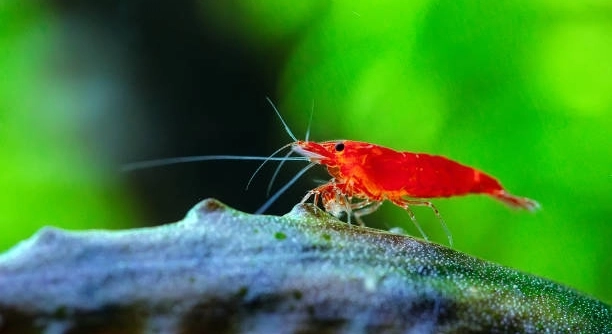
Moving cherry shrimp can be a delicate task, especially if you want to keep them healthy and stress-free. Proper handling and preparation make all the difference in ensuring your shrimp arrive safely at their new home.
The safest way to move cherry shrimp involves gradually acclimating them to transport conditions, maintaining stable water parameters, and using appropriate containers. Minimizing stress and avoiding sudden changes in temperature or water chemistry is essential for their survival.
Following these simple yet effective steps will help you protect your shrimp during the move and maintain a healthy, thriving aquarium.
Preparing the Tank Before Moving
Before moving cherry shrimp, it is important to prepare the tank carefully. Start by cleaning the tank and removing any debris or leftover food. Ensure the water parameters are stable, including temperature, pH, and hardness, as sudden changes can stress the shrimp. Remove delicate plants or decorations that could break during the move and injure the shrimp. Make sure there is adequate hiding space in the tank for the shrimp to reduce stress. Check that filters and heaters are functioning correctly and note the current water level. If you are moving the shrimp to a new tank, ensure it is fully cycled and ready to support their needs. Preparing the tank properly before transport prevents shock and promotes a smooth adjustment period once the shrimp are introduced. Taking the time to organize and stabilize the environment shows care and increases the chances of a safe transfer.
Proper preparation reduces stress and keeps the shrimp healthy during the move.
Having a tank ready with stable water and safe hiding spaces is crucial. This step ensures the shrimp feel secure and minimizes risks of injury or shock.
Packing the Shrimp
Packing cherry shrimp requires gentle handling to avoid harm. Use a small, clean container with some of their original tank water. Gradually acclimate them to the container by letting them float in the transport water for a few minutes. Avoid overcrowding the container, as too many shrimp together can increase stress. Make sure the container is covered to prevent spills but allows for air exchange. Use a soft net if you need to move them individually, and avoid sudden movements that could startle them. Label the container if you are transporting multiple tanks to prevent confusion. Temperature should remain stable during transport, so consider using a cooler if necessary. Minimizing handling and providing a calm environment helps the shrimp stay healthy and active, reducing the chance of injury. Taking these steps shows attention to detail and ensures a smoother relocation process for your cherry shrimp.
Using proper packing techniques ensures the shrimp remain calm and safe during transport.
When packing, avoid sudden movements, overcrowding, or drastic temperature changes. Each small precaution protects the shrimp and supports a successful move. Consistent care and careful handling allow them to arrive in the new tank healthy and ready to adapt.
Acclimating the Shrimp
Acclimating cherry shrimp is essential to reduce stress. Slowly mix small amounts of new water with their transport water to help them adjust to the new tank’s conditions without sudden shocks.
Start by floating the container in the new tank for 15–20 minutes. Gradually add small amounts of the tank water every 5–10 minutes, allowing the shrimp to adapt to changes in temperature, pH, and hardness. This process prevents sudden stress and reduces the risk of shock, which can be harmful or even fatal. Maintaining patience during acclimation ensures they adjust comfortably.
Once the shrimp are gradually acclimated, gently transfer them into the tank using a soft net or pouring the water carefully. Avoid sudden drops or splashes, and make sure the tank has hiding spots. Watch for any signs of stress like lethargy or unusual swimming patterns during the first few hours. Proper acclimation supports long-term health and reduces mortality after the move.
Maintaining Water Quality
Maintaining clean water is key for cherry shrimp health. Frequent water checks help prevent dangerous spikes in ammonia or nitrites.
Regular testing ensures water parameters remain stable after introducing the shrimp. Temperature, pH, and hardness should be monitored closely for at least a week. Even small fluctuations can stress shrimp and make them more vulnerable to illness. Using a reliable water conditioner and performing partial water changes can stabilize conditions, keeping the tank safe. Remove leftover food promptly, as decaying matter can degrade water quality. Observing shrimp behavior daily also helps detect early signs of stress or disease.
Consistency in water quality prevents long-term health problems. Avoid overfeeding, overcrowding, and abrupt changes, as these can impact shrimp survival. By monitoring the tank and adjusting care routines as needed, the shrimp can thrive and settle comfortably in their new environment. Establishing a simple maintenance schedule ensures both water quality and shrimp well-being remain high over time.
Transporting the Shrimp
Use a secure, leak-proof container to transport cherry shrimp. Keep it covered but ensure air can circulate to prevent suffocation.
Avoid exposing the shrimp to direct sunlight or extreme temperatures during transport. A stable environment reduces stress and prevents sudden shocks that could harm them.
Handling Stress
Minimize handling during the move. Use a soft net only if necessary, and avoid sudden movements that can startle the shrimp. Handle each shrimp gently to prevent injury and reduce stress levels.
Settling into the New Tank
Place the shrimp gently into their new tank after acclimation. Avoid pouring them directly from a height to prevent injury. Ensure hiding spots are available and maintain stable water parameters to help them adjust smoothly.
Feeding After Moving
Wait a few hours before feeding shrimp in the new tank. This allows them to recover from stress. Observe their behavior first, and then provide small amounts of food to avoid polluting the water.
FAQ
How long can cherry shrimp survive out of water?
Cherry shrimp cannot survive long out of water. Even brief exposure can cause stress or damage their gills. Keep them in water during transport at all times. If you need to move them temporarily, make sure the container is secure and maintains proper temperature and water quality. Avoid letting them dry out under any circumstances.
Can I move shrimp with fish in the same container?
It is not recommended to move cherry shrimp with fish. Fish can stress or harm the shrimp during transport. If space is limited, separate the shrimp into their own container with water from their tank. This prevents aggression and reduces stress. Transporting them separately ensures safety for both species.
Do cherry shrimp need acclimation even if the water looks the same?
Yes, acclimation is always important. Even if the new water appears similar, small differences in pH, temperature, or hardness can shock the shrimp. Gradually introducing them to the new water helps their bodies adjust, reducing mortality and stress. A slow acclimation over 20–30 minutes is generally sufficient.
What is the best container for moving shrimp?
A small, clean, and sturdy plastic container is ideal. It should hold enough water to keep the shrimp comfortable but not overcrowded. Cover the container to prevent spills while allowing air circulation. Using a soft net or bag within the container can reduce movement during transport and help protect delicate shrimp.
How many shrimp can I move at once?
Avoid overcrowding. A small container can safely hold about 10–15 adult cherry shrimp depending on size. Overcrowding increases stress, reduces oxygen levels, and raises the risk of injury. For large numbers, use multiple containers to ensure each shrimp has enough space and water stability.
Should I feed shrimp before moving them?
It is better to avoid feeding right before transport. Uneaten food can spoil water quality, creating harmful ammonia levels. Feed them a few hours after settling into the new tank to ensure they are stable and less stressed. Small portions after the move are sufficient.
How do I reduce stress during transport?
Keep the container stable and avoid shaking or sudden movements. Maintain a consistent temperature and keep them in a shaded area if possible. Softly padding the container can reduce bumps. Limiting handling and keeping the water clean also helps reduce stress significantly.
What signs of stress should I watch for after moving shrimp?
Shrimp may show stress by hiding constantly, remaining still, or losing color. Rapid gill movement, lethargy, or unusual swimming patterns also indicate stress. Observing them carefully for the first 24 hours helps catch any problems early. Correct water conditions and hiding spaces can ease their adjustment.
Can baby shrimp be moved the same way as adults?
Yes, but handle them with extra care. Baby shrimp are more sensitive to water changes, temperature fluctuations, and handling. Use a very gentle net or small container, and ensure water parameters are stable. Gradual acclimation is even more important for juveniles to reduce risk of mortality.
How do I ensure water quality stays safe during the move?
Use water from their original tank to maintain familiar conditions. Avoid overfilling the container to prevent sloshing. Keep the water at stable temperature and minimize transport time. If moving a long distance, consider a small battery-operated air pump to maintain oxygen levels. Checking water before transfer helps prevent surprises.
Can I move shrimp during molting?
It is best to avoid moving shrimp during molting. They are extremely fragile and more likely to be injured or stressed. Wait until their exoskeleton has hardened fully before transporting them. Moving them at the wrong time can lead to death or deformities.
What should I do if a shrimp dies during transport?
Remove the dead shrimp immediately to prevent water contamination. Check the water parameters and inspect the remaining shrimp for stress signs. Learning from the situation can help prevent issues in future moves, such as overcrowding, sudden temperature changes, or poor container choice.
Is it okay to move shrimp in tap water?
Never use untreated tap water. Chlorine and chloramine in tap water are toxic to shrimp. Always use conditioned water or water from their original tank. Treating the water properly before transport ensures the shrimp remain healthy and reduces the risk of stress or death.
How quickly should I move the shrimp after packing?
Transport them as quickly as possible to reduce stress. Minimize time in the container, keeping water stable and oxygen levels sufficient. Longer transport increases risk of water deterioration and stress. Planning the route and preparation in advance ensures a smooth and safe transfer.
Can I transport shrimp in a sealed plastic bag?
Yes, but ensure the bag is partially filled with water and some air for oxygen. Secure it to prevent leaks or spills. Use a secondary container for support during transport. Avoid extreme temperatures and keep it stable to reduce stress and prevent injury.
How do I help shrimp recover after moving?
Provide hiding spaces, maintain stable water conditions, and avoid feeding immediately. Observe their behavior closely for the first day. Small, gentle water changes may be needed if conditions shift. Gradual feeding and minimal disturbance support recovery and help shrimp acclimate to their new tank environment.
Final Thoughts
Moving cherry shrimp safely requires careful planning and attention to detail. Each step, from preparing the tank to acclimating the shrimp, plays a key role in keeping them healthy and stress-free. Small changes in water parameters, temperature, or handling can have a big impact, so taking precautions is important. Using clean containers, stable water from their original tank, and minimizing handling all help protect these delicate creatures. Even though shrimp are small, they are sensitive to their environment, and a few simple steps can make a major difference in their survival.
Acclimation is one of the most critical parts of the process. Gradually introducing shrimp to new water helps them adjust without going into shock. Rushing this step or skipping it can lead to stress, which weakens their immune system and increases the risk of illness or death. Providing hiding spaces in the tank also supports their comfort and helps reduce stress after a move. Observing shrimp behavior closely for the first few hours is important. If you notice unusual movement, discoloration, or lethargy, it may indicate that adjustments to water quality or temperature are needed. Patience during this period ensures the shrimp settle in safely and begin to explore their new environment without complications.
Maintaining proper water quality is essential throughout and after the move. Testing water for ammonia, nitrites, pH, and hardness helps catch issues early and keeps shrimp healthy. Feeding should be limited immediately after moving, giving them time to recover and adapt. Regular observation, consistent water changes, and careful handling will keep your shrimp thriving long-term. Even after following all precautions, accidents can happen, so having a plan and understanding how to respond to stress or water changes is helpful. Taking the time to move cherry shrimp properly shows respect for their delicate nature and promotes a stable, healthy aquarium. With attention, care, and patience, moving your shrimp can be a smooth process that supports their well-being and long-term survival.

Hello,
If you enjoy the content that we create, please consider saying a "Thank You!" by leaving a tip.
Every little bit helps us continue crafting quality advice that supports the health, happiness, and well-being of pets around the world, for pets of all shapes, sizes, and species.
We really appreciate the kindness and support that you show us!