
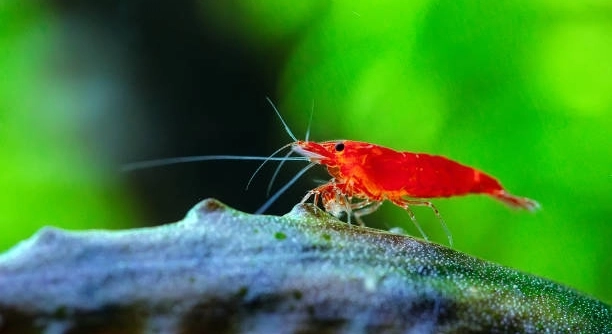
Keeping a shrimp tank healthy can feel simple at first, but the wrong foods can create big problems. Many common snacks and leftovers are actually harmful, affecting water quality and shrimp health in subtle ways.
Certain foods should be strictly avoided in a shrimp tank because they can decompose quickly, pollute the water, and introduce harmful bacteria. Items high in oils, salts, or preservatives can disrupt the delicate balance necessary for shrimp survival and growth.
Knowing which foods to skip will help maintain a clean, safe environment and support your shrimp’s overall wellbeing.
High-Fat and Oily Foods
Shrimp are very sensitive to the quality of water in their tank, and high-fat or oily foods can quickly upset that balance. Leftover meats, fried foods, and even some fish flakes contain oils that break down fast, creating a cloudy, smelly environment. This can lead to bacterial growth and oxygen depletion, which can harm or even kill your shrimp. Many people don’t realize that shrimp are much smaller and more delicate than fish, so even a tiny bit of oil can have a big impact. Fatty foods also stick to surfaces and decorations, making cleaning more difficult and increasing the chance of disease spreading. If you have been adding small amounts of fatty leftovers, it’s best to stop and remove any residue immediately. Maintaining clean water and a natural diet is crucial for shrimp health. Over time, avoiding oily foods will reduce stress on your shrimp and keep the tank ecosystem stable and clear.
Oily foods can damage water quality, encourage bacterial growth, and stress shrimp. Avoid adding fats or oils to ensure a stable tank environment.
Even small amounts of leftover oils can accumulate in the water, affecting shrimp behavior. They may become lethargic, eat less, or develop health problems. Consistent care and avoiding fatty foods prevent these issues and keep the tank clean, supporting shrimp longevity and wellbeing.
Processed and Salty Snacks
Processed foods and snacks high in salt should never enter a shrimp tank. Chips, crackers, and instant noodles may seem harmless, but they contain additives that can poison the water.
Salt and preservatives in processed snacks can upset the osmotic balance in a shrimp’s body. Shrimp are freshwater creatures, and even small amounts of sodium can dehydrate them or cause molting problems. Additives and artificial flavors may also promote bacterial or fungal growth in the tank. Over time, repeated exposure can weaken the shrimp’s immune system and reduce their lifespan. Even if you rinse the food, residues often remain, slowly contaminating the tank. A healthy shrimp diet relies on natural, plant-based foods, algae, and specialized shrimp pellets that are low in additives. By avoiding processed snacks completely, you maintain stable water parameters, reduce disease risks, and ensure your shrimp stay active and vibrant. Monitoring water regularly and feeding only safe, approved foods is the best way to prevent problems from processed items.
Citrus Fruits
Citrus fruits are highly acidic, and their juice can change the pH of a shrimp tank quickly. This sudden shift can stress shrimp, affect molting, and make them more vulnerable to disease. Avoid dropping peels, slices, or juice into the water.
The acid in citrus fruits interacts with water minerals, lowering the pH and creating an unstable environment. Shrimp thrive in slightly acidic to neutral water, so even a small imbalance can be harmful. Peels and pulp also decompose quickly, releasing additional acids and sugars that encourage bacterial growth. Over time, this can cloud the water and lead to ammonia spikes. While it may be tempting to add fruit scraps for variety, it is safer to stick to vegetables, algae, and approved shrimp foods. Consistent water quality is far more important than occasional treats that risk harming the shrimp. Avoiding citrus ensures the tank remains safe, stable, and clean.
Even minimal exposure to citrus can stress shrimp. Molting may be delayed, and young shrimp are particularly sensitive. Maintaining a consistent, neutral water environment supports healthy growth and reduces the chance of disease spreading in the tank.
Garlic and Strong Spices
Strong spices, including garlic, can irritate shrimp and contaminate the water. While mild garlic may be safe in small amounts for certain species, concentrated spice can be harmful. Avoid using any heavily seasoned or spiced foods in the tank.
Spices and garlic contain compounds that break down into chemicals affecting water quality. These chemicals can alter pH levels, promote bacterial growth, and create unpleasant odors. Even if shrimp nibble small amounts, residues from strong spices can accumulate over time, affecting the entire tank ecosystem. Additionally, these additives are not part of a shrimp’s natural diet and can interfere with digestion, causing stress and sluggish behavior. Feeding only plain, natural foods ensures the shrimp remain healthy and water quality stays optimal. It also reduces the need for frequent cleaning caused by decomposing residues. Consistently offering safe foods supports molting, growth, and overall activity levels.
Raw Meat
Raw meat can introduce harmful bacteria into a shrimp tank. It decomposes quickly, creating ammonia and other toxins that shrimp cannot tolerate.
Even small pieces left in the tank can cause water to become cloudy and smelly. This increases the risk of disease and can harm or kill shrimp.
Bread and Dough
Bread and dough are high in starch and often contain yeast or preservatives. These ingredients can ferment in water, producing gases and toxins that disrupt tank balance. Feeding bread or dough can lead to bacterial blooms and poor water quality. It’s best to avoid these entirely and stick to natural shrimp foods.
Chocolate and Sweets
Chocolate contains theobromine and sugar, both of which are toxic to shrimp. Even small amounts can poison them, affect their behavior, and damage their delicate digestive system. Always keep chocolate and sugary treats away from the tank.
What happens if I feed shrimp the wrong foods?
Feeding shrimp the wrong foods can quickly affect water quality and shrimp health. Foods high in fat, salt, sugar, or preservatives can decompose and produce ammonia, clouding the water and promoting bacterial growth. Shrimp are very sensitive, so even small amounts of harmful foods can cause stress, molting issues, or death. Over time, repeated feeding of unsafe foods weakens their immune system and reduces activity. It can also make maintaining a clean tank more difficult because residues stick to surfaces, decorations, and substrate. Keeping a shrimp tank safe requires careful selection of foods and avoiding leftovers, processed items, and anything heavily seasoned or oily.
Can shrimp eat leftover vegetables or fruit scraps?
Some vegetables and fruit scraps are okay if they are fresh, plain, and unseasoned, like zucchini, cucumber, or spinach. Avoid citrus, onions, and anything high in acids or sugars. Fruit and vegetable scraps should be added in small portions and removed if uneaten after a few hours to prevent water pollution. Overfeeding even safe scraps can lead to water quality issues, such as cloudy water and excess organic matter, which encourages bacterial and fungal growth. A good rule is to offer only what shrimp can consume in a day.
Are processed or packaged foods ever safe for shrimp?
Most processed or packaged foods are unsafe because they contain salts, preservatives, and artificial flavors. Even shrimp-specific pellets should be checked for additives. Natural, plant-based foods, algae, and approved shrimp pellets are the safest options. Processed foods can disrupt water chemistry, weaken shrimp, and increase the risk of illness.
Is it okay to feed shrimp protein-rich foods like fish or meat?
Shrimp do need some protein, but raw meat, fish, or leftovers are unsafe. These foods decompose quickly, producing toxins and ammonia that harm the shrimp. Instead, choose protein from safe shrimp pellets or blanched vegetables like peas. Small amounts of natural protein sources support growth without risking water quality.
How often should I feed shrimp?
Shrimp only need small amounts of food once a day or every other day, depending on their size and population. Overfeeding is a common mistake and can quickly pollute the tank. Only provide what they can finish within 24 hours. Removing uneaten food prevents bacterial growth and keeps water clean.
What signs show my shrimp ate something harmful?
Shrimp that eat harmful foods may become lethargic, hide more than usual, or stop eating. Molting problems can appear, and water may become cloudy or smelly. Early observation and immediate removal of harmful foods can prevent serious damage. Maintaining consistent water conditions helps recovery.
Can sugary foods harm shrimp?
Yes, sugary foods like chocolate, candy, or sweet fruits in large amounts are harmful. Sugar promotes bacterial growth, reduces water quality, and can poison shrimp. Even small residues can affect delicate shrimp over time. Stick to plain, natural, and balanced foods to maintain their health.
Are spices safe for shrimp?
Strong spices, including garlic, chili, or curry powders, are unsafe. They release chemicals into the water that disrupt pH and encourage bacterial growth. Mild amounts of natural herbs are still risky, so it is better to avoid them completely. Plain, unseasoned foods are always safest.
How do I safely introduce new foods?
Introduce new foods gradually in very small amounts. Observe shrimp behavior and water quality for 24 hours. Remove uneaten portions to avoid contamination. Only add foods known to be safe, like blanched vegetables, algae sheets, or specialized shrimp pellets. Careful introduction prevents stress and maintains a stable tank environment.
Can occasional treats be harmful?
Yes, even occasional treats like fruit scraps, leftover meat, or packaged snacks can harm shrimp if left too long or added in excess. It’s better to prioritize safe, consistent foods. Treats increase the risk of water contamination, bacterial blooms, and shrimp stress, which can reduce lifespan and activity.
What is the best diet for a shrimp tank?
A balanced shrimp diet consists of algae, blanched vegetables, and high-quality shrimp pellets. This supports molting, growth, and general health without harming water quality. Avoid fatty, processed, sugary, or heavily spiced foods. Consistent, safe feeding ensures a clean environment and happy shrimp.
How can I tell if water quality is affected by food?
Cloudy water, foul odors, and excessive algae growth are signs of poor water quality caused by food decomposition. Shrimp may act lethargic, hide, or stop eating. Regular water tests, prompt removal of uneaten food, and feeding small, safe portions help prevent these problems.
Maintaining a healthy shrimp tank requires careful attention to what goes into the water. Shrimp are delicate creatures, and even small mistakes with feeding can cause big problems. Certain foods, like raw meat, citrus, sugary snacks, and oily leftovers, can quickly pollute the water and harm your shrimp. These items decompose fast, releasing toxins and encouraging bacterial growth. Over time, this can lead to cloudy water, foul smells, and stress or illness for your shrimp. Paying attention to the types of foods you add and the amounts given is essential for keeping a stable and safe environment. Even foods that seem harmless may have hidden risks, so sticking to natural, plant-based options and specialized shrimp pellets is the safest approach.
It’s also important to monitor how your shrimp respond to what you feed them. Healthy shrimp are active, eat regularly, and molt without problems. If they become lethargic, hide more than usual, or show irregular behavior, it may be a sign that something in their diet is causing stress. Uneaten food should be removed promptly to prevent water contamination, and new foods should always be introduced gradually. Avoiding processed, spicy, or sugary items helps keep water conditions stable, reduces the risk of disease, and supports overall shrimp growth. Creating a consistent feeding routine with safe foods allows your shrimp to thrive and minimizes the work needed to maintain a clean tank.
Ultimately, the key to a successful shrimp tank is understanding that their needs are simple but specific. A small, controlled diet of algae, blanched vegetables, and high-quality shrimp pellets provides the nutrition they need without compromising water quality. Avoiding harmful foods entirely protects shrimp from stress, illness, and even death. Regular observation, careful feeding, and consistent maintenance are the best ways to ensure your shrimp remain healthy and active. By keeping these practices in mind, you can enjoy a clean, balanced tank where shrimp grow and thrive naturally, making your aquarium a safe and vibrant space.

Hello,
If you enjoy the content that we create, please consider saying a "Thank You!" by leaving a tip.
Every little bit helps us continue crafting quality advice that supports the health, happiness, and well-being of pets around the world, for pets of all shapes, sizes, and species.
We really appreciate the kindness and support that you show us!