
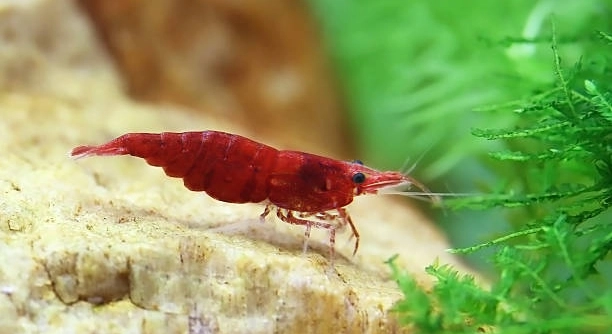
Have you ever noticed your cherry shrimp interacting in ways that seem unusual or competitive? Observing these tiny creatures in your tank can be surprisingly engaging and sometimes puzzling for shrimp keepers. Their subtle behaviors often spark questions.
Cherry shrimp do not experience jealousy in the way humans do. Their interactions are mainly driven by food competition, territory, and breeding instincts. Any seemingly aggressive behavior is instinctual rather than emotional, reflecting natural survival patterns in their environment.
Understanding their natural behavior can help improve your tank setup and care routines, ensuring all shrimp coexist peacefully and thrive together.
Understanding Cherry Shrimp Behavior
Cherry shrimp are fascinating little creatures with distinct behaviors that can be observed clearly in a well-maintained tank. They spend much of their time grazing on algae, exploring surfaces, and occasionally interacting with each other. When multiple shrimp share the same space, it may seem like they are competing or showing favoritism, but this is rarely emotional. Most behaviors stem from instinct, such as securing food or hiding from perceived threats. Males and females may interact differently, especially during breeding periods, which can create visible tension. While it may look like jealousy when one shrimp nudges another away from food, it is simply a natural response to limited resources. Overcrowding, insufficient hiding spots, or an unbalanced diet can make these behaviors more noticeable. Observing these patterns helps shrimp keepers understand normal interactions versus signs of stress. Proper tank conditions, including plants, substrate, and water quality, support healthier and calmer shrimp communities, reducing apparent aggression or competition in daily activities.
Cherry shrimp interactions are mostly instinct-driven. Apparent jealousy is a misunderstanding of their natural social and feeding behaviors, not actual emotional responses.
Providing a varied diet, enough space, and hiding spots reduces tension and helps shrimp coexist. Their interactions become calmer, making the tank more enjoyable to watch.
Signs of Stress in Cherry Shrimp
Shrimp under stress may act more aggressively or retreat frequently. They might hide more, stop eating, or show unusual swimming patterns. Stress is often linked to environmental factors rather than social conflict.
Stress in cherry shrimp can result from poor water conditions, sudden changes in temperature, overpopulation, or lack of food. Even minor shifts in pH or ammonia levels may trigger defensive behavior or reduce activity. When stress persists, shrimp may molt improperly, weaken, or face higher mortality rates. Observing daily behavior and maintaining consistent water parameters is crucial for their well-being. Providing plants, moss, or hiding places allows shrimp to feel secure, reducing frantic or aggressive movements. Feeding them regularly with a balanced diet, including algae wafers, blanched vegetables, and occasional protein sources, supports health and minimizes competition. Over time, a calm environment encourages natural behaviors like grazing, exploring, and gentle social interactions, which appear more relaxed and predictable. Consistency in tank maintenance, water quality, and careful observation can prevent most stress-related behaviors, ensuring your shrimp thrive and display natural, peaceful patterns without signs of unnecessary tension or conflict.
Feeding and Resource Sharing
Cherry shrimp are naturally competitive over food, but it is instinct, not jealousy. When multiple shrimp feed at once, nudging or chasing may occur. Proper feeding routines help reduce tension and keep all shrimp healthy and active.
Offering small portions of food multiple times a day ensures all shrimp get a share. Overfeeding can pollute the tank, while underfeeding increases competition. Observing feeding behavior helps identify shy or weaker shrimp that might need extra attention. Providing sinking wafers, blanched vegetables, and occasional protein boosts nutrition and reduces aggressive interactions, keeping your shrimp calmer and more balanced in the tank environment.
Adding more hiding spots and plants allows shrimp to eat at their own pace without being disturbed. Vertical decorations, moss, or small caves create natural separation and reduce competition over food. With thoughtful feeding strategies, shrimp display more natural grazing behavior rather than constant pushing or chasing. A well-structured tank setup also encourages peaceful coexistence, letting shrimp explore and feed without stress.
Breeding and Territorial Behavior
Breeding periods can increase apparent tension among shrimp. Males may follow females closely, while females may hide or move around more frequently to avoid constant attention.
Territorial behavior is often linked to space and resources. When tanks are overcrowded, shrimp may compete for hiding spots or surfaces to graze. Observing these interactions shows that disputes are usually brief and rarely cause harm. Providing adequate space, plants, and decorations helps minimize conflict and ensures natural behaviors can continue safely. Careful monitoring of tank population and layout keeps shrimp active, healthy, and less prone to stress-related behaviors, supporting both breeding and daily life.
Tank Setup and Space
Shrimp need enough space to move, graze, and hide. Crowded tanks increase stress and competition for food and shelter, which can make behaviors seem aggressive. Proper spacing helps maintain calm and balanced interactions.
Adding plants, moss, and small decorations provides hiding spots and vertical space. These features reduce competition and allow shrimp to feel secure while exploring and feeding.
Observing Natural Social Interactions
Cherry shrimp display social behaviors like grazing together, briefly nudging each other, and exploring surfaces. These interactions are normal and rarely harmful, reflecting natural instincts rather than emotions. Watching these behaviors helps identify healthy shrimp dynamics.
Water Quality and Its Effects
Stable water parameters are crucial for shrimp health. Fluctuations in temperature, pH, or ammonia levels can stress shrimp, increasing aggression or hiding tendencies. Regular testing ensures a safe environment.
FAQ
Do cherry shrimp get jealous of each other?
Cherry shrimp do not experience jealousy like humans. What may appear as jealousy, such as nudging or chasing, is usually related to food competition, territory, or mating instincts. Observing their behavior in a calm, well-maintained tank helps distinguish natural interactions from stress.
Why do some shrimp chase others during feeding?
Chasing happens when shrimp compete for food. This is instinctual rather than emotional. Shrimp with less food experience may try to push others away. Ensuring small, frequent feedings and providing multiple food spots reduces competition and keeps shrimp calmer.
Can shrimp fight each other?
Shrimp rarely fight aggressively. Most disputes are brief and harmless, usually related to food or hiding spots. Physical harm is uncommon. Overcrowding or insufficient hiding areas can make these interactions more noticeable, so a well-structured tank helps maintain peace.
How can I reduce stress among shrimp?
Stress often comes from poor water quality, sudden temperature changes, overcrowding, or lack of hiding spots. Keeping consistent water parameters, offering plants, moss, and small decorations, and feeding a balanced diet minimizes stress and encourages natural, calm behaviors.
Do males and females behave differently?
Yes. Males may follow females closely during breeding, while females may hide more often. These behaviors are instinctive rather than emotional. Providing sufficient hiding spots helps females avoid constant attention and reduces apparent tension.
How much space do cherry shrimp need?
A crowded tank increases stress and competition. Providing enough swimming space, grazing areas, and vertical structures reduces conflicts. Adding plants, moss, and decorations gives shrimp areas to hide, feed, and explore without interference.
What is normal shrimp interaction?
Normal interactions include grazing together, occasionally nudging each other, exploring surfaces, and briefly chasing during feeding. These are natural behaviors reflecting instinct and survival rather than emotions like jealousy. Observing patterns helps identify healthy dynamics.
Can diet affect shrimp behavior?
Yes. A poor diet or inconsistent feeding increases competition for food, making shrimp appear more aggressive. Feeding algae wafers, blanched vegetables, and occasional protein helps maintain calm behaviors and healthy shrimp.
Do shrimp show favoritism to each other?
Shrimp do not form attachments or show favoritism. Their interactions are driven by survival instincts, food access, and breeding. Any perceived preference is usually coincidental or based on territory and resource availability.
How do I know if shrimp are stressed?
Signs of stress include hiding excessively, reduced feeding, erratic swimming, and improper molting. Stress often comes from environmental factors rather than social conflict. Maintaining consistent water quality, proper feeding, and sufficient hiding spaces supports calm and healthy shrimp behavior.
Can adding more shrimp cause problems?
Introducing too many shrimp into a small tank can increase competition and stress. Proper tank size and hiding spots are essential to minimize disputes and maintain peaceful social interactions among the shrimp.
Do shrimp communicate with each other?
Shrimp communicate mainly through body movements and antennae contact. This helps them navigate feeding, breeding, and territorial boundaries. These signals are instinctive and do not indicate complex emotions like jealousy.
What are the best tank decorations to reduce tension?
Plants, moss, caves, and vertical structures help create separate areas. These reduce competition for space and food, allowing shrimp to feed and explore at their own pace. Hiding spots also support natural behaviors during breeding or molting periods.
Can stress affect breeding?
Yes. Stressed shrimp may molt improperly, eat less, or avoid mating. Calm tanks with proper water conditions, sufficient space, and hiding spots encourage healthy breeding behaviors and successful reproduction.
How often should I feed cherry shrimp?
Small, frequent feedings are best. Overfeeding pollutes the tank, while infrequent feeding increases competition. Providing multiple food sources ensures all shrimp get enough nutrition without constant chasing or pushing.
Is it normal for shrimp to explore the same areas repeatedly?
Yes. Shrimp often return to favored grazing spots or hiding areas. This behavior is instinctive and helps them feel secure. Offering multiple areas to explore prevents overcrowding in one spot and reduces competition.
Do shrimp ever relax together?
Yes. When tank conditions are ideal, shrimp graze side by side or rest without chasing. Calm social interactions indicate that the environment supports their natural instincts and reduces stress.
Can water changes affect shrimp behavior?
Sudden or large water changes can stress shrimp, causing hiding, chasing, or erratic swimming. Gradual, consistent water maintenance keeps shrimp calm and reduces aggressive or defensive behaviors.
Why do shrimp sometimes hide for long periods?
Hiding is a natural instinct for molting, avoiding stress, or when feeling threatened. Providing plenty of plants, moss, and shelters allows shrimp to retreat safely and reduces tension during vulnerable times.
Are some shrimp naturally more aggressive than others?
Individual shrimp may display slightly different behavior levels, but aggression is usually related to instincts for food, territory, or breeding. Environmental factors often influence perceived aggression more than personality.
How can I observe shrimp without causing stress?
Keep tank lighting soft, avoid sudden movements, and observe quietly. Using a camera or watching from a distance reduces stress and allows you to see natural behaviors clearly.
What should I do if shrimp appear constantly aggressive?
Check tank size, water quality, hiding spots, and feeding routines. Correcting environmental issues usually reduces competition and helps shrimp settle into calmer, natural behaviors.
Can shrimp live peacefully in groups?
Yes. When given proper space, food, and hiding places, cherry shrimp coexist peacefully. Observing their interactions helps identify any problems early and maintain a harmonious tank environment.
Do shrimp show memory or recognition?
Shrimp have simple instincts and memory related to food locations or hiding spots, but they do not recognize or feel emotions toward specific tank mates. Their behavior is guided by survival, not attachment.
Is it normal for shrimp to occasionally push or bump each other?
Yes. Brief nudges or bumps are part of feeding and grazing behavior. These interactions are instinctive and do not indicate jealousy or aggression in a harmful sense.
How do I maintain a balanced shrimp tank?
Consistent water parameters, adequate space, balanced diet, and plenty of hiding spots are key. Observing shrimp behavior regularly ensures a calm, healthy environment and minimizes competition-related issues.
Can tank mates affect shrimp behavior?
Yes. Fish or other creatures that chase or eat shrimp increase stress. Peaceful tank mates reduce competition and allow shrimp to feed, hide, and interact naturally. Proper selection is important for a harmonious aquarium.
Are there signs that shrimp are comfortable in their environment?
Shrimp that feed regularly, explore, and rest openly are typically comfortable. Minimal chasing, frequent grazing, and molting successfully indicate a well-maintained, low-stress tank environment.
How long does it take for shrimp to settle in a new tank?
Shrimp often adjust within a few days to weeks. Providing stable water parameters, hiding spots, and consistent feeding helps them adapt quickly and reduces stress-related behavior during the transition.
What mistakes should be avoided to reduce shrimp stress?
Avoid overcrowding, sudden water changes, poor diet, and lack of hiding spaces. Monitoring water quality and observing behavior regularly ensures shrimp remain healthy and display natural, peaceful interactions.
Do shrimp react to human presence?
Shrimp notice movement but rarely react aggressively. Observing them calmly helps you learn their patterns without causing stress. Frequent gentle observation can help identify changes in behavior or health issues early.
Can stress cause shrimp to die unexpectedly?
Yes. Chronic stress weakens shrimp, affecting molting, feeding, and overall health. Maintaining consistent water quality, proper tank conditions, and adequate space reduces risks and supports long-term survival.
Are some shrimp more dominant than others?
Yes. Larger or more active shrimp may occupy preferred grazing areas first, but dominance is limited and usually does not result in harm if the tank is spacious and well-structured.
How do I know if shrimp are feeding properly?
Healthy shrimp eat regularly, graze on surfaces, and occasionally compete briefly. Uneaten food or shy shrimp may indicate improper feeding, requiring adjustments in diet or feeding locations.
What is the best way to introduce new shrimp?
Quarantine new shrimp and gradually acclimate them to the tank. This reduces stress, prevents disease, and allows them to integrate without causing unnecessary tension among established shrimp.
Do shrimp recognize tank layout?
Shrimp learn where hiding spots, grazing surfaces, and food sources are. Familiarity with the layout reduces stress, helps them find food safely, and minimizes unnecessary competition or chasing.
How important is tank maintenance for shrimp behavior?
Regular water testing, partial water changes, and cleaning reduce stress and aggressive behaviors. Well-maintained tanks encourage natural grazing, exploration, and calm social interactions among shrimp.
Can seasonal changes affect shrimp behavior?
Sudden temperature or light changes can stress shrimp, affecting feeding and interactions. Consistent environmental conditions help shrimp maintain natural behavior patterns throughout the year.
How do I tell if shrimp are healthy?
Healthy shrimp are active, feed regularly, molt successfully, and display normal social interactions. Dull color, lethargy, or excessive hiding can indicate stress, illness, or poor tank conditions.
What should I do if shrimp appear lethargic?
Check water parameters, food supply, and temperature. Ensure hiding spots and a calm environment. Adjusting tank conditions usually restores normal activity levels quickly.
Are shrimp affected by overfeeding?
Yes. Excess food can pollute the water, leading to stress, disease, and more frequent chasing during feeding. Feeding controlled portions reduces tension and supports overall health.
Can shrimp molting be affected by stress?
Stress can cause molting problems, including incomplete molts or delays. Maintaining proper water quality, hiding spaces, and nutrition supports successful molting and healthy growth.
Do shrimp ever groom each other?
Occasionally, shrimp brush surfaces or lightly touch others while grazing. This is instinctive cleaning and exploration rather than social bonding or emotional behavior.
How long do cherry shrimp live in a healthy tank?
With proper care, cherry shrimp live 1.5 to 2 years. Maintaining water quality, diet, and tank setup ensures they thrive and display normal behaviors throughout their lifespan.
Are all shrimp equally active?
Individual shrimp vary in activity. Some explore more, while others graze or hide. Differences are normal and usually reflect natural instincts rather than health problems.
Can shrimp sense danger?
Yes. Shrimp react to vibrations, sudden movements, or perceived threats by hiding. This instinctive response helps them survive but does not indicate emotions like fear or jealousy in a human sense.
Do shrimp need companions?
Yes. They are social creatures and do best in small groups. Companionship allows natural grazing, exploration, and interaction, provided the tank offers space and resources for all shrimp to coexist peacefully.
How can I monitor shrimp health daily?
Observe feeding, grazing, molting, and social behaviors. Consistent observation helps catch early signs of stress, illness, or competition-related issues, allowing timely interventions to maintain a healthy tank.
Can water temperature changes cause aggression?
Yes. Rapid or extreme temperature changes increase stress, leading to chasing or hiding. Stable temperatures support calm behavior and natural interactions among shrimp.
Do shrimp ever fight over territory?
Territorial disputes are limited to preferred grazing or hiding areas. Conflicts are usually brief and harmless, especially when the tank has adequate space and structures to reduce overlap.
Are shrimp affected by light intensity?
Bright light can stress shrimp, causing them to hide more. Moderate, consistent lighting supports grazing, exploration, and calm social interactions without triggering defensive behavior.
How do I encourage natural behavior?
Provide stable water conditions, balanced diet, sufficient space, and hiding spots. Observing shrimp regularly helps ensure they display healthy grazing, exploring, and gentle social interactions naturally.
What mistakes are common with new shrimp owners?
Overcrowding, inconsistent water quality, poor feeding, and lack of hiding spots are frequent mistakes. Correcting these ensures shrimp thrive and reduces apparent aggression or competition.
Can shrimp feel pain?
Shrimp respond to stimuli, but their behavior is instinct-driven. What appears to be discomfort or aggression is mostly survival instincts rather than conscious emotional experience.
Do shrimp need a specific pH range?
Yes. Cherry shrimp thrive in slightly acidic to neutral water, typically around 6.5 to 7.5. Maintaining stable pH reduces stress and supports natural feeding, molting, and social behavior.
Is molting affected by tank mates?
Stress from aggressive tank mates or crowded conditions can disrupt molting. Providing hiding spots ensures shrimp can molt safely and reduces tension during vulnerable periods.
How important is aquarium filtration?
Filtration keeps water clean, removes toxins, and reduces stress. A well-filtered tank supports healthy shrimp behavior, feeding, and growth.
Can shrimp coexist with fish?
Yes, with careful selection. Peaceful fish reduce stress, while aggressive or predatory species increase hiding and competition behaviors. Proper tank planning is essential.
Do shrimp ever stop interacting?
Shrimp may reduce visible interactions during molting, feeding downtime, or stress. This is normal and usually temporary if the tank environment is stable.
How can I tell if a shrimp is sick?
Signs include lethargy, discoloration, improper molting, and lack of feeding. Prompt attention to water quality, diet, and hiding spaces helps recovery.
Are algae wafers enough for shrimp nutrition?
Algae wafers are part of the diet but should be supplemented with blanched vegetables and occasional protein for balanced nutrition and healthy growth.
Do shrimp remember feeding locations?
Yes. Shrimp learn where food is placed and may return to these spots consistently. This behavior is instinctive rather than emotional.
Can shrimp survive without hiding spots?
They may survive but will experience more stress. Lack of hiding spaces increases chasing, stress, and vulnerability during molting or breeding periods.
Do shrimp show signs of boredom?
Shrimp explore constantly, so repetitive movements are normal. A well-structured tank with plants, moss, and grazing surfaces keeps them engaged and reduces apparent agitation.
How often should I clean the tank?
Regular partial water changes and substrate cleaning maintain water quality without disturbing shrimp. Consistency prevents stress-related behaviors and supports healthy interactions.
Can stress shorten shrimp lifespan?
Yes. Chronic stress weakens shrimp, affecting molting, feeding, and overall health. Maintaining stable water parameters and a safe environment supports longevity.
Are some shrimp more timid than others?
Individual differences are normal. Timid shrimp may hide more or feed later. Providing ample hiding spots allows all shrimp to thrive comfortably.
Can shrimp detect other species in the tank?
Shrimp sense movement and vibrations. Peaceful species usually have little impact, but predatory or aggressive tank mates increase hiding and stress behaviors.
Do shrimp communicate while molting?
Shrimp remain mostly inactive while molting. They do not communicate intentionally but may use antennae to sense nearby shrimp or surfaces.
Is it normal for shrimp to molt frequently?
Molting frequency varies with age and growth. Juveniles molt more often, while adults molt less frequently. Proper nutrition and water conditions support safe molting.
How do I prevent shrimp loss during molting?
Provide hiding spots and stable water conditions. Avoid sudden changes in temperature, water quality, or tank disturbances to reduce risk during vulnerable molting periods.
Can shrimp recognize tank owners?
Shrimp respond to movement and light but do not recognize humans in an emotional sense. Repeated observation helps them remain calm and undisturbed.
What is the ideal shrimp tank size?
A minimum of 5 gallons for small groups is recommended. Larger tanks reduce competition, support stable water conditions, and provide enough space for hiding and grazing.
Do shrimp ever fight over food continuously?
Continuous fighting is uncommon if the tank is well-managed. Proper feeding schedules and multiple food spots prevent persistent competition and keep interactions brief and instinctive.
Can stress affect shrimp color?
Yes. Stress, poor diet, or bad water quality can dull shrimp colors. Healthy shrimp in stable conditions display vibrant, natural coloration.
Are shrimp sensitive to noise or vibrations?
Yes. Excessive vibrations can stress shrimp, causing hiding or erratic swimming. Gentle handling and minimal disturbances support calm behavior.
Do shrimp interact differently at night?
Shrimp may be more active during low-light periods. Providing consistent light cycles supports normal grazing, exploration, and social behaviors.
How do I know if shrimp are molting successfully?
Successful molting includes complete exoskeleton shedding, continued feeding, and normal activity afterward. Improper molts indicate stress, poor nutrition, or water issues.
Can adding plants improve shrimp behavior?
Yes. Plants provide hiding spots, grazing surfaces, and vertical space. They reduce competition, support natural behavior, and create a calmer tank environment.
Is it normal for shrimp to graze alone?
Yes. Individual grazing is natural and may vary by time of day, hunger, or comfort. Providing multiple grazing areas supports both solitary and group feeding.
Do shrimp ever groom themselves?
Yes. Shrimp clean their bodies, antennae, and legs while grazing. This is a natural maintenance behavior that keeps them healthy and active.
Can shrimp adapt to new tank layouts?
Yes. They explore and learn hiding spots, grazing surfaces, and food locations. Gradual changes reduce stress and support natural exploration behavior.
Are shrimp affected by water hardness?
Yes. Soft to moderately hard water is ideal. Extreme hardness or softness can stress shrimp and impact molting, feeding, and social behavior.
Do shrimp need consistent temperature?
Yes. Stable temperatures reduce stress, prevent molting problems, and support normal feeding and social interactions. Sudden changes can trigger hiding or chasing behaviors.
Can overcrowding cause health issues?
Yes. Overcrowding increases stress, competition, and disease risk. Maintaining proper tank size, hiding spots, and food availability ensures healthy shrimp populations.
How do I introduce tank decorations safely?
Rinse plants, moss, and rocks before adding them. Arrange decorations to create hiding spots and grazing areas while maintaining open swimming space to reduce stress and competition.
Do shrimp ever ignore each other completely?
Yes. During feeding downtime, molting, or rest periods, shrimp may avoid interaction. This behavior is normal and part of their natural activity cycle.
Are shrimp more active in groups?
Yes. Groups encourage grazing, exploration, and gentle social interaction. Adequate space ensures all shrimp remain active without excessive competition or stress.
Can water flow affect shrimp behavior?
Yes. Strong currents may stress shrimp, pushing them into hiding. Gentle, moderate flow supports natural grazing and swimming without causing agitation.
Do shrimp ever explore the tank vertically?
Yes. Shrimp climb plants, moss, and decorations to graze or find shelter. Vertical exploration
Cherry shrimp are small but fascinating creatures that rely heavily on instinct to guide their behaviors. Observing them in a tank can be rewarding, but it is important to understand that their actions are rarely emotional. When they push, nudge, or chase each other, it is usually related to food, space, or mating instincts rather than jealousy. Recognizing this can help shrimp keepers remain patient and avoid misinterpreting normal social interactions as negative behaviors. Overcrowding, insufficient hiding spots, or inconsistent feeding can make these behaviors more noticeable, but addressing the environment often resolves most apparent issues. Providing enough space, plants, moss, and vertical structures allows each shrimp to feel secure and reduces competition over food or territory.
Maintaining stable water conditions is also essential for calm and healthy shrimp behavior. Cherry shrimp are sensitive to changes in temperature, pH, and water quality, and sudden fluctuations can lead to stress. Stressed shrimp may hide excessively, eat less, or exhibit erratic movements. Stress can also affect molting and overall health. Regular monitoring of water parameters, consistent feeding schedules, and careful attention to the tank setup help create a balanced environment. Adding hiding spots and varied grazing areas ensures that even more timid shrimp can access food safely and find shelter when needed. A stable and well-planned tank reduces tension and encourages natural, peaceful behaviors among all shrimp in the aquarium.
Ultimately, cherry shrimp thrive when their basic needs are met, and their behaviors are understood in the context of their instincts. They do not feel jealousy, favoritism, or complex emotions like humans, but they do respond to environmental factors that affect comfort and survival. Observing their interactions provides insight into what keeps them healthy and happy, and small adjustments to diet, space, or water conditions can make a noticeable difference. By providing a secure, well-maintained environment, shrimp keepers can enjoy watching natural grazing, exploring, and gentle social behaviors without worrying about imagined emotional conflicts. The focus should always be on maintaining stability, meeting nutritional needs, and ensuring that each shrimp has access to space and resources, creating a calm and thriving community within the tank.

Hello,
If you enjoy the content that we create, please consider saying a "Thank You!" by leaving a tip.
Every little bit helps us continue crafting quality advice that supports the health, happiness, and well-being of pets around the world, for pets of all shapes, sizes, and species.
We really appreciate the kindness and support that you show us!