
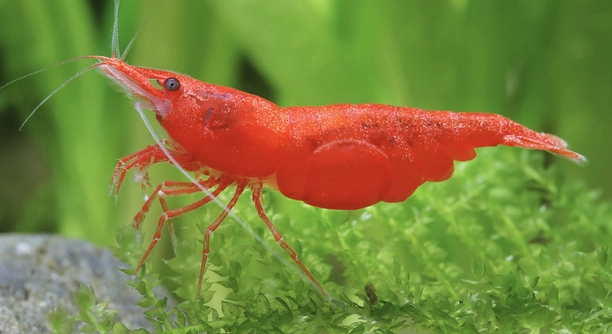
Cherry shrimp are small, colorful freshwater creatures that brighten aquariums with their activity. Many aquarium owners notice their constant movement and wonder how these tiny animals navigate the tank environment daily. Observing their behavior can be fascinating and relaxing.
Cherry shrimp do not migrate in the tank in the traditional sense. Their movements are largely driven by foraging, social interaction, and environmental conditions. They tend to stay within preferred areas, moving locally rather than traveling long distances.
Understanding their movement patterns helps maintain a balanced tank and ensures the shrimp remain healthy and active in their environment.
Understanding Cherry Shrimp Behavior
Cherry shrimp are naturally active and curious, often exploring their surroundings in small bursts. Their movement is influenced by food availability, water conditions, and hiding spots. Most of the time, they remain close to plants, rocks, or substrate where they feel safe. They prefer areas with consistent water parameters, gentle currents, and plenty of cover. While they move around the tank frequently, it is usually short distances as they search for food or interact with other shrimp. Observing them over several days can reveal patterns, such as preferred feeding spots or shaded corners. Temperature and lighting also play a role, as shrimp tend to be more active during stable, moderate conditions. If they sense sudden changes, they might hide temporarily. Providing varied environments like moss, caves, and driftwood encourages natural behavior. Each tank may see slightly different activity based on size, population, and layout.
Shrimp activity is not random; it is guided by comfort, food, and safety, which keeps them near familiar areas.
Local movements are essential for maintaining shrimp health. When they stay active within a confined area, it supports feeding efficiency, reduces stress, and allows for proper molting. Tracking these patterns can indicate whether water quality is suitable or if adjustments are needed. Overcrowding, poor filtration, or lack of hiding spots can disrupt normal movement, causing stress or illness. By observing where shrimp congregate and how they explore, you can optimize tank layout. Adding fine plants, smooth substrate, and gentle water flow creates an inviting environment. Regular feeding in multiple spots encourages them to explore without forcing long-distance movement. Localized activity also helps maintain social balance, as dominant shrimp often occupy prime areas, while others navigate less preferred corners. Understanding these behaviors improves not only shrimp health but also your enjoyment as an observer. Well-maintained tanks allow shrimp to display natural patterns consistently.
Factors That Influence Tank Movement
Water temperature, light cycles, and oxygen levels significantly affect shrimp activity.
Tank design, population density, and feeding schedules directly shape how cherry shrimp move and interact. Providing a balanced environment with stable conditions encourages consistent local activity. Over time, shrimp adapt to the layout, establishing regular routes. Observation can reveal if certain areas are avoided or preferred. A carefully arranged tank with ample cover, plants, and smooth surfaces supports natural behaviors. Uneven temperatures or strong currents can reduce movement, causing shrimp to cluster in safe zones. Proper maintenance and attention to tank conditions help maintain a healthy balance and predictable activity patterns for these delicate creatures. Regular monitoring ensures that changes in behavior are noticed early, allowing adjustments before issues develop. By understanding the impact of environmental factors, you can ensure the shrimp remain active, healthy, and visible, enriching both the tank ecosystem and your observation experience.
Common Movement Patterns
Cherry shrimp often move slowly across the substrate, stopping frequently to graze on algae or biofilm. They climb plants, driftwood, and rocks, exploring vertical surfaces. Their movement is mostly deliberate and cautious, avoiding open spaces when possible to reduce stress from potential threats.
Movement frequency and speed depend on feeding times and environmental comfort. Shrimp tend to be more active during stable, moderate temperatures and lower light periods. They use their antennae to sense the surroundings and communicate with other shrimp. When a new hiding spot is added, they gradually explore it, showing cautious curiosity. Molting shrimp may reduce activity temporarily, seeking safety. Observation over days shows that they establish favorite areas, often returning to familiar spots, which creates predictable movement routes across the tank.
Territorial behavior is subtle but present in larger groups. Dominant shrimp may claim prime feeding zones or elevated surfaces, while others stick to the edges. This behavior keeps interactions minimal and reduces stress. Understanding these subtle patterns allows for better tank arrangement and ensures all shrimp have access to food, shelter, and safe resting areas, promoting overall health and consistent activity levels throughout the aquarium.
Seasonal and Environmental Effects
Water temperature, light, and oxygen levels influence shrimp activity significantly. Changes in any factor can alter movement patterns quickly, with shrimp seeking stable conditions.
Seasonal variations or adjustments in lighting and filtration can cause shrimp to temporarily reduce movement. Warmer water often increases metabolism, making shrimp more active, while cooler temperatures slow them down. Sudden light changes can trigger hiding behavior, especially in areas lacking cover. Oxygen concentration affects energy levels; low oxygen encourages clustering near the surface or near filters where water is more aerated. Consistent water parameters maintain normal behavior, while fluctuations prompt temporary relocation within the tank. Observing shrimp across these variations provides insight into how environmental conditions affect daily activity.
Proper tank maintenance, including stable temperature, adequate filtration, and balanced feeding, minimizes stress and supports regular movement patterns. Shrimp benefit from consistent routines that match their natural behavior. Monitoring water parameters ensures sudden shifts do not disrupt activity or cause health issues. Adding shaded areas, plants, and smooth surfaces allows them to adapt safely when environmental changes occur. Over time, shrimp establish predictable zones of activity, which can be observed and adjusted for optimal tank design. Attention to these factors improves shrimp vitality and allows them to display natural, comfortable behaviors consistently.
Tank Layout and Shrimp Movement
Cherry shrimp often follow predictable paths based on tank layout. Plants, rocks, and driftwood create natural corridors that guide their exploration. Open spaces are usually avoided, as shrimp feel vulnerable without cover, sticking close to surfaces.
Dense planting encourages short, repeated movements. Shrimp use leaves and moss as checkpoints while foraging, moving cautiously from one area to another. Uneven substrate and hiding spots allow them to rest safely between excursions. Properly arranged tanks reduce stress and promote natural activity. Observing these movement patterns helps identify preferred zones and optimize plant placement for both visibility and shrimp comfort.
Feeding and Exploration
Shrimp respond quickly to feeding, adjusting movement to locate food efficiently. They graze on algae, biofilm, and occasional added food.
Food placement influences their local movement significantly. Multiple feeding spots encourage exploration without forcing long-distance travel. Regular feeding schedules create predictable activity patterns, allowing shrimp to maintain consistent energy levels and interact with their environment safely.
Social Interaction
Cherry shrimp display mild social behaviors, often clustering in groups or avoiding dominant individuals. Their interactions are subtle but affect movement and space use.
Stress and Movement
Stress from sudden changes, poor water quality, or overcrowding reduces shrimp activity and alters normal movement patterns.
FAQ
Do cherry shrimp move a lot in the tank?
Cherry shrimp are naturally active but their movements are usually short and local. They explore plants, substrate, and decorations, but rarely travel long distances. Their activity is influenced by food availability, hiding spots, water conditions, and light levels. Frequent movement is a sign of healthy shrimp, while sudden inactivity may indicate stress or illness.
Why do some shrimp hide more than others?
Shrimp hide to feel safe, especially after molting or when environmental changes occur. Dominant shrimp may claim prime areas, forcing others to occupy less exposed corners. Lack of sufficient cover, sudden temperature shifts, or strong currents can also make shrimp seek shelter more often than usual.
Can tank layout affect shrimp movement?
Yes, tank layout plays a major role. Plants, moss, rocks, and driftwood create pathways and resting areas. Open spaces are avoided because shrimp feel vulnerable there. Dense planting encourages short exploratory movements and provides safe zones for molting shrimp. A well-planned layout promotes natural behavior.
Do cherry shrimp migrate in groups?
Cherry shrimp do not migrate in groups like some other species. Their movements are mostly individual, driven by foraging and local exploration. Group clustering occurs only around food or safe areas, but this is temporary and not considered migration. Social interaction is subtle and avoids conflict.
How does feeding affect movement?
Feeding strongly influences shrimp activity. Shrimp move toward food and graze over algae or biofilm. Multiple feeding spots encourage exploration without forcing long-distance travel. Regular feeding schedules create predictable activity patterns and maintain energy levels. Shrimp also return to familiar feeding spots consistently.
Does water temperature impact shrimp activity?
Yes, temperature affects metabolism and movement. Warmer water increases activity, while cooler water slows it down. Sudden temperature changes may cause shrimp to hide. Maintaining stable, moderate temperatures ensures normal movement patterns and reduces stress.
Do shrimp move differently at night?
Shrimp are more active during low light or dim periods. Nighttime movement tends to be more cautious but consistent, as they forage for food and explore safer areas. Proper lighting schedules allow shrimp to establish natural activity patterns without unnecessary stress.
Can overcrowding change shrimp movement?
Overcrowding reduces space and forces shrimp to compete for hiding spots and food. This can alter normal movement, causing clustering in limited safe areas. Adequate population density is essential to maintain predictable, healthy movement and reduce stress-related behavior.
How does water quality influence shrimp movement?
Poor water quality can severely impact movement. High ammonia, nitrites, or unstable pH levels stress shrimp, causing them to hide or remain inactive. Clean, well-maintained water with consistent parameters supports healthy activity and normal exploration. Monitoring water quality regularly ensures shrimp remain active and visible.
Do shrimp have favorite spots in the tank?
Yes, shrimp often return to familiar areas where they feel safe and have access to food. These spots may include plants, moss, or shaded corners. Recognizing these patterns helps with tank layout adjustments to promote healthy activity throughout the tank.
How does molting affect movement?
Molting shrimp become less active and hide to protect themselves while shedding and hardening their exoskeleton. Providing hiding spots during this period is crucial. After molting, shrimp gradually resume normal local movements and continue exploring the tank cautiously.
Can shrimp movement indicate health issues?
Yes, sudden changes in movement can signal stress, illness, or water quality problems. Lethargy, erratic swimming, or hiding more than usual should prompt a check of water parameters, tank conditions, and feeding practices. Early observation helps prevent serious health problems.
Do decorations influence movement patterns?
Decorations like caves, driftwood, or moss create resting and hiding spots. They guide shrimp movement by forming natural pathways and safe zones. Shrimp often explore decorations carefully, and well-placed features reduce stress while encouraging local exploration.
How often do shrimp explore new areas?
Shrimp explore gradually, especially when the tank layout changes. They cautiously investigate new plants, rocks, or decorations. Exploration is usually limited to safe areas near familiar hiding spots, and they quickly retreat if they feel exposed or stressed.
Can shrimp “forget” their favorite areas?
Shrimp rarely forget their preferred zones. Even after changes, they tend to return to familiar hiding or feeding spots. Consistent tank layout and stable conditions help maintain predictable movement patterns and ensure shrimp feel comfortable throughout the aquarium.
Do shrimp move differently when alone?
Single shrimp may appear more cautious, exploring slowly and sticking close to cover. In groups, movement can seem more coordinated around feeding areas or safe zones. Individual or social differences are subtle and mostly affect local activity rather than overall health.
Does tank size change movement patterns?
Larger tanks allow more exploration, but shrimp still tend to stay near plants and substrate. Smaller tanks limit movement but make shrimp activity easier to observe. Regardless of tank size, they maintain local, cautious movement patterns influenced by safety, food, and comfort.
How do shrimp interact during feeding?
During feeding, shrimp gather around food sources but maintain distance to avoid conflict. Dominant individuals may get first access, while others graze nearby. This creates temporary clustering without migration and encourages short, purposeful movements across the tank.
Can water flow affect movement?
Strong currents can limit shrimp movement, forcing them to cling to surfaces or hide. Gentle flow allows normal exploration and feeding. Adjusting filtration or using plants as flow barriers helps maintain predictable activity and ensures shrimp are comfortable navigating the tank.
Do shrimp migrate to different areas seasonally?
Cherry shrimp do not migrate seasonally. Movement variations may occur due to changes in temperature, light, or food availability, but they remain within familiar zones. They adapt locally to environmental changes rather than undertaking long-distance relocation.
How do shrimp respond to new tankmates?
New tankmates can cause temporary hiding and altered movement. Shrimp tend to avoid aggressive species or large fish, sticking to cover until they feel safe. Over time, they resume normal local movement once the environment stabilizes.
Can adding plants change movement behavior?
Yes, adding plants provides new hiding spots and surfaces to explore. Shrimp gradually incorporate these areas into their regular paths, increasing local movement while maintaining safe behavior patterns. Proper planting encourages natural activity and reduces stress.
Do shrimp follow each other while moving?
They do not actively follow like schooling fish. Occasional group clustering occurs around food or safe zones, but movements are largely individual. Social interactions are subtle and primarily involve space sharing rather than coordinated migration.
Can lighting influence movement during the day?
Bright light may cause shrimp to seek shaded areas, reducing visible movement. Dim or moderate lighting encourages normal foraging and exploration. A consistent lighting schedule helps maintain predictable daily activity patterns without causing stress.
Do shrimp ever leave their preferred areas permanently?
Shrimp rarely leave safe zones permanently unless forced by changes in water quality or overcrowding. Even with modifications, they return to familiar spots once conditions stabilize, showing strong site fidelity and preference for secure areas.
Can stress cause unusual movement patterns?
Stress often leads to hiding, clustering, or reduced activity. Factors like water quality, temperature changes, aggressive tankmates, or overcrowding trigger these behaviors. Observing movement changes can help identify stressors early and maintain a healthy environment.
Is it normal for some shrimp to explore more than others?
Yes, individual shrimp have different activity levels. Some are naturally bolder and explore more, while others prefer staying hidden. Both behaviors are normal and influenced by personality, environmental comfort, and social hierarchy within the tank.
How do shrimp find food without migrating?
Shrimp locate food by grazing locally on biofilm, algae, and deposited food. They move short distances between feeding areas, relying on their antennae to sense surroundings. Localized foraging eliminates the need for long-distance travel, maintaining a safe, stress-free environment.
Do shrimp ever move to the tank surface?
Occasionally, shrimp move near the surface for oxygen or food, especially if water flow is low or oxygen levels vary. This movement is brief and generally within the same local area, not indicative of migration.
How long do shrimp stay active each day?
Cherry shrimp are active for several hours daily, primarily during stable, dim light periods. Activity is influenced by feeding schedules, water conditions, and tank layout. Most movement is short and deliberate rather than continuous.
Can adding hiding spots reduce excessive clustering?
Yes, providing additional shelters spreads out shrimp activity. Multiple hiding spots reduce stress, prevent overcrowding in preferred zones, and encourage exploration without forcing long-distance movement.
Do shrimp move differently in planted vs. bare tanks?
Planted tanks encourage localized exploration, with shrimp using leaves and moss as checkpoints. Bare tanks limit hiding options, causing clustering and cautious movement. Plants create a natural environment that supports healthy, active behavior patterns.
Can shrimp recognize safe zones?
Yes, shrimp quickly learn where hiding spots and feeding areas are. Familiar zones are revisited consistently, guiding daily movement and reducing stress. Recognition of safe areas helps maintain predictable local activity across the tank.
Does molting affect movement temporarily?
Molting shrimp hide and reduce activity for protection. After hardening, they gradually resume normal movement, returning to familiar zones and exploring cautiously. Hiding during this period is essential for survival and safe recovery.
Do shrimp ever explore new areas far from their usual spots?
Exploration is usually cautious and local. New areas are investigated gradually, often returning to familiar zones if they feel unsafe. Long-distance movement is rare and typically unnecessary in a well-maintained tank.
How do shrimp behave when water parameters change suddenly?
Sudden changes in temperature, pH, or ammonia cause hiding, clustering, and reduced activity. Shrimp adapt slowly, seeking familiar safe spots until conditions stabilize. Maintaining stable parameters is crucial for normal movement and health.
Can shrimp movement indicate breeding readiness?
Active shrimp, particularly females carrying eggs, often move between safe zones to graze and maintain health. Observation of these patterns can help identify healthy, mature individuals ready for reproduction.
How long does it take shrimp to adjust to a new tank?
Shrimp gradually explore new tanks over several days, relying on hiding spots and familiar surfaces. Full adaptation occurs once they establish preferred zones and consistent local movement patterns.
Do shrimp interact with other species while moving?
Interactions are cautious. Shrimp avoid aggressive or larger species, sticking to safe zones. Movement patterns may temporarily change, but they resume normal activity once the environment stabilizes.
Can adding driftwood or rocks change movement routes?
Yes, new structures create pathways and resting spots. Shrimp incorporate these areas into regular exploration, enhancing local movement while maintaining safety. Proper placement supports natural behavior and reduces stress.
Do shrimp ever travel long distances for food?
No, cherry shrimp remain within familiar areas. Food placement encourages localized foraging, preventing unnecessary long-distance movement and promoting consistent energy levels.
How does tank cleaning affect movement?
Cleaning can temporarily disrupt movement. Shrimp hide until they feel safe again. Maintaining routine cleaning schedules with minimal disturbance helps shrimp resume normal local activity quickly.
Can temperature fluctuations cause migration-like behavior?
Temperature changes may alter local movement but do not trigger true migration. Shrimp adjust by relocating within the tank to maintain comfort, returning to familiar zones once conditions stabilize.
Do shrimp respond differently to live plants vs. artificial plants?
Live plants offer biofilm and surfaces for grazing, encouraging short, active movements. Artificial plants provide cover but lack food sources. Both influence movement, but live plants enhance natural behavior.
Can overcrowding lead to permanent relocation?
Overcrowding may force temporary relocation to less preferred areas, but shrimp generally return once population density decreases or additional hiding spots are added.
Do shrimp prefer substrate types for movement?
Shrimp favor fine, smooth substrates for grazing and walking. Uneven or sharp substrates reduce activity. Substrate choice impacts movement, comfort, and grazing efficiency.
How often do shrimp repeat the same paths?
Shrimp frequently revisit familiar zones for safety, feeding, or resting. Predictable paths are normal, supporting efficient foraging and reduced stress within the tank.
Do shrimp explore vertical surfaces often?
Yes, they climb plants, moss, and driftwood. Vertical exploration is cautious and usually limited to areas near cover or food. It is part of natural local movement.
Can strong currents prevent movement?
Strong currents limit normal movement, forcing shrimp to cling to surfaces or hide. Gentle flow supports exploration and feeding without stress.
Do shrimp ever leave hiding spots for long periods?
Typically, shrimp venture out briefly before returning to safe zones. Long departures are rare unless environmental conditions are optimal and food is abundant.
Does lighting schedule influence movement patterns?
Consistent light cycles support predictable daily activity. Sudden changes may trigger hiding, while gradual, moderate lighting encourages normal local movement.
Do shrimp move differently with livebearers or other fish?
Shrimp remain cautious, often sticking close to cover. Interaction is minimal unless food is involved. Their movement adjusts temporarily until they feel safe.
Can adding moss encourage more exploration?
Yes, moss provides grazing surfaces and checkpoints, prompting short movements and increased activity without exposing shrimp to stress.
Do shrimp ever move randomly?
Random movements are rare. Most movement is purposeful, related to food, safety, or exploration of familiar areas.
Does population size impact activity?
Larger populations may increase local competition for resources, slightly altering movement. Proper density ensures predictable behavior and reduces stress.
Can stress from tankmates reduce exploration?
Yes, aggressive or large tankmates cause hiding and limited movement. Shrimp adapt slowly and resume normal activity once threats are minimized.
Do shrimp adjust movement when plants grow?
As plants grow, shrimp integrate new surfaces into paths gradually, increasing exploration while maintaining safety and preferred zones.
Can sudden water changes cause hiding?
Yes, sudden changes prompt hiding and reduced activity. Shrimp resume normal movement once parameters stabilize.
Do shrimp follow feeding routines?
They quickly learn feeding times and spots, adjusting movement to graze efficiently without unnecessary travel.
Do shrimp explore new areas after molting?
Post-molting shrimp gradually resume local movement, cautiously exploring nearby areas while returning to familiar hiding spots as needed.
How do shrimp behave during low oxygen periods?
Shrimp cluster near surface or filters where oxygen is higher. Movement is reduced until oxygen levels stabilize.
Can lighting intensity affect hiding?
Bright light encourages hiding, while moderate light promotes cautious exploration. Consistent lighting helps maintain predictable activity patterns.
Do shrimp ever abandon areas permanently?
Only if forced by poor water quality, overcrowding, or lack of cover. Otherwise, familiar zones remain preferred.
Do shrimp interact differently with other shrimp species?
Interaction is minimal. Mixed species coexist with occasional clustering but maintain individual local movement patterns.
Can adding rocks change exploration routes?
Yes, rocks create pathways and resting areas, encouraging short, purposeful movements while maintaining safety.
Do shrimp move differently during water changes?
Shrimp hide or reduce activity temporarily. Gradual water changes help maintain normal movement without causing prolonged stress.
Can uneven substrate affect movement?
Uneven or sharp substrate reduces movement and grazing efficiency. Smooth, fine substrate supports normal activity.
Do shrimp explore more with varied food?
Varied food encourages grazing over multiple areas, increasing local movement without forcing long-distance travel.
Do shrimp recognize tank corners as safe zones?
Yes, corners and shaded areas are frequently revisited, providing comfort and guiding daily movement.
How do shrimp respond to sudden light changes?
Sudden bright light causes hiding. Gradual lighting allows consistent exploration and safe activity.
Can adding hiding spots prevent clustering?
Yes, more hiding spots distribute shrimp activity, reduce stress, and encourage natural movement throughout the tank.
Do shrimp ever move to the surface for food?
Occasionally, they explore near the surface for food or oxygen, but movements remain localized and brief.
Do shrimp adjust movement with population changes?
Yes, adding or removing shrimp can temporarily alter paths, but local movement patterns stabilize over time.
Can shrimp sense water flow while moving?
Yes, they avoid strong currents, preferring gentle flow areas that allow normal exploration and grazing.
Do shrimp ever change favorite spots?
Shrimp may shift preferences if environmental conditions change, but familiar safe zones remain important for predictable movement.
Does tank cleanliness affect movement?
Regular maintenance supports consistent activity, while neglected tanks can reduce movement and stress shrimp.
Do shrimp move differently during breeding periods?
Females carrying eggs may limit movement to safe zones, while males continue short exploration to locate mates.
Can plants reduce stress and improve movement?
Yes, plants provide cover, grazing surfaces, and pathways, encouraging natural local movement and reducing stress.
Do shrimp recognize regular feeding locations?
Yes, shrimp repeatedly visit known feeding spots, creating predictable local movement without long-distance travel.
Do shrimp react to vibrations in the tank?
Vibrations cause temporary hiding or cautious movement, especially in exposed areas, until conditions normalize.
Can adding multiple food spots improve exploration?
Yes, multiple spots spread activity, reduce competition, and encourage localized movement safely across the tank.
Do shrimp move differently in nano tanks?
Smaller tanks limit exploration but increase visibility of normal paths. Movement remains local and cautious.
Does molting frequency influence overall activity?
Molting temporarily reduces activity. Between molts, shrimp maintain predictable short-range movements and gradually resume exploration.
Can substrate color affect movement?
Darker substrates encourage natural grazing and hiding, while very light or reflective substrates may cause hesitation in exploration.
Do shrimp ever move to escape tankmates?
Yes, shrimp retreat to hiding spots or less populated zones to avoid stress from other tank inhabitants.
How long does it take for shrimp to establish movement routines?
Shrimp establish predictable local paths within a few days of stable water parameters, adequate cover, and consistent feeding.
Do shrimp respond differently to flowing vs. still water?
Flowing water may reduce activity if strong, while gentle flow allows normal movement. Still water encourages cautious, exploratory behavior.
Can changing tank decorations affect movement?
Yes, rearranging plants or rocks alters local paths temporarily. Shrimp gradually explore new areas while returning to familiar zones for safety.
Do shrimp ever climb glass surfaces?
Occasionally, shrimp climb glass when exploring or grazing biofilm, but this is usually near familiar hiding spots and not continuous.
Can water hardness influence movement?
Extreme hardness may cause hiding or cautious behavior. Stable, moderate hardness supports normal exploration and activity.
Do shrimp have daily activity peaks?
Activity is usually higher during dim light periods or feeding times, with predictable local movement across familiar zones.
Do shrimp interact differently when new to a tank?
New shrimp hide initially, gradually exploring safe zones. Normal activity resumes once they acclimate to water conditions and layout.
**Can tank cleaning stress affect movement
Final Thoughts
Cherry shrimp are small but fascinating creatures, and understanding their movement patterns can make caring for them easier. These shrimp do not migrate in the traditional sense. Instead, they move locally, exploring plants, substrate, and decorations in short bursts. Most of their movement is deliberate, guided by the search for food, safety, and social interaction. Observing their behavior over time helps identify normal patterns, such as favorite hiding spots or frequently used paths, and can reveal when something in the tank might be affecting their activity. Knowing that they prefer staying close to secure areas can inform tank layout decisions, ensuring that plants, rocks, and other features provide both cover and accessible grazing surfaces.
Environmental factors play a crucial role in shrimp behavior. Water temperature, oxygen levels, and light intensity influence how active they are at different times of the day. Warmer water often encourages more movement, while cooler conditions slow them down. Sudden changes in these parameters can lead to hiding or clustering, as shrimp prioritize safety. Stable water quality is equally important; high ammonia or nitrite levels, pH fluctuations, and inconsistent feeding schedules can cause stress and reduce normal movement. By maintaining consistent water conditions and providing a tank with plenty of hiding spots and varied surfaces, shrimp are able to move comfortably, graze efficiently, and display natural behaviors without unnecessary stress. Regular observation allows you to notice subtle changes, which can indicate the need for adjustments to their environment before issues develop.
Social interactions and tank layout also influence how cherry shrimp behave. While they do not migrate as a group, they interact subtly with one another, often avoiding dominant individuals or clustering temporarily around food or safe zones. Tank design encourages or limits movement depending on the placement of plants, moss, and decorations. Dense planting provides cover and encourages short, repeated exploration, while open areas are generally avoided. Feeding patterns further guide their activity, as shrimp quickly learn where food is placed and adjust their movement accordingly. Understanding these combined factors allows for a tank environment that supports healthy shrimp activity, promotes well-being, and ensures that their behavior can be easily observed and enjoyed. Creating a balanced, stable, and thoughtfully arranged tank ensures that cherry shrimp remain active, safe, and comfortable while maintaining predictable, natural movement patterns.

Hello,
If you enjoy the content that we create, please consider saying a "Thank You!" by leaving a tip.
Every little bit helps us continue crafting quality advice that supports the health, happiness, and well-being of pets around the world, for pets of all shapes, sizes, and species.
We really appreciate the kindness and support that you show us!