
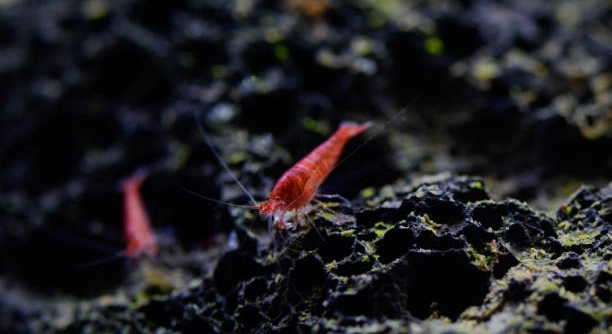
Creating a natural shrimp habitat requires careful attention to detail and the right combination of elements. Many shrimp owners aim to mimic nature as closely as possible to support healthy, active, and thriving shrimp populations in their tanks.
Providing a suitable environment for shrimp involves recreating natural conditions including proper substrate, plants, hiding spaces, water parameters, and gentle filtration. Each element contributes to shrimp wellbeing, growth, and breeding, ensuring the habitat supports their natural behaviors effectively.
Understanding these key factors will help you create a safe and sustainable home for your shrimp, encouraging long-term health and activity in your aquarium.
Choosing the Right Substrate
The substrate forms the foundation of a shrimp tank, affecting water quality, plant growth, and shrimp comfort. Fine-grain sand or specialized shrimp soil works best because it allows shrimp to forage naturally. Shrimp enjoy grazing on biofilm and tiny particles, and a soft substrate prevents injury. A layered approach can help maintain water stability and encourage plant roots to anchor properly. Gravel can be used, but it should be smooth and free of sharp edges. Using nutrient-rich substrate supports plant growth, which in turn provides hiding spots and surfaces for algae growth. Maintaining substrate cleanliness is essential, as accumulated waste can alter water parameters. Regular gentle siphoning ensures that shrimp remain healthy while preserving the substrate’s natural balance. Avoid chemical treatments that alter pH suddenly, as shrimp are sensitive to abrupt changes. Taking time to set up a stable base helps prevent stress and encourages breeding behavior.
Choosing a substrate carefully ensures that shrimp have both comfort and the necessary nutrients for survival.
Proper substrate management supports plant health, biofilm growth, and consistent water parameters. It forms the backbone of a thriving shrimp habitat, influencing every aspect of tank life.
Adding Plants and Hiding Spaces
Plants provide oxygen and surfaces for biofilm, while hiding spots reduce stress and support molting.
Incorporating live plants like mosses, ferns, and floating species helps create a natural feel. Shrimp need shaded areas and crevices where they can retreat during molting or when exploring. Driftwood, rocks, and ceramic tubes serve as effective hiding places and also encourage biofilm growth, which is a natural food source. Arranging plants and structures in layers offers both open swimming areas and protected zones. Fast-growing plants absorb excess nutrients, preventing algae overgrowth while keeping water cleaner. Mosses can attach to driftwood or rocks, giving shrimp constant surfaces to graze. Maintaining a balance between open spaces and dense cover ensures shrimp feel secure while moving freely. Rotating or trimming plants periodically promotes healthy growth and prevents overcrowding. Careful placement of decorations mimics natural environments, making shrimp more active and confident. These small adjustments enhance tank stability and shrimp wellbeing.
Maintaining Water Quality
Regular water changes keep shrimp healthy and reduce stress. Testing parameters ensures stability and prevents sudden shifts.
Shrimp are sensitive to ammonia, nitrites, and nitrates. Maintaining consistent temperature and pH is crucial. Using a gentle filter prevents strong currents that could disturb shrimp. Dechlorinated water is necessary, and gradual changes during water replacement reduce stress. Monitoring hardness and mineral content supports exoskeleton development. Overfeeding can quickly degrade water quality, so feeding small amounts daily is better than large amounts infrequently. Observing shrimp behavior provides early signs of imbalance or illness. Maintaining stable, clean water encourages active shrimp and healthy reproduction, making tank management easier over time.
Introducing beneficial bacteria can help stabilize the nitrogen cycle, ensuring waste is broken down efficiently. Regular partial water changes, combined with careful feeding, prevent sudden parameter shifts. Shrimp thrive in water that remains consistent, supporting molting, growth, and natural activity patterns. Keeping the tank clean and balanced is essential for long-term health.
Controlling Light and Temperature
Light and temperature influence shrimp activity and plant growth. Proper balance supports both tank health and shrimp wellbeing.
Maintaining a stable temperature between 72–78°F suits most freshwater shrimp. Sudden temperature fluctuations can cause stress or mortality. Moderate lighting encourages plant growth without promoting excessive algae. Timed light cycles, around 8–10 hours per day, mimic natural conditions and help regulate shrimp behavior. Observing shrimp response to light intensity allows adjustments for optimal comfort. Avoid direct sunlight, which can overheat the tank and trigger algae blooms. Using LED lights reduces heat output while providing sufficient illumination for plants. Temperature and lighting work together to create a stable environment conducive to shrimp health, feeding, and breeding.
Keeping consistent light cycles and temperatures reduces stress and encourages natural behaviors. Adjusting gradually when necessary supports molting, feeding, and overall tank harmony for long-term shrimp success.
Providing Proper Nutrition
Shrimp need a balanced diet for growth and color. Offer a mix of commercial shrimp food and natural sources like algae or blanched vegetables.
Overfeeding can harm water quality, so feed small portions daily. Rotating food types ensures shrimp get all essential nutrients and maintain healthy activity levels.
Gentle Filtration
A gentle sponge or low-flow filter removes debris without creating strong currents. This prevents stress and keeps shrimp safe while maintaining clean water.
Monitoring Tank Population
Keep shrimp numbers manageable. Overcrowding increases waste and stress, reducing overall health and growth rates.
FAQ
How often should I change the water in a shrimp tank?
Water changes should be done regularly, usually 10–20% weekly, to maintain stable parameters. Frequent partial changes prevent buildup of nitrates and other harmful substances. Avoid large, sudden water replacements, as shrimp are sensitive to abrupt changes in temperature, pH, and hardness. Small, consistent adjustments help keep them healthy.
What is the ideal temperature for freshwater shrimp?
Most freshwater shrimp thrive between 72–78°F (22–26°C). Temperatures outside this range can slow activity, affect feeding, or stress shrimp, leading to molting issues or higher susceptibility to disease. Using a reliable heater and thermometer helps maintain consistency, which is key for breeding and growth.
Can shrimp live without live plants?
Shrimp can survive without live plants, but plants provide hiding spots, surfaces for biofilm, and oxygenation. Mosses, ferns, and floating plants enhance water quality and encourage natural foraging. Even a few small plants improve shrimp comfort and reduce stress, supporting molting and reproductive behavior.
What should I feed my shrimp?
A balanced diet includes commercial shrimp pellets, algae wafers, and occasional blanched vegetables like zucchini or spinach. Shrimp also graze on biofilm and microorganisms that naturally grow on plants and substrate. Feeding small amounts daily prevents overfeeding and water pollution while ensuring proper nutrition.
How do I prevent algae overgrowth?
Algae growth is influenced by light, nutrients, and water quality. Maintaining moderate light cycles, avoiding excess feeding, and performing regular water changes helps keep algae under control. Fast-growing plants compete with algae for nutrients, and a few algae-eating shrimp species or snails can help maintain balance.
Do I need a strong filter for a shrimp tank?
Shrimp require gentle filtration. Sponge or low-flow filters clean water without creating strong currents that could harm shrimp or disturb their grazing. Filters also provide surfaces for biofilm growth, offering additional food. Regular cleaning of the filter prevents debris accumulation and maintains stable water parameters.
How many shrimp should I keep in a tank?
Tank population depends on tank size and setup. Overcrowding increases stress and waste, negatively affecting water quality and shrimp health. A general guideline is 10–15 shrimp per 10 gallons, allowing enough space, hiding areas, and resources for each individual.
Why do shrimp hide all the time?
Shrimp hide during molting or when stressed by water changes, predators, or overcrowding. Providing plants, rocks, and tubes gives them safe spaces. Hiding is natural, but prolonged concealment may indicate poor water quality or inadequate tank setup. Observing behavior helps identify and correct issues.
Can shrimp tolerate different water hardness levels?
Shrimp species vary in tolerance. Most need moderately soft to slightly hard water. Hardness affects exoskeleton development and molting. Testing and adjusting GH (general hardness) and KH (carbonate hardness) ensures shrimp thrive and reproduce effectively without stress.
How do I encourage shrimp to breed?
Stable water parameters, proper nutrition, and a safe environment with hiding spots promote breeding. Consistent temperature and gentle filtration reduce stress, while plants and moss provide surfaces for females to carry eggs. Avoid sudden changes in water chemistry, which can prevent reproduction.
Is it necessary to quarantine new shrimp?
Quarantining prevents introducing disease or parasites to an established tank. A separate small tank allows observation for signs of illness and reduces risk to existing shrimp. Even healthy-looking shrimp can carry pathogens, making quarantine a wise precaution.
How do I tell if shrimp are healthy?
Healthy shrimp are active, consistently forage, and show vibrant coloration. Molting occurs regularly, and they move freely without signs of lethargy or abnormal swimming. Watch for discoloration, curled tails, or inactivity, which may indicate water issues or disease requiring intervention.
Can shrimp survive in tap water?
Tap water can be used if properly treated to remove chlorine and chloramines. Testing and adjusting pH, hardness, and temperature ensures it matches shrimp needs. Untreated tap water can be toxic, so preparation is essential for safe long-term survival.
What are common causes of shrimp death?
Sudden water changes, poor water quality, overcrowding, inadequate diet, and incompatible tank mates are the main reasons. Monitoring parameters, maintaining cleanliness, and providing a suitable environment significantly reduce mortality and support long-term health.
How long do freshwater shrimp live?
Most freshwater shrimp live between 1–3 years, depending on species and care quality. Proper nutrition, water quality, and stress reduction extend lifespan. Observing molting, behavior, and activity helps ensure they remain healthy throughout their life cycle.
Can I keep different shrimp species together?
Some species coexist well, but differences in size, behavior, and water requirements must be considered. Aggressive or larger shrimp may harm smaller species. Research compatibility and maintain adequate hiding spaces to reduce territorial conflicts and stress.
How often should I clean the tank?
Routine maintenance includes partial water changes weekly, substrate siphoning, and gentle filter cleaning. Excess debris should be removed to prevent ammonia buildup. Avoid aggressive cleaning that disrupts biofilm or plants. Consistent care maintains stable water parameters and supports shrimp health.
Do shrimp need aeration?
Aeration is helpful but not always necessary in planted tanks. Oxygen is produced naturally by plants and gentle water movement. In crowded tanks or high temperatures, additional aeration ensures sufficient oxygen for active shrimp.
What are signs of stress in shrimp?
Stress signs include hiding excessively, loss of color, erratic swimming, or skipping molts. Poor water quality, overcrowding, or strong currents are often causes. Identifying and correcting environmental factors quickly prevents illness and promotes normal behavior.
Can I use decorations in a shrimp tank?
Decorations provide hiding spaces and surfaces for biofilm. Smooth rocks, driftwood, and ceramic tubes are safe choices. Avoid painted or chemically treated ornaments, which can leach harmful substances. Proper placement ensures open swimming areas while offering security.
How important is tank size for shrimp?
Tank size affects stability, population, and comfort. Smaller tanks fluctuate more quickly in water parameters, increasing stress. A minimum of 10 gallons is recommended for most species, providing space for movement, plants, and hiding places.
Should I remove uneaten food?
Uneaten food should be removed promptly to prevent decay and water pollution. Shrimp will graze naturally, but excess food can raise ammonia levels and encourage algae growth. Monitoring feeding amounts keeps the tank clean and balanced.
Can shrimp live with fish?
Small, peaceful fish may coexist, but many species see shrimp as food. If keeping fish, provide dense cover and hiding spots to protect shrimp. Choosing compatible species reduces predation and stress while maintaining a healthy tank environment.
Do shrimp need supplements?
Calcium and trace minerals support exoskeleton development and molting. Commercial shrimp foods often provide these, but additional supplements may be necessary in soft water. Regular monitoring ensures shrimp receive nutrients without overloading the tank.
How do I prevent disease in shrimp?
Maintaining stable water conditions, proper nutrition, and avoiding overcrowding reduces disease risk. Quarantining new shrimp and cleaning equipment regularly prevents contamination. Observing shrimp behavior allows early detection and treatment if needed. Preventing stress is key to long-term health.
What is the best way to introduce new shrimp?
Acclimate new shrimp slowly to tank water using drip or float methods. Sudden changes in temperature, pH, or hardness can shock them. Gradual introduction reduces stress and helps them adjust safely to their new environment.
How can I encourage biofilm growth?
Biofilm grows naturally on plants, substrate, and decorations. Avoid over-cleaning surfaces and provide shaded areas. Rotating foods and maintaining gentle water flow supports microbial growth, which becomes a vital natural food source for shrimp.
What is molting and why is it important?
Molting is the process of shedding the exoskeleton for growth. Healthy shrimp molt regularly, and inadequate nutrition, poor water quality, or stress can disrupt this process. Providing hiding places during molting reduces vulnerability to injury and ensures proper development.
How long does it take for shrimp to breed?
Breeding depends on species, water parameters, and health. Some shrimp reproduce within weeks of reaching maturity if conditions are stable. Females carry eggs under their abdomen until hatching, requiring consistent water quality and safe hiding spots.
Can I feed shrimp human food?
Certain vegetables like zucchini, spinach, or cucumber can be fed sparingly. Avoid processed foods, salted items, or anything chemically treated. Human food should supplement, not replace, a balanced shrimp diet, ensuring proper nutrition and water stability.
Is it necessary to remove shrimp waste?
Shrimp waste contributes to nutrient cycles but can accumulate excessively, affecting water quality. Regular siphoning and cleaning help maintain balance. Waste also serves as a food source for biofilm, supporting natural grazing behavior without overpolluting the tank.
How do I maintain pH in a shrimp tank?
Stable pH is critical for shrimp health. Most freshwater species prefer slightly acidic to neutral ranges. Test water regularly and use buffers or substrate adjustments as needed. Sudden shifts can stress or kill shrimp, making consistency essential.
Can shrimp survive in cold water?
Most tropical shrimp cannot tolerate prolonged cold. Temperatures below 65°F slow metabolism, reduce activity, and can lead to illness. Using a heater ensures stable temperatures suitable for health, growth, and breeding.
How do I identify shrimp species?
Observe coloration, size, body shape, and markings. Many species have distinctive patterns, while some hybrids may look similar. Accurate identification helps provide correct care, water parameters, and dietary needs tailored to that species.
Do shrimp need a dark period?
Shrimp benefit from a natural light-dark cycle to mimic day and night. Eight to ten hours of light followed by darkness encourages normal behavior, feeding, and molting patterns. Continuous light can stress them and promote algae overgrowth.
Can shrimp survive in a bare-bottom tank?
Bare-bottom tanks are manageable for cleaning and monitoring, but shrimp lose grazing surfaces. Providing rocks, moss, or artificial substrates compensates, offering natural feeding and hiding opportunities while keeping maintenance simple.
How do I treat sick shrimp?
Identify the issue first, usually water parameters or disease. Treat affected shrimp separately in a quarantine tank if possible. Avoid harsh chemicals in the main tank. Adjust water conditions, provide proper nutrition, and maintain cleanliness to support recovery.
What is the role of calcium in shrimp health?
Calcium supports exoskeleton strength and molting. Soft water may require supplementation through specialized foods or mineral additives. Proper calcium levels prevent deformities, failed molts, and support overall growth and reproduction.
How do I avoid aggressive tank mates?
Research species compatibility before adding fish or invertebrates. Provide ample hiding spots and space to reduce stress and territorial behavior. Aggressive species can injure or eat shrimp, so planning ahead ensures a safe community environment.
Can shrimp live in brackish water?
Most freshwater shrimp cannot tolerate brackish conditions. Specific species like Amano shrimp tolerate slight salinity, but prolonged exposure to brackish water can cause stress or death. Always match water conditions to species requirements.
How do I prevent shrimp from escaping?
Cover the tank with a secure lid. Shrimp can climb or jump when stressed or during molting. Proper tank setup with adequate water depth and hiding spaces reduces escape attempts while maintaining a safe environment.
Is it safe to use chemicals in a shrimp tank?
Most aquarium chemicals, especially those for fish treatments, can harm shrimp. Avoid copper-based medications and use shrimp-safe alternatives. Any chemical addition should be tested or specifically labeled for invertebrates.
How do I encourage coloration in shrimp?
A balanced diet, stable water parameters, and minimal stress enhance natural colors. Foods rich in carotenoids or specialized shrimp diets intensify red, orange, or blue hues. Healthy shrimp with consistent care display their best coloration naturally.
Can I breed different shrimp species together?
Crossbreeding is generally discouraged as it may produce hybrids with uncertain traits and lower survival. Keeping single species ensures predictable behavior, coloration, and care requirements. Separate tanks are ideal for breeding different species safely.
What is the best way to acclimate shrimp?
Use a drip or float method to slowly introduce shrimp to tank water. Gradual acclimation prevents shock from temperature, pH, or hardness differences. Patience during this process ensures higher survival and less stress.
Do shrimp need a specific type of water?
Shrimp require clean, dechlorinated water with stable pH, temperature, and hardness. Some species need soft water, others moderate hardness. Testing and adjusting parameters before introducing shrimp is crucial for survival and breeding success.
Can shrimp survive without hiding places?
Without hiding spots, shrimp experience stress, especially during molting. Plants, moss, and small decorations offer security. Stress can stunt growth, reduce reproduction, and increase vulnerability to disease. Providing cover ensures a stable environment and natural behavior.
How do I prevent water parameter swings?
Regular testing, gradual water changes, and controlled feeding prevent sudden fluctuations. Avoid overcrowding and maintain proper filtration. Stable water chemistry supports shrimp health, molting, and breeding while reducing stress-related issues.
What is the typical lifespan of a shrimp tank setup?
With consistent care, a well-maintained tank can last many years. Substrate, decorations, and plants may require replacement or maintenance, but proper management ensures long-term stability for shrimp health and tank balance.
Can shrimp tolerate strong currents?
Shrimp prefer gentle water flow. Strong currents can stress them, disrupt feeding, and interfere with molting. Using low-flow filters or baffles helps create a calm environment suitable for natural behavior and activity.
Is it necessary to remove dead shrimp immediately?
Yes, removing dead shrimp promptly prevents water contamination and disease spread. Decomposition releases ammonia and other toxins, affecting remaining shrimp. Regular inspection keeps the tank safe and maintains water quality.
How do I prevent stress during tank cleaning?
Perform partial water changes carefully, avoid disturbing plants and decorations excessively, and maintain gentle water movement. Gradual adjustments and minimal disruption reduce stress, supporting shrimp health and natural behavior.
Can shrimp survive in unheated tanks?
Some species tolerate cooler temperatures, but most tropical shrimp require stable warmth. Unheated tanks risk slowing metabolism, reducing activity, and impairing reproduction. Using a heater ensures consistent temperatures suitable for growth and health.
Do shrimp need a specific pH range?
Yes, most freshwater shrimp thrive in slightly acidic to neutral pH (6.5–7.5). Consistent pH prevents stress, supports molting, and encourages healthy activity. Regular testing ensures the tank remains within a safe range.
Can I keep shrimp with snails?
Snails generally coexist well with shrimp. They help consume leftover food and algae without harming shrimp. Avoid aggressive or predatory snail species. Providing hiding spots ensures shrimp feel secure while snails perform their cleaning role.
How do I prevent overfeeding?
Feed small portions daily and remove uneaten food promptly. Observing shrimp consumption patterns helps adjust feeding amounts. Overfeeding leads to water pollution, algae growth, and stress, so moderation is key for long-term tank health.
What are common signs of disease in shrimp?
Discoloration, lethargy, irregular swimming, or failed molts indicate health issues. Poor water quality, stress, or infection often cause these signs. Early detection allows corrective action, maintaining survival and overall tank stability.
Is it necessary to quarantine plants?
Yes, new plants may carry pests, algae, or chemicals. Quarantining allows observation and treatment before introducing them to the main tank, preventing contamination and protecting shrimp health.
Can shrimp survive in small tanks?
Shrimp can live in small tanks, but stability and space are limited. Smaller tanks require careful monitoring of water quality, feeding, and population to prevent stress, poor health, and mortality.
How do I prevent ammonia spikes?
Ammonia spikes are avoided by proper filtration, regular water changes, avoiding overfeeding, and maintaining appropriate population levels. Testing water frequently ensures early detection and prevention, keeping shrimp healthy.
What is the role of biofilm in a shrimp tank?
Biofilm provides a natural food source for grazing shrimp. It grows on plants, substrate, and decorations. Maintaining gentle water flow and avoiding over-cleaning promotes healthy biofilm, supporting feeding, growth, and natural behavior.
Can shrimp survive in a community tank?
Shrimp can coexist with small, peaceful fish, but predatory or larger species may harm them. Adequate hiding spots and compatible tank mates reduce stress and protect shrimp while maintaining balance in the aquarium.
How do I encourage molting success?
Providing calcium, stable water parameters, hiding places, and minimal stress supports successful molting. Inadequate conditions can lead to failed molts, injury, or death. Observation ensures shrimp undergo this critical growth process safely.
Is it safe to use aquarium medications with shrimp?
Many medications are toxic to shrimp, especially copper-based or fish-specific treatments. Always check labels for invertebrate safety. Using quarantine tanks for treatment avoids exposing the main shrimp population to harmful chemicals.
Can shrimp survive without plants?
Shrimp survive without plants but lose grazing surfaces, hiding spots, and biofilm sources. Including even minimal plant coverage improves health, reduces stress, and encourages natural activity and breeding.
How do I prevent overpopulation?
Manage breeding and tank population by monitoring numbers, separating species if needed, and ensuring adequate space and resources. Overcrowding increases stress, waste, and competition, negatively affecting overall health and water quality.
Can shrimp live in hard water?
Some species tolerate hard water, but soft to moderately hard water is ideal for most. Hard water can affect molting and reproduction. Testing and adjusting hardness ensures optimal conditions for growth and health.
How do I keep shrimp colors vibrant?
Stable water parameters, varied diet, and minimal stress enhance natural coloration. Foods rich in carotenoids or specialized shrimp diets intensify red, orange, or blue shades. Healthy care practices reveal shrimp at their most vibrant.
What is the best way to introduce new plants?
Rinse plants thoroughly and quarantine if possible. Avoid pesticides, algae, or contaminants. Gradual introduction and placement in shaded or sheltered areas reduce disruption to shrimp and tank stability.
Do shrimp need a specific tank shape?
Tank shape is less important than volume, stability, and hiding areas. Longer tanks provide more surface area for grazing, plants, and biofilm development, benefiting shrimp activity and breeding potential.
How do I prevent stress during molting?
Provide dense hiding spots, stable water parameters, and minimal disturbance. Stress during molting increases mortality risk. Observation and preparation ensure shrimp complete the process safely and maintain growth.
Can shrimp survive in low-light tanks?
Shrimp can survive in low light, but plant growth and biofilm may be limited. Moderate lighting supports natural behavior, algae, and plant growth, enhancing feeding opportunities and overall tank health.
**How do
Creating a natural shrimp habitat requires consistent care and attention to detail. Every aspect of the tank, from substrate to water quality, plays a role in supporting shrimp health and natural behavior. A suitable substrate provides a base for plants and biofilm, which shrimp graze on daily. Soft, nutrient-rich substrates also help protect shrimp during foraging and molting. Regular cleaning and monitoring ensure that debris and waste do not accumulate, which can negatively affect water parameters. By maintaining a balanced environment, you reduce stress and encourage active, thriving shrimp that display their natural behaviors and coloration.
Plants and hiding spaces are essential components of a shrimp-friendly tank. Moss, ferns, and floating plants offer surfaces for biofilm growth and places for shrimp to retreat during molting or when they feel vulnerable. Driftwood, rocks, and ceramic tubes create additional hiding spots while also contributing to the natural aesthetics of the tank. Maintaining a mix of open areas and covered spaces allows shrimp to explore safely and encourages breeding. Proper plant care, including trimming and occasional replacement, ensures that the tank remains healthy while providing continuous surfaces for feeding and shelter. Attention to detail in arranging plants and decorations directly supports shrimp wellbeing and activity.
Water quality, temperature, and lighting are critical to long-term success. Stable water parameters, gentle filtration, and consistent partial water changes prevent harmful spikes in ammonia, nitrites, or nitrates. Maintaining a moderate temperature range suitable for the species supports growth and reproduction, while a consistent light cycle helps regulate natural activity and encourages plant growth. Providing a balanced diet and monitoring population levels prevent overfeeding and overcrowding, both of which can compromise tank stability. By paying attention to these elements and making gradual adjustments when necessary, you create a harmonious environment where shrimp can thrive, reproduce, and display vibrant colors. A well-maintained tank is not only healthier for the shrimp but also easier to manage over time, making every effort invested in the habitat worthwhile.

Hello,
If you enjoy the content that we create, please consider saying a "Thank You!" by leaving a tip.
Every little bit helps us continue crafting quality advice that supports the health, happiness, and well-being of pets around the world, for pets of all shapes, sizes, and species.
We really appreciate the kindness and support that you show us!