
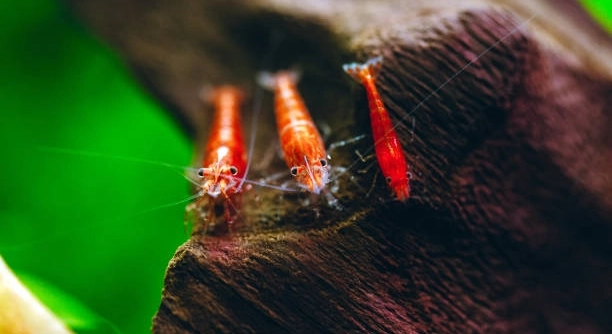
Do you ever find yourself fascinated by the tiny movements of shrimp in a tank but unsure how to create a healthy environment for them to thrive? Setting up a shrimp tank properly requires careful attention to water conditions.
Cycling a shrimp tank involves establishing beneficial bacteria that convert harmful ammonia and nitrites into less toxic nitrates. This process stabilizes the tank’s ecosystem, reduces stress on shrimp, and promotes long-term health, ensuring a sustainable and safe aquatic environment.
Learning the correct steps to cycle a tank properly can save both time and shrimp lives while building a stable habitat for your aquatic pets.
Preparing the Tank
Setting up the tank is the first step to ensuring shrimp thrive. Start with a clean tank and rinse all decorations, gravel, and equipment with water only. Avoid soap or chemicals, as residues can harm shrimp. Fill the tank with dechlorinated water and ensure the temperature is appropriate, usually between 72°F and 78°F. Installing a reliable filter helps maintain water quality, but choose one with gentle flow to avoid stressing the shrimp. Adding a sponge pre-filter can prevent baby shrimp from being sucked in. Live plants or moss provide surfaces for beneficial bacteria to grow and offer hiding spots for shrimp. Lighting should mimic a natural day-night cycle, generally 8–10 hours per day. Testing water parameters regularly ensures a safe environment. Patience is key at this stage. Avoid adding shrimp until the tank is fully cycled, as early introduction can lead to poor health or deaths. This careful preparation sets the foundation for a thriving tank.
Starting with a properly prepared tank reduces stress and supports a strong, balanced ecosystem for shrimp.
Consistently maintaining these conditions helps prevent sudden ammonia spikes or pH fluctuations. Gradually adding plants or decorations provides surfaces for bacteria, enhancing biological filtration. Monitoring water hardness and temperature ensures shrimp remain active and healthy. Even small changes, such as partial water changes or rearranging plants, should be done slowly to avoid shocking the shrimp. Observing behavior and molting patterns helps detect early signs of stress or poor water quality. Over time, the tank will become self-sustaining with regular monitoring. By carefully managing these factors, you create a stable environment that supports breeding and overall shrimp wellbeing.
Introducing Beneficial Bacteria
Beneficial bacteria establish the tank’s nitrogen cycle and reduce harmful toxins.
Adding a source of ammonia, either through shrimp food or pure ammonia, encourages bacterial growth. Monitor ammonia, nitrite, and nitrate levels daily. As ammonia rises, bacteria convert it into nitrites, then into nitrates. This process usually takes 4–6 weeks. Patience is crucial, as rushing the cycle can harm shrimp. Using commercial bacterial supplements can speed up the process but do not replace proper monitoring. Observing the tank’s water clarity and smell also indicates progress. Regular testing ensures ammonia and nitrite levels drop to zero before adding shrimp. A fully cycled tank promotes healthier shrimp and reduces stress from sudden water chemistry changes. Proper timing of bacteria establishment is essential to creating a thriving, balanced aquatic environment.
Once the beneficial bacteria are established, it’s possible to maintain a low-maintenance tank. Keeping a consistent feeding schedule, avoiding overfeeding, and performing regular partial water changes help maintain stable water parameters. Live plants continue to provide surfaces for bacteria while contributing oxygen and reducing nitrate buildup. Monitoring the population and observing shrimp behavior ensures they are adjusting well to the environment. By maintaining this balance, the tank becomes self-sufficient, and shrimp health improves steadily. Patience, careful monitoring, and consistency in water management are critical to long-term success, providing a safe and sustainable habitat for all tank inhabitants.
Monitoring Water Parameters
Regularly testing water parameters is essential for shrimp health. Check ammonia, nitrite, nitrate, pH, and temperature at least twice a week. Consistent readings help prevent sudden spikes that can stress or kill shrimp. Adjust conditions slowly when needed.
Keeping parameters stable is key to a thriving shrimp tank. Ammonia and nitrite should remain at zero, while nitrate levels should stay low through partial water changes. The pH should match the shrimp species’ needs, and temperature fluctuations must be avoided. Using reliable test kits and recording results ensures any problems are detected early. Observation of shrimp behavior also provides clues about water quality. Sudden lethargy, color changes, or molting issues often signal imbalance. Gradual adjustments to water chemistry, along with regular maintenance, help maintain a safe and predictable environment. Proper monitoring reduces the risk of stress-related diseases and promotes consistent growth.
Partial water changes are a simple yet effective way to manage nitrates and maintain stable parameters. Adding remineralizing products can help maintain hardness if necessary. Avoid overfeeding, as uneaten food can decompose and spike ammonia. Observing shrimp regularly ensures that the water supports their activity and molting cycles. Over time, monitoring becomes a routine task, helping prevent issues before they affect the shrimp. Properly maintained parameters encourage breeding and longevity, making the tank more resilient. Consistency in testing and adjustments is essential for keeping a healthy, balanced ecosystem.
Establishing a Feeding Routine
Shrimp require small, consistent feedings to avoid water contamination. Feed once or twice daily with species-appropriate food, removing uneaten portions promptly.
A balanced feeding routine promotes shrimp health and supports bacterial growth in the tank. Overfeeding can cause ammonia spikes and cloudy water, stressing the shrimp and slowing the cycling process. Small portions help ensure all shrimp receive nutrition without overwhelming the tank. Observing shrimp during feeding provides insight into their activity and overall wellbeing. Live or frozen foods can supplement flake or pellet diets, providing variety and enhancing color. Maintaining a consistent feeding schedule supports the tank’s ecosystem, giving bacteria time to process waste.
Adjust feeding amounts based on shrimp activity and growth. Remove leftovers within a few hours to prevent decay and maintain water clarity. Introducing occasional plant-based foods or blanched vegetables adds fiber and variety. Keep a record of feeding times and quantities to track changes over time, adjusting as the shrimp mature. Rotating food types can prevent nutritional deficiencies and encourage natural foraging behavior. Monitoring water parameters during feeding helps identify any spikes caused by excess food, allowing timely intervention. A disciplined feeding routine keeps shrimp healthy and supports the ongoing stability of the cycled tank.
Gradual Shrimp Introduction
Introduce shrimp slowly to avoid shocking the tank. Float the bag in the tank water for 20–30 minutes to equalize temperature.
Release a few shrimp at first, observing their behavior. Gradually add more over several days once water parameters remain stable and the shrimp appear healthy and active.
Observing Behavior
Monitor shrimp for signs of stress or illness. Healthy shrimp are active, forage frequently, and display vibrant colors.
Watching interactions helps detect aggression, molting issues, or water quality problems early. Adjusting the environment or feeding can prevent minor issues from becoming serious, keeping the tank stable and shrimp thriving.
Maintaining Plants and Decorations
Plants and decorations offer surfaces for bacteria and shelter for shrimp. Clean them gently during water changes without disrupting beneficial bacteria.
Regular Water Changes
Consistent water changes prevent nitrate buildup. Replace 10–20% of water weekly, ensuring it matches tank temperature and chemistry. This keeps shrimp healthy and supports long-term stability.
FAQ
How long does it take to cycle a shrimp tank?
Cycling a shrimp tank typically takes 4–6 weeks. This timeframe allows beneficial bacteria to establish and stabilize the nitrogen cycle. Ammonia is first converted into nitrites, which are then converted into nitrates. Testing water parameters regularly ensures the tank is safe before adding shrimp.
Can I add shrimp before the tank is fully cycled?
Adding shrimp too early can be dangerous. Uncycled tanks have high ammonia and nitrite levels, which are toxic to shrimp. Waiting until ammonia and nitrites reach zero reduces stress and prevents deaths. Using a test kit is essential for confirming the cycle is complete.
What type of food is best for shrimp?
Shrimp need small, balanced meals. Flake or pellet foods designed for shrimp are suitable. Occasionally adding blanched vegetables or algae wafers provides variety and fiber. Avoid overfeeding, as uneaten food can decompose, raising ammonia and nitrite levels.
How often should I feed shrimp?
Feed shrimp once or twice daily in small amounts. Only provide what they can consume within a few hours. Removing leftover food prevents water quality issues and keeps ammonia and nitrite levels stable. Consistency supports healthy growth and activity.
Why are my shrimp hiding constantly?
Shrimp hide when stressed by poor water quality, high ammonia or nitrite, or sudden changes in the tank. Check water parameters, temperature, and tank conditions. Ensure there are plants or decorations to provide shelter and reduce stress. Gradual adjustments help shrimp feel secure.
How do I know if the tank is fully cycled?
A fully cycled tank shows zero ammonia and zero nitrites, while nitrates remain at low levels. Daily testing during the cycle helps track progress. Once readings are stable for several days, the tank is safe for shrimp introduction.
Can I speed up the cycling process?
Using commercial bacterial supplements can help establish beneficial bacteria faster, but monitoring water parameters remains essential. Rushing the process without testing can harm shrimp. Patience is critical for creating a stable, healthy tank environment.
How often should I test water?
During cycling, test daily or every other day. After the tank is stable, weekly testing is sufficient. Focus on ammonia, nitrites, nitrates, pH, and temperature. Consistent testing prevents issues before they affect shrimp.
What temperature is ideal for shrimp?
Most freshwater shrimp thrive between 72°F and 78°F. Avoid sudden changes, as they stress shrimp and slow the cycling process. A stable temperature supports feeding, molting, and breeding. Adjust gradually if heating or cooling is necessary.
Do shrimp need live plants?
Live plants are highly recommended. They provide surfaces for beneficial bacteria, improve water quality, and offer hiding spots for shrimp. While not strictly required, plants make the tank healthier and help maintain a balanced ecosystem.
How much water should I change weekly?
Perform 10–20% water changes weekly. Ensure the new water matches the tank’s temperature, pH, and hardness. Regular water changes control nitrate buildup, maintain stability, and support shrimp health.
Why are my shrimp molting frequently?
Molting is normal as shrimp grow. Frequent molting may indicate rapid growth or slightly stressful conditions. Ensure water parameters are stable and provide hiding places. Molted exoskeletons can be left in the tank for minerals or removed if excess waste is a concern.
Can I keep different shrimp species together?
Some species coexist well, but research compatibility before mixing. Differences in size, temperament, or water needs can cause stress or aggression. Providing adequate space, hiding spots, and monitoring behavior ensures a harmonious tank environment.
How do I prevent algae growth?
Algae can be controlled by limiting excess light, avoiding overfeeding, and maintaining proper nutrient levels. Plants compete with algae for resources. Manual removal or adding algae-eating shrimp species can help manage growth without chemicals.
What signs indicate shrimp are healthy?
Healthy shrimp are active, forage regularly, have vibrant colors, and molt successfully. Lethargy, discoloration, or poor appetite can signal water quality issues, stress, or disease. Regular observation helps detect problems early.
How long do shrimp live in a well-maintained tank?
Depending on species, freshwater shrimp live 1–3 years with proper care. Stable water conditions, balanced feeding, and a cycled tank support longevity. Monitoring for stressors and maintaining consistent routines ensures a longer, healthier life.
Can shrimp reproduce in a new tank?
Shrimp can reproduce once water parameters are stable, and they feel secure. A fully cycled tank with sufficient hiding places and proper nutrition encourages breeding. Avoid adding predators or disturbing the tank during early reproduction.
What should I do if ammonia spikes after adding shrimp?
Immediate partial water changes help reduce ammonia levels. Test frequently and remove uneaten food. Check the filter and consider adding additional bacteria to assist the nitrogen cycle. Maintain patience as the tank stabilizes.
Is it necessary to quarantine new shrimp?
Quarantining new shrimp is recommended to prevent introducing disease or parasites to an established tank. A separate small tank allows monitoring and treatment before introducing them to the main tank.
How do I maintain a stable pH?
Use buffering materials or test kits to monitor pH regularly. Avoid rapid changes and maintain stable water chemistry. Plants, substrate, and minerals help buffer pH naturally, contributing to a safer environment.
Can I use tap water for a shrimp tank?
Tap water is acceptable if dechlorinated and tested for hardness, pH, and other chemicals. Chlorine or chloramine must be removed, or it can harm shrimp and bacteria during the cycling process.
Final Thoughts
Cycling a shrimp tank is an essential step to creating a stable and safe environment for your shrimp. Rushing the process can lead to stress, illness, or even death for the shrimp. Taking the time to set up the tank properly, introduce beneficial bacteria, and monitor water parameters establishes a strong foundation for long-term success. Each step, from preparing the tank to gradually adding shrimp, contributes to a balanced ecosystem that supports healthy shrimp activity, molting, and even reproduction. The process requires patience and attention to detail, but the results are rewarding. Once the tank is fully cycled, maintaining it becomes easier, and the shrimp are able to thrive in an environment that closely mimics their natural habitat.
Maintaining a shrimp tank involves regular monitoring, careful feeding, and consistent water changes. Observing shrimp behavior is just as important as testing water parameters, as it can provide early signs of stress or imbalance. A proper feeding routine ensures shrimp receive adequate nutrition without overloading the tank with excess waste. Live plants and decorations play a dual role by offering hiding spaces and surfaces for beneficial bacteria to grow. These elements help maintain water quality and create a natural environment that encourages shrimp to be active and healthy. By paying attention to these factors consistently, you can prevent common problems and support the overall well-being of your shrimp. Small actions, like gentle cleaning of decorations or partial water changes, contribute to a stable ecosystem that requires less intervention over time.
Patience and consistency are key to keeping a thriving shrimp tank. Establishing the nitrogen cycle, maintaining stable water parameters, and monitoring shrimp activity are ongoing tasks, but they lead to a self-sustaining system. Gradual adjustments, careful observation, and proper care ensure shrimp grow and reproduce successfully. Over time, the effort put into cycling and maintaining the tank pays off with a healthy, vibrant population of shrimp. A well-cycled tank also allows you to enjoy the subtle behaviors and interactions of the shrimp without constant concern for water quality or stress. Understanding each step and respecting the needs of your shrimp helps create a balanced aquatic environment, making the hobby more enjoyable and sustainable in the long run.

Hello,
If you enjoy the content that we create, please consider saying a "Thank You!" by leaving a tip.
Every little bit helps us continue crafting quality advice that supports the health, happiness, and well-being of pets around the world, for pets of all shapes, sizes, and species.
We really appreciate the kindness and support that you show us!