
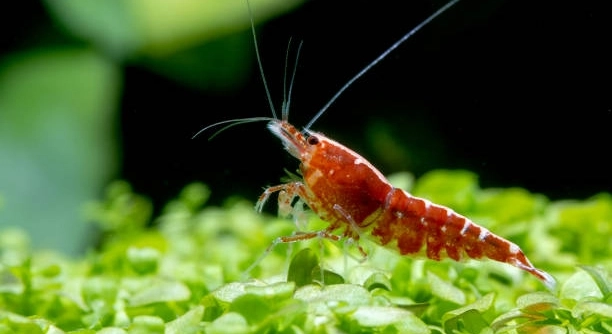
Cherry shrimp are small, colorful creatures that brighten many home aquariums. They are popular pets because of their peaceful nature and easy care. However, feeding them the wrong foods can create serious health issues and stress.
Certain human foods and some aquarium treats can harm cherry shrimp. Ingredients like salt, spices, processed meats, and high-fat items disrupt their digestive system and can be toxic. Even foods safe for other pets may pose serious risks to shrimp.
Knowing which foods to avoid will help protect your shrimp and keep them healthy in their aquatic environment. Careful feeding choices are essential for their long-term well-being.
Foods High in Salt
Salt is extremely harmful to cherry shrimp. Even small amounts can disturb their internal balance and cause serious dehydration. Processed human snacks like chips, pretzels, and canned foods are particularly dangerous. Salt interferes with their osmotic balance, making it difficult for them to regulate fluids, which can quickly lead to death. Many seafood seasonings, soy sauce, and pickled items also contain high levels of sodium that are unsafe for shrimp. It is important to read labels carefully before offering anything to your tank. Avoid feeding leftovers from your meals unless you are certain they contain no added salt. While some aquarium foods are fortified with essential minerals, these are carefully measured to match shrimp needs. In contrast, human foods are unpredictable. Small mistakes in feeding can accumulate, affecting shrimp over time. Regular monitoring and sticking to proper shrimp food will ensure their health. Maintaining a salt-free diet is a basic but critical part of proper care.
Avoid giving your cherry shrimp any food that contains salt, as it can be deadly even in tiny amounts.
Salt exposure can lead to dehydration and stress, weakening your shrimp’s immune system. Avoiding salty foods keeps their bodies balanced and helps them thrive.
Processed and Sugary Foods
Processed and sugary foods are unsafe for cherry shrimp. Candy, baked goods, and sugary cereals can harm their digestive systems and cause lethargy.
Sugar-rich foods disturb the natural bacteria in the tank and can promote mold or algae growth, reducing water quality. Sugary items often have additives and preservatives that shrimp cannot digest, which may result in organ damage over time. Even occasional feeding can introduce harmful substances that accumulate in the tank environment. Maintaining clean water is critical, and sugary foods make this difficult. Commercial shrimp foods are formulated with proper nutrients, providing balanced energy without the negative effects of sugar. Stick to algae wafers, blanched vegetables, and specially designed shrimp pellets to support their growth and health. By avoiding processed treats, you reduce the risk of illness and ensure a safe, clean habitat. Their digestive systems are simple and sensitive, and introducing unnatural foods can cause permanent harm. Keeping feeding natural and controlled guarantees longevity and vibrant coloration.
Citrus and Acidic Foods
Citrus fruits like lemons, limes, and oranges are too acidic for cherry shrimp. Acidic foods can change tank pH and irritate their delicate exoskeletons. Avoid offering anything with strong acids or vinegar.
Acidic foods disrupt the water’s pH balance, which shrimp rely on for survival. Even small amounts of citrus peels or juice can create stress and weaken their immune system. Cherry shrimp are very sensitive to sudden pH changes, and exposure to acidic foods can stunt growth or cause molting problems. Maintaining stable water conditions is critical for their health. Tank plants and proper substrate help buffer minor pH changes, but introducing high-acid foods adds unnecessary risk. Stick to low-acid vegetables like zucchini, cucumber, and spinach to provide safe nutrients. Over time, even minor exposure to acids can have cumulative effects. Avoiding these foods entirely is the safest approach.
Using citrus or vinegar-based foods can trigger stress responses in shrimp, making them more prone to disease. Stable, neutral water ensures they thrive naturally and remain active.
Garlic and Strong Spices
Garlic and strong spices can irritate cherry shrimp and disturb their digestive system. Avoid feeding spicy foods or seasonings directly.
Strong spices contain compounds shrimp cannot process, which may harm internal organs or cause behavioral stress. Even small amounts of chili, pepper, or curry powder can irritate their gills and digestive tract. Garlic, while beneficial for some fish in controlled doses, can be overwhelming for small shrimp and should not be added to their diet. These spices can also cloud water and promote bacteria growth, negatively impacting overall tank conditions. Instead, focus on fresh vegetables, algae, and specialized shrimp pellets. Natural plant-based foods provide essential vitamins and minerals without adding harmful chemicals. Keeping their diet simple protects them from unnecessary stress. Cherry shrimp are sensitive creatures, and strong flavors are not part of their natural nutrition. Safe feeding promotes growth, vibrant coloration, and active behavior.
Raw Meat and Fish
Raw meat and fish are unsafe for cherry shrimp. These foods can carry harmful bacteria and decay quickly in the tank, contaminating the water.
Feeding raw protein can cause severe digestive issues and may lead to ammonia spikes. Shrimp cannot process raw animal tissue properly.
Dairy Products
Cheese, milk, and other dairy items should never be offered to cherry shrimp. They lack the digestive enzymes to break down lactose.
Dairy decomposes quickly in water, leading to bacterial growth and poor water quality. Introducing these foods can stress shrimp, damage their digestive systems, and create a toxic environment. Stick to plant-based or formulated shrimp foods to ensure their safety and health.
Onion and Garlic
Onions, garlic, and similar pungent vegetables are harmful to cherry shrimp. They can irritate the gills and digestive tract.
Avoid adding these to the tank, as even small amounts can disturb shrimp health and reduce their activity.
FAQ
What should I feed my cherry shrimp instead of harmful foods?
Cherry shrimp thrive on a diet of algae, blanched vegetables, and specially formulated shrimp pellets. Safe vegetables include zucchini, cucumber, spinach, and carrots. Algae wafers provide essential nutrients, while commercial shrimp foods are balanced for protein, vitamins, and minerals. Occasional treats like spirulina or blanched peas are also safe and support healthy growth and coloration. Avoid anything processed, salty, or sugary, as these foods can upset their delicate digestive systems and damage water quality. A consistent, natural diet is the best way to ensure active, healthy shrimp.
How do I know if a food is unsafe for cherry shrimp?
If a food is processed, salty, spicy, sugary, or acidic, it is unsafe. Also, human foods containing preservatives, artificial flavors, or additives should never be offered. Anything that decays quickly in water, such as raw meat or dairy, can harm shrimp and pollute the tank. Stick to natural plant-based foods and products labeled for shrimp or freshwater invertebrates. If you’re unsure, it’s safer to skip the item entirely. Observing shrimp behavior after introducing a new food can indicate whether it is tolerated, but prevention is always best.
Can a small amount of harmful food cause problems?
Even small amounts of unsafe food can stress cherry shrimp. Their tiny bodies and simple digestive systems make them highly sensitive to toxins, salt, and acidic or spicy compounds. Over time, repeated exposure can lead to illness, molting problems, or death. Water quality may also decline if these foods decompose in the tank. Even a single feeding of raw meat, citrus, or sugary treats can disrupt pH balance and introduce bacteria. For long-term health, avoid testing shrimp tolerance with questionable foods. Consistency in safe feeding practices protects their delicate systems.
Are commercial shrimp foods completely safe?
Most commercial shrimp foods are designed for safety and nutrition, but quality varies between brands. Look for products made for cherry shrimp or freshwater invertebrates. Avoid foods with fillers, artificial colors, or preservatives. Even safe foods should be given in controlled amounts to prevent overfeeding. Proper feeding schedules and monitoring leftovers help maintain water quality. High-quality pellets or wafers provide balanced nutrition that supports growth, molting, and coloration. Supplementing occasionally with fresh vegetables or algae ensures a more natural diet. Commercial foods are generally reliable, but attention to ingredients is still necessary for long-term shrimp health.
What happens if my cherry shrimp eat something harmful?
If shrimp consume unsafe foods, they may show signs of stress such as lethargy, hiding, or loss of color. Digestive problems, slowed growth, and molting difficulties can occur. In some cases, harmful foods can be fatal. Water quality may decline rapidly due to decaying food, leading to ammonia spikes. Immediate action, like removing uneaten food and performing a partial water change, can reduce damage. Observing shrimp carefully after exposure helps identify early problems. Prevention is key, as cherry shrimp are delicate and recover slowly from stress or toxicity. Keeping a clean tank and avoiding harmful foods minimizes risk.
Can human leftovers ever be fed to cherry shrimp safely?
Human leftovers are generally unsafe. Foods high in salt, sugar, or fat, along with spices, sauces, and preservatives, can harm shrimp. Only very plain, blanched vegetables like carrots or zucchini in tiny amounts are sometimes safe. Avoid meat, dairy, or citrus leftovers. Even simple vegetables should be rinsed and cut into small, manageable pieces. Overfeeding or adding multiple leftovers at once can quickly degrade water quality. Consistently using foods designed for shrimp, along with occasional fresh vegetables, is the safest approach. Leftovers may seem convenient, but the risks to shrimp health are significant and not worth experimenting with.
How can I prevent accidental feeding of harmful foods?
Keep a clear separation between human foods and shrimp-safe foods. Store shrimp pellets, wafers, and fresh vegetables in a designated area. Label items clearly and educate anyone who may feed the tank. Avoid dropping scraps from meals into the aquarium. Planning feeding times and measuring portions helps maintain control. Regularly cleaning the tank and monitoring leftover food prevents accidental ingestion of harmful substances. Consistency in feeding habits protects shrimp and preserves water quality. Being vigilant about what enters the tank ensures a safe environment and reduces the likelihood of illness or stress caused by unsuitable foods.
How often should I feed cherry shrimp to keep them healthy?
Feed cherry shrimp small amounts once a day or every other day. Overfeeding can foul water and stress shrimp, while underfeeding may slow growth and affect coloration. Observe the tank and remove uneaten food after a few hours. A balanced diet of algae, blanched vegetables, and formulated shrimp pellets in moderation keeps shrimp healthy. Adjust feeding based on the size and number of shrimp, as well as the tank’s natural algae growth. Consistency, portion control, and observation are key to maintaining health and preventing problems caused by excess or harmful foods.
What signs indicate my shrimp have eaten something harmful?
Shrimp may become inactive, hide excessively, or lose their vibrant color after ingesting harmful foods. Molting problems, irregular swimming, or unusual clumping behavior can also appear. Water cloudiness or foul odor may accompany these signs if food has decomposed. Early detection allows for intervention, like removing leftover food and performing water changes. Monitoring shrimp behavior and water quality regularly helps prevent lasting harm. Stress from unsafe foods can weaken their immune systems, making them more susceptible to disease. Recognizing these signs early is critical to protecting their health and maintaining a stable tank environment.
Can I use seasonings or supplements for my shrimp safely?
Most seasonings, garlic powders, and human supplements are unsafe for cherry shrimp. Only products specifically designed for freshwater invertebrates should be added. Vitamins or supplements meant for fish may harm shrimp due to differences in tolerance. Focus on natural foods like vegetables and algae or high-quality commercial pellets. If supplements are used, follow product instructions exactly and monitor shrimp for stress. Avoid experimenting with spices, oils, or flavored powders, as these can disrupt digestion and water quality. A simple, controlled diet ensures proper nutrition and long-term health without unnecessary risks.
Cherry shrimp are small, delicate creatures that bring life and color to any aquarium. Their health depends heavily on the food they receive. While it may be tempting to feed them leftovers from the kitchen or treats designed for other pets, many common foods are unsafe. Salt, sugar, processed items, raw meat, dairy, citrus, and strong spices can all harm shrimp. Even foods that seem harmless can change water conditions or irritate their sensitive digestive systems. Understanding what to avoid is just as important as knowing what to feed them. Maintaining a consistent, safe diet helps cherry shrimp grow, molt properly, and display their natural bright colors. It also reduces stress and makes them more active in the tank.
Providing the right foods ensures a stable and healthy environment for your shrimp. Algae, blanched vegetables like zucchini and spinach, and specialized shrimp pellets provide the nutrients they need without causing harm. Feeding in small, measured portions prevents leftover food from decaying in the tank, which could affect water quality and the overall health of your shrimp. A clean tank with proper food management supports their immune systems and encourages natural behavior. Avoiding high-risk foods altogether reduces the likelihood of illness and protects their delicate bodies. Even small amounts of harmful foods can cause long-term problems. By sticking to safe options, you help your shrimp live a longer, healthier life while keeping the tank stable and clean.
Paying attention to what cherry shrimp eat is a key part of their care. Unlike larger pets, they cannot tolerate many human foods, and their small size makes them especially vulnerable to toxins, acids, or excess salt. Observing their behavior, maintaining water quality, and providing a simple, balanced diet are essential practices. Healthy shrimp are more active, colorful, and resilient, while those exposed to unsuitable foods often show stress or illness. Safe feeding practices also reduce the need for corrective measures like sudden water changes or medical treatments. Taking the time to understand their nutritional needs protects both the shrimp and the tank environment. Following these guidelines ensures that cherry shrimp remain vibrant, healthy, and enjoyable additions to your aquarium for years to come.

Hello,
If you enjoy the content that we create, please consider saying a "Thank You!" by leaving a tip.
Every little bit helps us continue crafting quality advice that supports the health, happiness, and well-being of pets around the world, for pets of all shapes, sizes, and species.
We really appreciate the kindness and support that you show us!